All Sales are Final
Mission: Impossible – The Final Reckoning (2025): 5 out of 10: Longtime readers will know that I have a fairly simple relationship with the Mission: Impossible franchise. I want Tom Cruise to run. I want Tom Cruise to hang off something no sane insurance company would ever approve. I want masks, double-crosses, motorcycle nonsense, and Simon Pegg looking worried while computers go beep-boop in the background. I do not necessarily need a meditation on the nature of artificial intelligence, nuclear brinksmanship, and whether every previous Mission: Impossible movie needs to be footnoted like a doctoral thesis.
Which brings us to Mission: Impossible – The Final Reckoning, the apparent send-off for this era of the franchise and the second half of the two-part story begun in Dead Reckoning. Now, I was not the biggest fan of the first half, but I was willing to believe this one would bring me back into the fold. Surely the final film would be action-packed, emotional, and satisfying. Surely it would send me out with the same kind of euphoric affection I had after Fallout, or even the one where they drive cars around Dubai or whatever. You know the one.
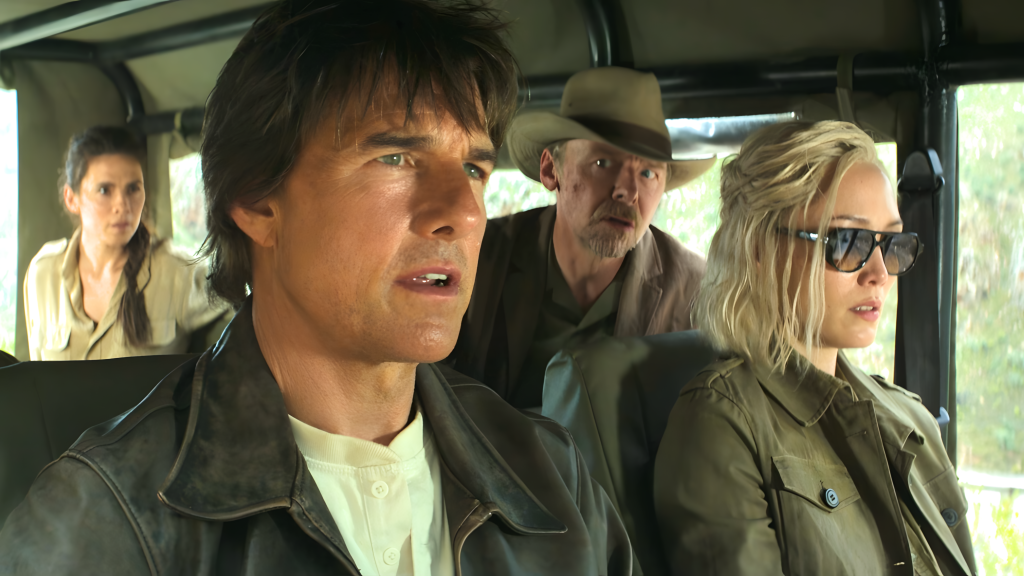
Instead, I could have basically copied and pasted my review of the previous film, lowered the score slightly, and called it a day. The same problems are here, only bigger, louder, longer, and somehow even more convinced that what this series needed was less momentum and more people explaining things to each other in rooms.
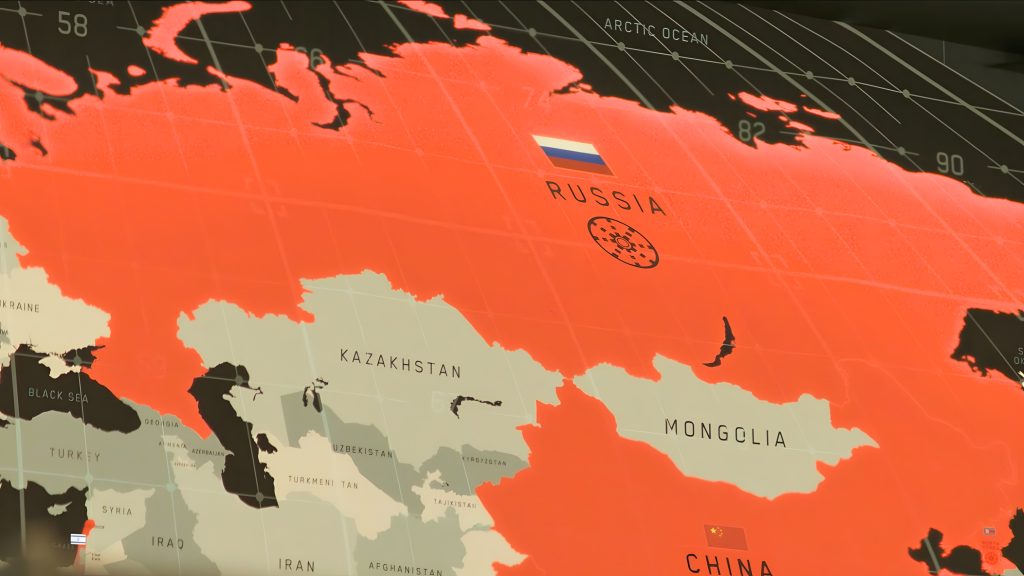
The central issue remains the villain problem. A rogue AI taking over the world’s nuclear weapons does not feel like a natural fit for the Mission: Impossible universe. Honestly, it barely feels like a natural fit for the James Bond universe. This is the kind of threat that belongs in a Transformers or Fast and Furious movie, a Saturday morning cartoon, or one of those direct-to-video techno-thrillers where the DVD cover has a glowing red eye hovering over the Pentagon.
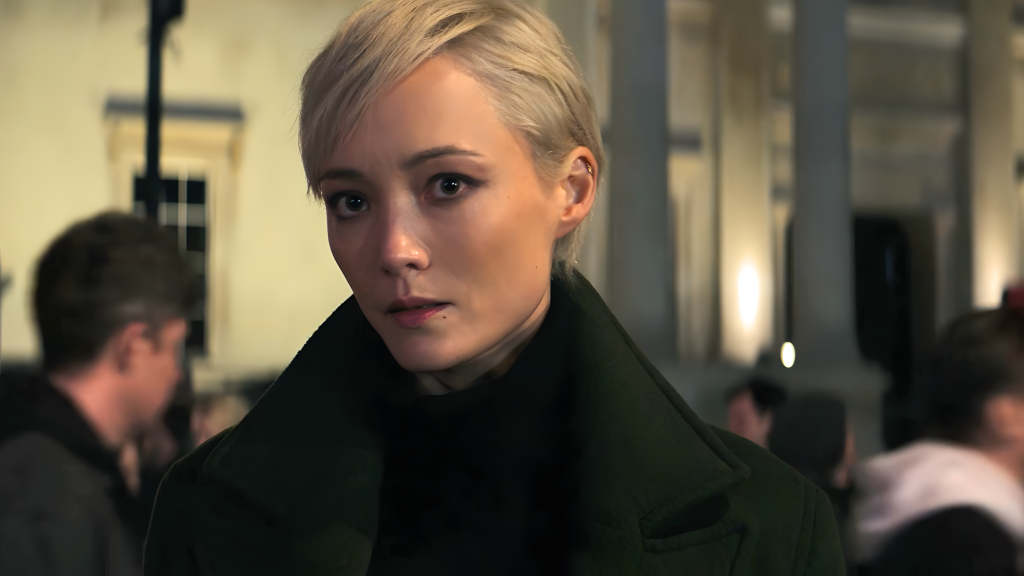
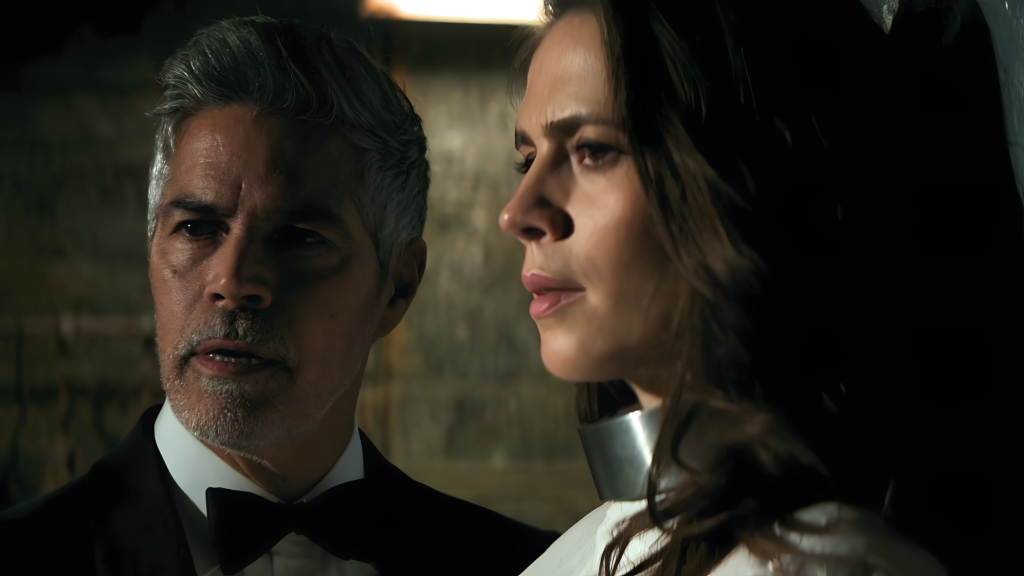
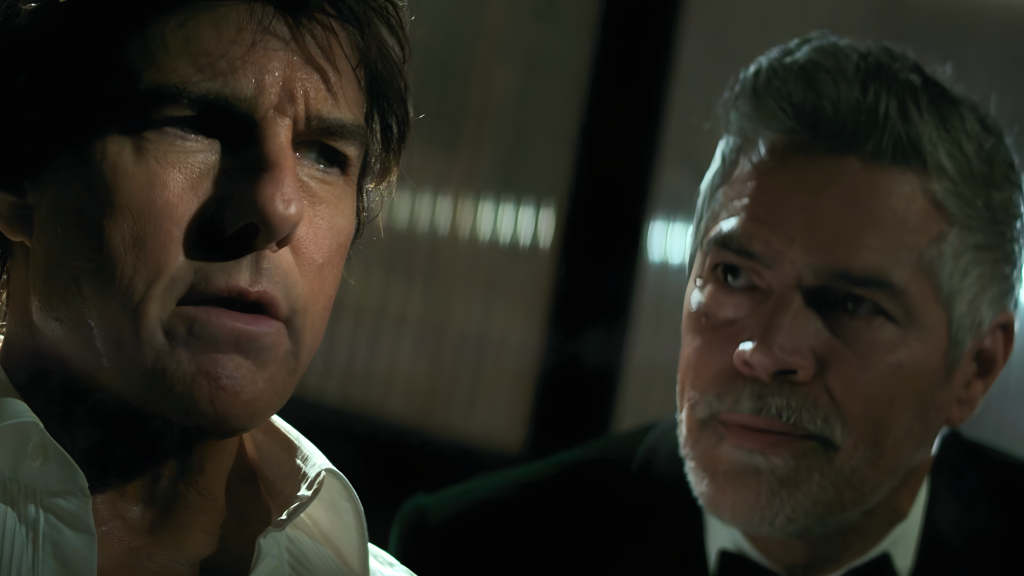
The AI itself is also a terrible villain because it is a computer program. It cannot really sneer. It cannot gloat properly. It cannot have a deliciously stupid, evil haircut. So we get Gabriel, played by Esai Morales, as the human face of the threat.
The previous film kept insisting that Gabriel and Ethan had some deep, dark, traumatic backstory, and this film largely shrugs at that and moves along. For a supposed final boss in a franchise this long-running, Gabriel feels oddly unmemorable. They could have brought back a villain from one of the previous films. They could have elevated someone we had at least heard of before. Instead, we get a man whose chief effect on me is that I keep thinking he looks weirdly like Josh Brolin. I would like to see Morales and Brolin at the same Halloween party just to test the theory.
But if the villain problem is bad, the exposition problem is worse. Much worse.
This may be the only Mission: Impossible movie I can remember that does not open with a proper action sequence. There is no cliff, no plane, no vault, no impossible heist, no Ethan Hunt doing something that makes you check your own pulse. Instead, the film opens with a greatest-hits montage of the previous movies, and it honestly feels less like something made by the people who made the movie and more like a YouTube fan edit titled “Ethan Hunt Legacy Tribute 1996-2025.” Then the credits roll, and I found myself thinking, “Wait, where is the part where Tom Cruise falls off something?”
That “previously on Mission: Impossible” feeling never really goes away. The movie is packed with callbacks, flashbacks, explanations, and little reminders of where everything came from. Some of this works. Most of it does not. There is a difference between rewarding longtime fans and requiring them to do homework.
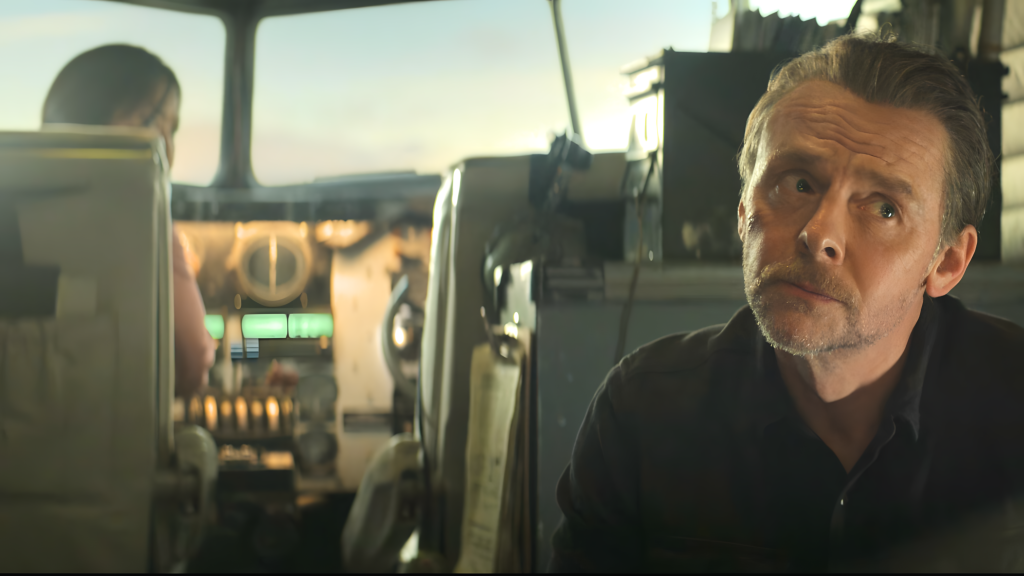
There is also a difference between an Easter egg and a giant blinking arrow pointing at the Easter egg while someone explains the nutritional content of the egg.
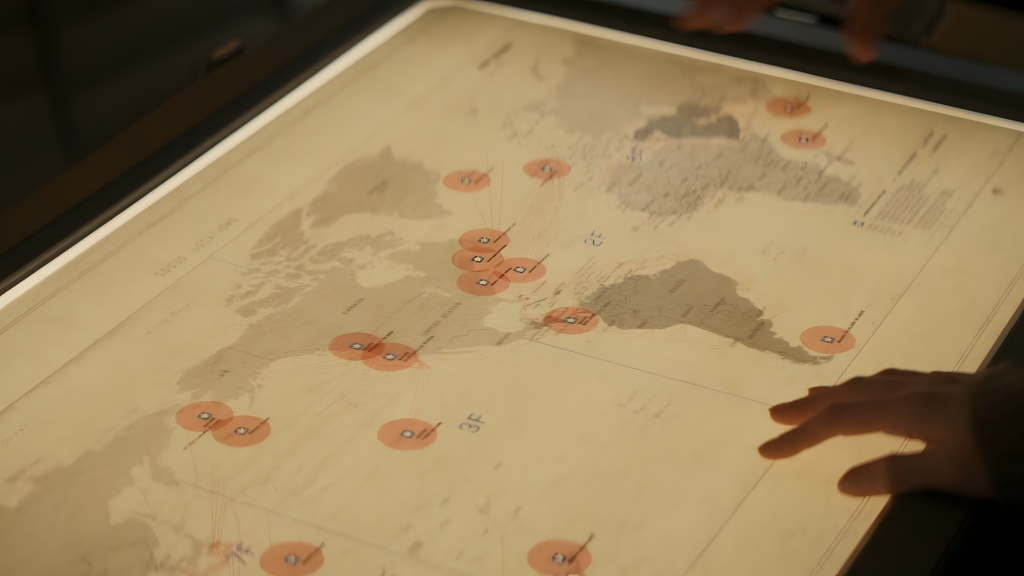
The Good
There are good things here, because this is still a Mission: Impossible movie and Tom Cruise has not forgotten how to be Tom Cruise.
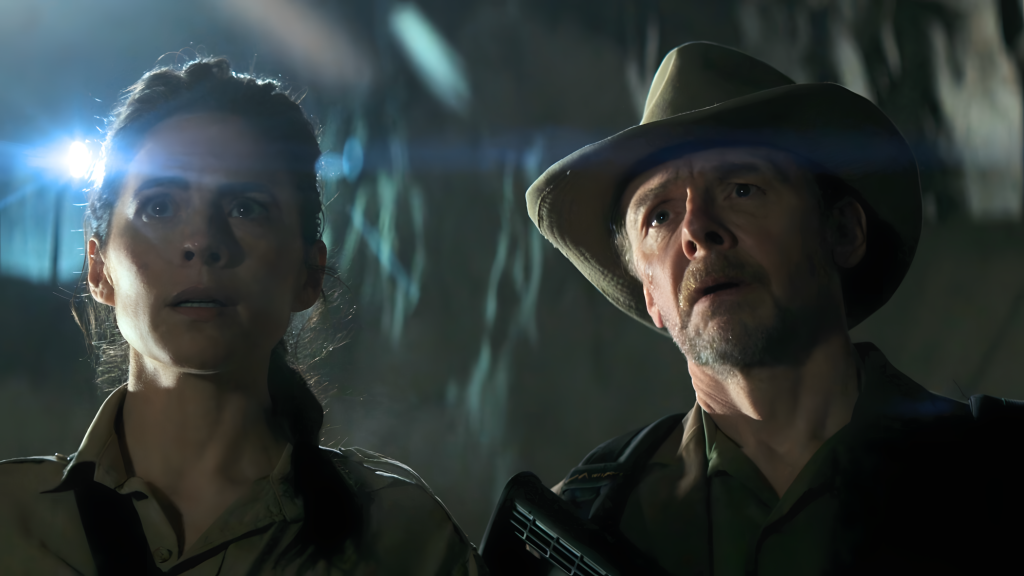
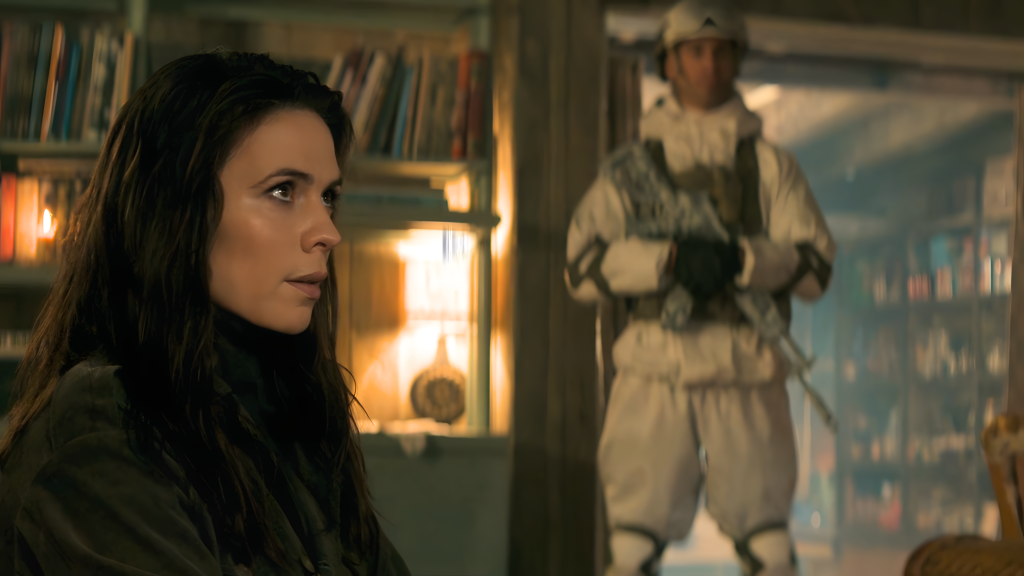
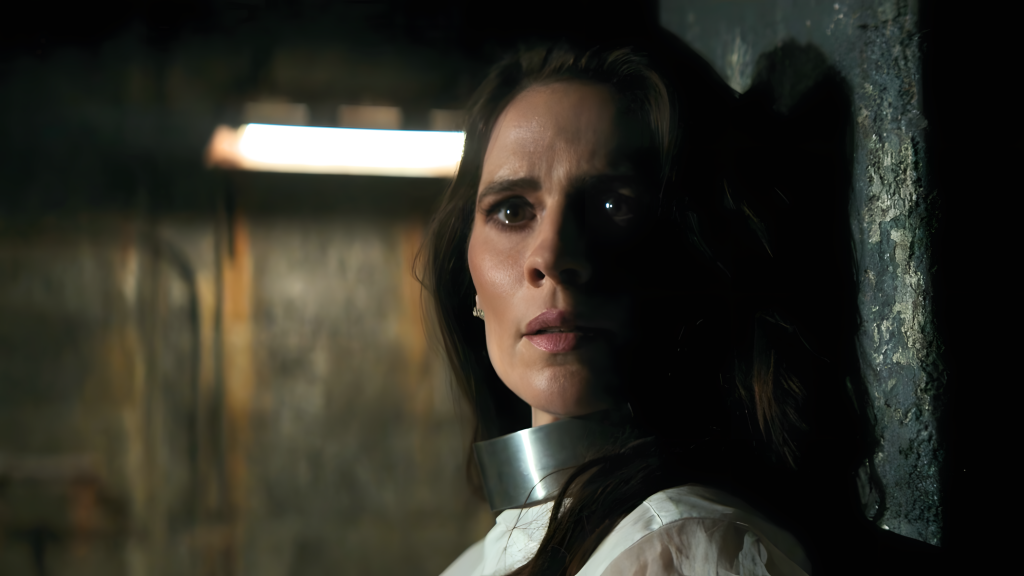
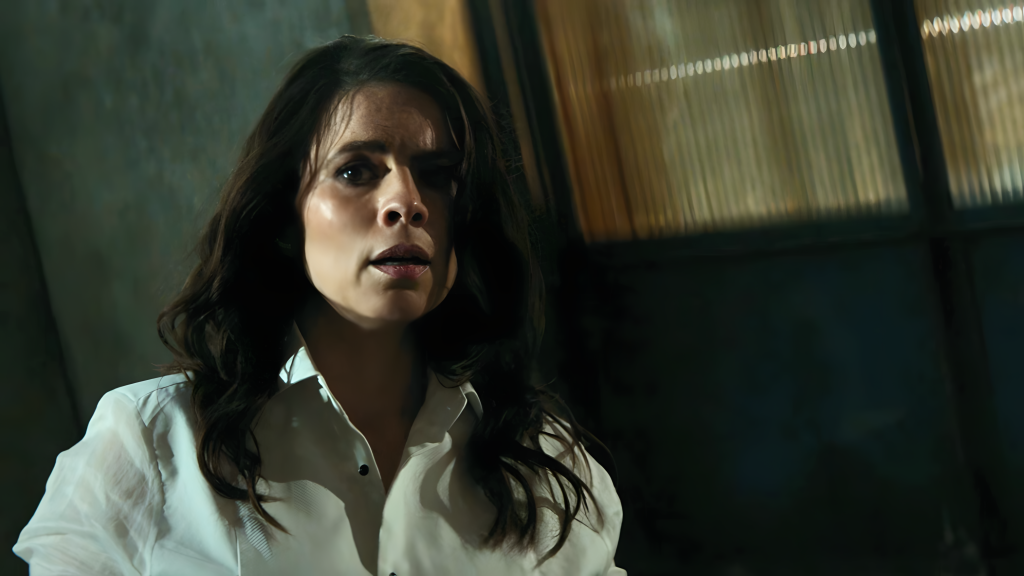
Hayley Atwell has grown on me. I was not completely sold on Grace in the previous film, but she settles into the ensemble better here. She has a tricky job because the movie is trying to position her as important without always giving her the cleanest dramatic material. Still, she does well with what she has.
Ving Rhames also receives what feels like a more conclusive farewell, and while I like Luther and I like Rhames, the series probably should have made this move earlier. The man is almost 70, and the movie seems to know it.
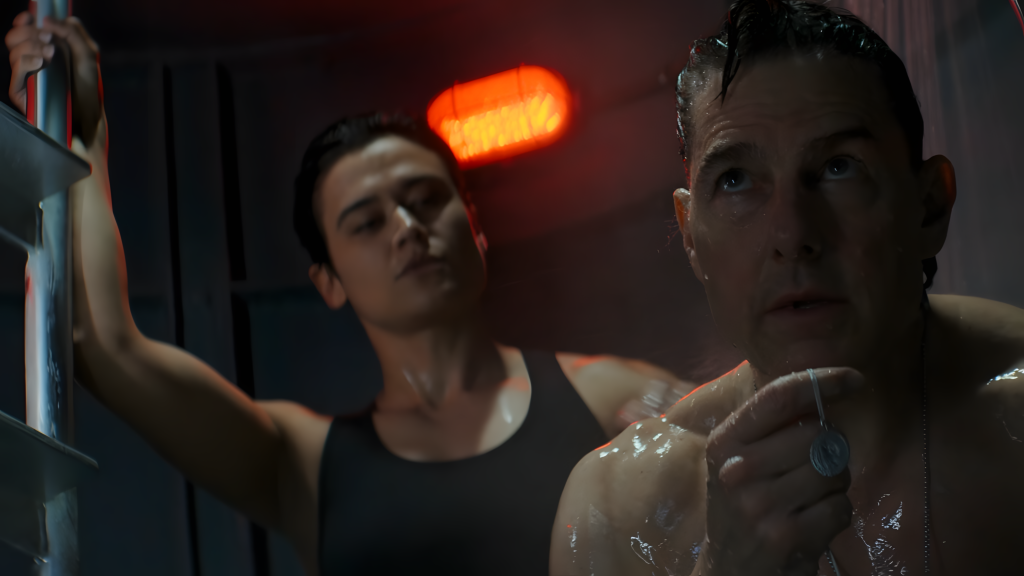
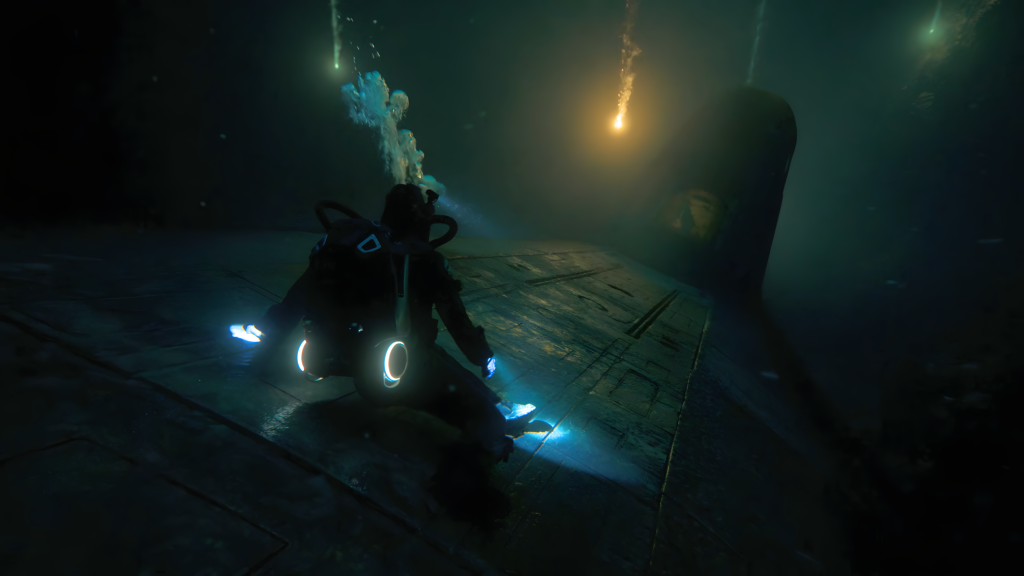
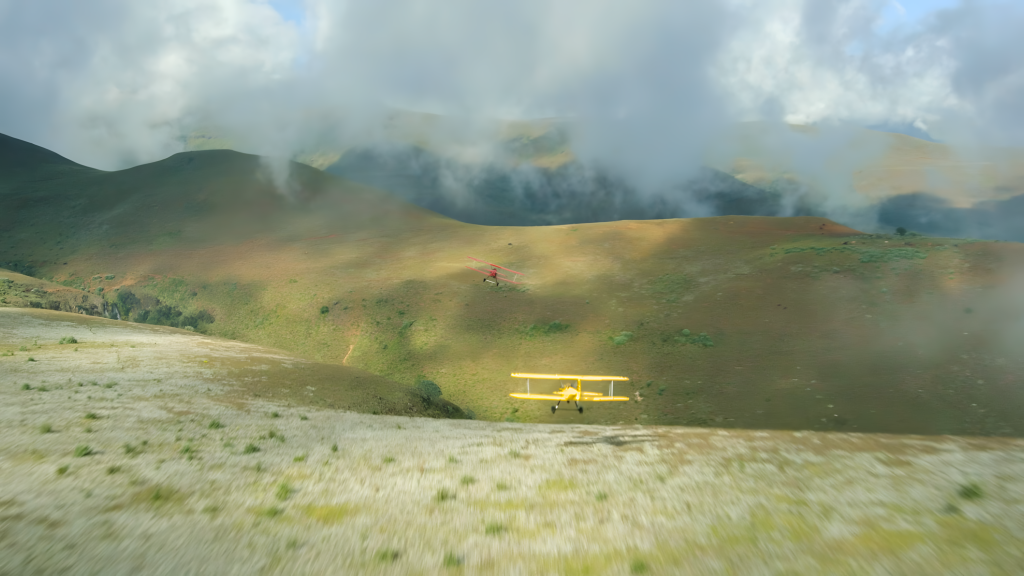
There are also a couple of major action sequences that remind you why this franchise still matters. The underwater submarine sequence is interesting and occasionally suspenseful, even if Ethan’s survival starts to feel a little dubious if you think about the mechanics for more than eight seconds. The biplane sequence is better. It is big, it is physical, it is cleanly staged, and it has that old-school “Tom Cruise is trying to die for our entertainment” quality the series has been built around for the last several entries.

The problem is that the biplane sequence shows up about two and a half hours into the movie. That is not a typo. You wait a very long time for the movie to become the movie you paid to see.
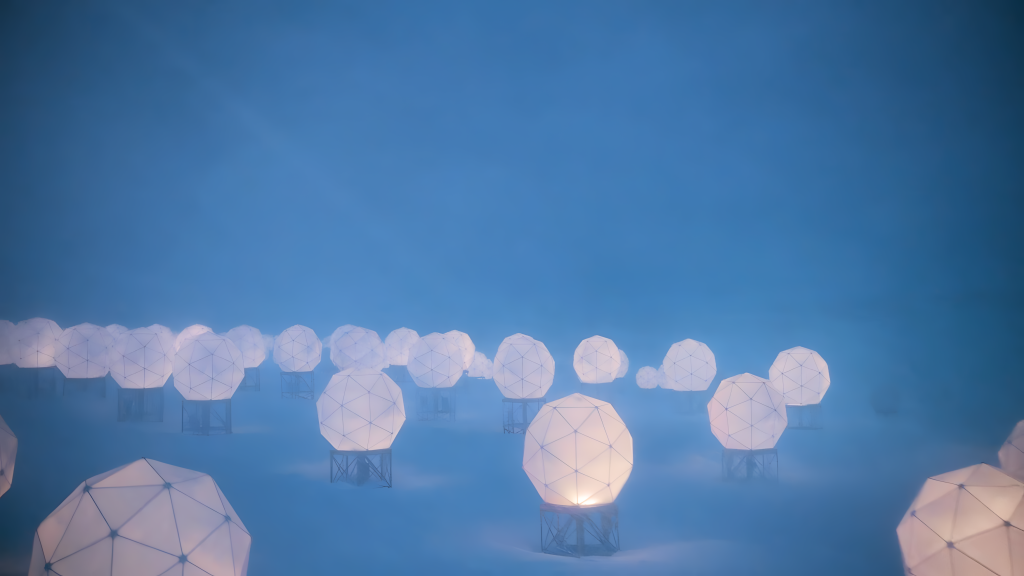
The best thing in the film, oddly enough, is a legacy callback. Ethan and the team end up needing help from a character connected to the first Mission: Impossible, a man whose life changed because of Ethan’s actions decades earlier. He is now living in the Arctic with his Inuit wife, his dogs, and a quiet sense of happiness he never would have found if his life had gone the way he expected.
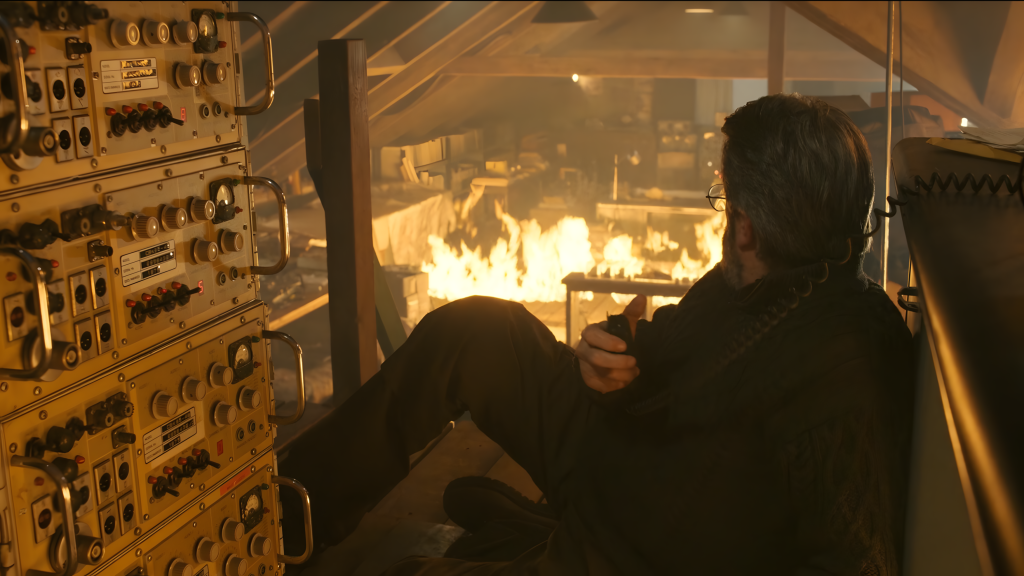
This scene works beautifully. It is exactly the sort of callback a final film should have. It rewards viewers who remember the older movies, but it also has an emotional weight on its own. It is about consequences, roads not taken, and the strange ways a life can be ruined in the moment and saved in the long run. The film explains enough without over-explaining everything, which makes it stand out even more because the rest of the movie is apparently allergic to that approach.
Whoever wrote that stretch of the film understood the assignment. I just wish they had been around for the other two hours and change.

The Bad
The action is too sparse; the exposition is too heavy, and the stakes are too enormous to be dramatically useful.
A rogue AI threatening to take over every nuclear system on Earth sounds big, but it is so big that it becomes silly. The best Mission: Impossible movies understand that the plot is there to create urgency, not drown the movie in geopolitics and techno-babble.
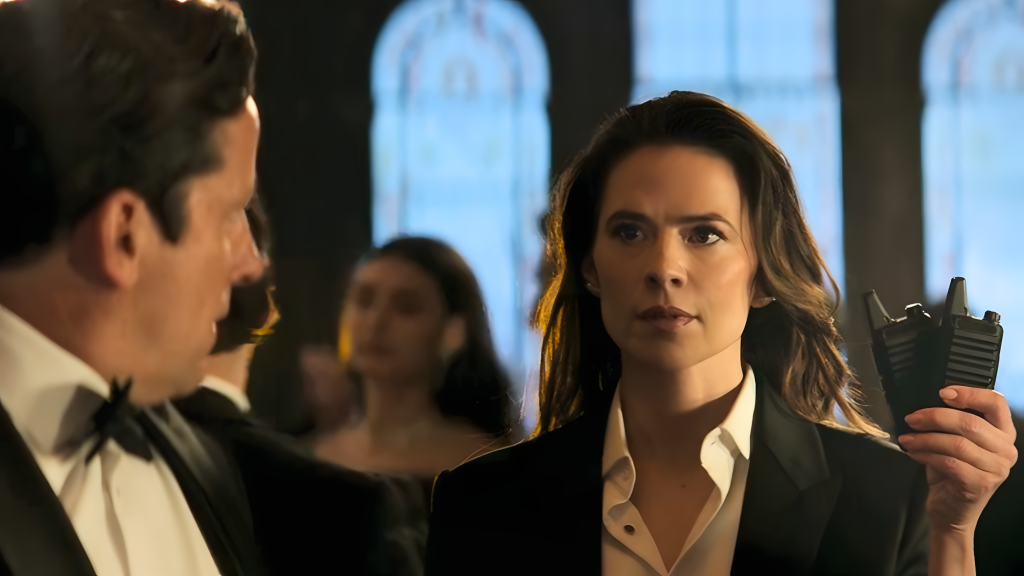
Fallout had a relatively simple setup and then used that simplicity to launch one terrific action beat after another. This movie has people in rooms explaining why the AI is bad, how the AI works, what the AI might do, what happened in previous films, and why someone else should probably explain it again just in case the people in the cheap seats missed it.
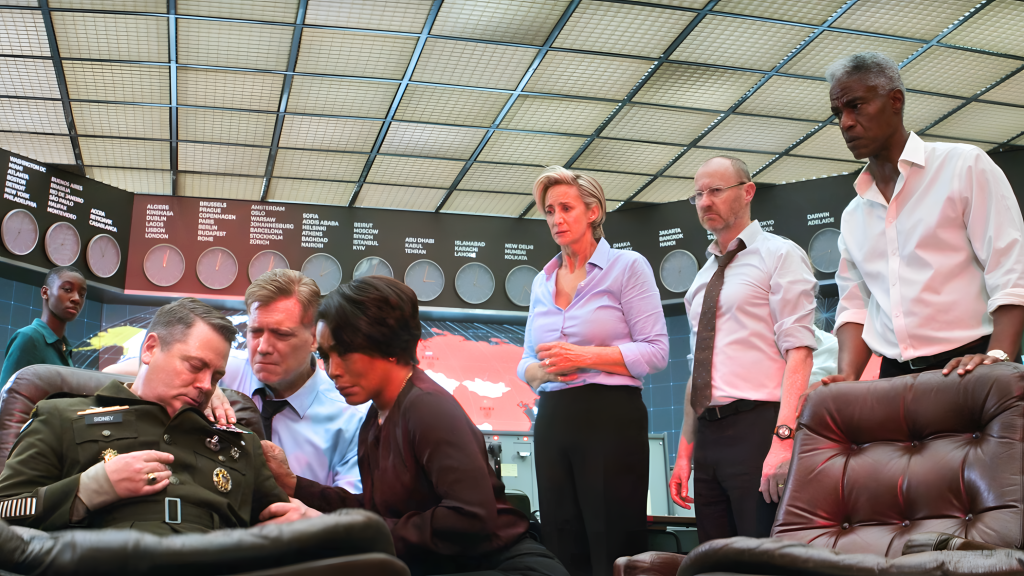
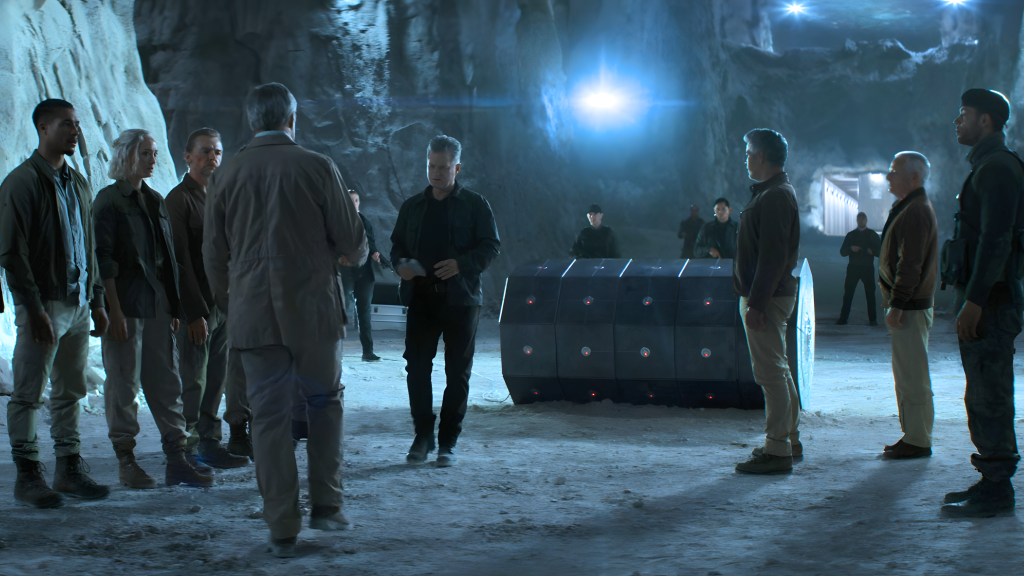
The Angela Bassett material is a major example. Bassett is playing the President now, having previously been connected to the IMF oversight side of things, and she is noble, competent, stern, and generally exactly what you would expect.
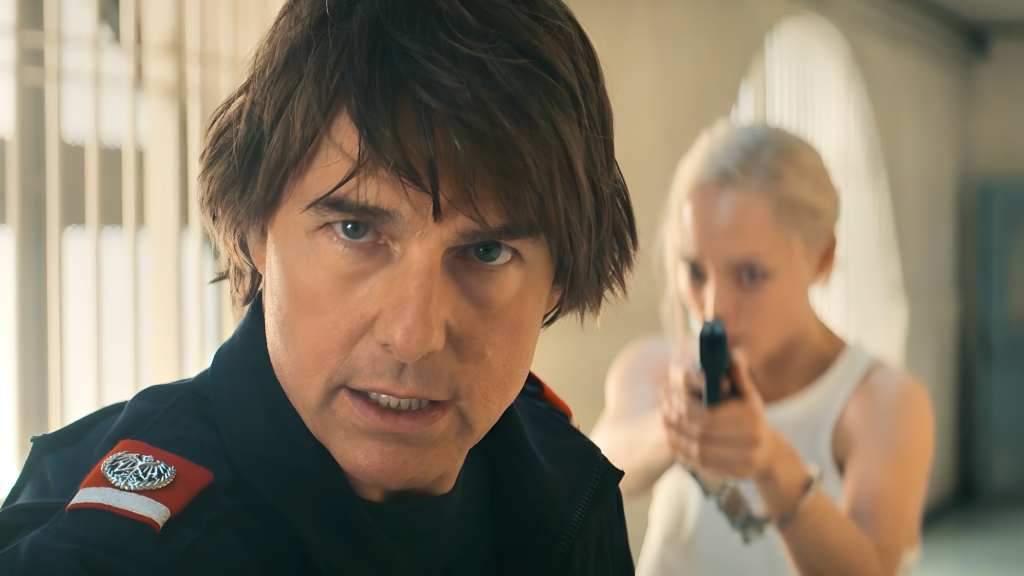
That sounds fine until you realize how much more interesting this might have been if the President had been unstable, corrupt, senile, cowardly, or otherwise unfit for the moment. Instead, she is surrounded by generals and aides debating whether to launch nuclear first strikes against other nuclear powers in a plan that makes no sense whatsoever.
At one point someone suggests taking the nuclear weapons offline so the evil AI cannot access them, and everyone acts like he has suggested fighting the AI with interpretive dance. But isn’t that the obvious move? The previous film seemed to establish that intelligence agencies were already moving sensitive systems offline, hence the stadium filled people with typewriters. So why are Social Security databases and intelligence files apparently safer than the nuclear launch systems? You could drive a nuclear submarine through that plot hole, which is convenient because this movie has one.
Then there are Gabriel’s bombs. He sets up not one but two nuclear bombs, complete with giant green countdown timers, because if you are going to build a doomsday device, it is only polite to let the heroes know exactly how long they have. But the more the movie dragged, the more I found myself asking very basic questions. Where did he get the nuclear bomb? How did he move it? Who delivered the SUV-sized apocalypse device? Did he rent a truck? Did the AI help him parallel park?
These are not the questions you ask when a movie is working. These are the questions you ask when the movie has slowed down enough for your brain to wander into the logistics department.
The Ugly
I genuinely like the Friday the 13th movies. At no point while watching Friday the 13th Part 9 or 10 was I worried about the characters or the plot. I want to see some tits, I want to see a guy with a machete in a hockey mask, I want to hear the “Ki, ki, ki… ma, ma, ma…” music. If the Friday the 13th movie manages those three things, I don’t care if you put Jason in space or Manhattan.
The plot is there to get us between scenes of Jason killing people with a machete, preferably topless people. The plot in Mission Impossible used to be the thing that was between Tom Cruise trying to kill himself. The Final Reckoning turned the plot into the reason for the season. It forgot why the audience was there. (Much like Friday the 13th Part VI: Jason Lives… yes, I am still bitter forty years later.)
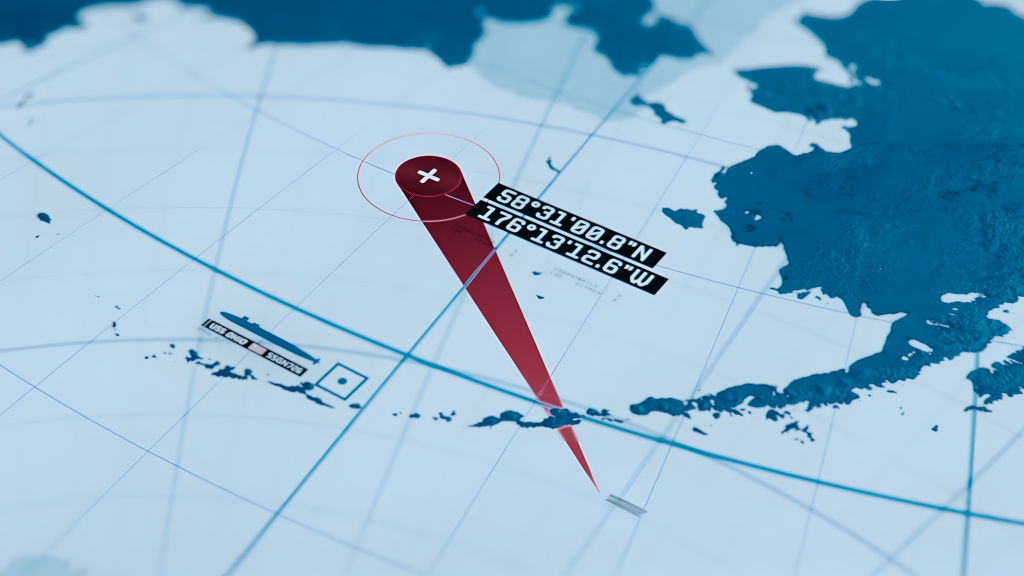
Again, the real crime here is that The Final Reckoning does not feel like it understands what people come to these movies for. It certainly is not for the meetings.
I have complained before that John Wick: Chapter 3 is too long, and it is. But that movie is not lacking in action scenes. It may be too much of a good thing, but at least it knows what the good thing is. The Final Reckoning is both too long and too light on the pleasures of the franchise. It takes forever to get moving, then keeps stopping to remind us that this is very important and very emotional and very connected to other things we may or may not remember.
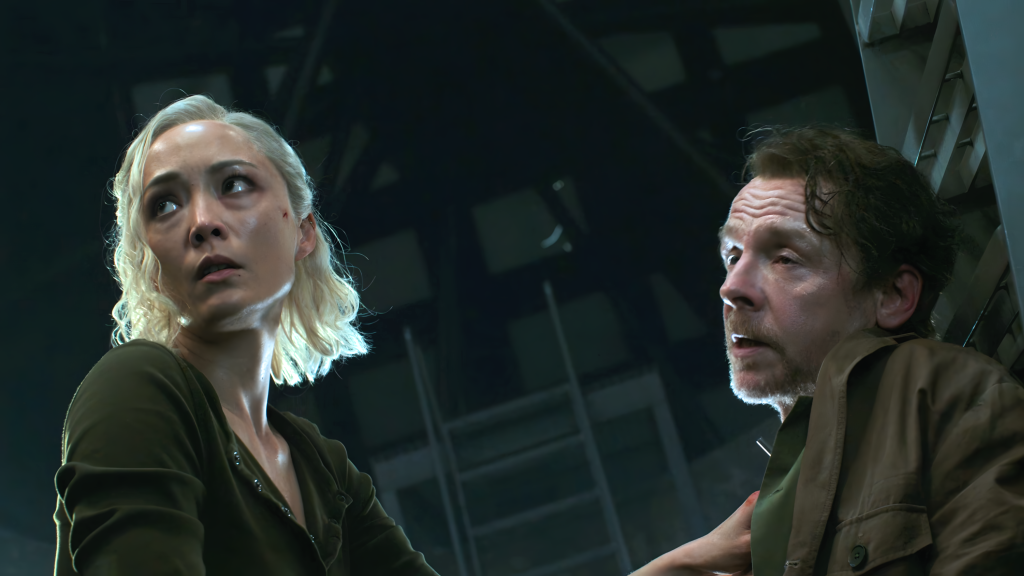
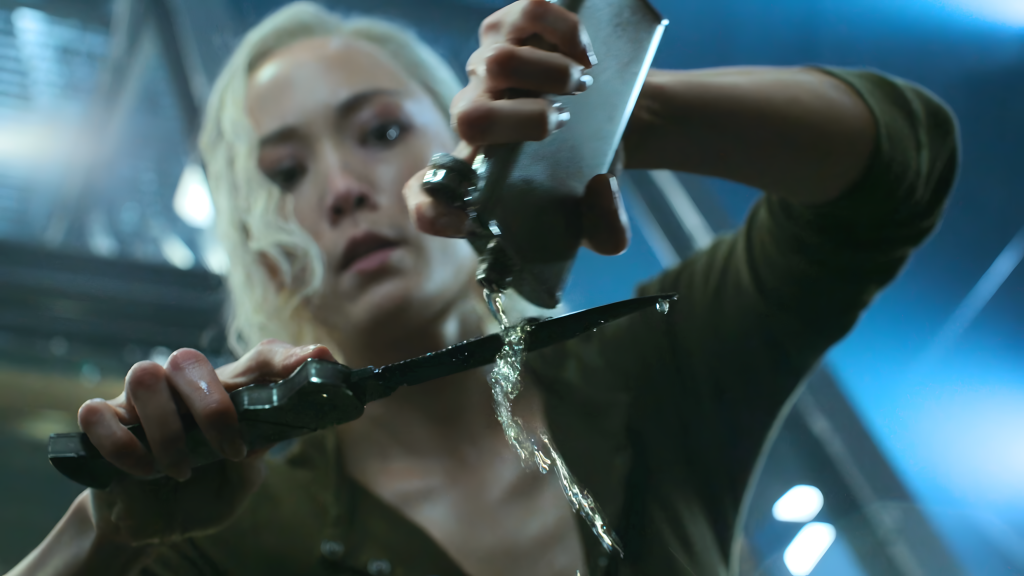
Pom Klementieff is the clearest example of wasted potential. She was easily one of the best things in the previous film, and here she is basically left standing around. She has presence. She has danger. She has style. She arguably has better chemistry with Ethan than the character the movie is actually leaning toward.
And yet she is functionally sidelined. Yes, Hayley Atwell is good. Yes, she and Cruise have some chemistry, which anyone who saw The Mummy can tell you is not guaranteed with Tom Cruise and his female leads. But Pom Klementieff is right there, and the movie seems weirdly uninterested in using her either as a love interest or a kick ass action star.
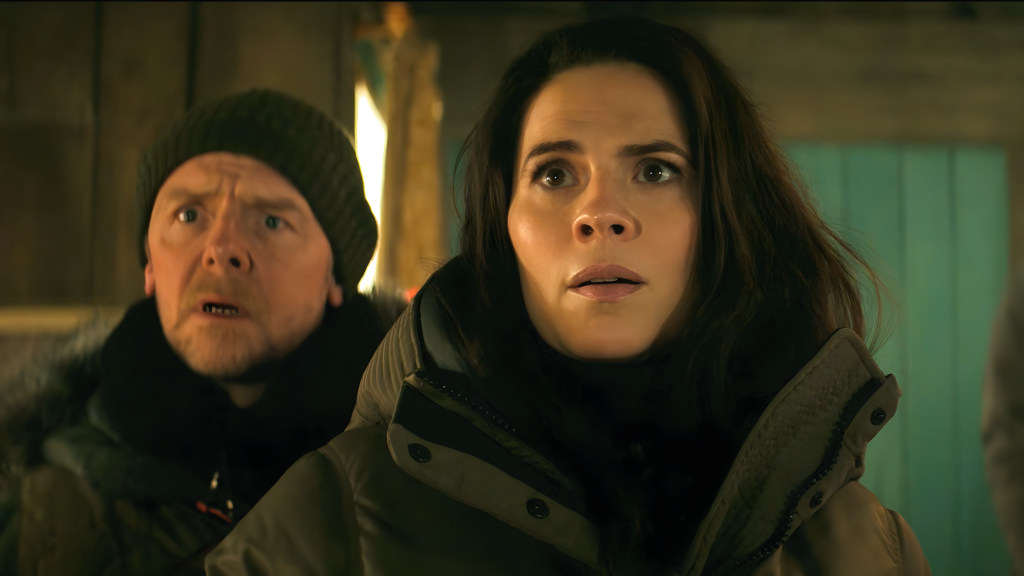
There is also a strange emotional overreach throughout the film. Characters die nobly. People look solemn. The movie flashes back to Ethan’s wives, girlfriends, friends, enemies, allies, acquaintances, former coworkers, and possibly his dry cleaner. But I did not feel the grand emotional catharsis the movie clearly wanted me to feel. I like this franchise. I genuinely like several of these movies. Fallout is almost a perfect action film. But liking a series is not the same thing as wanting it to stop every ten minutes so it can hold up a scrapbook and ask me to cry.
Some may argue this one is “for the fans,” but I do not think that is quite right. Being for the fans does not mean turning the movie into an overlong museum tour. The lesson of franchise filmmaking should not be “connect everything to everything else until the story collapses under the weight of its own references.”

A Mission: Impossible plot should function like connective tissue between sequences where Tom Cruise tries to kill himself for our entertainment. That is the deal. That is the sacred covenant. We get a little intrigue, a little spy nonsense, a few masks, a few betrayals, and then Tom Cruise climbs a building, flies a helicopter, jumps a motorcycle off a cliff, or otherwise makes us wonder whether the man has ever met a safety briefing he could not defeat.
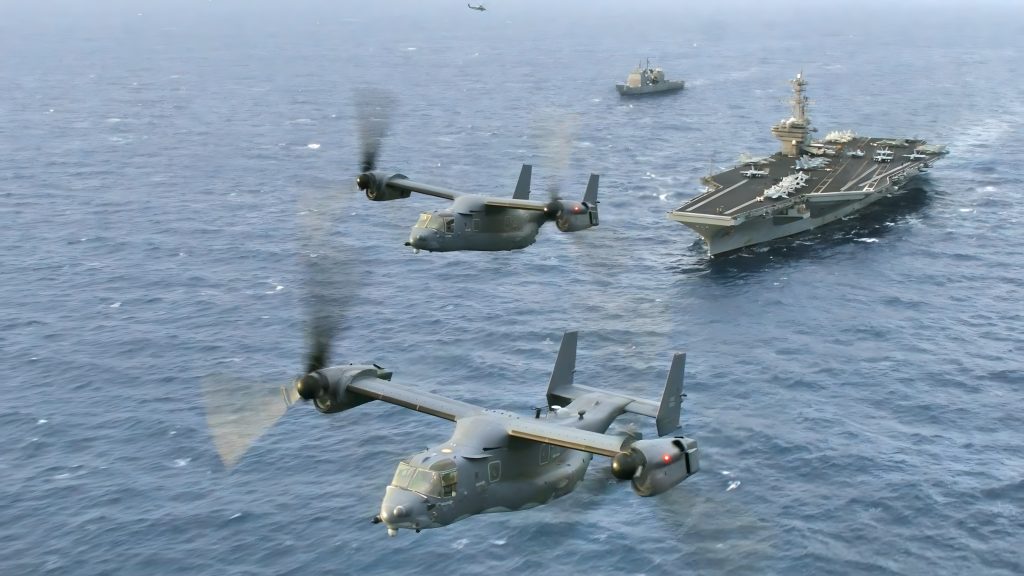
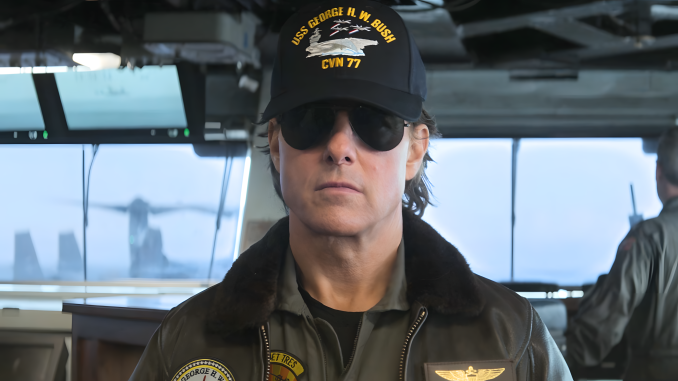
This movie keeps Tom Cruise strangely safe for long stretches. Assuming the film is with Ethan at all. We get endless minutes of cabinet meetings with President Angela Bassett, whose entire storyline should have been a one-scene cameo. (The”I need an aircraft carrier” scene can stay)
In Conclusion
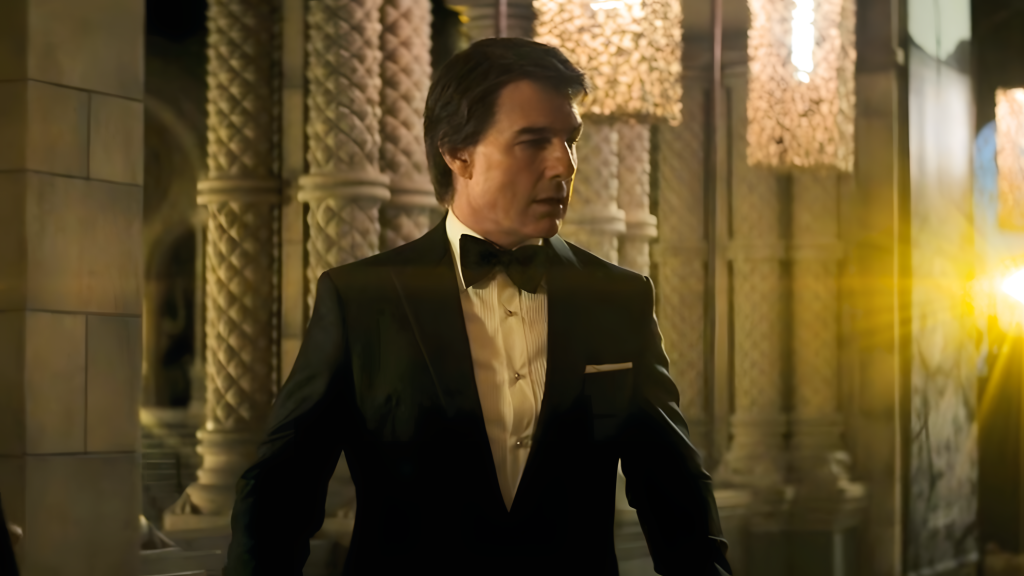
Mission: Impossible – The Final Reckoning is not a disaster, but it is a disappointing send-off. It has moments that work, a few sequences that remind you of better entries, and one genuinely lovely callback that understands how to use franchise history without smothering the scene in it. But it is also bloated, over-explained, under-energized, and saddled with a villain and threat that never feels worthy of a final chapter.
The Mission: Impossible series has given us some of the best action filmmaking of the modern era. Fallout remains the gold standard: lean, propulsive, physically thrilling, and emotionally clear without becoming self-important. The Final Reckoning wants to be the grand summation of everything that came before it, but too often it mistakes scale for stakes and nostalgia for drama and thrills.