Neither Shaken nor Stirred
The Other Fellow (2022): 5 Out of 10: There are basically two ways to make a documentary.
The first is to find a subject so inherently fascinating, bizarre, or horrifying that the material does most of the work for you. The Imposter is a good example. Not that it’s an easy documentary to make well, but when your premise is that insane, you have a much more interesting road. (Even if you drop the ball a bit, such as 2004’s Capturing the Friedmans it can still be memorable years later.)
The second way is much harder. You take a subject that sounds utterly mundane on paper and somehow turn it into something riveting. Errol Morris built a career doing exactly that. He could make a documentary about a stapler and by the end of it you’d be questioning reality, capitalism, and whether the stapler itself had committed a war crime.

The Other Fellow falls firmly into that second category, or at least it wants to. Because this is, at the end of the day, a documentary about people named James Bond. That’s it. That’s the premise. These people do not share a secret government past, an international criminal conspiracy, or a support group for men traumatized by Vesper Martinis. They just happen to be named James Bond.
And honestly? The film is about as good as a documentary on that premise was probably ever going to be. Which is both a compliment and a problem.

Plot Synopsis
The documentary interviews a number of men named James Bond, some of whom were born with the name before the films turned it into global shorthand for suave espionage masculinity, and some of whom have spent their whole lives dealing with the endless consequences of carrying one of the most famous fictional names in the world.
That means the usual stories crop up: people not believing their real name is James Bond, jokes every time they introduce themselves, the occasional use of the name to impress women, and renewed annoyance every time a new Bond movie comes out and the whole cycle starts all over again. Good news for them on that front: with the Bond franchise moving at glacial speed, they may get a little time off.

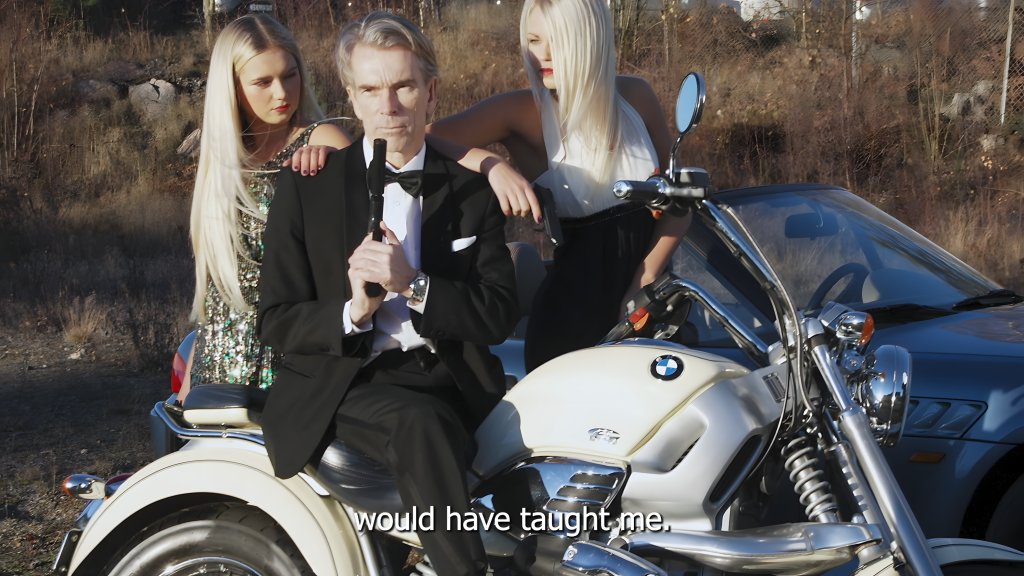
The documentary opens with what appears to be the most extreme example possible: a Swedish man who has gone full Bond. He wears tuxedos everywhere, puts 007 on his house despite the house actually being number 10, and generally behaves like a man who saw the character James Bond and decided to convert to it as a religion. The townspeople quite understandably seem to regard him as a lunatic.
Then the movie reveals that he wasn’t even born James Bond. He legally changed his name. Which shifts the whole thing from quirky to sad in a hurry. His father, apparently a high-ranking Nazi deserter who fled to Sweden, later abandoned the family in classic “went out for cigarettes and never came back” fashion, and the Swedish Bond begins to feel less like an amusing eccentric and more like a man who built himself a fantasy identity because the real one was too ugly to live with.

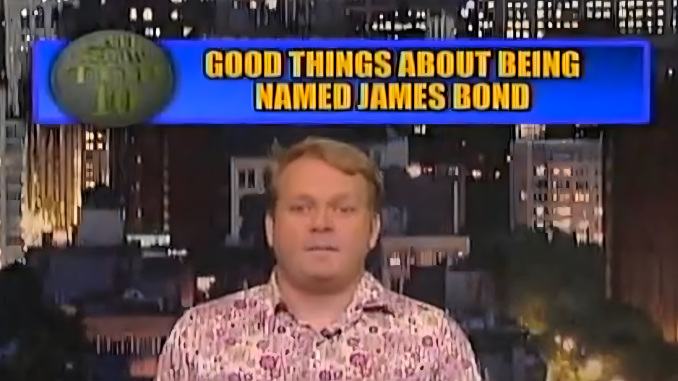
From there we meet other Bonds, including a New York theater director who claims to hate the Bond jokes and the endless “Bond, James Bond” routine, yet somehow has no trouble cashing in on the gimmick whenever it gets him on Letterman or in an ad campaign. He insists he resents the whole thing right up until the moment it becomes useful to his career, making him less sympathetic than he probably intends.
He does, however, get one of the movie’s better stories when a Daily News reporter doing a profile of his home takes one look around and quickly realises that the angle is not “super spy chic” so much as “the gay James Bond,” to which he basically shrugs and says that really isn’t him either.
The film also heads to South Bend, Indiana, because apparently one James Bond in South Bend was not enough and the universe decided two would be funnier. One of them is tied to a murder and robbery case, while the other starts getting texts from confused people who think he’s the wanted James Bond. (The fact that one of them is a youngish African American, and the other is exactly what you would picture if you said Trump, redneck, Indiana makes it all the funnier)
There is also a woman with a deeply disturbing backstory involving an abusive psychopath husband, stalking, threats, and a system that seems utterly unable to protect her. She eventually changed her son’s name to James Bond because it’s difficult to search and easier to disappear behind. Which makes a certain amount of practical sense right up until she then participates in a documentary about it, which seems like maybe not the most airtight witness-protection strategy ever devised.
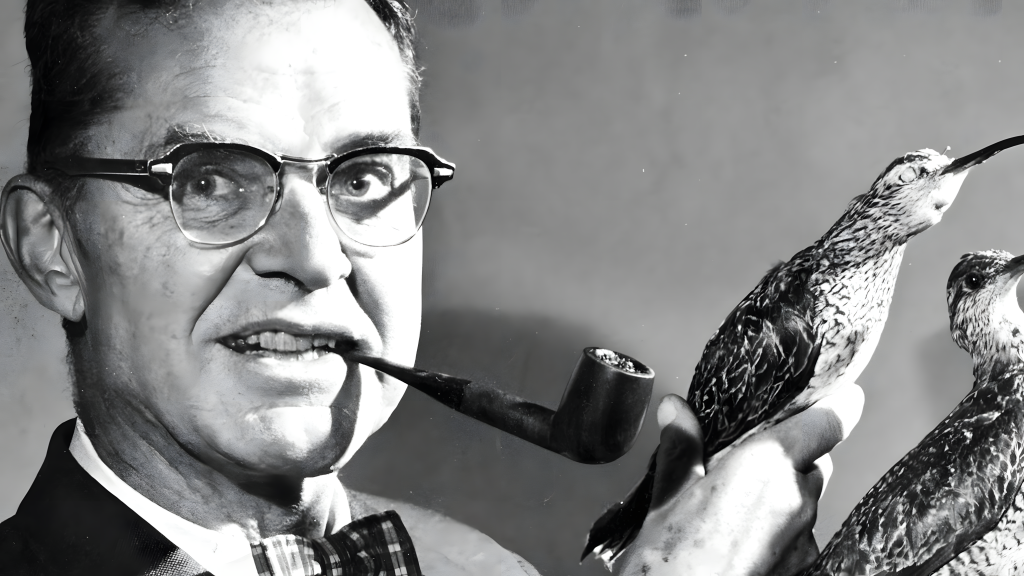
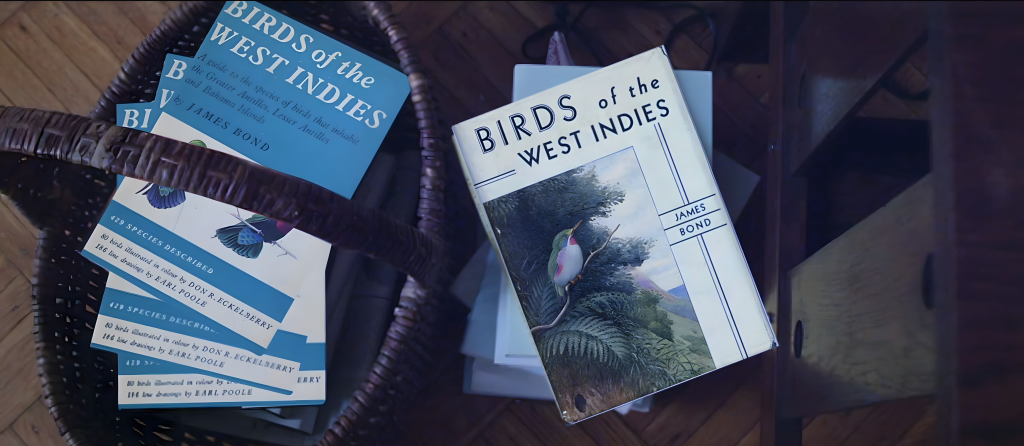
Interspersed throughout all this is the story of the original James Bond, the American ornithologist whose book on the birds of Jamaica gave Ian Fleming the name. This turns out to be one of the more charming parts of the film, especially when Bond’s wife writes Fleming in a huff, threatening legal action and defending her husband’s good name. Fleming, to his credit, responds like a complete class act, saying he probably deserves to be sued, Mr. Bond is welcome to his own name, and if he ever finds a particularly unpleasant bird he should feel free to name it Ian Fleming. Eventually the Bonds visit Fleming in Jamaica; everybody behaves like adults, and it all becomes rather delightful.
That’s the documentary in a nutshell: a series of stories ranging from amusing to melancholy to bizarre, all tied together by the fact that everyone involved either is or once became James Bond.

The Good
Foremost, this is a very handsome documentary. The money is on the screen. It looks polished, glossy, and expensive in that modern streaming-doc way where every establishing shot has drone footage, every transition has a little glide to it, and every anecdote is framed like it might secretly unlock some profound truth about identity. Even when the material is thin, the production values are not.
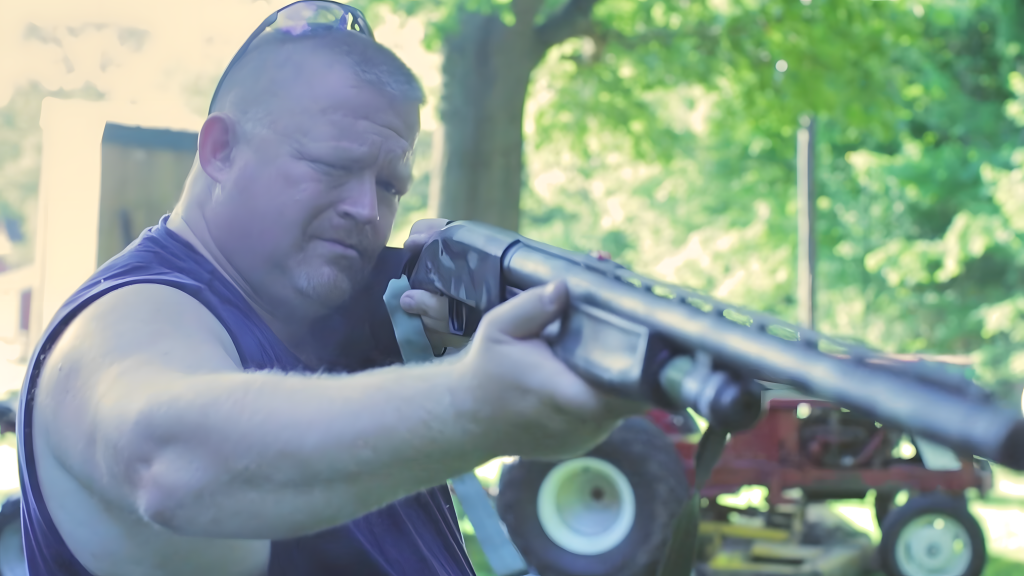
Secondly, some of the individual stories are really interesting. The South Bend material is strong, particularly when the two very different James Bonds end up connecting. One of the more pleasant surprises in the film is seeing a Black James Bond tangled up in a criminal case and a fat white James Bond who does charity work and supports Trump nevertheless get along just fine. There’s something unexpectedly human there, and for a moment you can almost see the documentary the film wanted to be.
Likewise, the material involving the real James Bond and Ian Fleming is delightful. That entire strand has wit, history, and actual personality. Mrs. Bond in particular comes off wonderfully, especially when she notes that Fleming probably only felt free to steal the name because her husband was American and not British. That is a sharp line and the kind of detail the rest of the documentary could have used more of.
And finally, the movie does the best it can with a premise that could very easily have become a one-note novelty. I can absolutely imagine a much worse version of this film.
The Bad
The biggest problem is that by about the halfway point, I was still unclear on what the actual purpose of the documentary was.
The stories are interesting enough, sure, but there is no real through-line. No emotional arc. No central question beyond “gee, isn’t it odd to be named James Bond?” The film keeps circling the same low-level observations about hotel check-ins, introductions, bad jokes, and whether anyone ever thought about changing their name, but none of that adds up too much. A premise is not the same thing as a point.

The other problem is that several of the participants undercut their own stated complaints. The New York theater director is the clearest example. If you truly loathe being called James Bond, perhaps don’t go on television as “the other James Bond” whenever it benefits your career. More broadly, if these people genuinely hated the name and the attention it brought, they would not be appearing in a documentary built entirely around it. At some level, they are all leveraging the gimmick, and the film never really interrogates that contradiction.
That’s the issue. You could probably do a documentary about fifty people with almost any culturally loaded name and find three or four interesting stories. That does not automatically make the subject meaningful. The Other Fellow never quite figures out what binds these people together beyond coincidence and irritation.

The Ugly
The ugliest material in the documentary is easily the story involving the abused woman and her son. Not because it is badly handled, necessarily, but because it raises questions the documentary is not equipped or perhaps not interested enough, to answer. If this man were truly as dangerous and persistent as described, why exactly were the authorities so ineffective? Why does the story become “look how strange it is that someone renamed their son James Bond” instead of “why did the system fail this woman so completely?”
And then there is the uncomfortable reality that her solution is to disappear under a deliberately hard-to-search name while simultaneously taking part in a documentary about it. I do not want to be too glib here because the underlying story is awful, but that logic creaks a bit.

There’s also something a little ugly in opening the film with the Norwegian fake Bond. He is memorable, yes, but he is not really representative of the rest of the documentary at all, and once you learn his backstory, the whole thing stops being amusing eccentricity and starts feeling more like unprocessed trauma in a tuxedo.
In Conclusion
The Other Fellow is probably about as good as anyone was going to make a documentary about five or six random people named James Bond. It is polished, occasionally amusing, intermittently touching, and blessed with a couple of genuinely memorable stories. It is also, unfortunately, a bit empty.
This is not an Errol Morris documentary. It does not take an odd little premise and uncover something profound beneath it. Instead, it has the glossy, prefab feel of a modern streaming documentary: pretty shots, smooth editing, multiple lightly connected stories, and the vague suggestion of depth rather than the real thing. It feels stamped out of the same factory as a lot of Netflix nonfiction, even when it’s doing better work than the average example.

I didn’t hate it. I didn’t resent the time I spent with it. But I also can’t imagine watching it again, and I definitely can’t imagine urgently recommending it to someone else. It is interesting in the moment, but unlike a truly good documentary, almost nothing here lingers.
It’s a decent film about a mildly amusing idea. Sometimes that’s enough.
Sometimes it isn’t.