Jar Jar Binks… Menace II Society
Star Wars: Episode I – The Phantom Menace (1999): 4 out of 10: There are certain movies that almost demand a revisit. Time passes, the discourse changes, your own tastes shift, and what once seemed like a disaster can reveal unexpected virtues. I’ve had that happen more than once. Galaxy Quest is a good example. The first time I saw it, it did little for me. Years later, with a different set of eyes, I appreciated it enormously. You never step in the same river twice, and all that.
So I went back to The Phantom Menace with an open mind. After all, it’s been about twenty-five years. The Disney sequels have done a remarkable job of lowering the bar for what a bad Star Wars movie can look like. Maybe George Lucas had been judged too harshly. Maybe Jar Jar Binks had been unfairly scapegoated. Maybe this was one of those movies that played better once the hysteria died down.
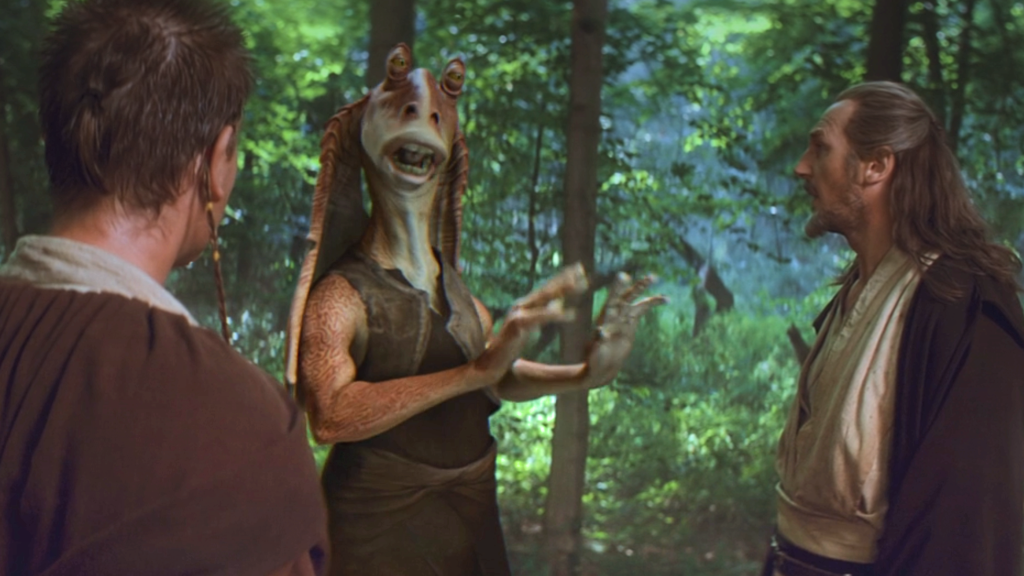
Well, no. As it turns out, I hate Jar Jar Binks even more now than I did back then. That’s actually impressive in its own way.
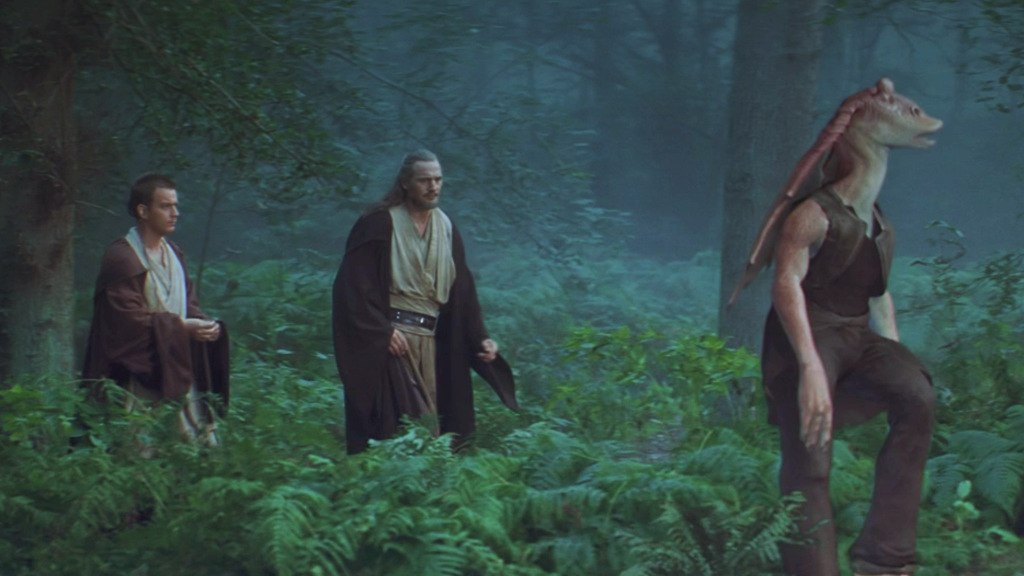
This is a movie with a lot of problems, and I do mean a lot, but possibly none greater than Jar Jar himself. Every second he’s on-screen is a fresh assault on the nerves. He’s not quirky, he’s not charming, and he’s not lovable comic relief. He is a shrieking, flailing catastrophe who drags the tone of the entire film down with him, and when the movie ends with what feels like a New Orleans-style victory parade full of Jar Jar and his swamp friends, the secondhand embarrassment becomes almost physical. It’s less a finale than an endurance test.
Still, before I bring out the flamethrower, let’s be fair.
The Good
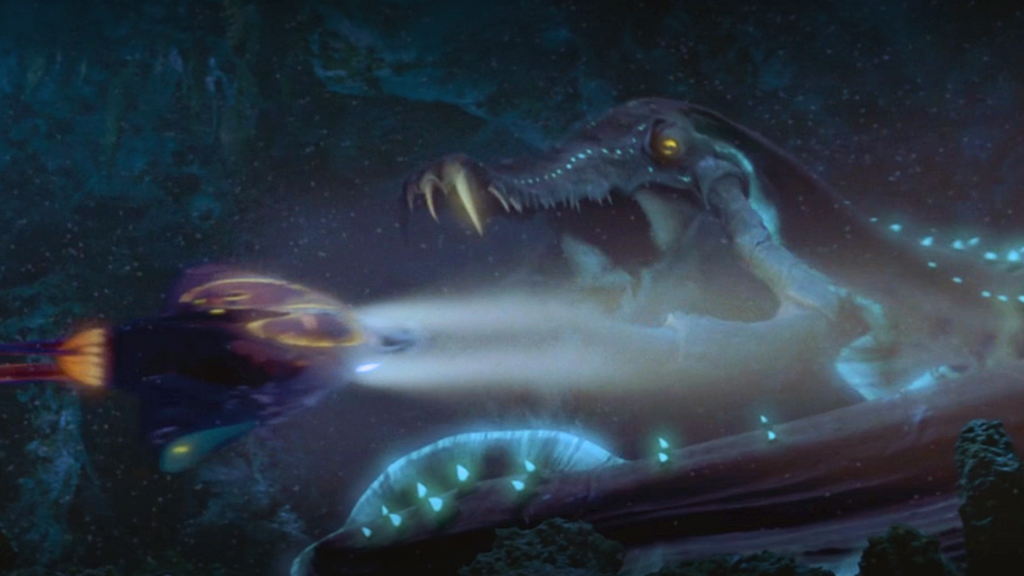
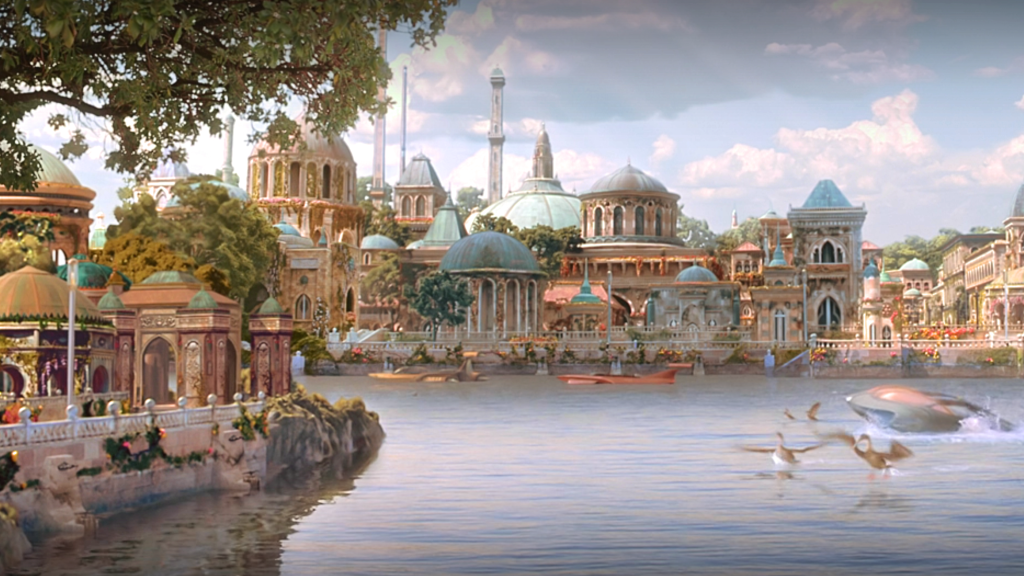
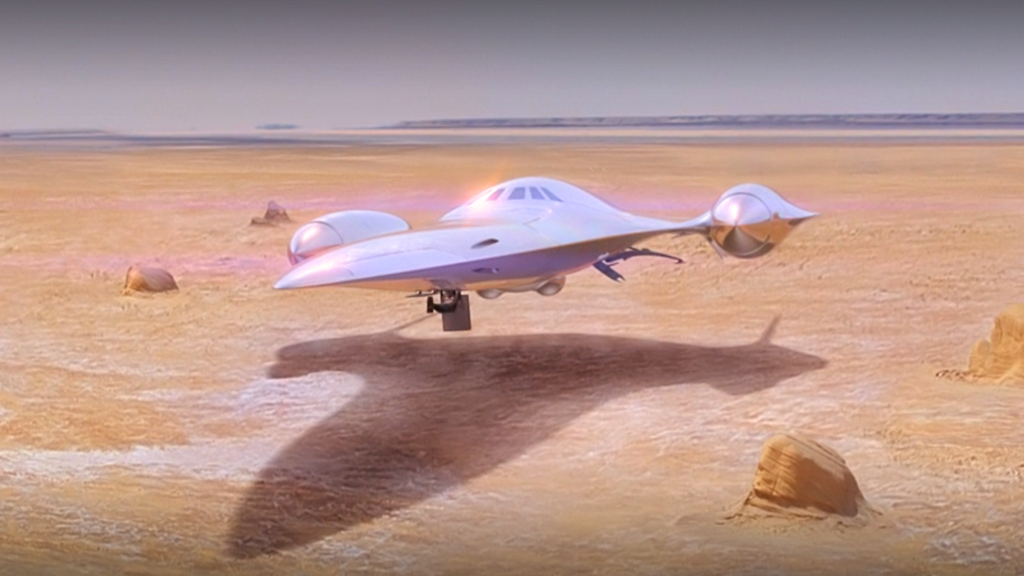
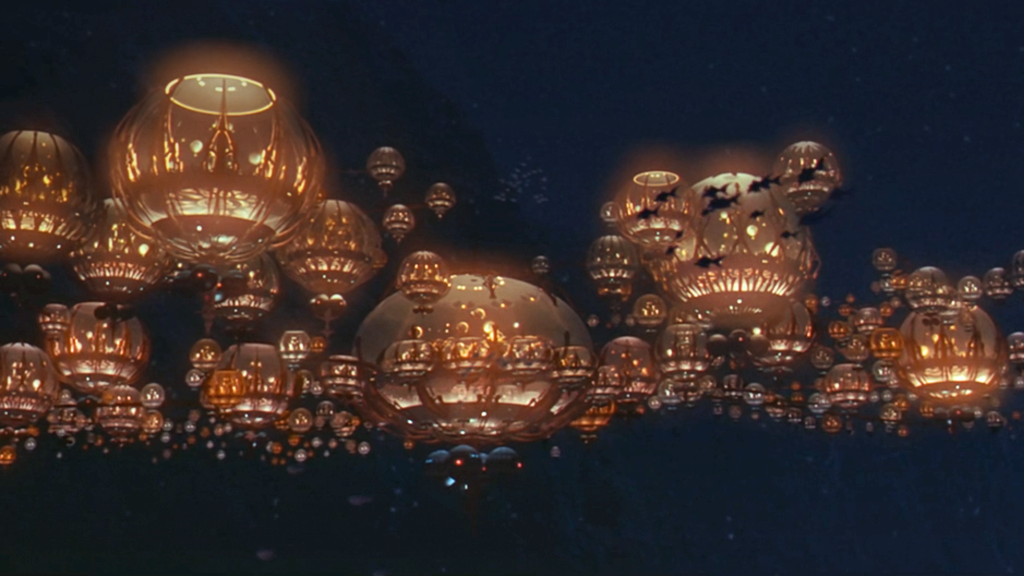
For all its faults, The Phantom Menace does have some things going for it. The special effects are often excellent, particularly for their time, and some of the new ship designs are genuinely fun. Lucas may have lost the plot in a number of ways, but visually he still knows how to build an interesting universe. There’s a tactile creativity here that at least gives the film some visual personality.
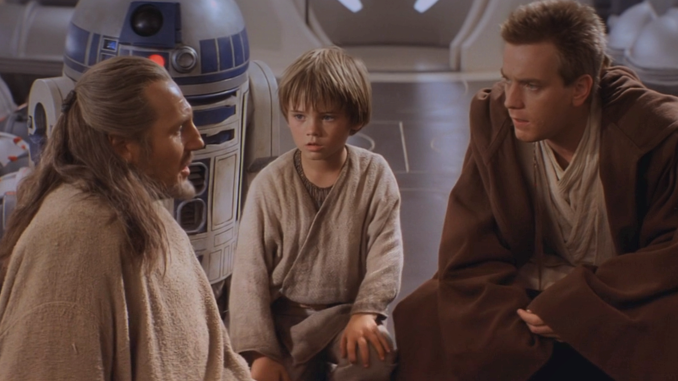
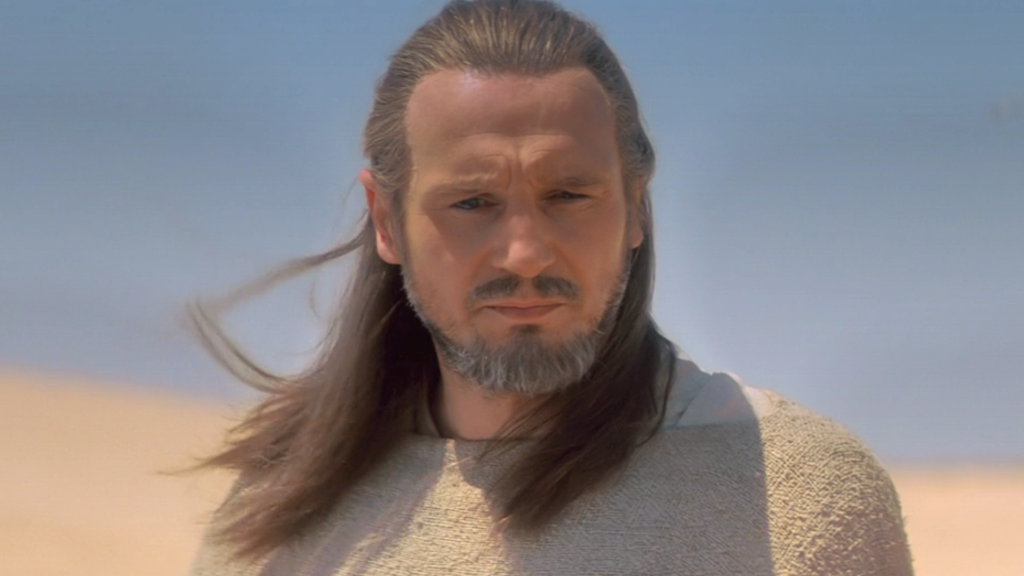
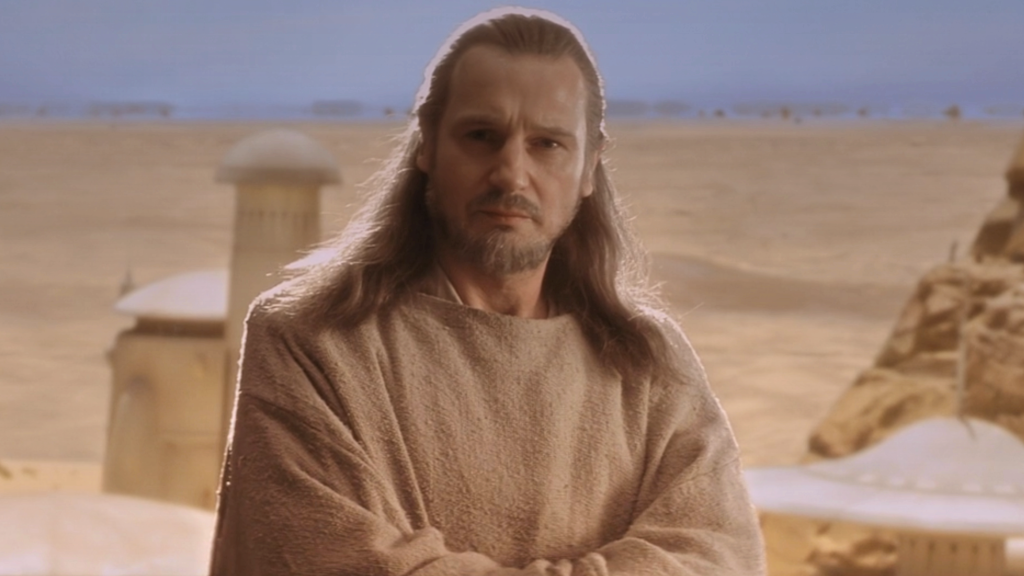
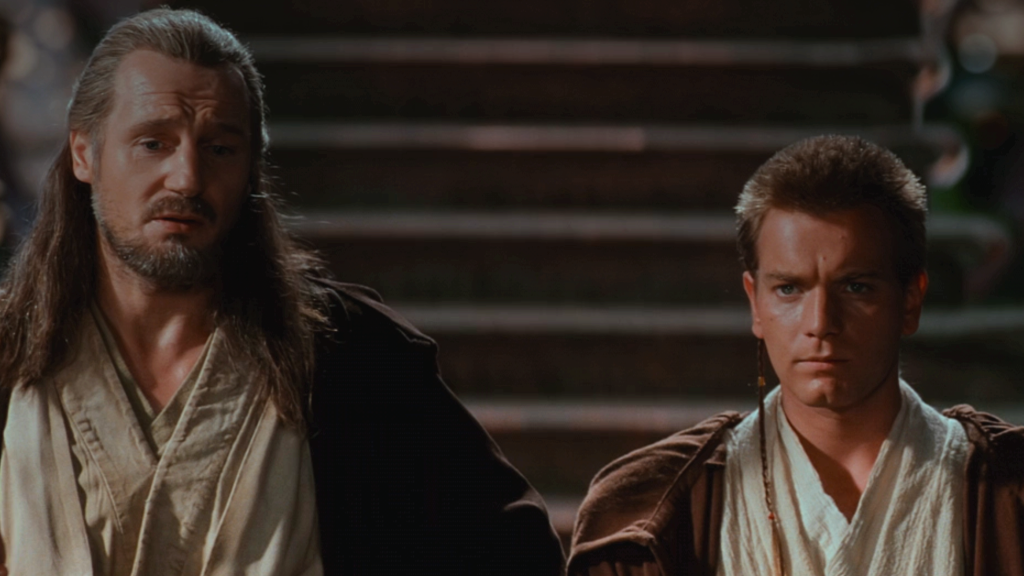
Liam Neeson is, as always, a welcome presence. I wouldn’t say he’s great in the movie, but I like Liam Neeson in just about anything, and his natural gravitas helps steady the ship whenever the screenplay starts taking on water. Ewan McGregor is also quite likable as Obi-Wan Kenobi, although I do have serious concerns about that hair. I don’t know what possible future any self-respecting male, let alone a Jedi Knight, thought that hairstyle represented, but if you can get past that, he’s a solid presence.
John Williams, meanwhile, once again proves that he is some kind of musical sorcerer. The soundtrack overall is very good, but the villain music absolutely knocks it out of the park. “Duel of the Fates” arrives as if it were beamed in from a better movie, and for a few glorious minutes it almost convinces you that you’re watching one.
I also got a kick out of Palpatine, who in this film looks so much like Senator Joe Lieberman that I kept expecting him to start giving a speech about bipartisan evil. He’s not literally playing Senator Lieberman of Connecticut, of course, but the resemblance is amusing enough that I’m counting it as a source of entertainment.
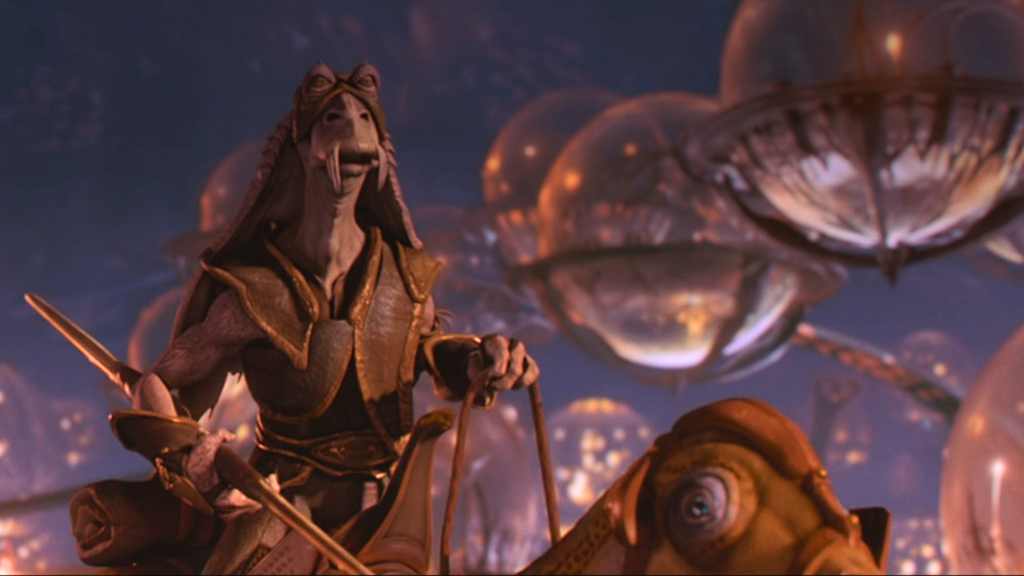
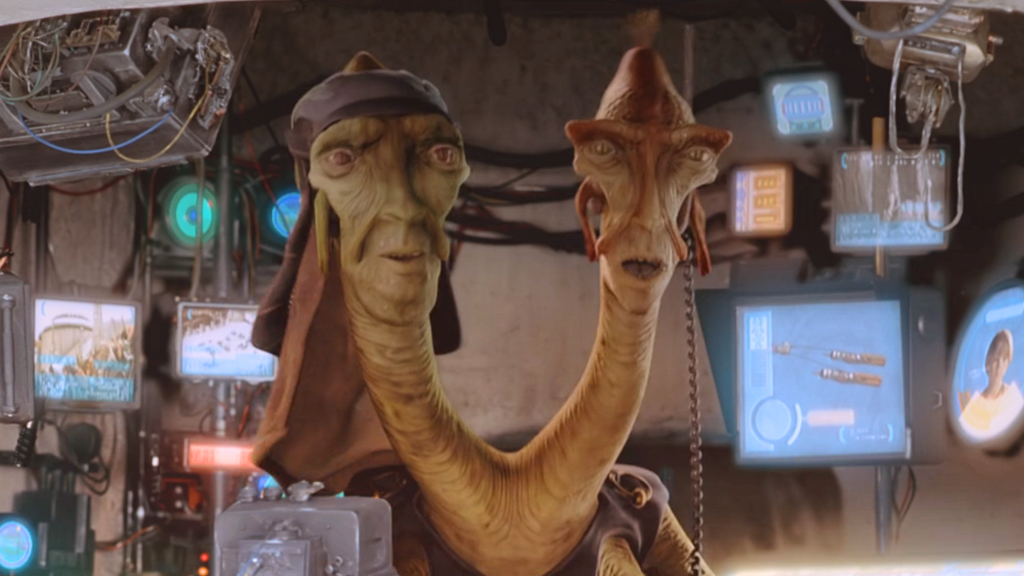
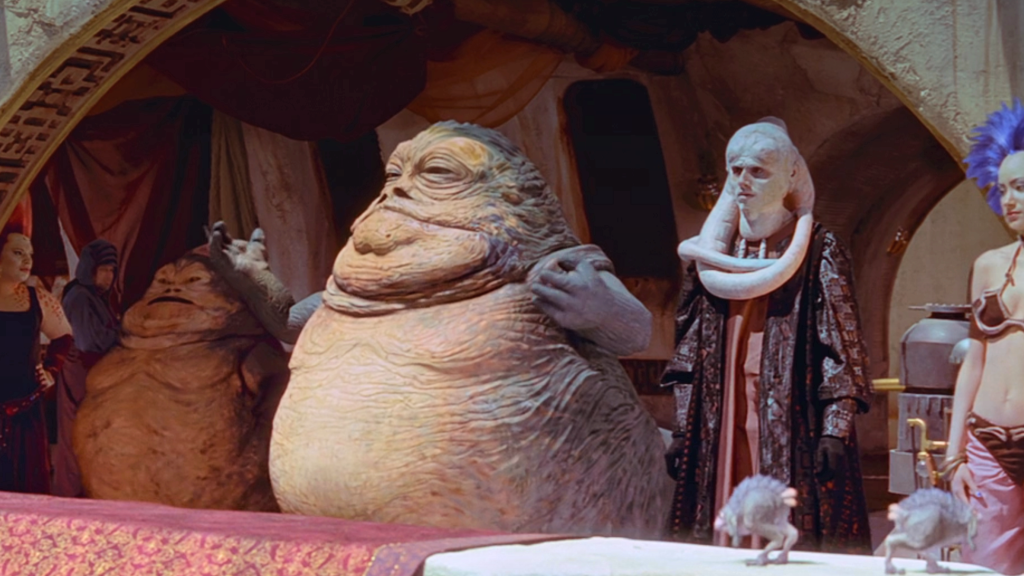
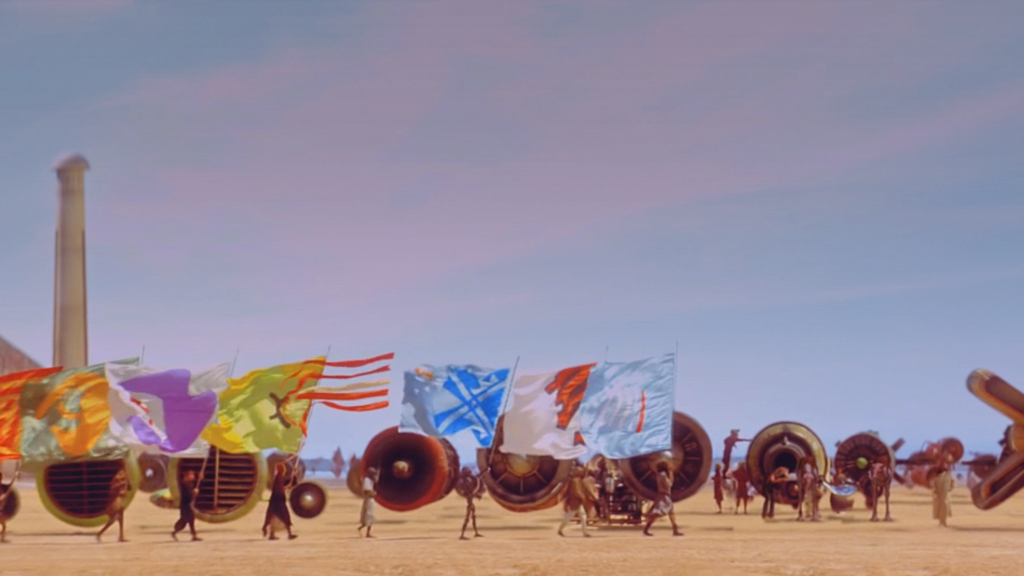
And then there’s the pod race, which really works. On paper, it sounds ridiculous. A tiny child enters a dangerous race; there’s gambling involved, and somehow this becomes the centerpiece of the film. Yet it’s exciting, well-staged, visually inventive, and just plain fun. It also gives the movie room for colorful little cameos from Jawas, Jabba the Hutt, and assorted weirdos from the Star Wars toy box. It shouldn’t work, but it absolutely does.
The Bad
Unfortunately, once you get beyond those bright spots, the problems start piling up in a hurry.
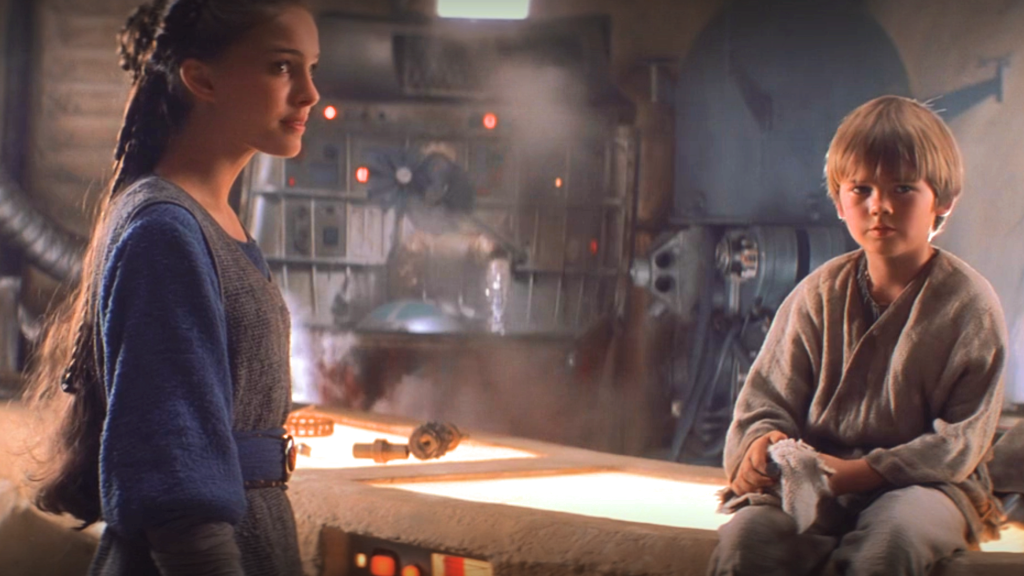
Let’s begin with Anakin Skywalker, who in this movie is more or less Space Jesus. Not metaphorically. Literally. He’s apparently born of a virgin birth because George Lucas had clearly been reading Joseph Campbell and decided that if Campbell said mythical heroes often have virgin births, then by God, his little desert kid was going to have one too. This is one of those ideas that probably sounded profound in outline form and gets sillier the longer you think about it.
Then we get the midi-chlorians, which remain one of the all-time great unforced errors in blockbuster filmmaking. The Force, previously a mystical energy field with philosophical and spiritual resonance, is suddenly explained as some sort of blood-based biological condition.
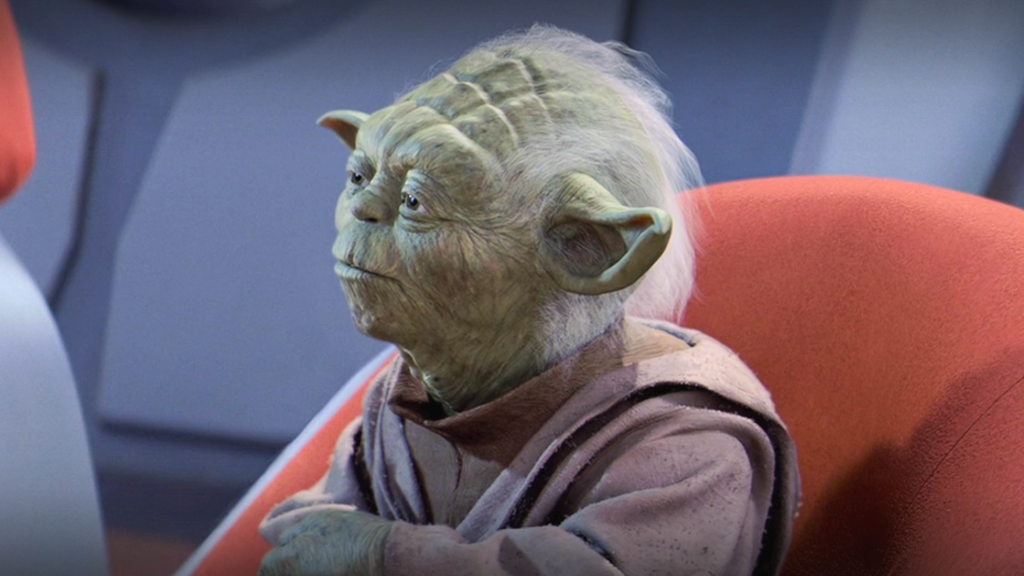
It’s as if Lucas looked at one of the most elegant ideas in the original trilogy and decided it needed to be turned into a lab result. Yes, it’s a stupid idea. Yes, it diminishes the Force. Yes, it strips away a good deal of what made it compelling.
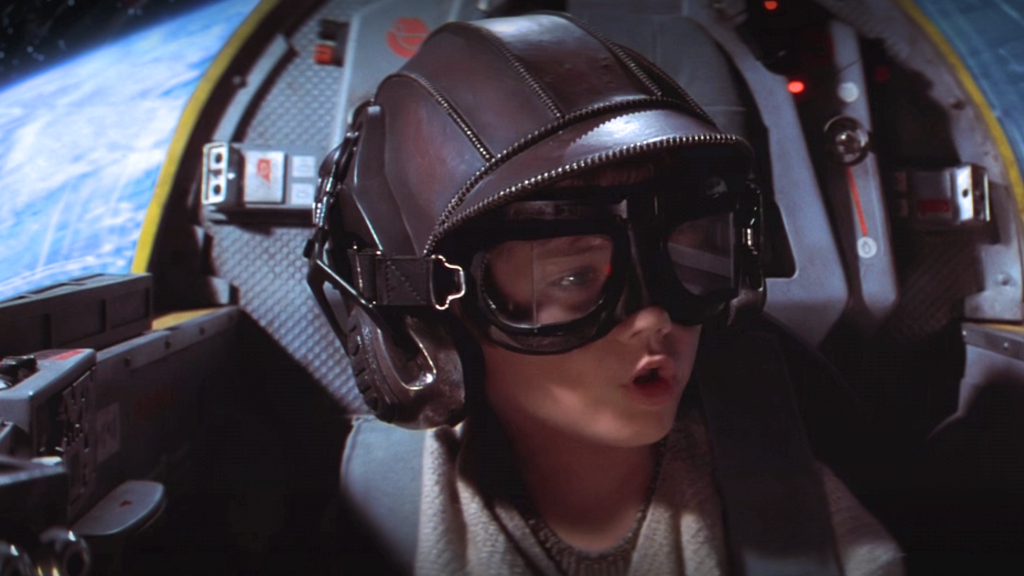
A lot of criticism over the years has been aimed at Jake Lloyd, and I think that’s largely unfair. He’s not good here, but he’s hardly the only one. In fact, half the cast sounds like they’re speaking a foreign language phonetically and were dubbed later.
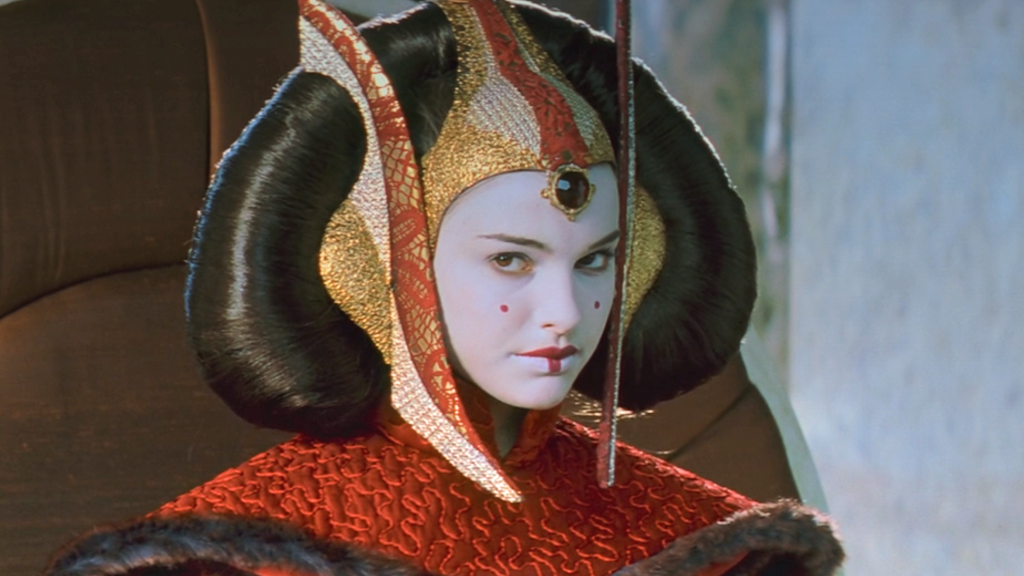
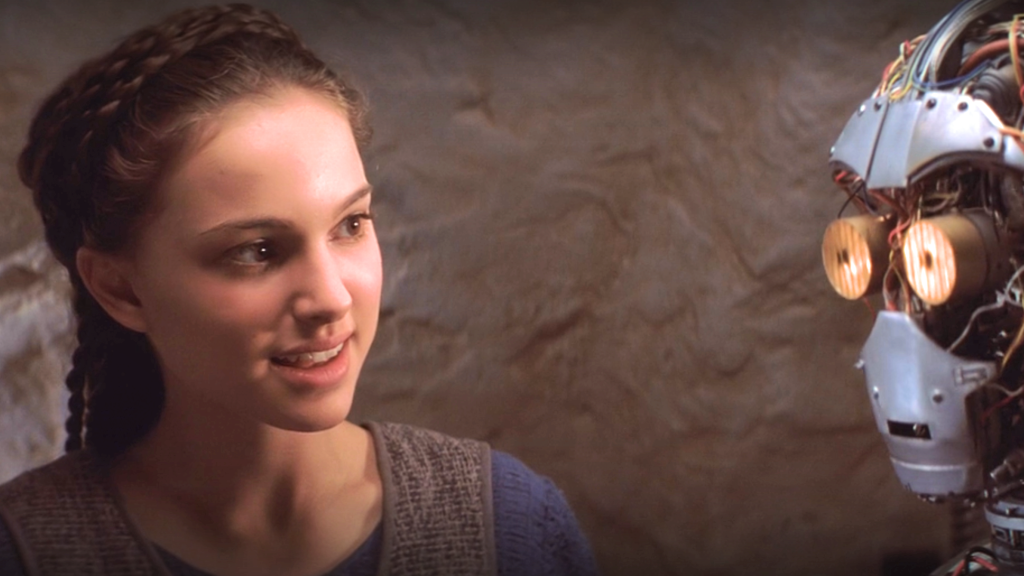
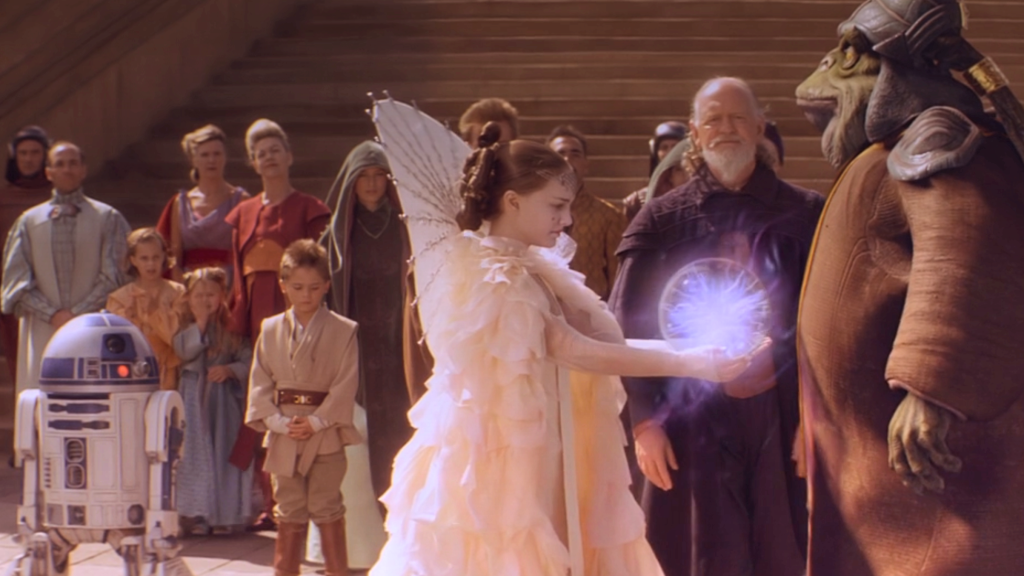
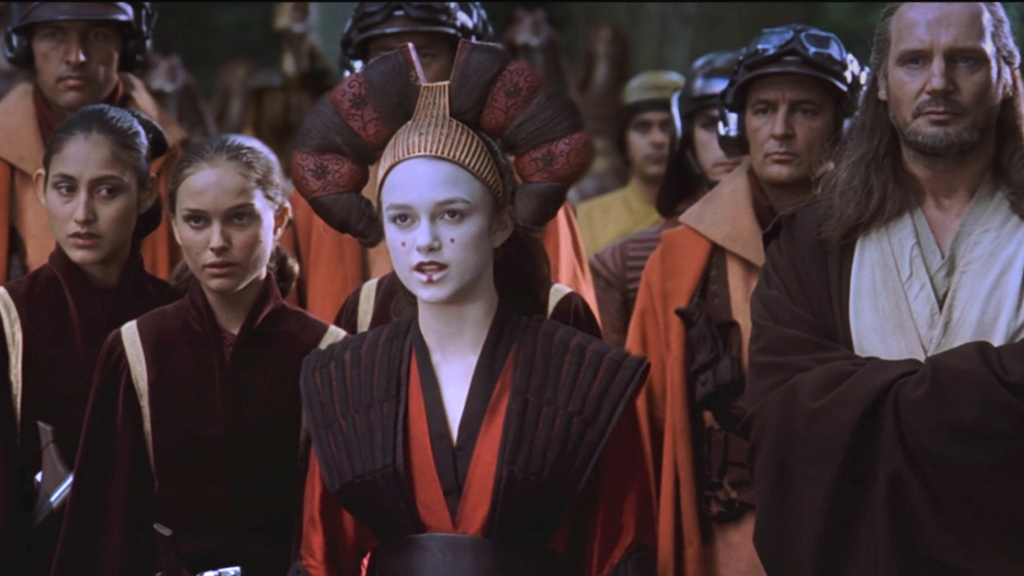
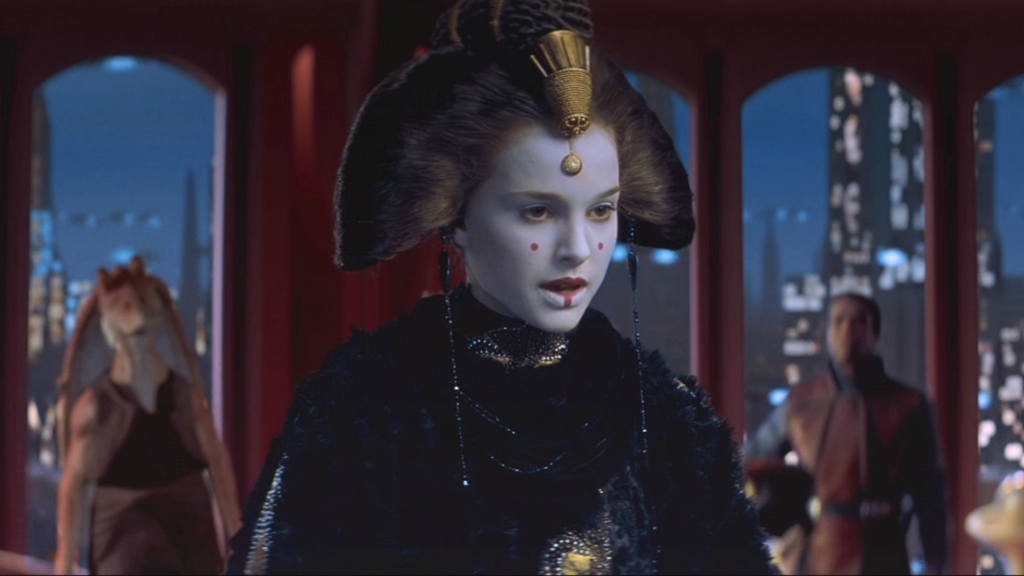
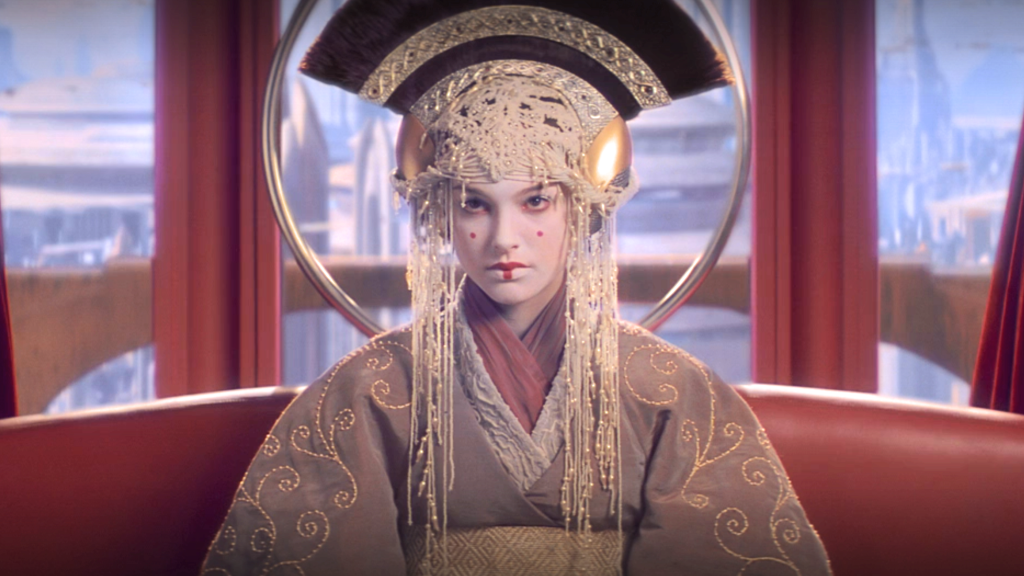
Jake’s mother sounds like she wandered in from a Swedish art film. Natalie Portman, a very talented actress even then, is stiff and awkward throughout large stretches of the movie. At a certain point, when seasoned actors and child actors alike are all stumbling over the material, the finger stops pointing at the performers and starts pointing directly at the dialogue and direction. George Lucas has many gifts. Writing human conversation is not one of them.
Darth Maul is another mixed bag. I love the music, I like the lightsaber, and visually he certainly makes an impression. But the character himself is so aggressively, obviously evil that he circles around from threatening to faintly ridiculous. There’s not much ambiguity to a villain whose face is painted like the devil and whose head looks like he lost a fight with a Spirit Halloween store. At times he comes off less like the embodiment of fear and more like someone who wandered over from the Gwar concert.
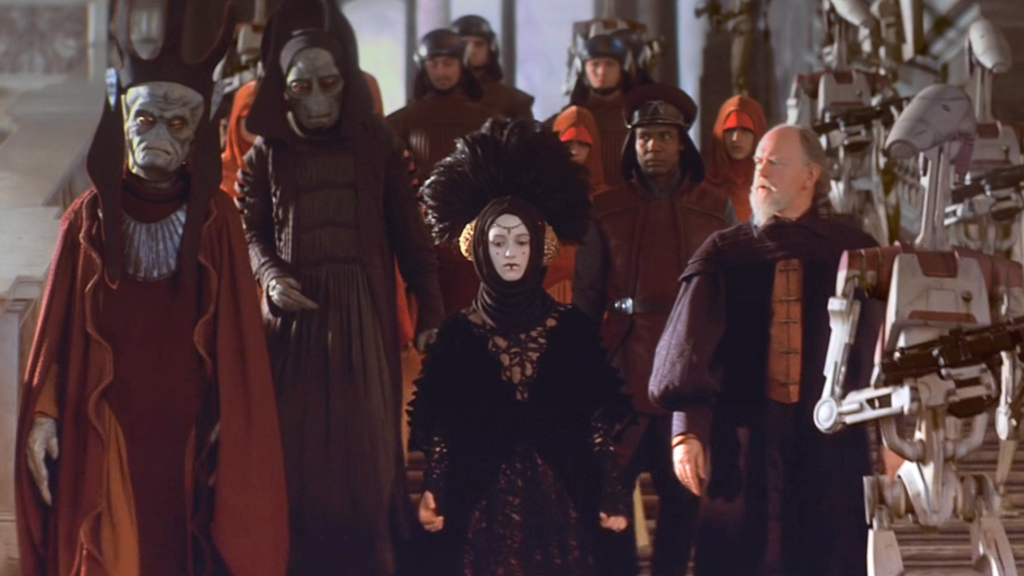
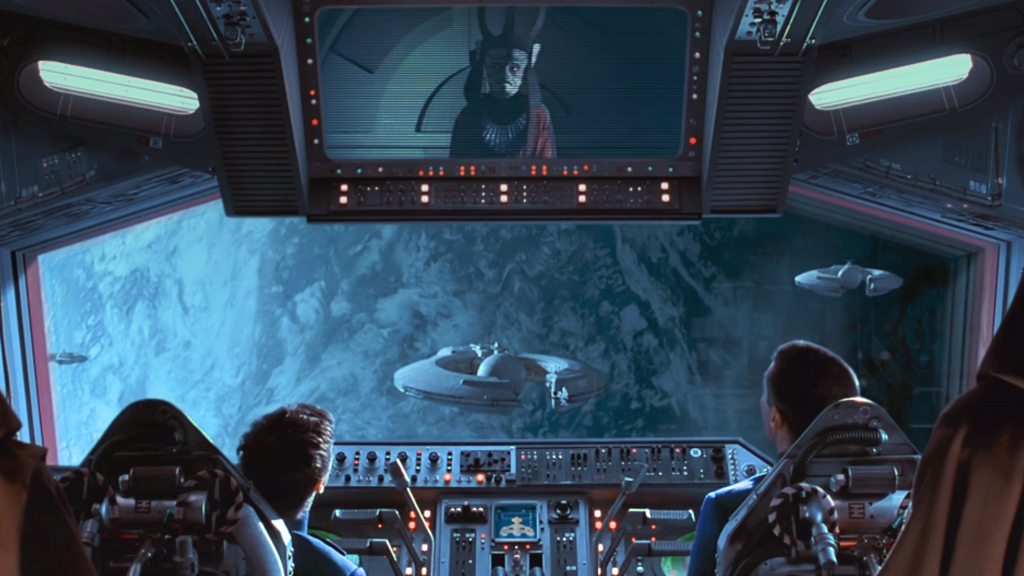
Then there’s the Trade Federation plot, which I did not understand the first time I saw this movie and still don’t fully understand now. What I understand even less is the logic of creating a giant robot army that can be shut down by destroying one control ship.
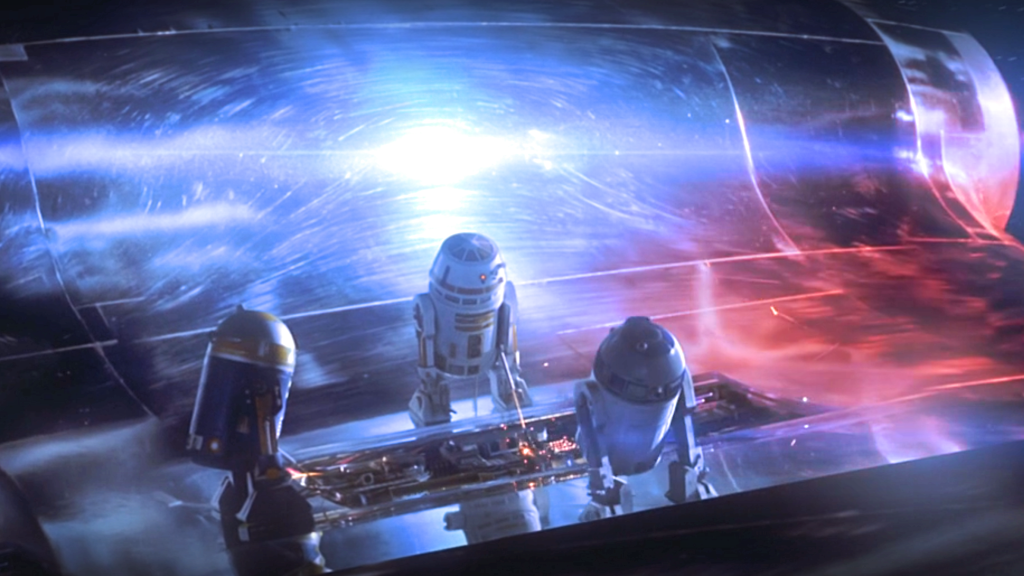
That isn’t a military strategy. That’s a design flaw so catastrophic it feels like satire. If your entire army can be disabled by blowing up one ship, every enemy you ever face is going to spend all its time trying to blow up that ship. And in this case, naturally, the person who destroys it is a child by accident. Frankly, I’m shocked Jar Jar didn’t do it by tripping over a button.
The Ugly
And now we arrive at Jar Jar Binks, who really does deserve his own category.
I know it has become fashionable in some circles to reevaluate Jar Jar, or at least to argue that the hatred was overblown. Having now revisited the movie, I can report that the hatred was, if anything, charitable. Jar Jar is dreadful. Every line, every pratfall, every “comic” reaction lands with the grace of a cinder block through a windshield. He is not merely unfunny. He is anti-funny. He creates a vacuum where humor should be.
Worse, he’s in the movie constantly. This isn’t a small, supporting nuisance you grit your teeth through. He’s woven deeply into the fabric of the film, so that every time the movie threatens to recover some dignity, Jar Jar shambles back in to step on it. By the end, I was ready to join the Empire on general principles.
And that, really, is the fatal problem with The Phantom Menace. It is not simply bad in the abstract. It is bad in ways that actively grate. There are bad movies that are boring, bad movies that are incompetent, and bad movies that are fascinating disasters. The Phantom Menace is some combination of all three, but what sets it apart is how often it becomes actively irritating.
Jar Jar is the clearest example, but he’s not alone. The awkward performances, the clunky exposition, the botched mythology, the nonsensical plotting, the accidental-child-heroics; it all adds up to a film that keeps finding new and inventive ways to get on your nerves.
In Conclusion
Is this the worst Star Wars movie ever made? Probably not, and Disney deserves a slow clap for making that question more complicated than it used to be. But I think people who rightly take the Disney era to the woodshed should remember what Episode I was actually like. This was not some misunderstood masterpiece cruelly rejected by the fans. It was a deeply flawed, often painfully awkward blockbuster that happened to be attached to one of the most beloved franchises in movie history.
I’m glad I revisited it. There’s value in going back and checking your assumptions, especially with movies that have become cultural battlegrounds. But in this case, the revisit didn’t reveal hidden brilliance. It confirmed the opposite. The Phantom Menace is a bad Star Wars movie, a bad science fiction movie, and, taken on its own terms, just a bad movie in general.
Still, the pod race is good. John Williams is a wizard. Liam Neeson remains Liam Neeson. And for a few scattered moments, you can glimpse the movie this might have been before Jar Jar waddled in and started stepping on every rake in the galaxy.
Marcia Lucas? Kept George “in line”, on the original trilogy. During this prequel stage, not one person had the courage to tell, “the emperor he wasn’t wearing any clothes.” Great article! I intended to give 5 stars but I mistakenly pressed 4.