When the Autumn weather turns the leaves to flame
One hasn’t got time for the waiting game
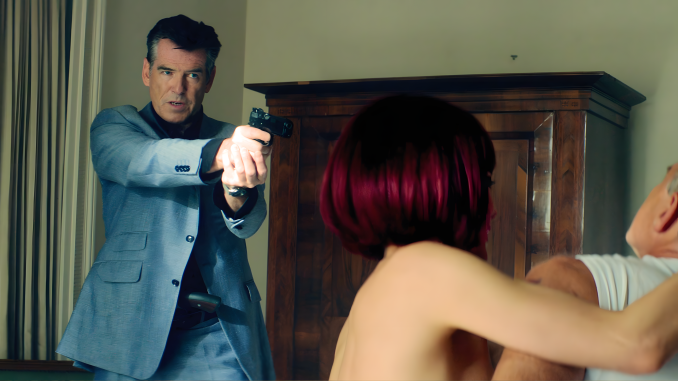
The November Man (2014): 8 out of 10: There is a certain pleasure in watching an aging movie star take a role that seems specifically designed to weaponise your nostalgia. The November Man knew exactly what it was doing the minute it cast Pierce Brosnan as a retired super-spy dragged back into the game. The whole movie basically asks one question: what if James Bond got dropped into a Jason Bourne movie? Or, more accurately, what if James Bond got dropped into a lower-budget, politically grayer, more trigger-happy cousin of a Jason Bourne movie and responded by drinking heavily and shooting half his former coworkers?
That, in a nutshell, is The November Man.
I went into this one expecting something fairly generic. The trailers and posters made it look like one of those mid-2010s action programmers where a respected older star cashes a check, grimaces through some geopolitical nonsense, and shoots a lot of anonymous Europeans in parking garages. (Cough Final Score Cough) Instead, I got something smarter than expected, better acted than expected, and honestly more enjoyable than I expected. That does not mean it is without flaws. It has some real ones. But for a film that could have been disposable, The November Man turns out to be a pretty solid little spy thriller with some brains behind the bullets.
Plot Synopsis
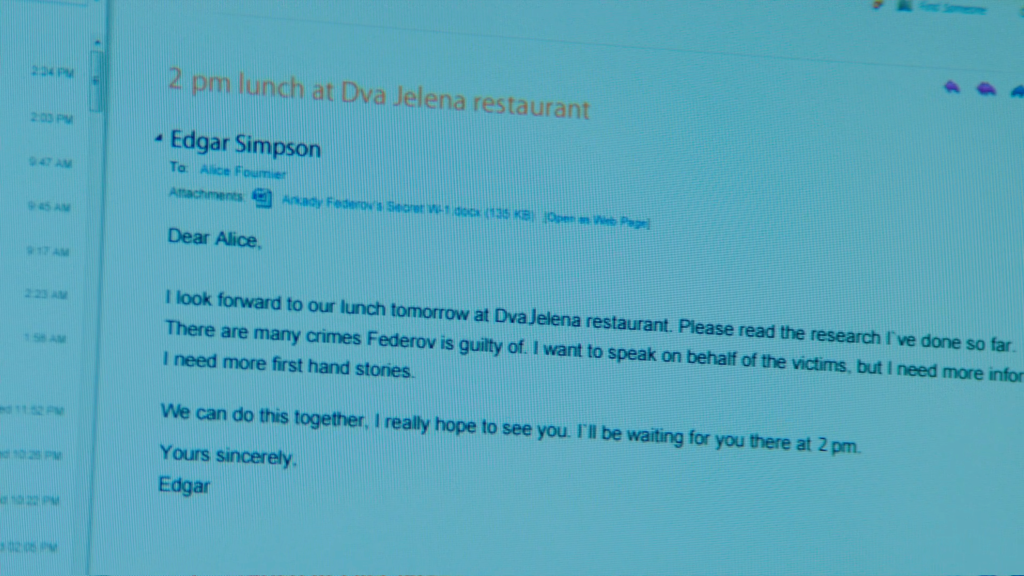
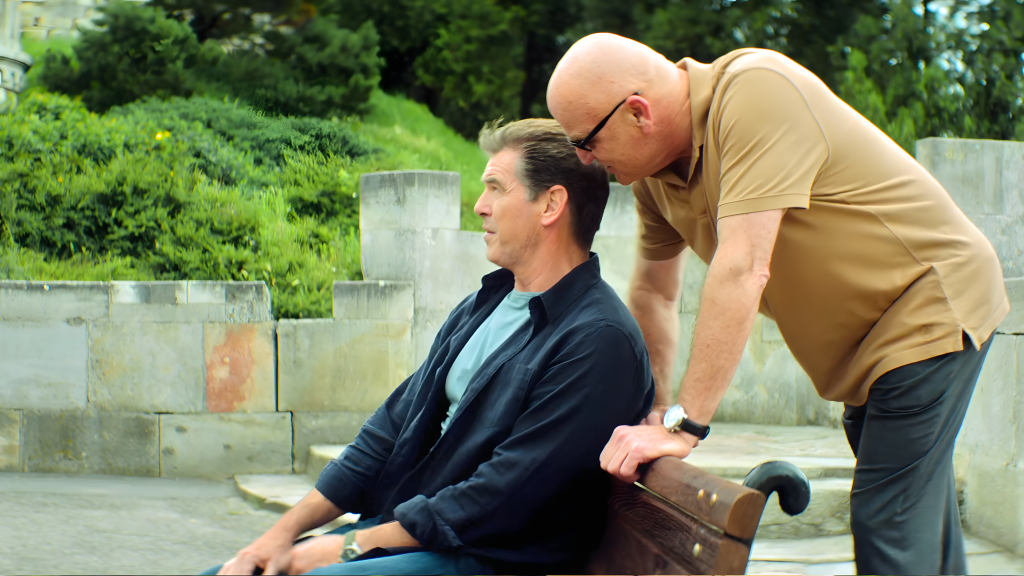
Pierce Brosnan plays Peter Devereaux, a retired CIA operative living the quiet life after one mission went badly wrong and permanently damaged his relationship with his protégé, David Mason, played by Luke Bracey. Naturally, retirement lasts about as long as it ever does in these movies. Peter is pulled back into the field when an old contact needs help extracting a woman tied to a major Russian political scandal involving war crimes, government manipulation, and a Kremlin-friendly strongman who is pretty clearly a Putin stand-in without anybody bothering too much to hide it.
From there, the film turns into a cat-and-mouse game involving assassins, double-crosses, old CIA loyalties, secret files, political leverage, and Peter trying to protect a younger woman at the center of the conspiracy while also staying one step ahead of both the Russians and, for reasons that become increasingly absurd, what feels like every CIA employee within a 50-mile radius.
It is a movie about secrets, betrayal, moral grayness, and a deeply unhealthy work environment.
The Good
The Good: Let’s start with the obvious: Pierce Brosnan is very good in this.
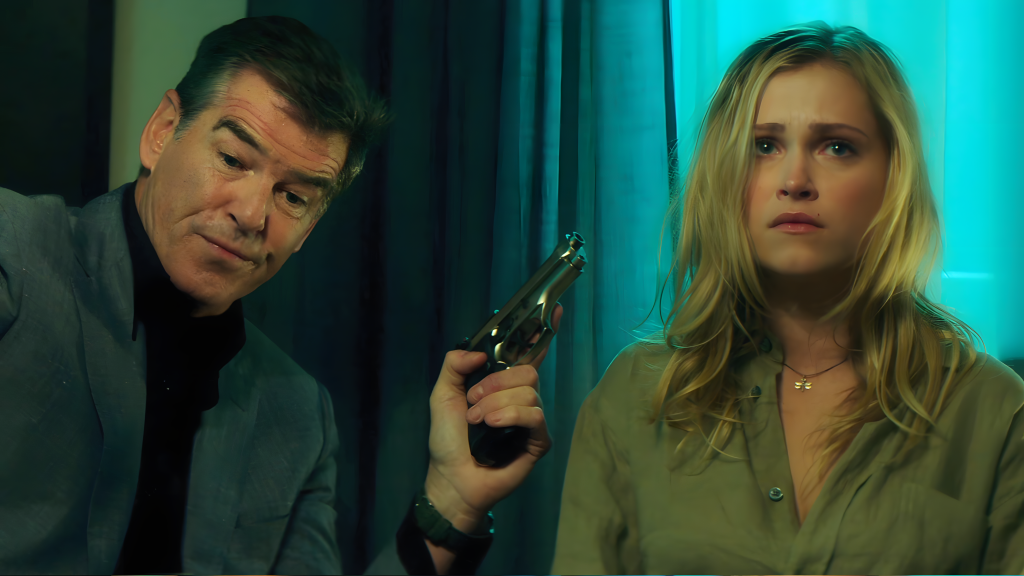
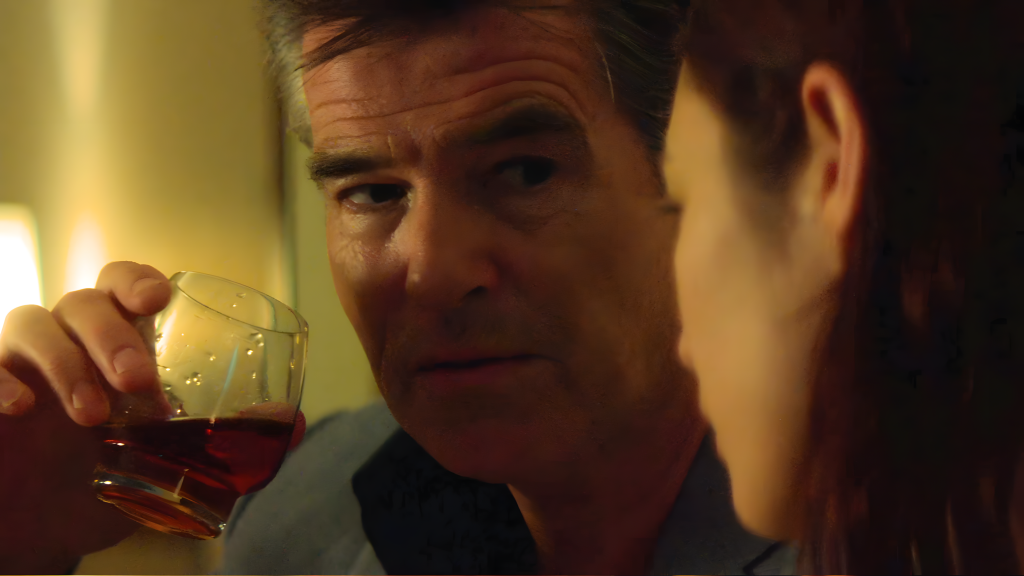
That should not be surprising, but it is worth saying anyway because this kind of movie lives or dies on whether its aging star can still sell competence, danger, and intelligence. Brosnan absolutely can. He’s not playing Bond here, not really, but the movie benefits enormously from the audience’s memory of Bond. It lets him enter with a kind of instant authority. The charm is a little rougher around the edges now; the smile has more menace behind it, and the entire performance carries the weight of a man who has done terrible things for his government and is no longer especially interested in pretending otherwise.
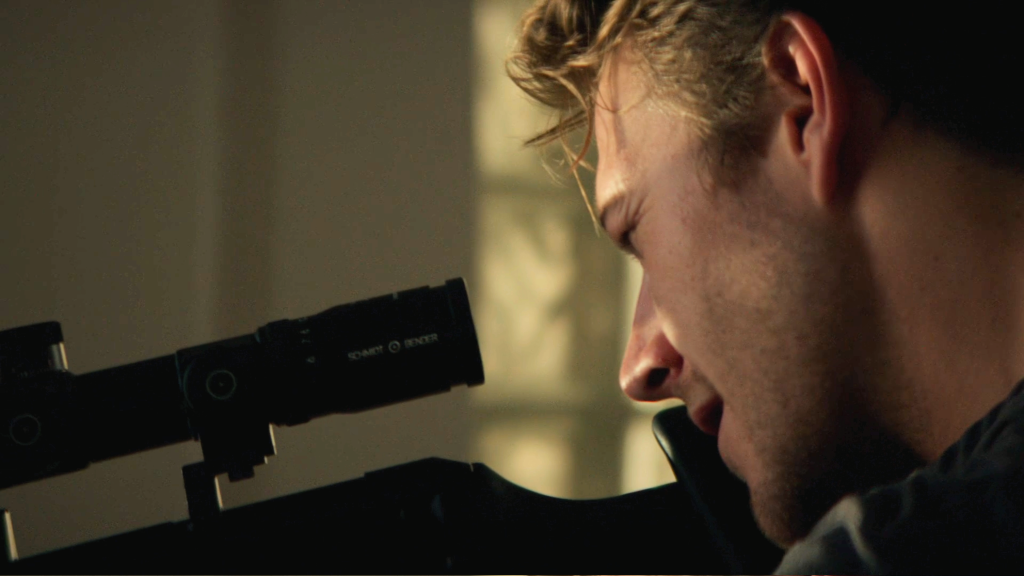
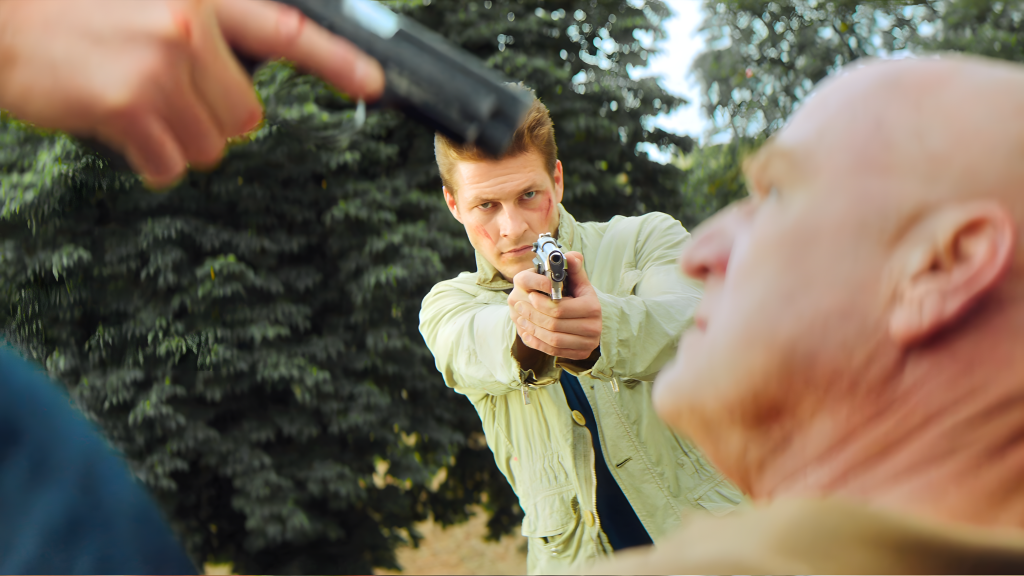
Luke Bracey, as the protégé turned rival, is also excellent. For a while, I kept thinking he looked like some alternate-universe James Van Der Beek who got drafted into an espionage thriller, but the important thing is that he’s good. In fact, he may be the secret weapon of the movie. He sells both the professional competence and the emotional damage of a younger man who has spent years in the shadow of Brosnan’s legend and would very much like to step out of it, preferably while armed.

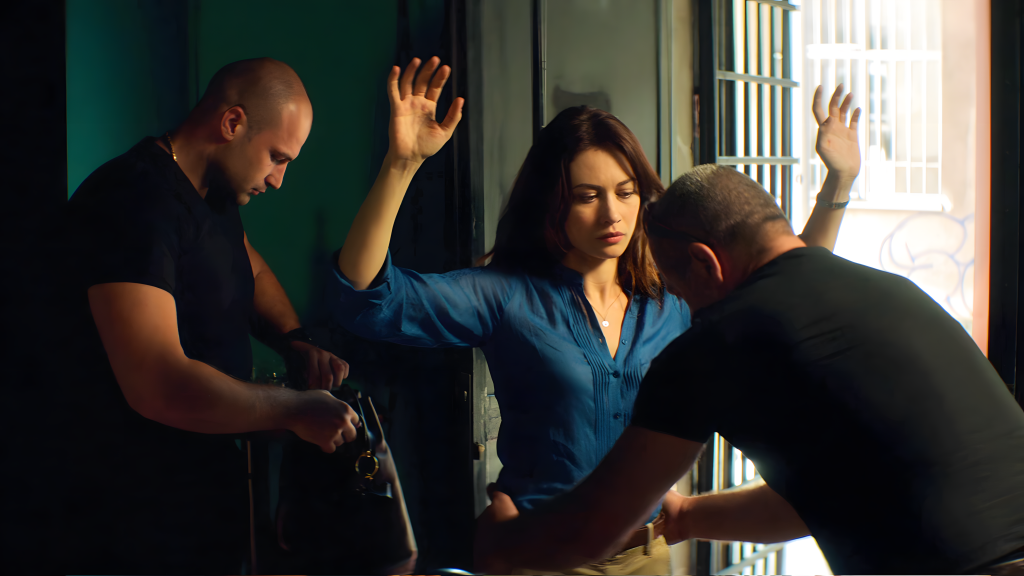
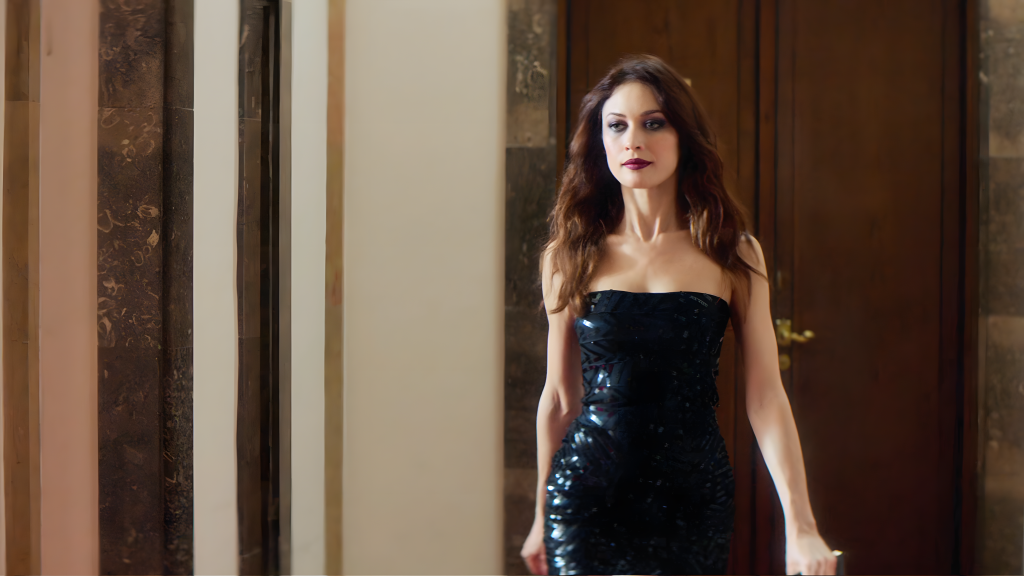
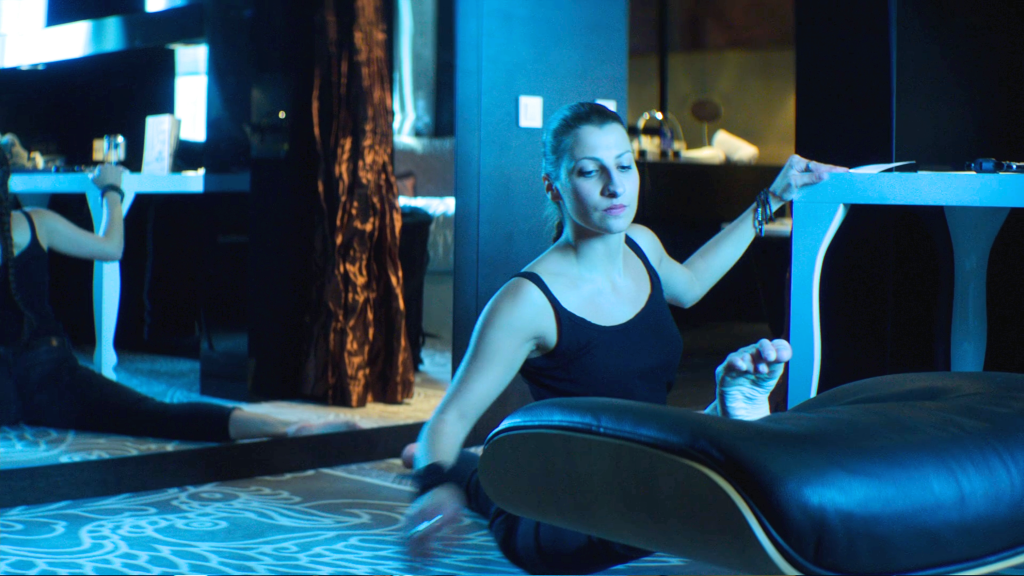
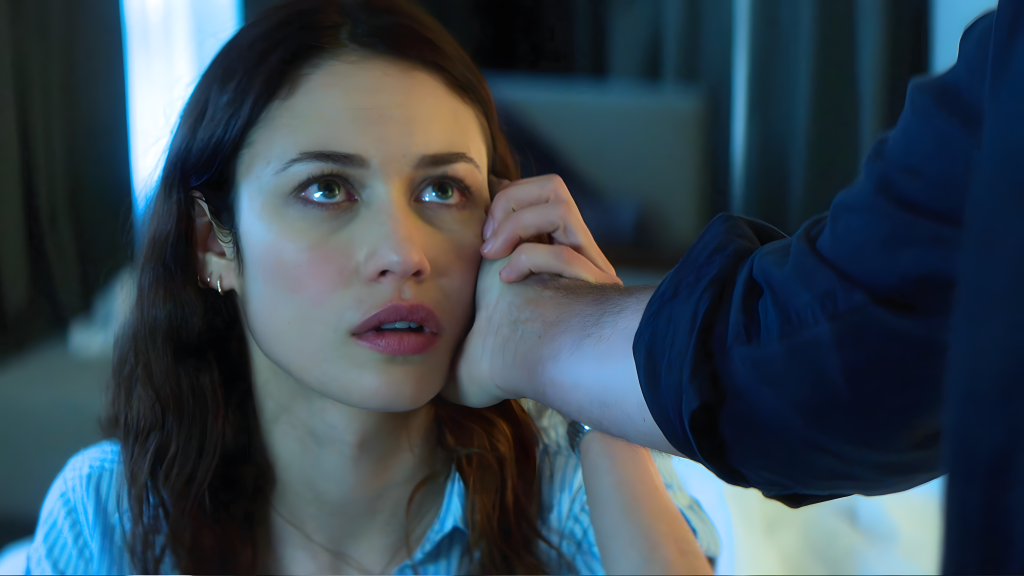
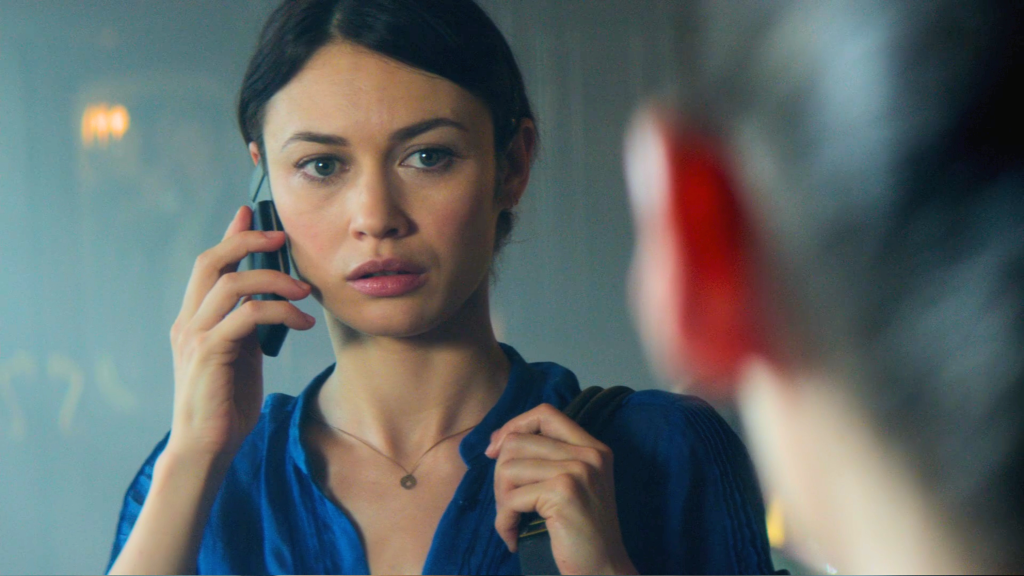
Olga Kurylenko, playing the younger woman caught up in the conspiracy and serving partly as love interest, partly as key witness, and partly as “the plot says everybody wants her,” does strong work with a role that could easily have collapsed into pure spy-thriller cliché. It is, on paper, a trope-heavy part. She gives it more grounding than the screenplay provides. The rest of the cast (with one small exception) is solid, too. Nobody looks lost. Nobody seems to wander in from a different movie. Everybody hits their marks with confidence.
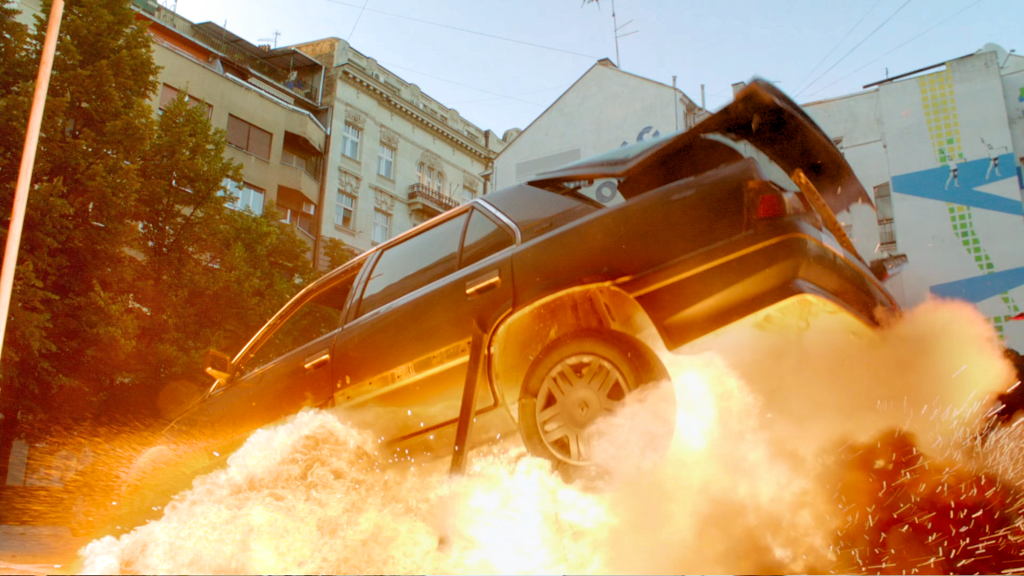
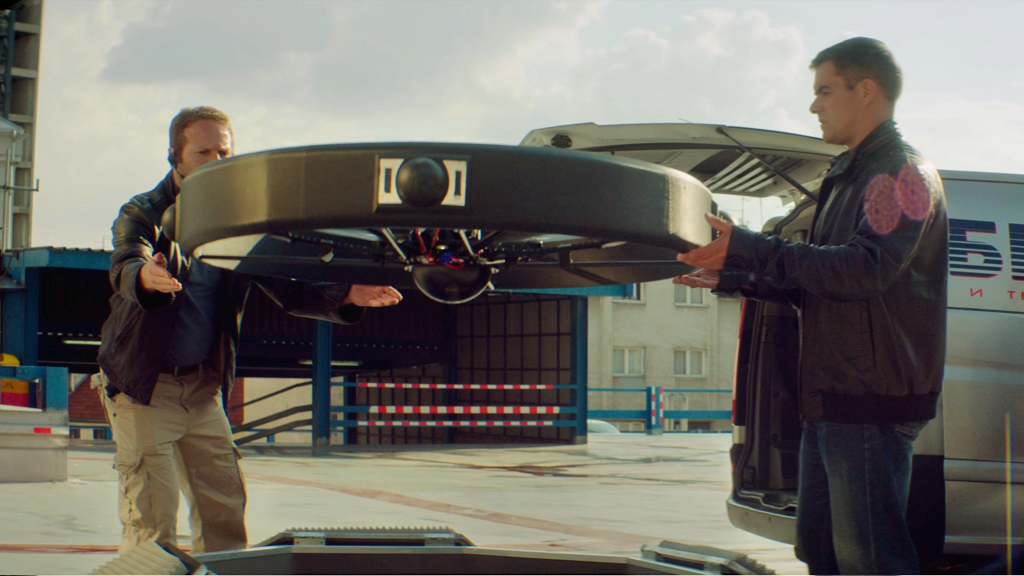
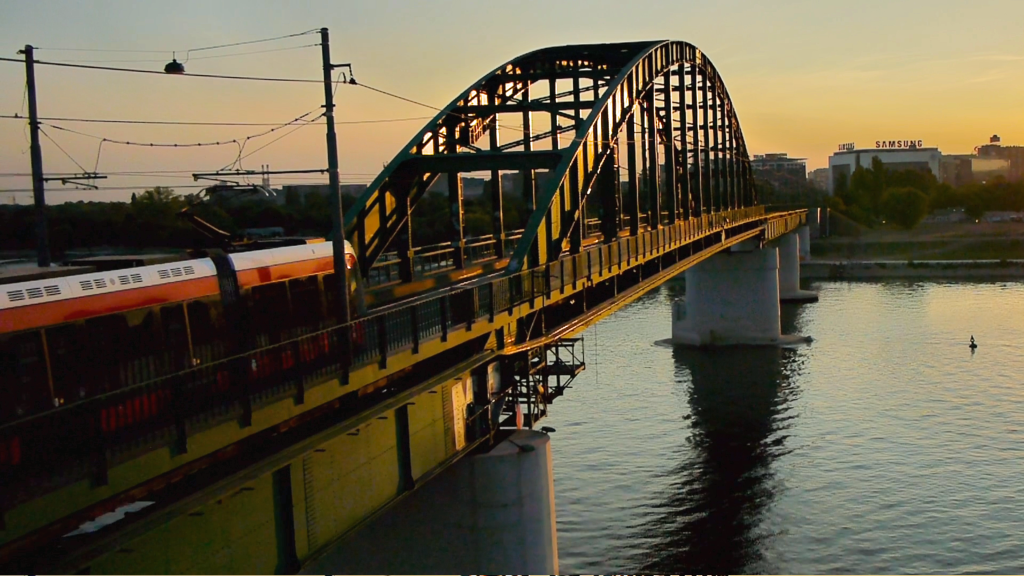
The film also looks very good. This is not Brosnan driving a tank through a wall in Saint Petersburg. Sadly. Since they’re in Belgrade, I feel strongly that a tank through at least one wall should have remained on the table. But while the action here is smaller scale than Bond, the movie has a slick, polished look. It feels professional. The locations work, the cinematography has a cool spy-thriller sheen, and the whole thing has a pleasingly serious visual tone without becoming muddy or dreary.
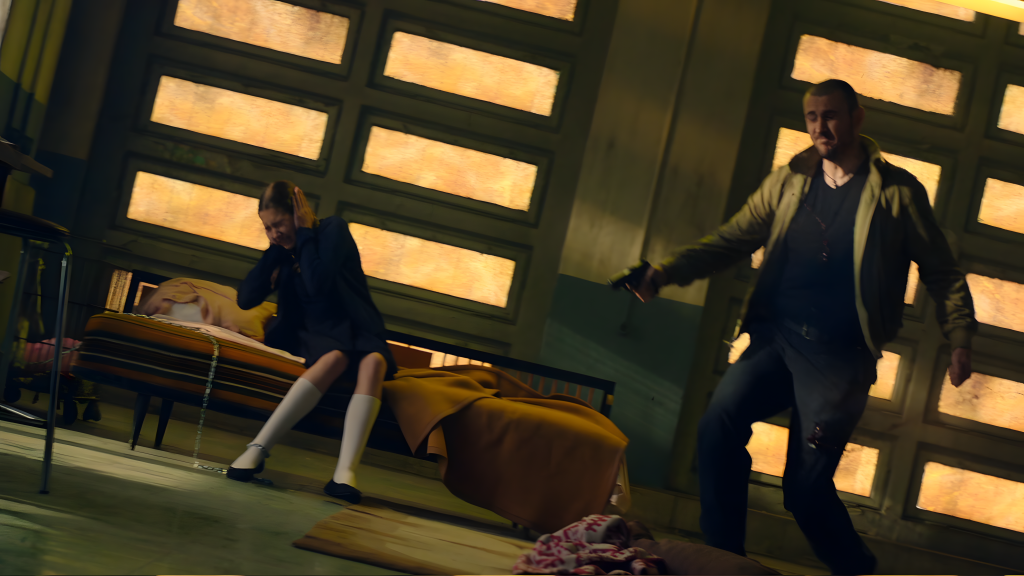
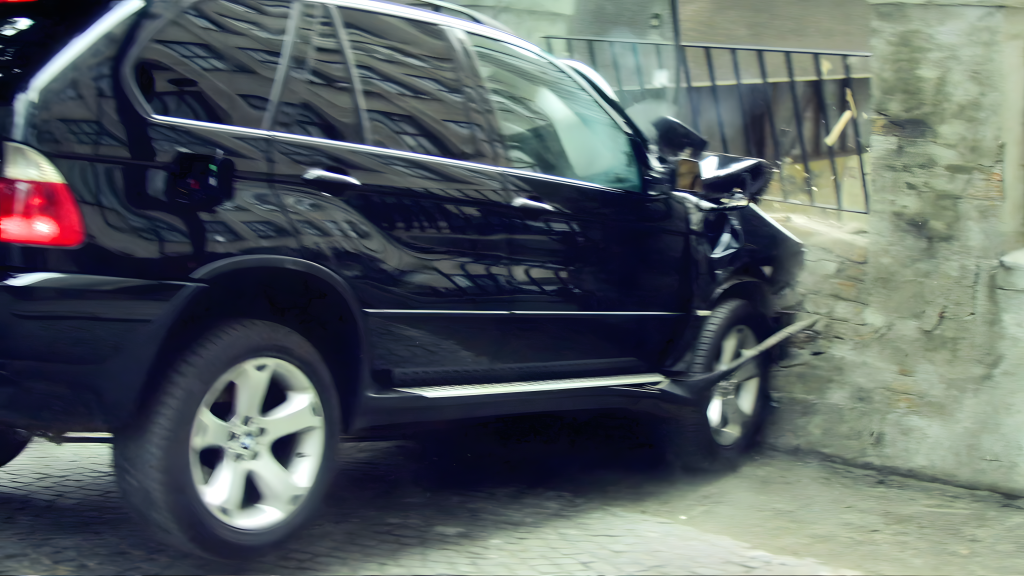
Action-wise, this is much closer to Bourne than Bond, though not quite as frantic or hand-to-hand heavy. There’s more shooting here, less elaborate stunt spectacle, and fewer moments clearly designed to become iconic set pieces. This is not GoldenEye. This is James Bond if he wandered into The Bourne Identity, muttered something irritated about the décor, and started putting bullets into everybody.
More importantly, the script is smarter than I expected. That may be the film’s greatest asset. The political material is actually interesting. The conspiracy involving Russian politics, intelligence manipulation, and the restarting or exploitation of the Chechen conflict is more grounded and more cynical than the average action movie would bother attempting.
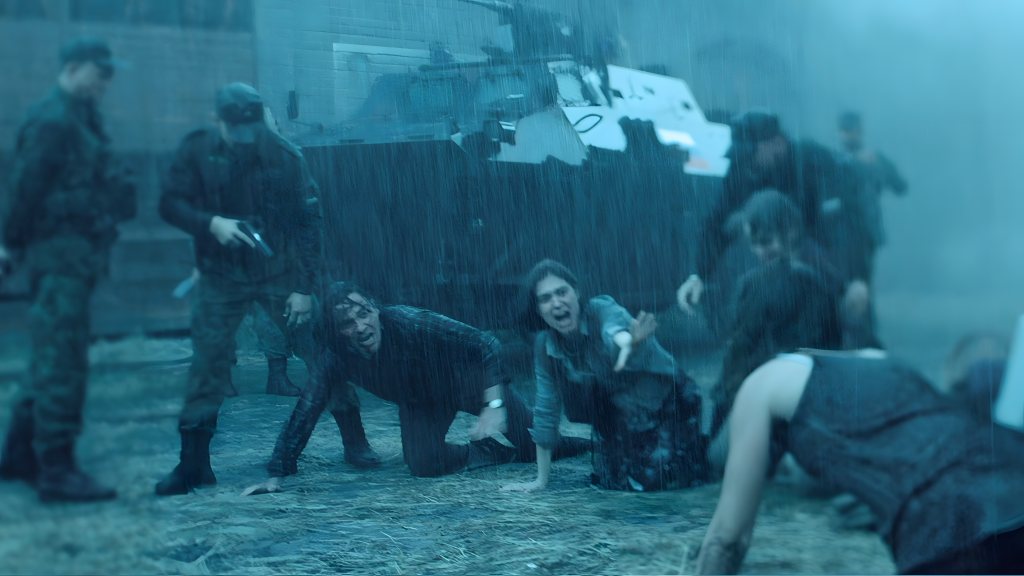
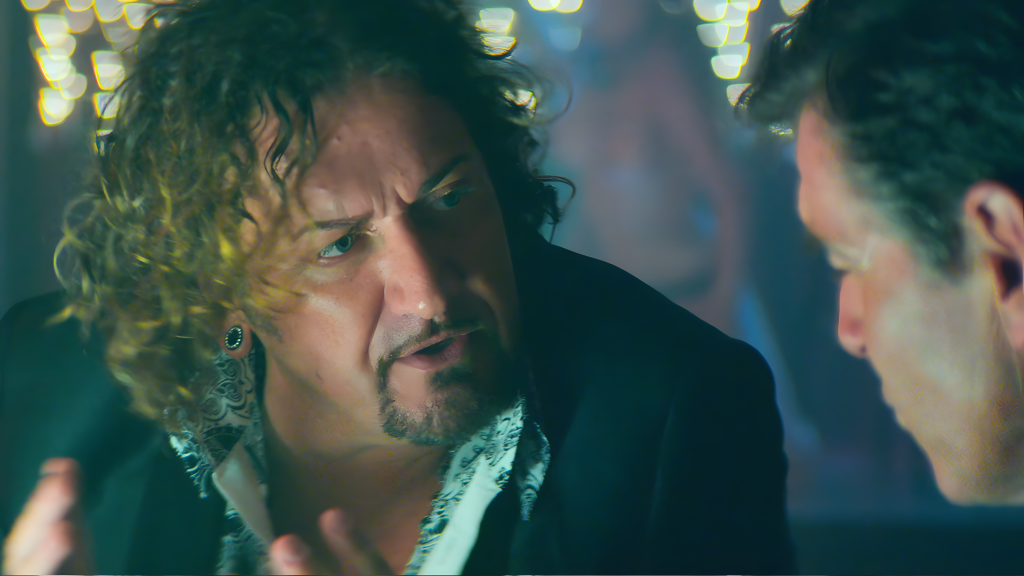
The screenplay gives the antagonists motives that are recognizably political rather than comic-book nonsense. In fact, one of the film’s strengths is that the bad guys are not entirely wrong. I was not exactly rooting for them, because that would make for a somewhat awkward viewing experience, but the movie allows them a real point of view. In geopolitical terms, they are not just cackling villains twirling mustaches in a bunker somewhere. They have arguments, and some of those arguments make a disturbing amount of sense.
The twists are also pretty good. At least one of them could have been spelled out a little more clearly for those of us in the audience who occasionally need the spy movie to slow down and enunciate, but overall the reversals work. The film earns points for that. It keeps the plot moving while trusting the audience more than I expected it to.
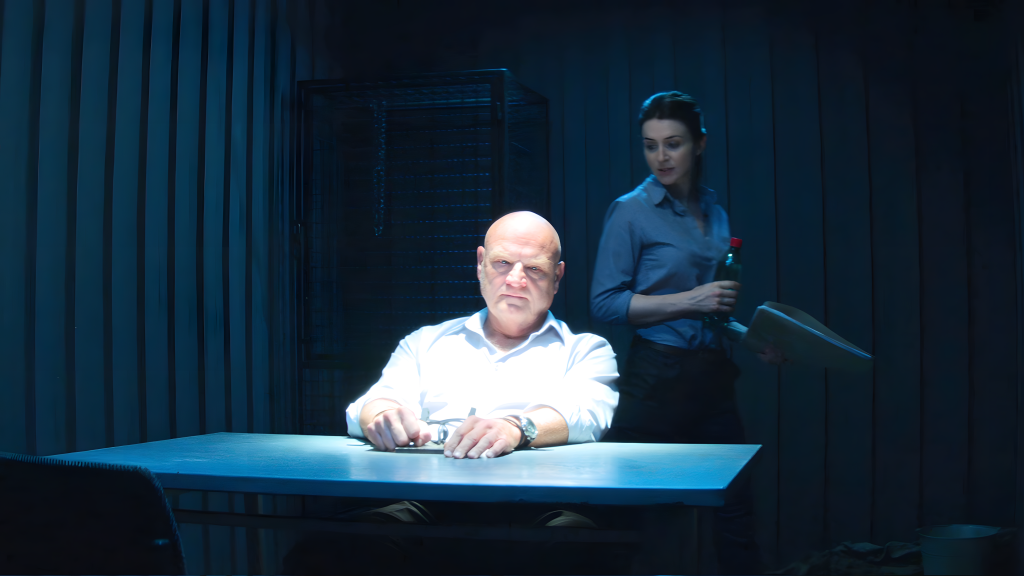
And perhaps most refreshingly, the characters are generally not idiots. This should not be rare enough to praise, but here we are. People make decisions that at least resemble human logic. Competence exists. Plans exist. Reactions make a certain amount of sense. In a genre where half the runtime is often generated by someone doing something catastrophically stupid, that is genuinely refreshing.
The Bad
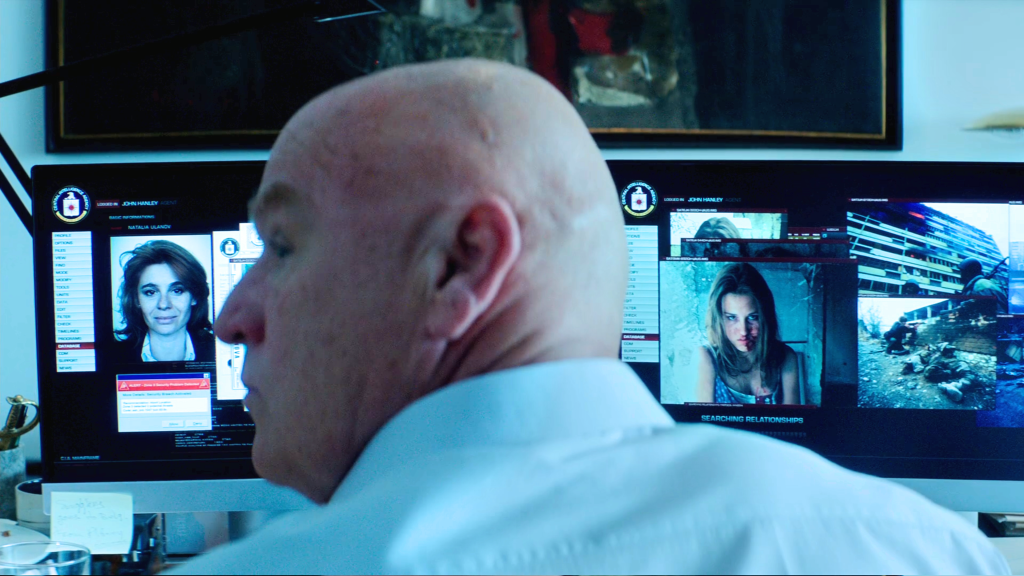
The Bad: Now let us get to the central problem, and it is a big one. The CIA agents in this movie kill each other with a level of enthusiasm that suggests the agency’s annual holiday party ends in a gladiatorial pit.
I have complained about this kind of thing before in spy movies, superhero movies, and assorted conspiracy thrillers, and I am going to complain about it again here because it remains ridiculous.
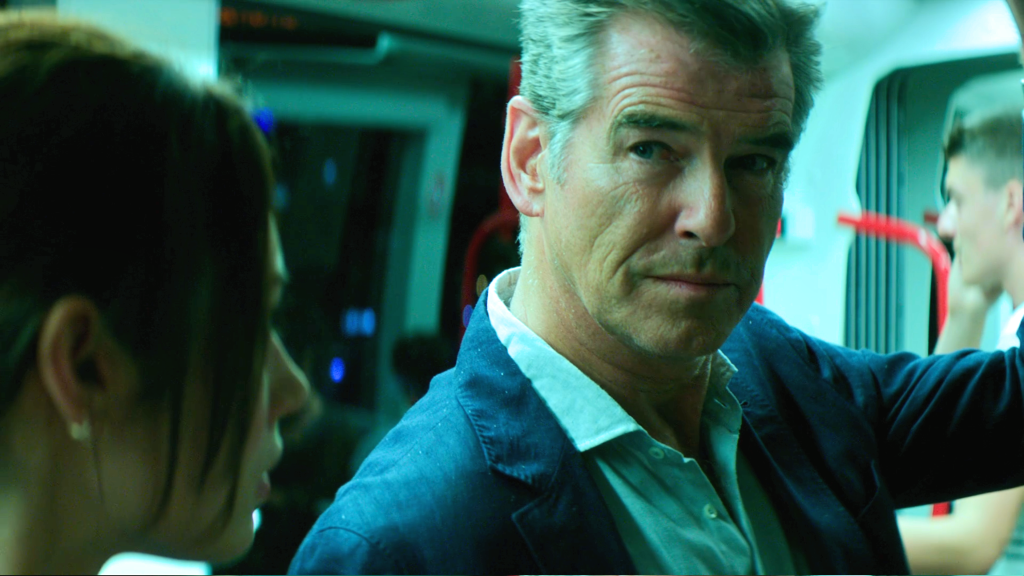
As a general rule, intelligence agencies are still workplaces. Very weird workplaces, granted, but workplaces. People go there for a career. They want pensions. They want benefits. They want to retire to a comfortable house somewhere in Chevy Chase, Maryland and complain about traffic. They do not, as a matter of standard office culture, spend their days executing colleagues they’ve been working alongside for years.
Yet The November Man seems convinced that the CIA is less a government agency than a murder fraternity. Pierce Brosnan alone kills what feels like half the organization, and he is hardly the only one. Everybody in this movie is astonishingly casual about murdering their coworkers. It does not feel like rogue behavior from one particularly damaged agent. It feels like normal interdepartmental communication. There should be an HR memo about this.
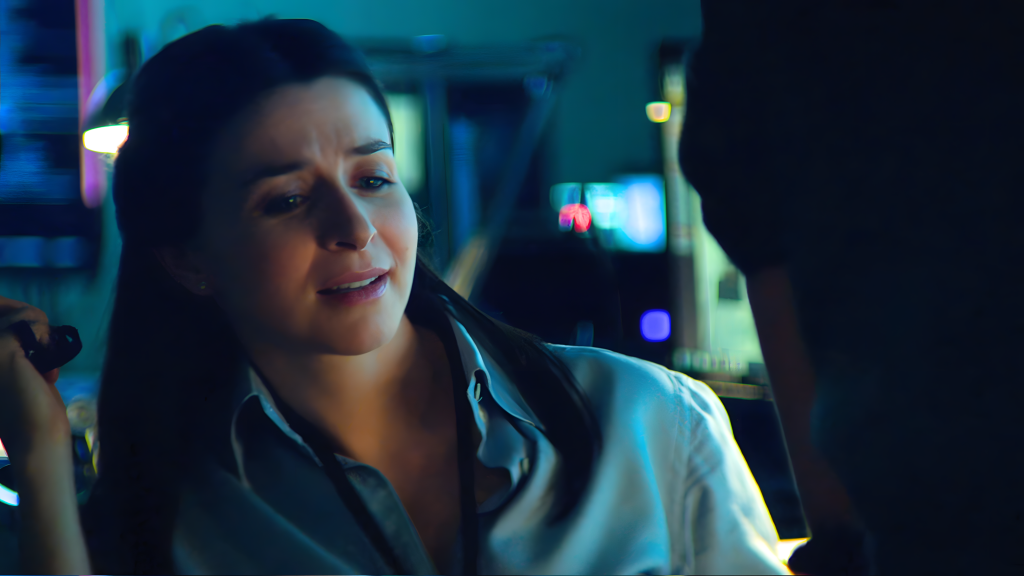
It gets sillier the longer the movie goes on. Every time somebody from the CIA enters a scene, there is a decent chance they are about to shoot or be shot by another CIA employee. I do not know what the employee retention numbers look like in this version of Langley, but I cannot imagine they are good.
The movie also fumbles its inciting incident a bit. Early on, Brosnan’s character blames his protégé for botching a sniper shot that results in tragedy. The problem is that, based on what the audience is shown, the protégé appears to have done the correct thing. He does not shoot too early. He actually waits too long until the assassin is actively spraying bullets around.
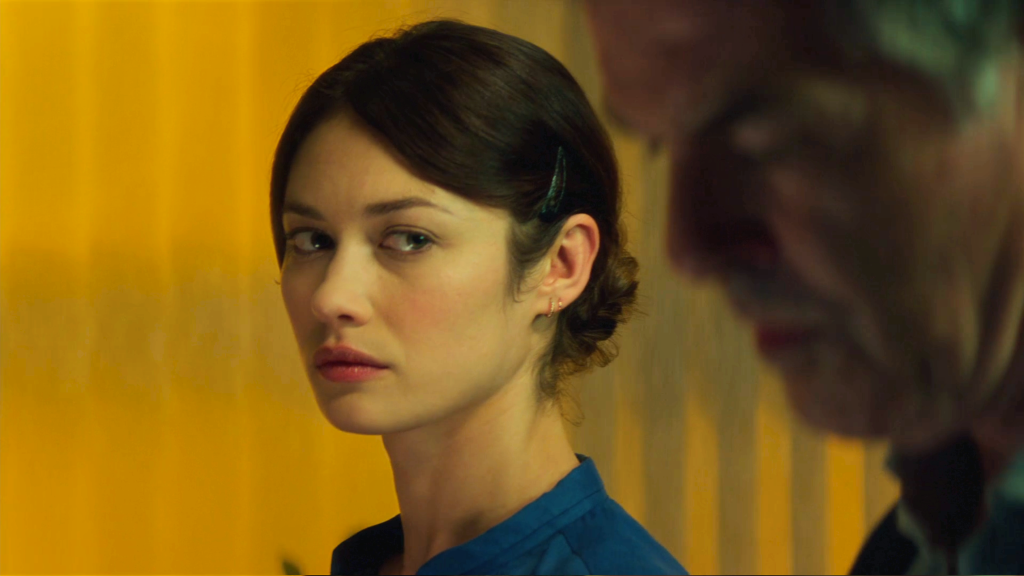
The innocent child who dies appears likely doomed whether he takes the shot or not. If the movie wanted us to believe the protégé panicked or acted rashly, it did not stage the scene clearly enough to support that. As presented, Brosnan’s judgment feels unfair, and that weakens the emotional foundation of their conflict.
That matters because the whole movie depends in part on that fracture. If I do not buy Brosnan’s moral authority in that scene, then the later tension becomes less tragic and more “old man projects his issues onto younger employee.”
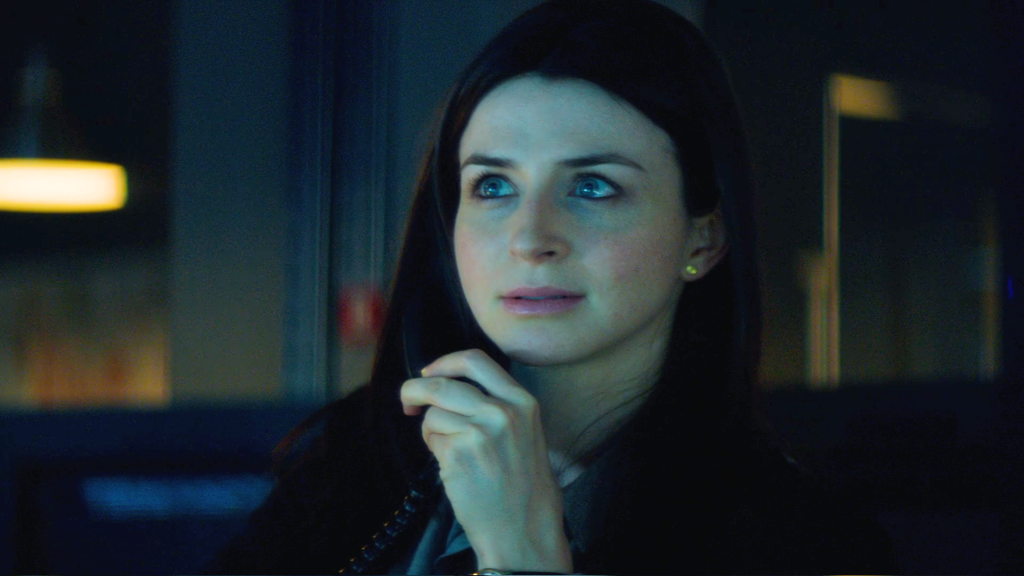
The movie finally explains why it is called The November Man and the explanation is remarkably stupid. Apparently “November Man” means that when he is done, nobody is left standing, or everybody’s dead, or whatever version of that line they land on.
Which, unless I missed some obscure meteorological espionage code, is not what November means. The November Man is based on a long-running series of thirteen books by author Bill Granger, so perhaps the source material is to blame.
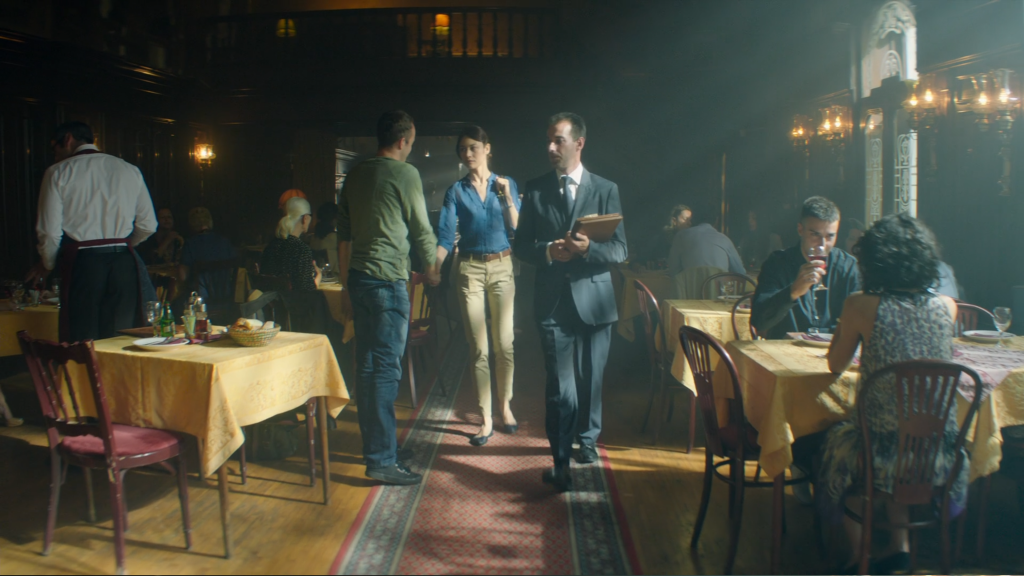
One twist could also have used a touch more clarity. It works, broadly speaking, but I had a moment of having to mentally rewind and make sure I understood who knew what and when. A cleaner setup would have helped.
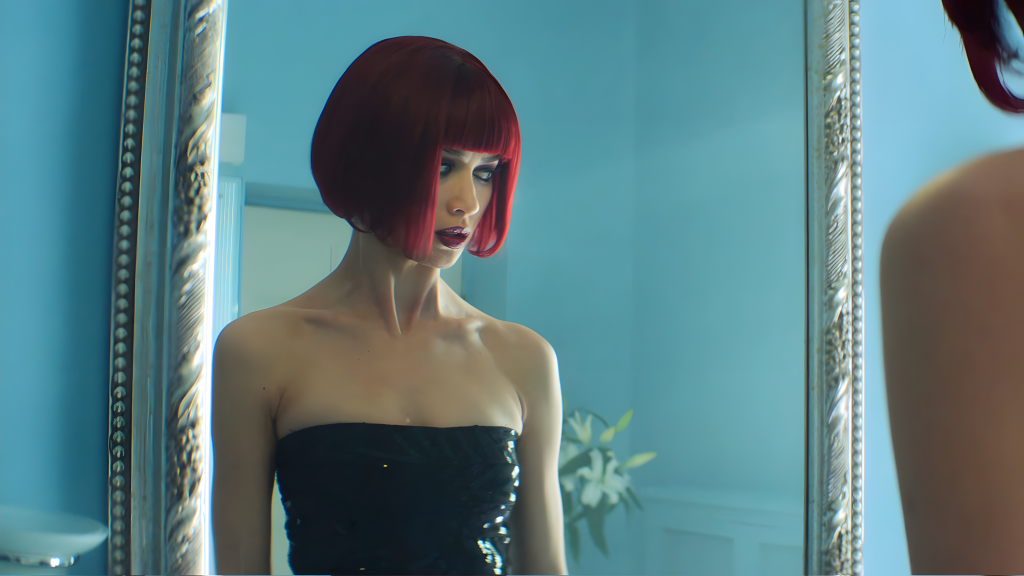
The Ugly
The Ugly: This is where things get interesting, because some of what is “ugly” in this movie is also part of what makes it effective.
Peter Devereaux is not a clean hero. In fact, he may not really be a hero in the traditional sense at all. The movie wants us to follow him, and Brosnan’s charisma absolutely carries that burden, but if you stop and think about his behavior for more than ten seconds, he is wearing an awfully dark shade of gray. Maybe black. Charcoal, at a minimum.
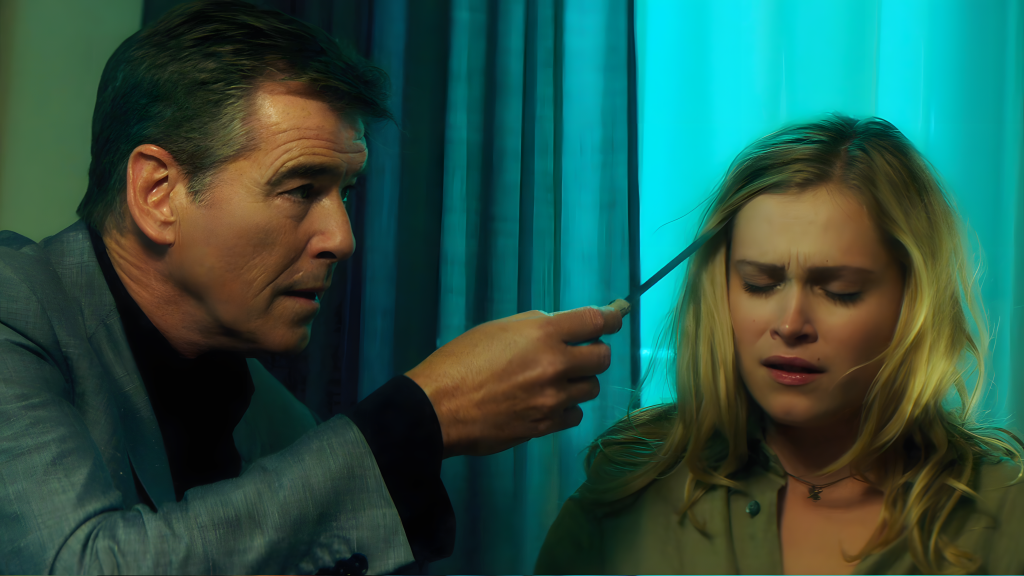
There is a scene where he slices the femoral artery of his protégé’s girlfriend while the man watches in horror. That is not exactly a “welcome back, old friend” moment. That is the sort of thing that makes you sit back and say, good Lord, maybe this man is not our noble avenger after all. This is actually similar to a scene with Liam Neeson in the first Taken. The scene where Neeson looks for info from an old friend and contact, and when the guy stonewalls Liam shoots his wife in the leg basically out of nowhere. It works very well in that film because it is a surprise rather than a drunk Irishman who needs to sleep it off instead of getting stabby.
November Man does not fully dodge that moral ugliness, and I will give it some credit for that, but it also depends heavily on our willingness to keep siding with Brosnan because Pierce Brosnan is playing him. Put a less charismatic actor in that role and you might spend the movie wondering whether the wrong guy is center frame.
Then there is the drinking. Brosnan’s character appears to consume whiskey at a level suggesting that no bottle is safe within fifty yards of an Irishman with unresolved trauma. Granted, Pierce Brosnan can make almost anything look classy, but the man does seem to be operating under the principle that hydration is for cowards.
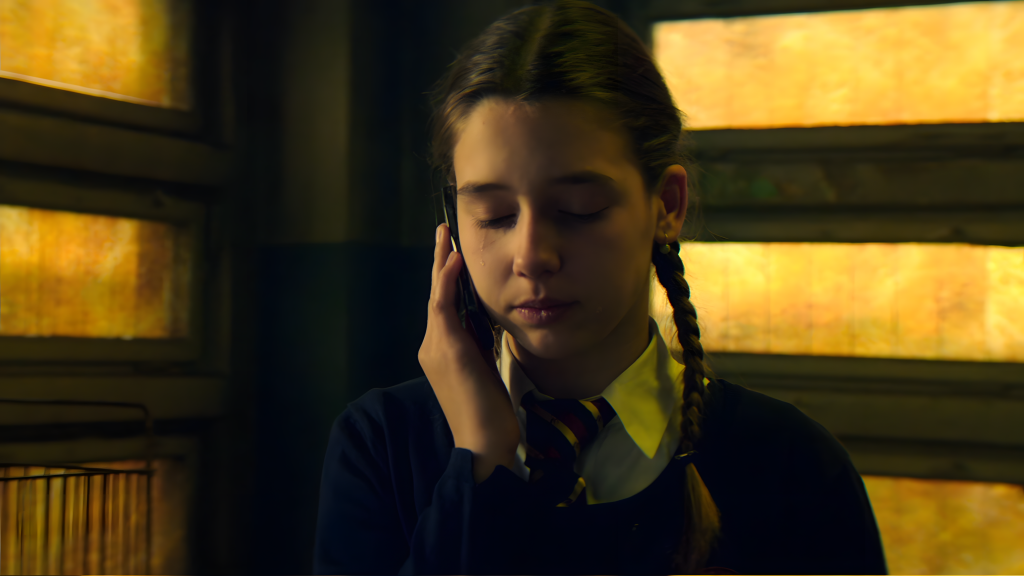
A much smaller, uglier note, and I almost feel bad bringing it up, is Tara Jevrosimovic’s performance as Bronson’s daughter Lucy. It is not good. It is the voice that is the issue. I don’t know if it was terrible dubbing, or the actress was unfamiliar with English and was speaking phonetically, but it is like nails on a chalkboard.

In Conclusion
In Conclusion: The November Man is one of those pleasant surprises that sneaks up on you. I expected a bargain-bin Brosnan thriller and got a well-acted, intelligent, politically sharper-than-expected action movie with real momentum and a better script than this sort of thing usually gets. It is not on the level of the best Bourne films, and it is not trying to be one of Brosnan’s Bond movies either. Instead, it occupies a satisfying middle ground: slick, cynical, energetic, and just smart enough to keep you engaged between shootouts.
The cast is strong, the pacing is good, the conspiracy angle works, and the script gives the villains enough logic to feel unsettlingly plausible. The twists mostly land. The characters are mostly competent. The movie does not waste much time, and it keeps its foot on the accelerator nearly all the way through.

Its biggest flaw is also an almost hilarious one: it has perhaps the least believable office culture in CIA history. These people kill each other with such abandon that you start to wonder whether the agency offers combat pay for team meetings. Add in a weakly justified central grudge and a truly silly title explanation, and you have a movie that is very good without ever quite becoming great.
Still, this is a strong recommendation for fans of grown-up spy thrillers, Pierce Brosnan fans, and anyone who has ever wanted to see Bond age into a hard, bitter, Bourne-adjacent assassin with a murky conscience and a whiskey habit.