Plugged in
Life Off Grid (2016): 8 out of 10: There is a certain comedy built into the title of Life Off Grid, a Canadian documentary about, shockingly enough, Canadians who live off the grid. Anyone who has spent any quality time in Canada can tell you that if a country was ever designed to give people off-grid opportunities, it is probably Canada. Think of Alaska, except instead of being one enormous frozen outpost attached to the rest of civilization by a political technicality, it is an entire country.
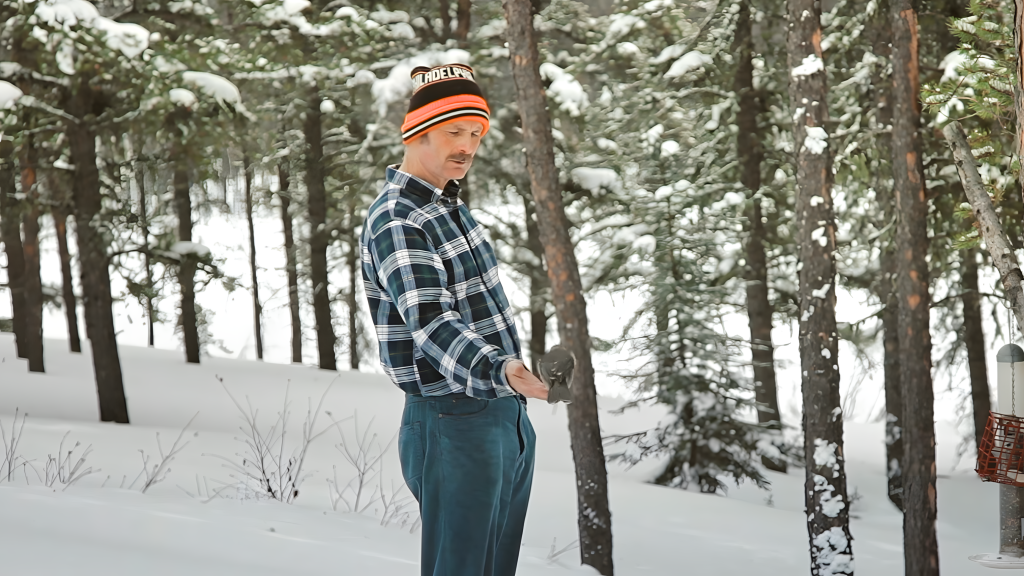
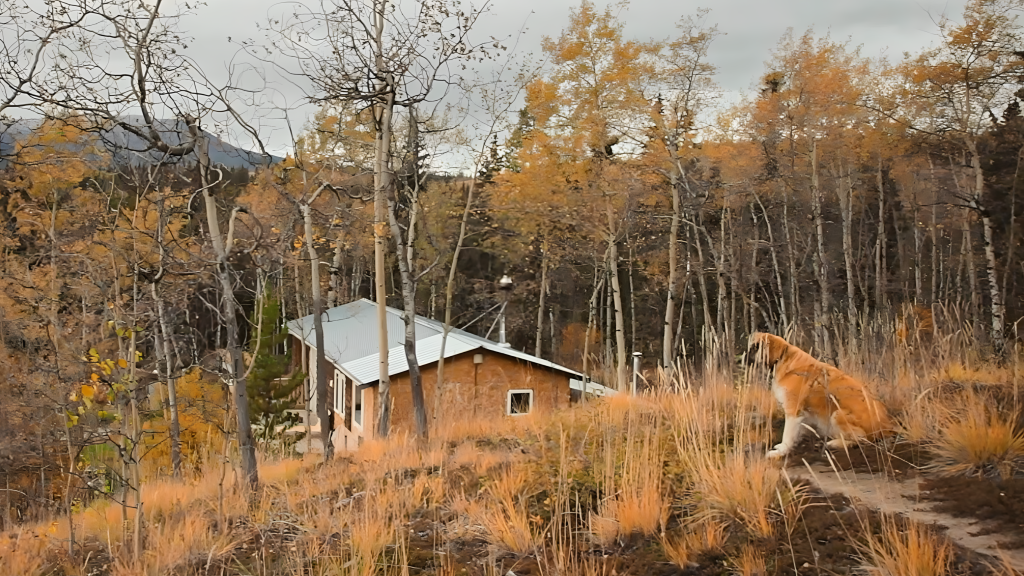
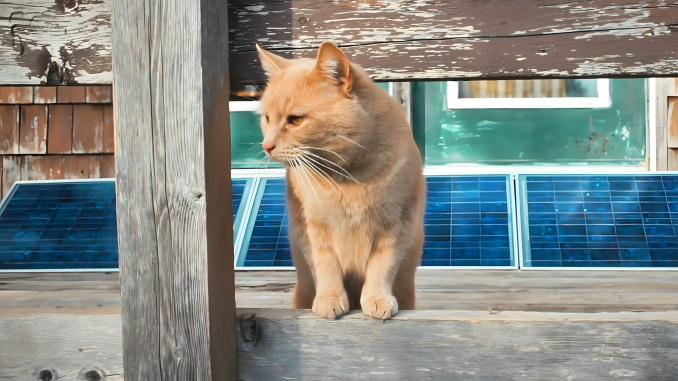
The documentary follows various people who have chosen, drifted, or financially maneuvered themselves into lives outside the standard utilities and a subdivision model. Solar panels, wind turbines, generators, wells, gardens, composting, canning, fishing, hunting, woodworking, endless repairs, the whole catalog is here. What is pleasantly surprising is that the movie does not immediately become a parade of bunkers, beans, bullets, and “the end is near” motivational speeches.
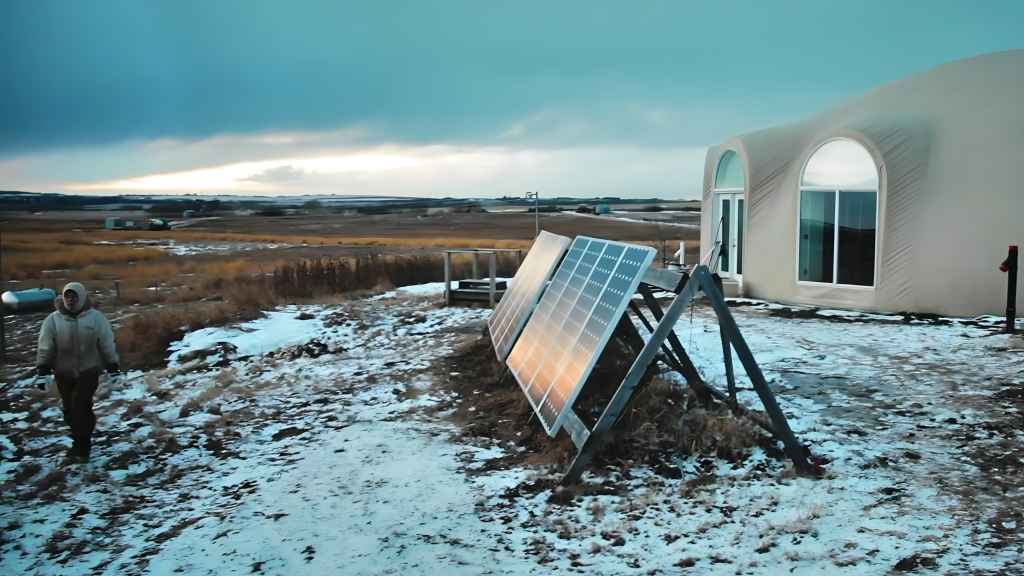
There is some of that, eventually. You cannot make a documentary about off-grid living without somebody at least glancing toward the apocalypse. But for most of its running time, Life Off Grid is much more interested in the people who looked at a half-million dollar estimate to bring electricity to their land and said, “Well, solar panels are starting to look pretty reasonable.”
That is where the film is at its best. It treats off-grid living less as a grand philosophical revolution and more as a series of tradeoffs. Some people are doing it because they are environmentalists. Some are doing it for spiritual reasons. Some are hippies. Some simply want quiet. Some like isolation. Some want to live in the middle of nowhere because, frankly, living in the middle of nowhere has a certain appeal. I enjoy camping. I enjoy being away from everything. I even enjoy the fantasy of disappearing into the trees for a while. The important phrase there is “for a while.”
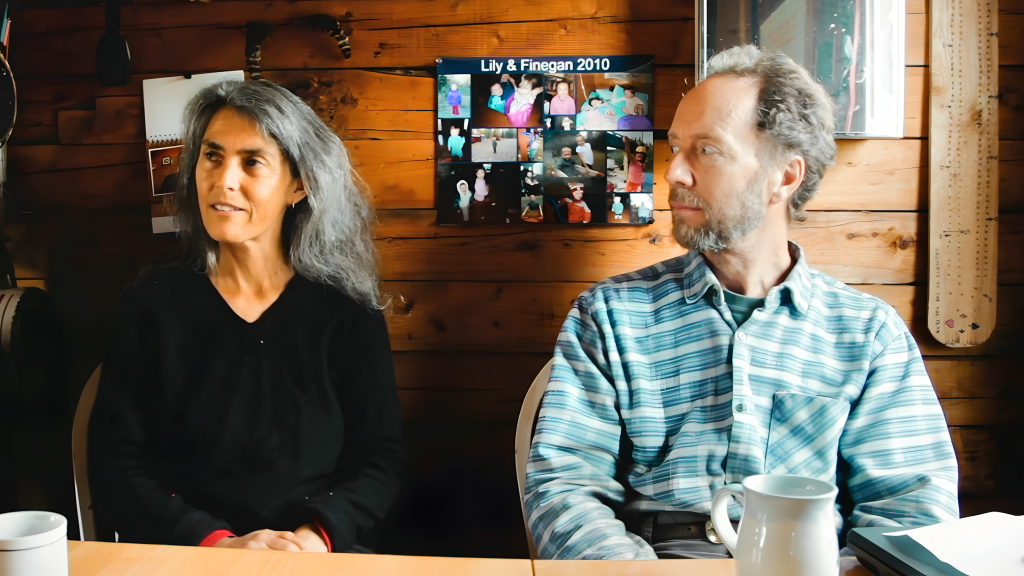
The people in Life Off Grid are not doing this for a long weekend with a cooler and a Coleman stove. They are doing it as a lifestyle, and the documentary is smart enough to let us see both the romance and the invoice.
The Good
The best thing about Life Off Grid is how pleasant it is. That sounds like faint praise, but with this subject matter, pleasant is almost an achievement. This could easily have become an unbearable documentary full of smug people explaining why the rest of us are sheep because we enjoy refrigeration, municipal water, and occasionally not chopping wood before breakfast.
Instead, most of the people interviewed are calm, thoughtful, practical, and very Canadian in the best possible way. There is some light “city people are silly” energy here and there, but very little of the full missionary sermon. Most of the subjects are not saying, “This is the only correct way to live.” They are saying, “This works for us.”
That makes all the difference.
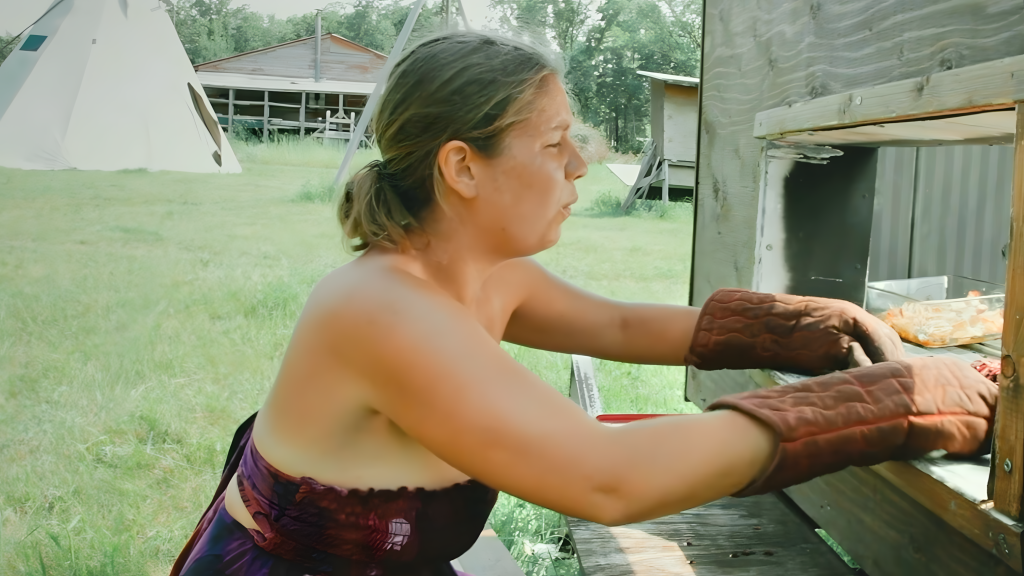
The documentary also does a nice job showing the wide range of reasons people end up off the grid. Some are retirees. Some are idealists. Some are financially constrained. Some are environmentalists. Some just want to be left alone, which may be the most universally understandable motivation in the entire film.
There is also a very funny practicality running through some of the stories. My favorite example is the gentleman who did not drill a well or install a full water system. Instead, he bought a new truck, put a massive water tank on the back, and drives to the fire station for water. His reasoning is wonderfully blunt: for the cost of drilling the well and putting in the cistern, he could buy the truck and get water that way for basically the rest of his life. That may not be Thoreau at Walden Pond, but it is certainly a man who has done the math.
And that is one of the film’s better quiet insights: off-grid living is often less about rejecting civilization than renegotiating with it. These people may not be connected to city electricity, but they still rely on solar panels, batteries, trucks, wind turbines, tools, fuel, and other products of the modern industrial world. They are not cavemen. They are not even necessarily anti-modern. Many of them are just modern people who live far enough away from the power lines that the usual assumptions no longer apply.
The documentary is also surprisingly honest about cost. Off-grid living is not automatically cheap. Several people have spent tens of thousands of dollars, sometimes $60,000 to $100,000; on solar, wind, generator, and battery systems. At that point, the economics become interesting. I live on the coast of Florida, where the air conditioning runs like it is trying to personally defeat the sun, and my electric bill still usually does not cross $300. At $300 a month, it takes a long, long time to spend $60,000 on electricity.
So when the documentary acknowledges the cost, it becomes more grounded. This is not just “escape the system and live free.” This is “escape one system by buying a very expensive replacement system and then maintaining it yourself until you die or move back to town.”
Still, the people are engaging. Spending time with them is enjoyable. That alone carries much of the film.
The Bad
The documentary does have a few structural weak spots. The largest is that it occasionally wants off-grid living to feel more philosophical than it sometimes appears to be.
There is a lot of talk about self-sufficiency, reconnecting with nature, canning your own food, building your own house, and stepping away from modern dependency. All of that has value. But there is also a slight cheat in the framing. Nobody in the documentary built their own solar panels. Nobody built their own truck. Nobody forged their own wind turbine from ore they mined behind the composting toilet.
That is not a criticism of the people themselves. It is just a reality check. Off-grid living, as shown here, is often not true independence from modern systems. It is selective independence. You remove the power company, maybe the water company, maybe the grocery store to some degree, but you are still deeply connected to the world that manufactures panels, pumps, generators, chainsaws, trucks, batteries, and replacement parts.
The film also dances around the survivalist element for quite a while. People mention neighbors who are preparing for the end of the world or hoarding food, but the documentary does not spend much time directly engaging with that mentality until later. Oddly enough, the professor or filmmaker guiding the documentary sometimes seems more apocalypse-minded than the people he is interviewing. Most of the subjects are more practical than paranoid.

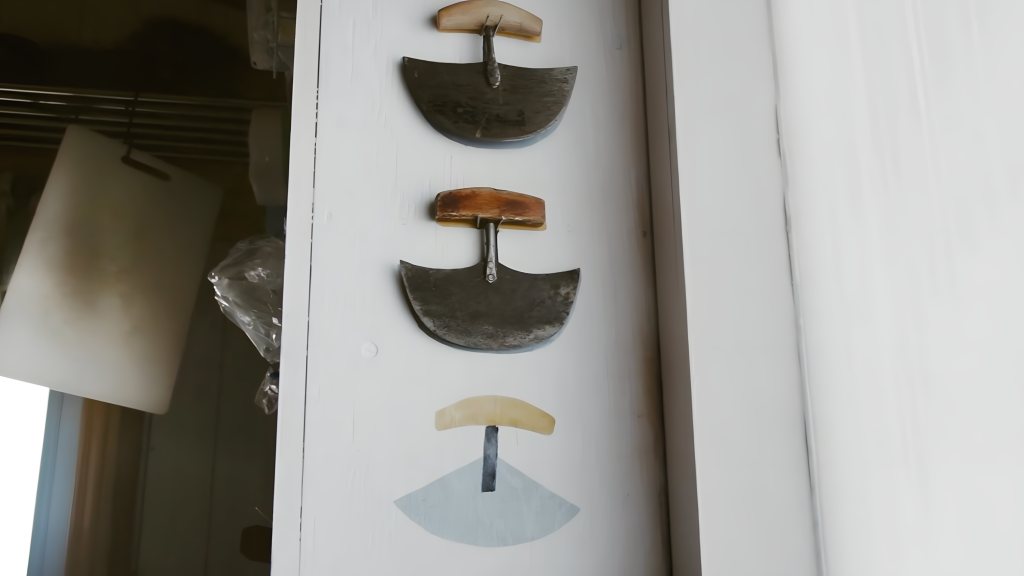
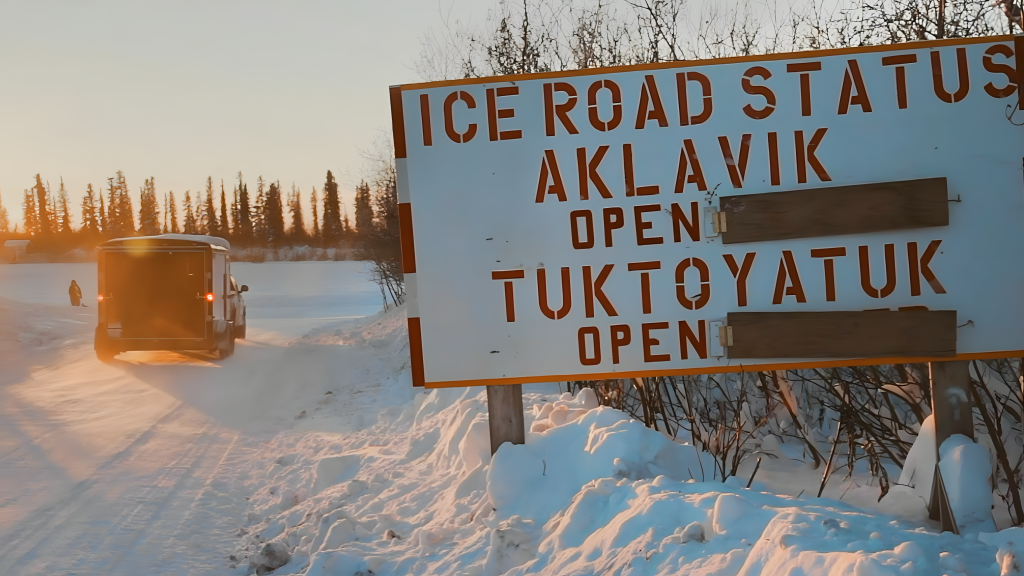
There is also a fascinating but underdeveloped section involving Inuit people in the Northwest Territories. They are hunting, fishing, and living off the grid in a much older and more culturally embedded way than the other subjects. In fairness, they absolutely belong in a discussion of off-grid living. But the segment feels as if it wandered in from a different documentary. They are not integrated into the ending in the same way as the other interviewees, and the film never quite knows what to do with the fact that their relationship to land, food, and survival is fundamentally different from relatively comfortable people with acreage, solar setups, and lifestyle choices.
It almost feels as if someone realized the documentary needed to widen its lens beyond white couples with land and equipment. That instinct is correct. The execution is incomplete.
The Ugly
The ugly part is not that off-grid life looks miserable. It often looks beautiful. The ugly part is that the film unintentionally makes off-grid life look like retirement plus a second job, except the second job has no weekends, no paid time off, and occasionally involves hauling water.
A number of people talk about not working, or not being trapped by the usual work life, but what the documentary shows is a lifestyle filled with labor. Gardening, composting, canning, fishing, hunting, chopping wood, maintaining systems, hauling supplies, repairing equipment, tending animals, managing heat, managing water, managing power… all of it is constant work.
Now, that may be the point. Maybe it is healthy. Maybe that is exactly what keeps people active, strong, and mentally alive. There is a good argument that retirement should not mean sitting in a recliner waiting for your knees to file for divorce. If you enjoy gardening, woodworking, canning, repairing, building, and solving daily practical problems, off-grid life may be deeply satisfying.
But if you do not enjoy those things, the fantasy collapses quickly.
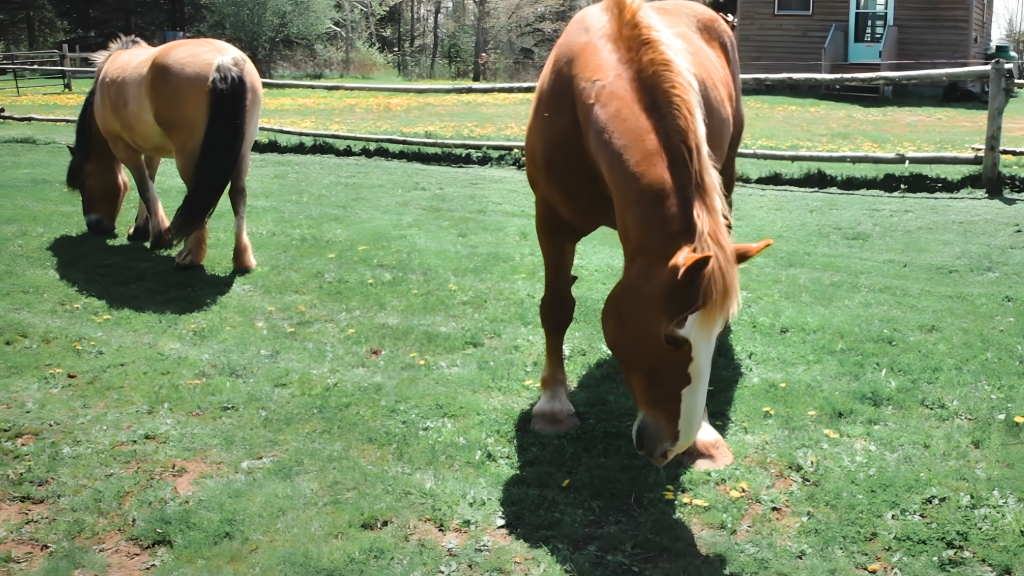
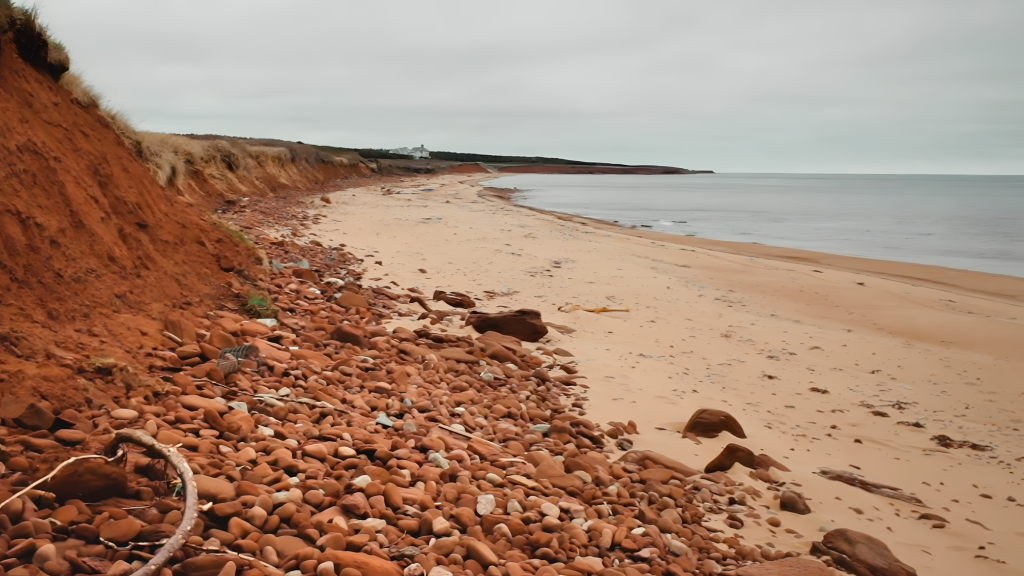
The film makes this clearest with the couple on Prince Edward Island who bought 150 acres and tried to turn it into an eco-vacation business. It is a beautiful property, but the numbers do not work. The season is too short. The mortgage still exists. Unlike some of the other people in the film, who bought land after selling a house or inherited property from family, this couple has to work outside the home to pay for the dream.

And that is where the dream becomes brutal. Working an eight- or nine-hour day and then coming home to an off-grid property where everything still has to be maintained is not exactly meditative simplicity. It is a full-time job followed by a lifestyle that behaves like another full-time job. The land may be peaceful, but the chores do not care about your spiritual reconnection with nature.
The film’s wisest moment comes near the end, when one person points out that this whole arrangement is, in many ways, an extreme North American luxury. Owning 40 acres, a large house, sunshine, solar power, and enough space to sustain yourself is not a universal solution. You cannot have billions of people all living in cabins on 10 or 20 wooded acres in a temperate climate with their spouse and a garden. It does not scale.

That is the point that gives the documentary some necessary perspective. Off-grid living may be admirable. It may be peaceful. It may even be morally preferable in some ways. But it is not a mass answer to modern civilization. It is a specific answer for specific people in specific places with specific resources.
In Conclusion
Life Off Grid is a very pleasant, surprisingly balanced documentary. It avoids most of the traps that could have made it insufferable. It is not a smug anti-city lecture. It is not a prepper recruitment video. It is not a fantasy brochure pretending that the only thing standing between you and spiritual fulfillment is your cowardly attachment to indoor plumbing.
Instead, it presents off-grid living as something more interesting: a lifestyle filled with beauty, cost, labor, compromise, and contradiction.

The film works because the people work. They are generally reasonable, thoughtful, and enjoyable to listen to. Even when I questioned their choices, I usually understood them. Wanting quiet makes sense. Wanting land makes sense. Wanting to be closer to nature makes sense. Wanting not to spend half a million dollars connecting to the electrical grid definitely makes sense.
But Life Off Grid also makes clear that this life is not an escape from work. It is a trade of one kind of work for another. You may get rid of the office, but now the water tank is empty, the garden needs tending, the batteries need checking, and winter is not impressed by your philosophy.
That is what makes the documentary effective. It lets the lifestyle remain appealing without pretending it is easy. It shows the romance, but it also shows the receipts.