Pull the plug
Masters of Horror: Right to Die (2007): 7 out of 10: I have always enjoyed a good Masters of Horror episode. They are about an hour long, which is often the correct length for this sort of thing, and at their best they feel like a mixture of The Twilight Zone, old pulp horror comics, and late-night cable. The basic premise of the series seems to be: give a known horror director a modest budget, let him do what he wants, keep it around an hour, and make sure there is some nudity in there somewhere.
This time around, the director is Rob Schmidt, best known for Wrong Turn. While Schmidt does not strike me as a hack with only one horror movie under his belt, perhaps underemployed, perhaps not first in line when people are naming the great horror masters of the age, but capable enough. Of course, by the second season of Masters of Horror, one begins to wonder if the show is running a little low on actual masters, but that does not mean the results cannot still be entertaining.
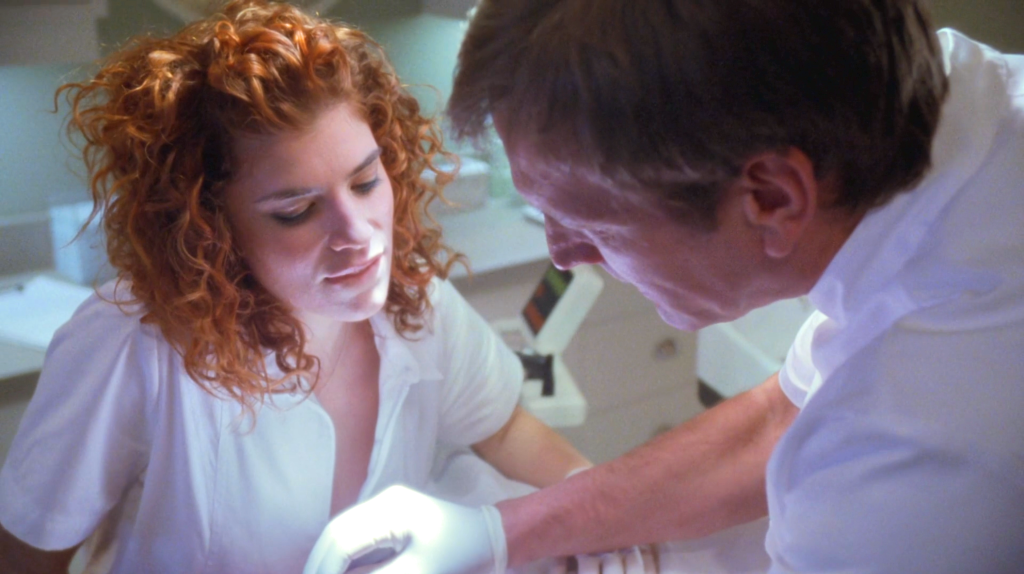
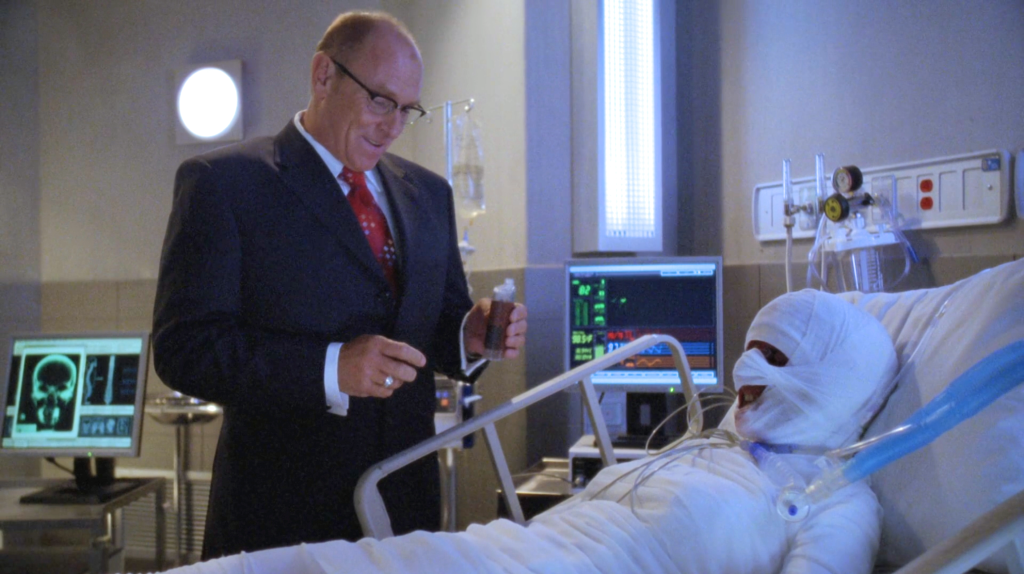
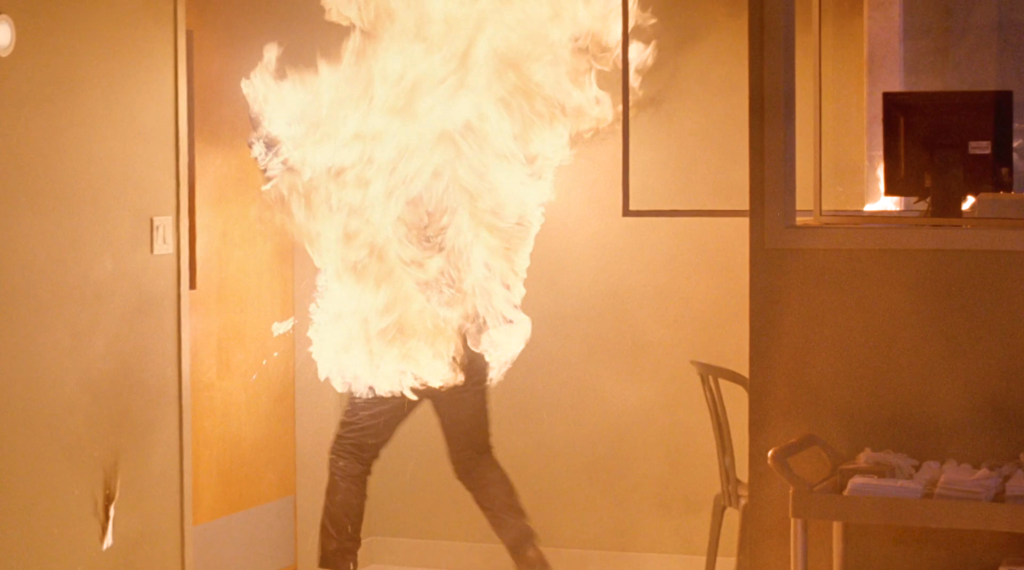
Right to Die gives us Cliff, an adulterous dentist whose wife has been burned beyond recognition after a car accident. She is being kept alive by machines, and Cliff wants to pull the plug. The twist, at least initially, is that he may not be wrong. This is not simply a case of a mustache-twirling husband trying to dispose of his inconvenient wife. At least at first, there is a real argument that ending her suffering may be the humane choice.
That is complicated by the angry mother-in-law, who has taken the fight public, complete with right-to-life outrage and media appearances. It turns out the wife’s airbag failed, and there may be a very large cash settlement if she dies. That gives the mother’s crusade a different flavor. It is not necessarily just grief, religion, or morality. There may be money sitting behind the moral outrage, which is exactly the kind of grubby little detail that makes this kind of anthology horror work.

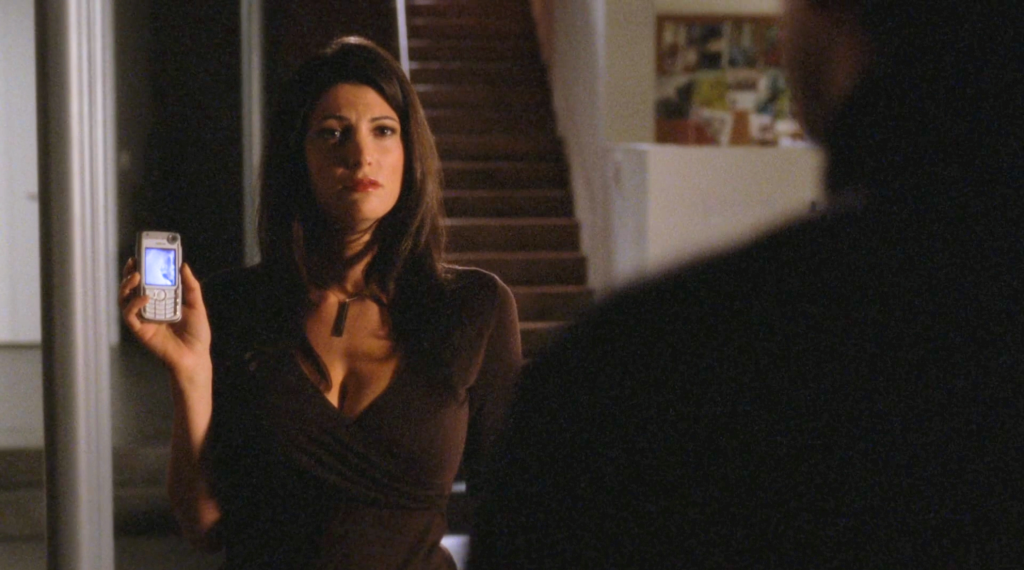
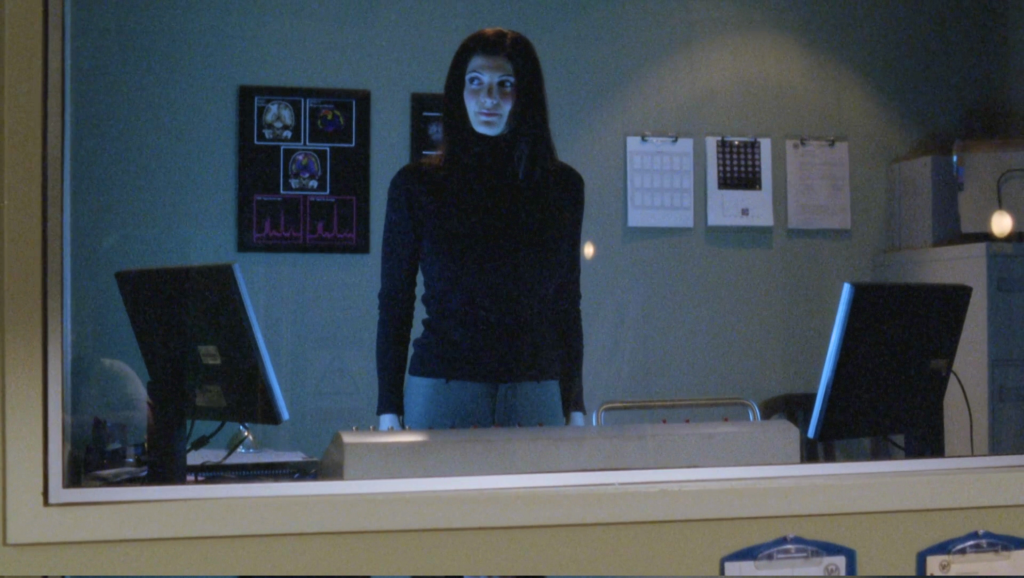
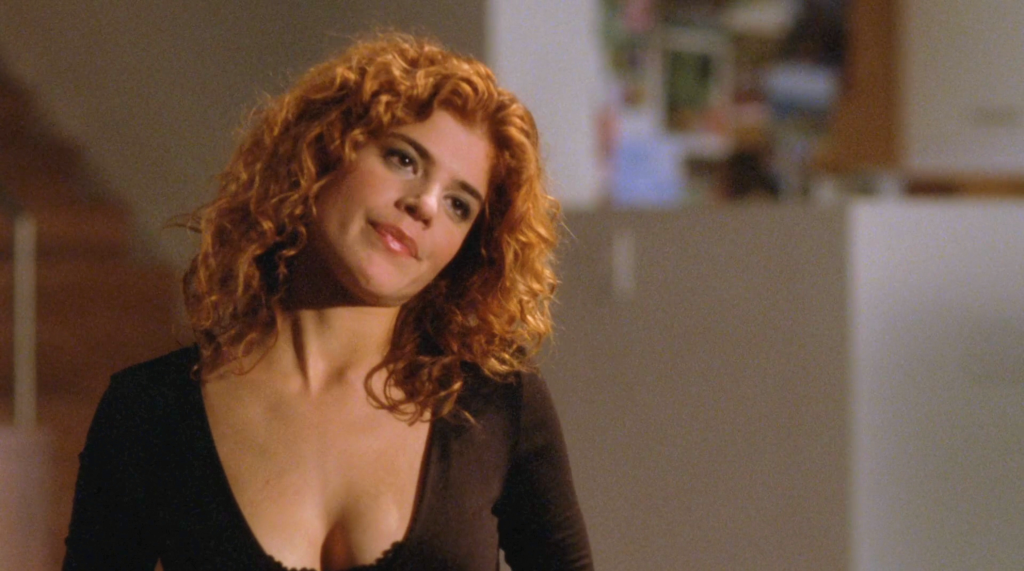
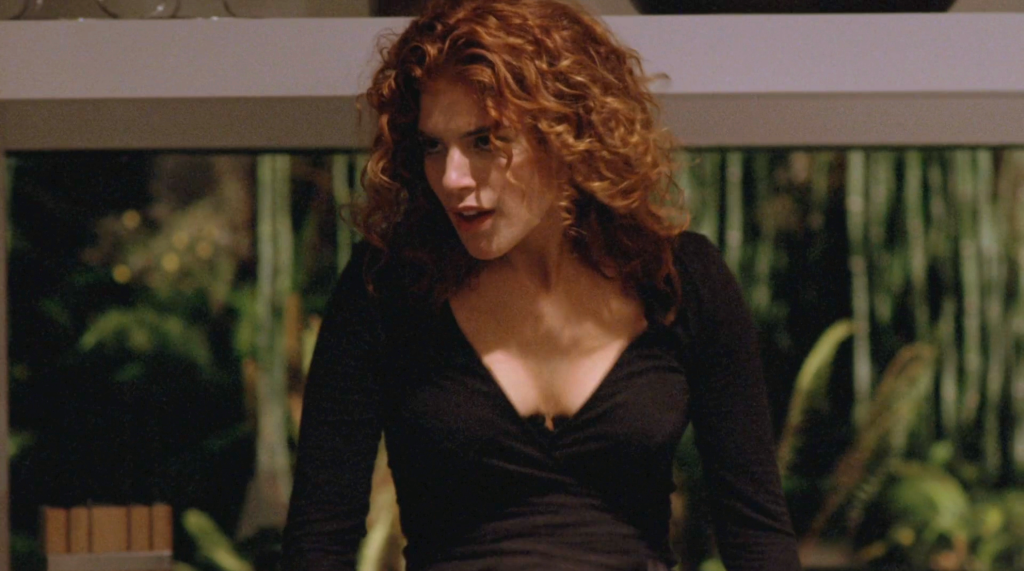
We also have the woman Cliff was having an affair with, his dental assistant (B-movie… well Z-movie regular Robin Sydney), who is played in an extremely broad and ditzy fashion. In a more serious drama, this might be a problem. In a Masters of Horror episode, it fits reasonably well. This is not 2012’s Amour; this is closer to Tales from the Crypt, and the cartoonish characterization is part of the bargain.
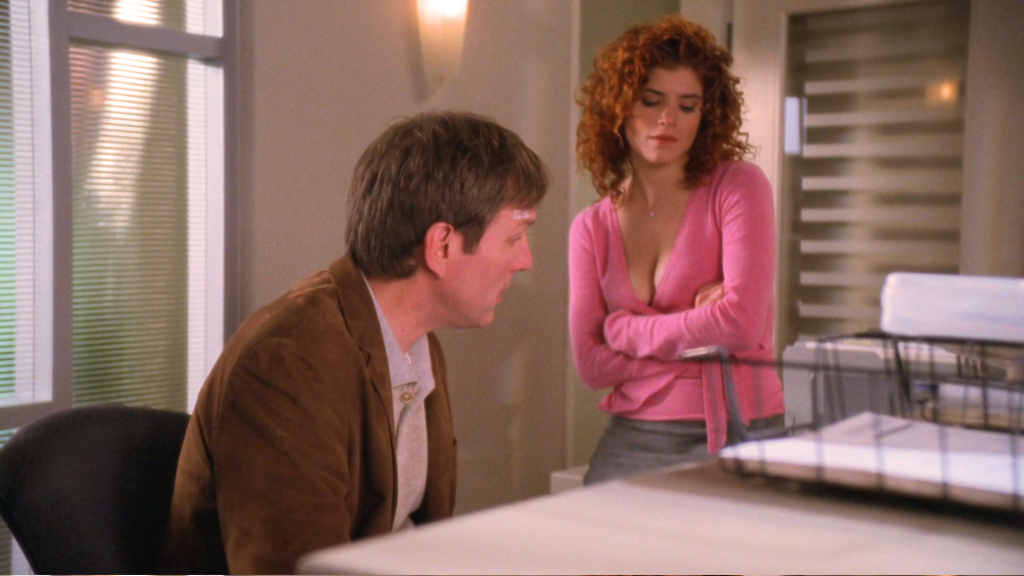
And then there is Corbin Bernsen as Cliff’s lawyer, which is the sort of casting that immediately improves a movie by about fifteen percent. I have a huge fondness for Corbin Bernsen slumming in this kind of material, and he gets the episode’s best line: “What do I know about souls? I’m a lawyer.” That is nearly enough to justify the entire episode by itself.
The Good
The basic setup is strong. A man wants to disconnect his horribly injured wife from life support, but his motives are compromised by adultery, money, guilt, and self-interest. That is a solid little horror engine. It gives the episode enough moral ambiguity to keep things interesting, especially in the first half.
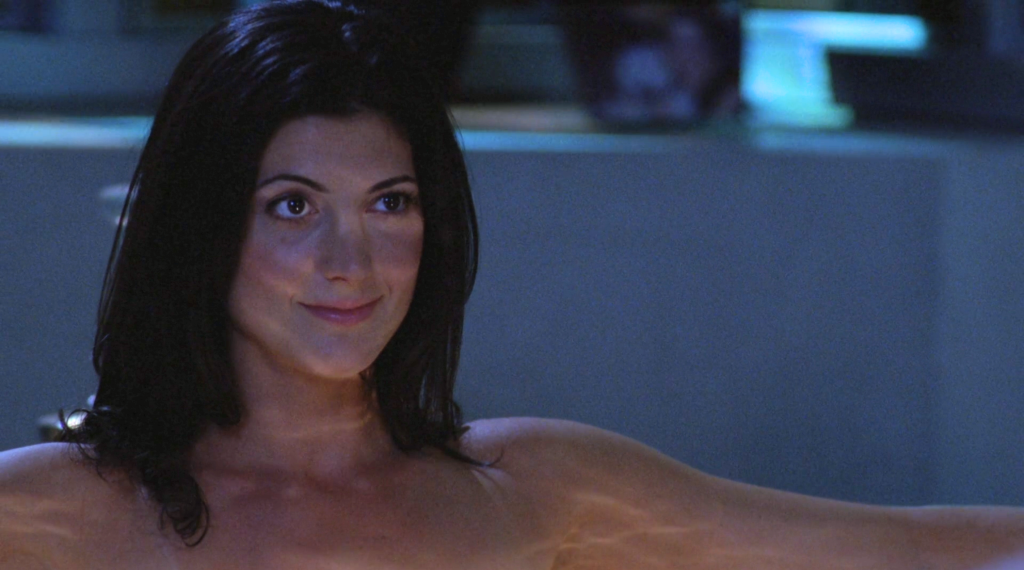
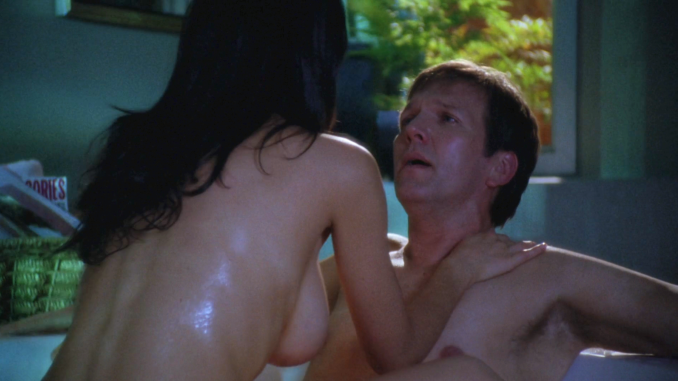
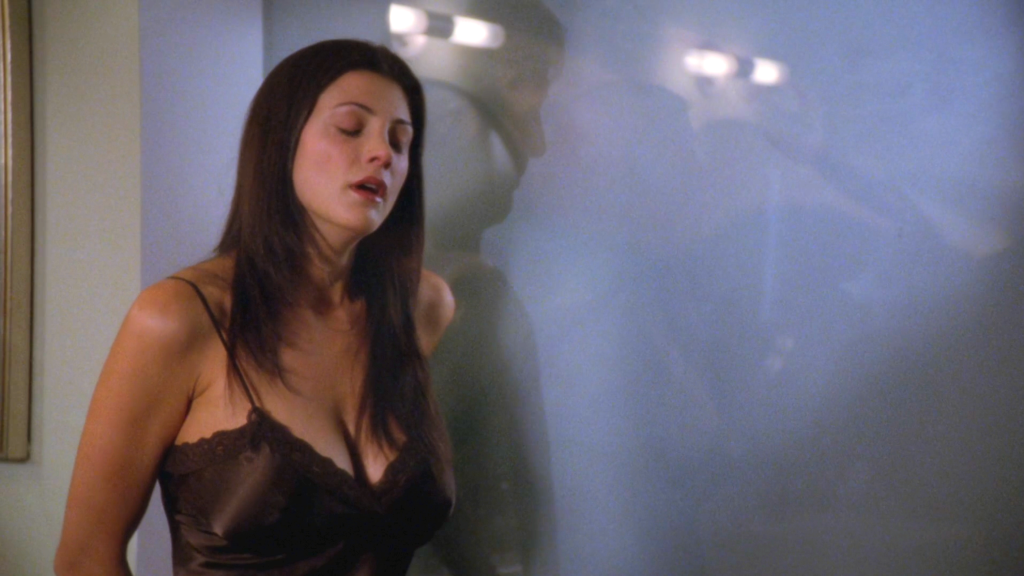
The ghost effects are also surprisingly effective. There is a bathtub scene that manages to be scary and sexy at the same time, which is Masters of Horror operating exactly as advertised. The episode understands the old horror-comic formula: guilt, lust, money, punishment, and a body count.
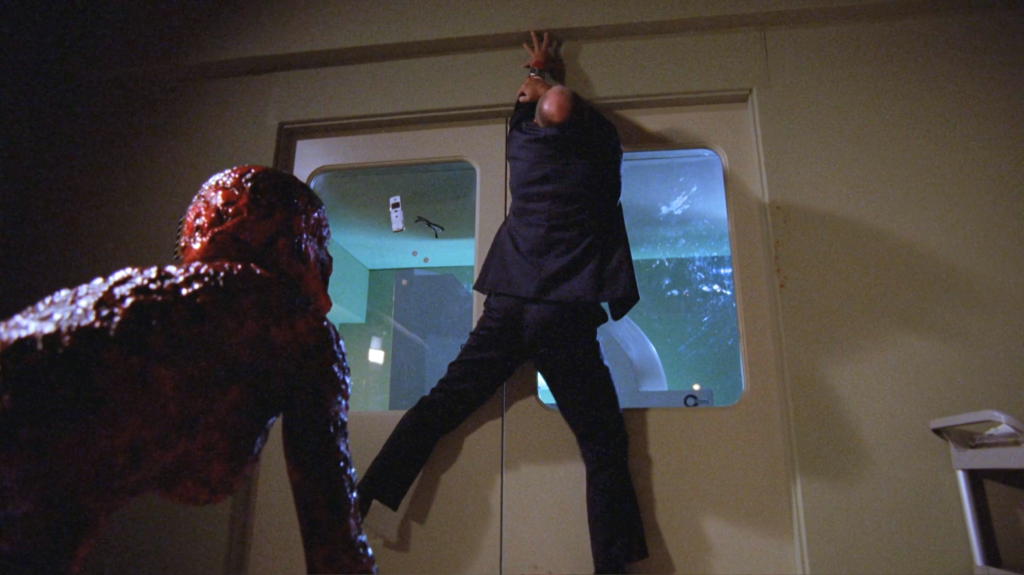
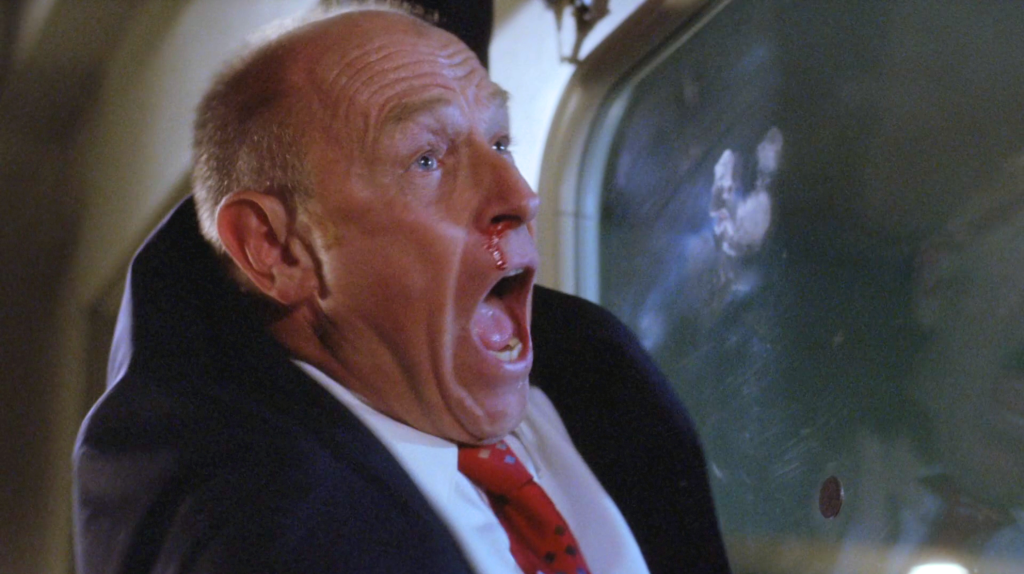
The gore is also properly gory. There is an MRI death that feels like it wandered in from Final Destination Bloodlines, and I mean that as praise. It is nasty, direct, and memorable. The episode is not shy about the fleshier aspects of the story, whether that means burn makeup, death scenes, or nudity. In this kind of production, coyness would be a greater sin than excess.
The performances are good enough for what the material requires. Cliff has to sell shock, grief, lust, and selfishness, and for a good portion of the episode he does that reasonably well. The early version of the character is the most interesting one: a weak, compromised man in a horrifying situation, not innocent but not entirely monstrous either.
And again, Corbin Bernsen. Every time he is on screen, the episode gets a little better.
The Bad
The fundamental problem with Right to Die is that it loses confidence in its own ambiguity.
For much of the episode, Cliff works because he is morally messy. He is an adulterer. He is selfish. He is thinking too much with his dick. He may even be thinking about the money. But he is also in a genuinely awful situation, and wanting to pull the plug on his burned, suffering wife is not automatically evil. There is a version of this story where he is a weak man who makes bad choices, and the horror comes from the fact that bad choices can still lead to disproportionate punishment.
Unfortunately, the episode eventually gives us more flashback material that makes the relationship much clearer and Cliff much more obviously villainous. That takes away a lot of the interesting tension. Instead of being a compromised person trapped in an awful moral problem, he becomes a more of a poorly calculating bad guy.
That damages the final twist. The ending would be much stronger if Cliff were a relatively ordinary sinner who had created his own hell through lust, cowardice, and selfishness. Making him too guilty simplifies the story. It turns a nasty little moral dilemma into a more routine bad-man-gets-punished structure.
The dental assistant is also extremely broad. Again, this mostly fits the Tales from the Crypt tone, but there are moments where she feels less like a person and more like a plot device with breasts. That is not exactly unheard of in Masters of Horror, but it is still worth noting. (In fairness, they are very nice breasts.)
The Ugly
The ugly is, in many ways, the point. This is a story about a woman burned beyond recognition, kept alive by machines, while the people around her argue about morality, money, guilt, and convenience. It is a pretty nasty premise, and the episode does not exactly treat it delicately.
The wife is both a suffering human being and a supernatural instrument of revenge. That is pulpy, but it is also unpleasant in the way old horror comics were unpleasant.
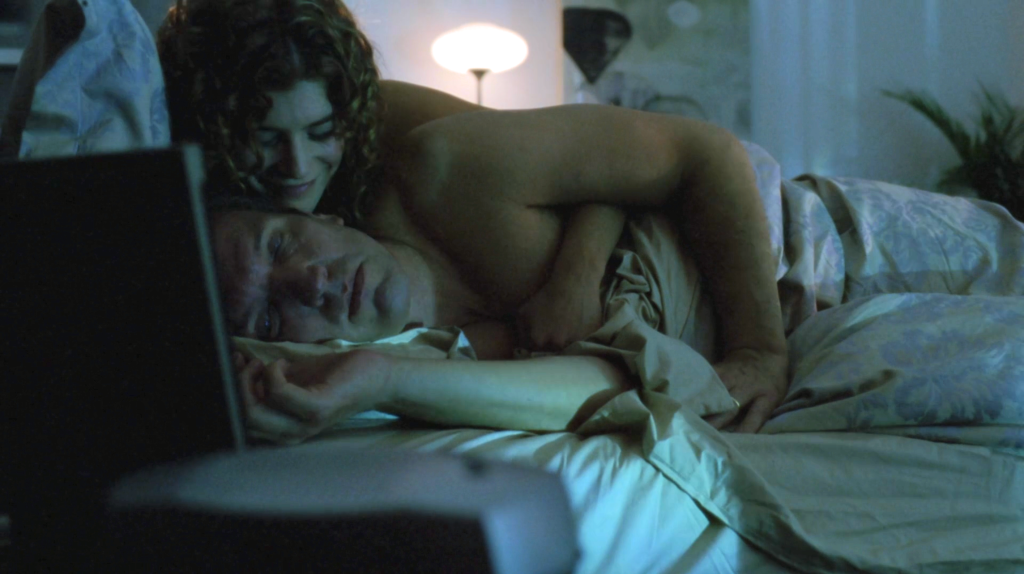
The gore works. The MRI death is a highlight, and the episode earns its place in the series by providing a few proper splatter moments. It is not merely suggested horror. Bodies are damaged. Flesh matters. Medical equipment becomes threatening. Sex and death are tangled together in that specific late-night anthology way.
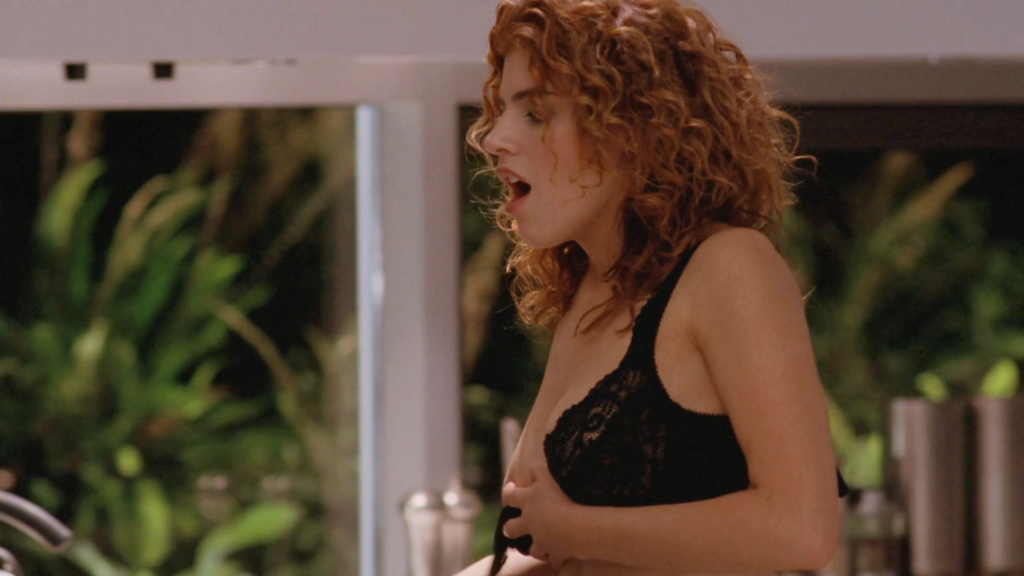
The episode also has decent, well-lit nudity, which sounds like a crude thing to mention, but with Masters of Horror, it is part of the format. If the series is going to act like a prestige horror anthology while also behaving like a cable exploitation show, then it should at least commit to both sides of that identity. Right to Die does.
In Conclusion
Right to Die is not top-tier Masters of Horror, but it is a perfectly watchable entry. It has a strong premise, some good ghost effects, a nasty sense of justice, memorable gore, and Corbin Bernsen wandering in to steal scenes as a lawyer who knows exactly how little he knows about souls.
Where it stumbles is in the final twist. The episode would have been better if it had trusted the moral ambiguity of its setup. Cliff did not need to become an obvious monster. He was more interesting as a weak, horny, compromised man who might still be making the correct medical decision for all the wrong reasons. By making him an undisguised bad actor, the story undercuts some of its own power.
Still, this is the sort of hour-long horror pulp that Masters of Horror was built to deliver. It is gory, sexy, mean-spirited, and simple enough to enjoy without too much heavy lifting. Not a classic, but very much in the spirit of the series.
Corbin Bernsen alone nearly gets it over the finish line.