
Covenant: An agreement that usually ends with a spaceship full of facehuggers
Alien: Covenant (2017): 6 out of 10: Ridley Scott’s Alien: Covenant starts out much better than it has any right to. In fact, for the first fifteen or twenty minutes, it is almost painfully good. It is serious, chilly, visually handsome science fiction with a crew facing a believable disaster, a sudden loss of command, and the very real weight of a colony mission that has gone badly wrong before it has even really started.
Then, unfortunately, it becomes an Alien movie.

That may sound like a strange complaint about a movie with Alien in the title, but it gets to the heart of the problem. Alien: Covenant is at its best when it is about a damaged colony ship, a flawed new captain, and the terrifying practicalities of trying to preserve thousands of sleeping colonists and embryos in deep space. It is at its worst when it decides it needs to explain where the aliens came from, who made them, and why the Xenomorph apparently needed a creepy android origin story.
The original Alien did not need homework. It needed a dark ship, a horrible creature, and people who did not understand what they were dealing with. Covenant keeps mistaking explanation for depth.

The Good
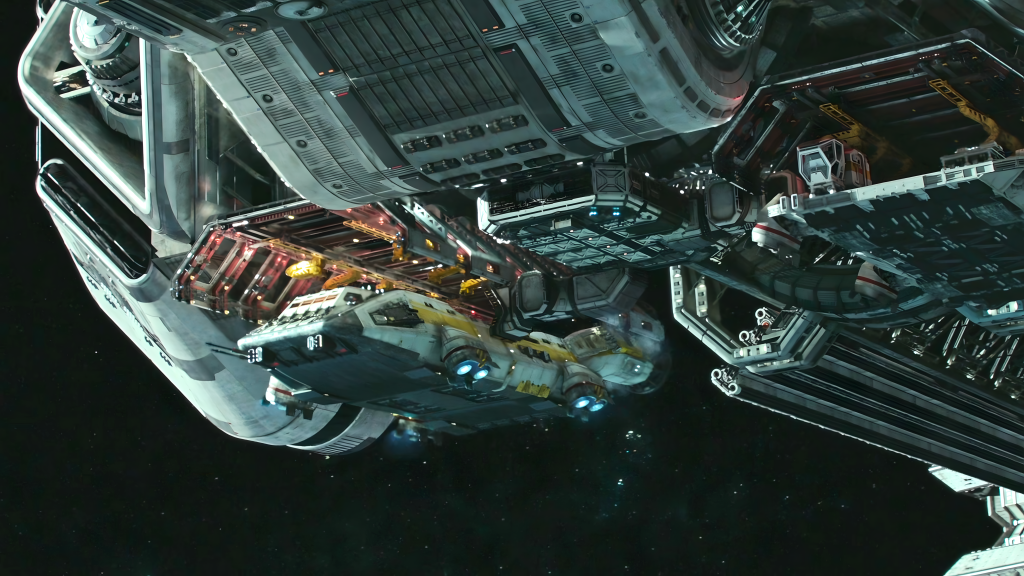
This is a beautifully made film. Ridley Scott can still shoot the hell out of science fiction, and Alien: Covenant has an enormous amount going for it visually. The landscapes are gorgeous, the action sequences are crisp, and the production design has that expensive, grimy, industrial polish that the Alien universe really needs. Even when the story is driving directly into a ditch, it is doing so in a very handsome vehicle.
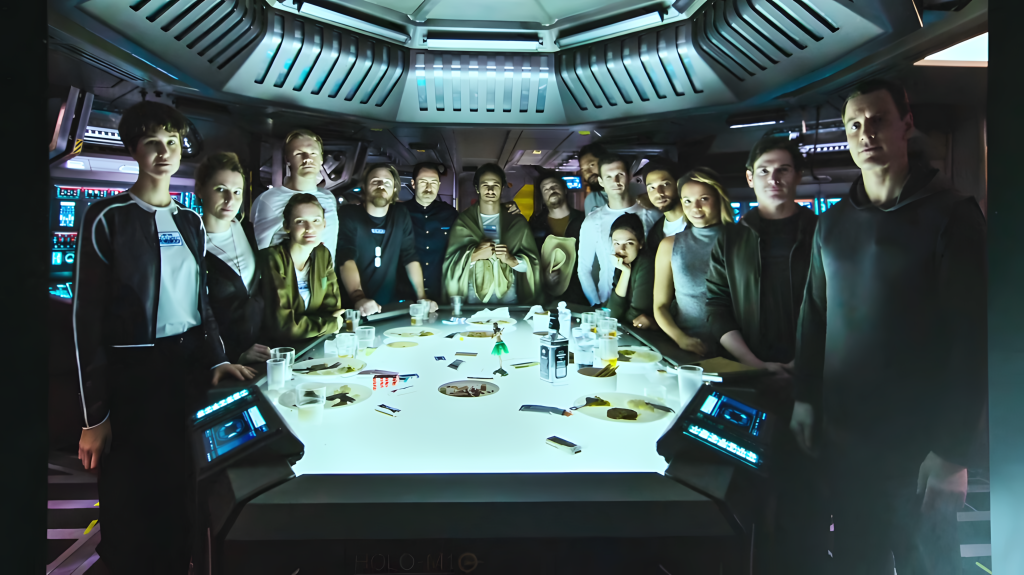
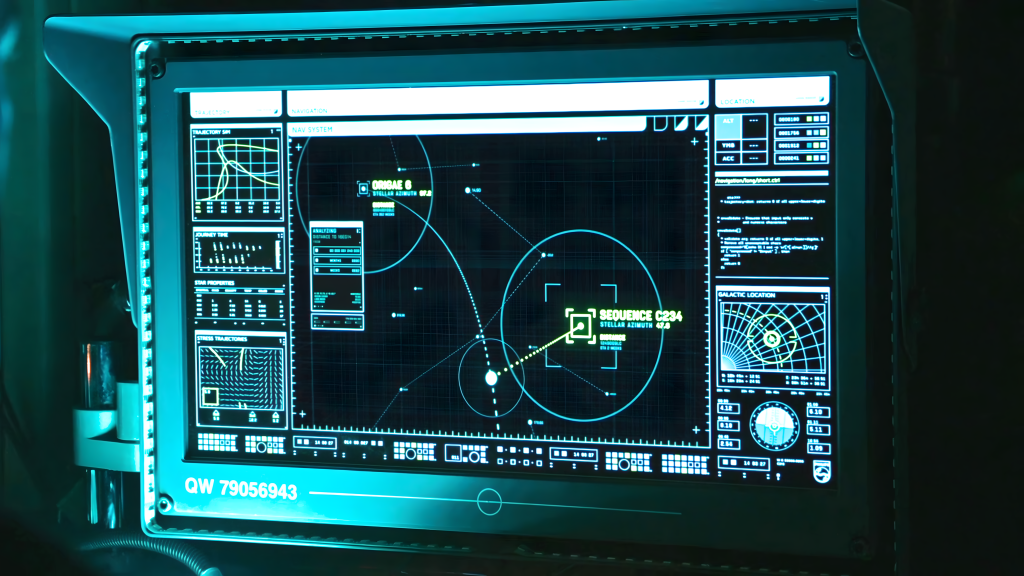
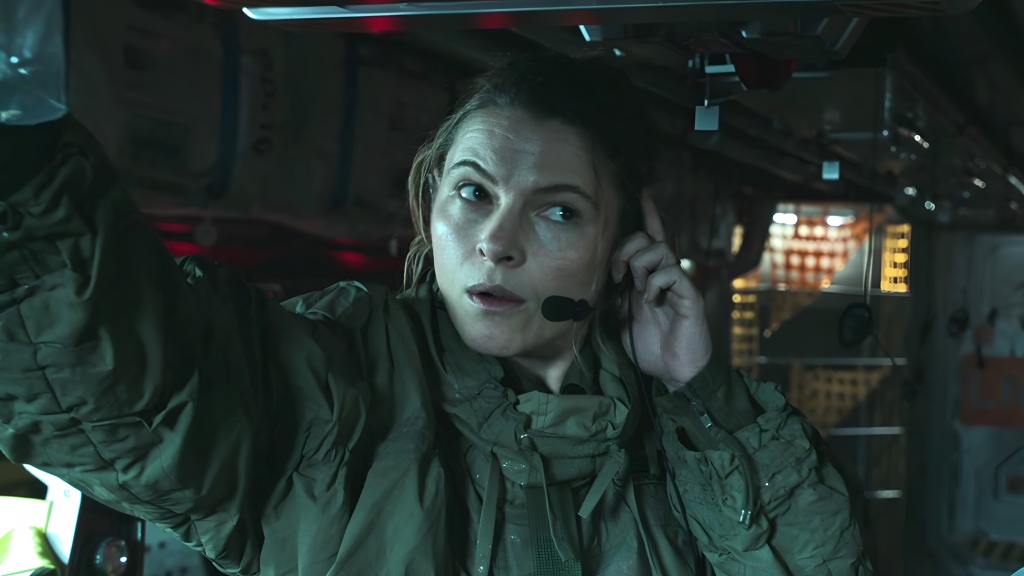
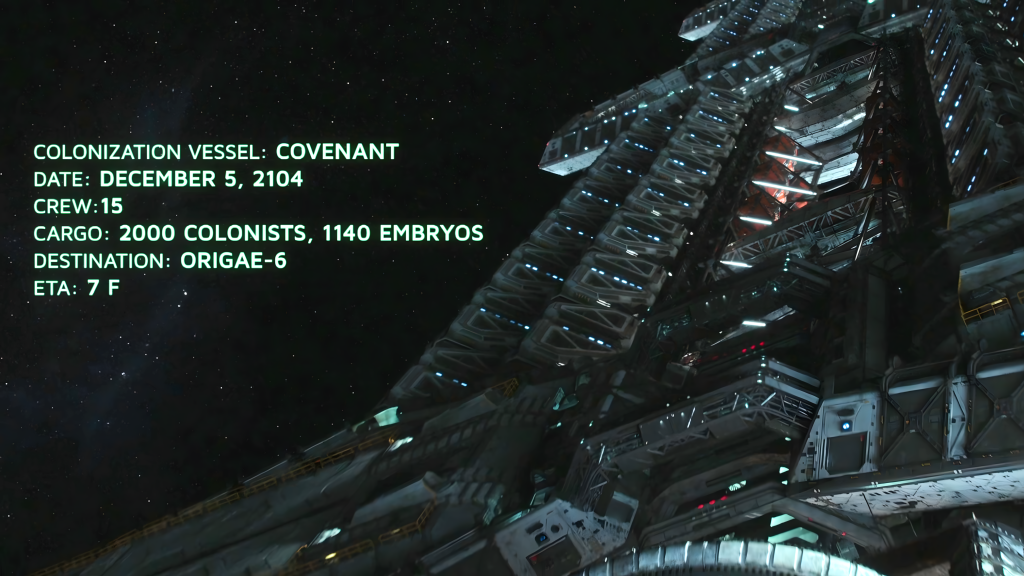
The opening is genuinely strong. The Covenant suffers a relatively minor accident by science fiction standards, but the consequences are serious: the original captain is killed, colonists and embryos are lost, and the crew is suddenly forced to deal with grief, panic, and a new command structure. That is a good setup. That is adult science fiction. That is the sort of thing that makes you wish the movie had the courage to stick with its own best ideas.
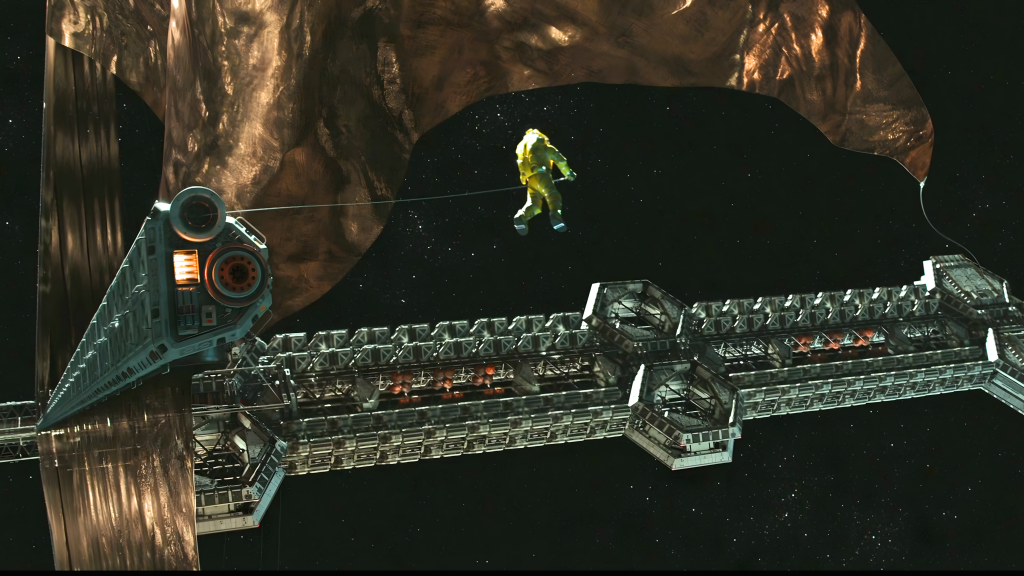
Billy Crudup’s new captain is also an interesting idea, at least at first. He is a man of faith, but the problem is not really his faith. The problem is that he seems to use his faith as a shield for insecurity. He assumes people distrust him because he is religious, when the more obvious explanation is that he is awkward, tone-deaf, and not especially good at command. His command not to have a funeral for the previous captain is amazingly tone deaf. He is very bad at reading the room.
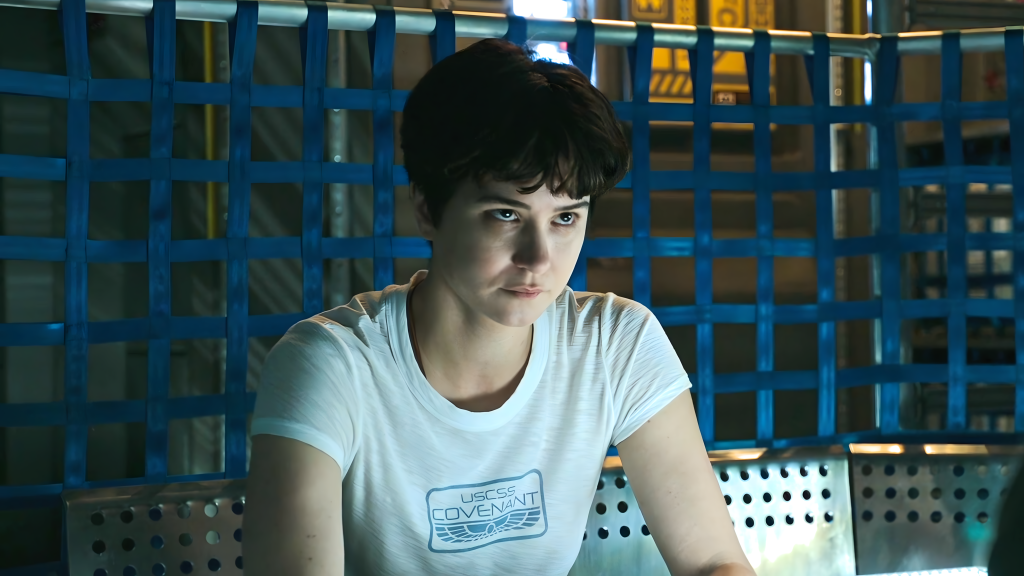
Katherine Waterston is excellent as Daniels. The Alien series has always been interesting in that it tends to center actresses rather than actors, and Waterston fits that tradition well. She is smart, grounded, and immediately more sensible than most of the people around her. The only problem is that the movie telegraphs her importance pretty early. One thing the original Alien did so beautifully was hide who the real protagonist was going to be. Covenant, like the recent Alien: Romulus, cannot quite recreate that surprise.
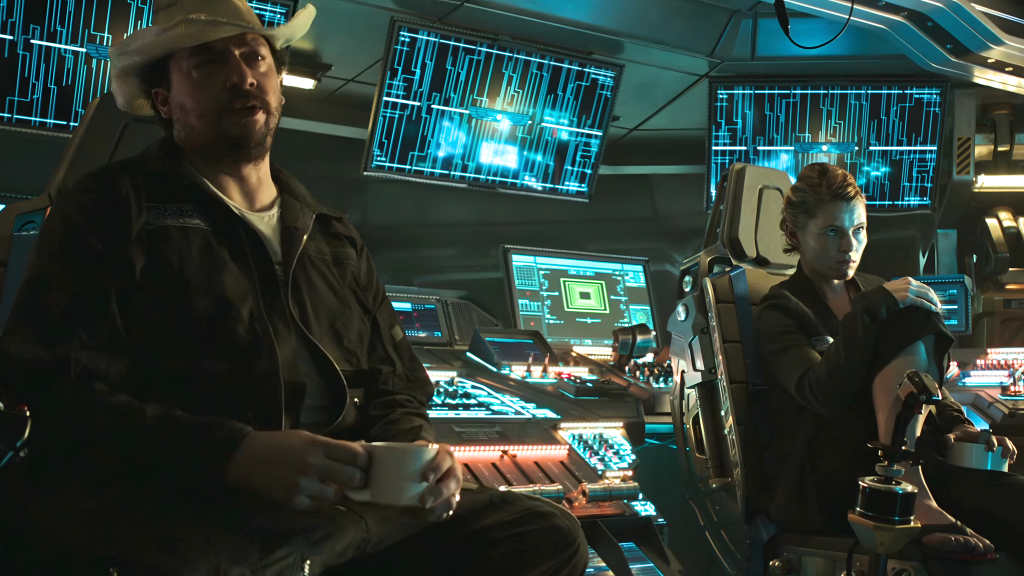
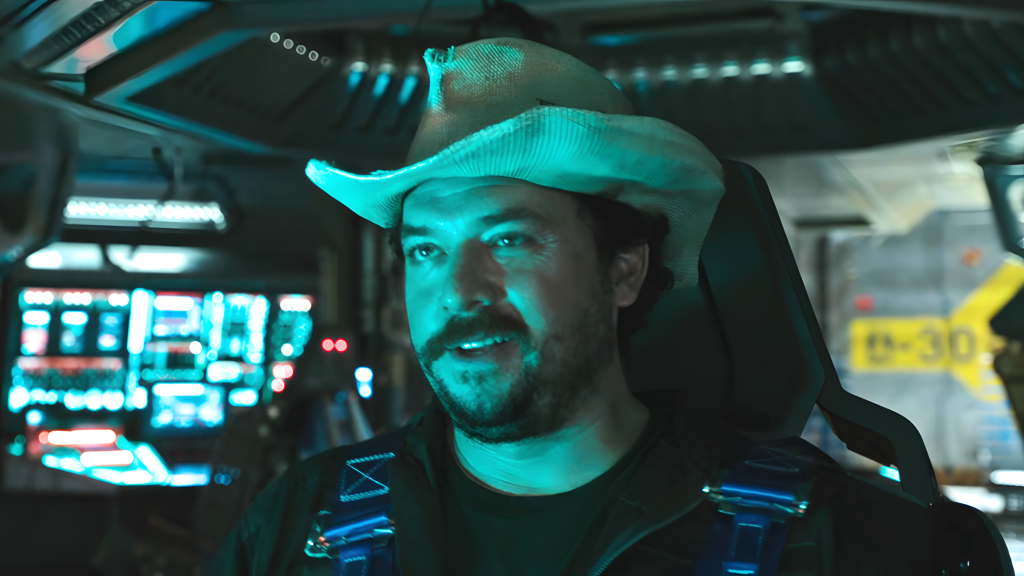
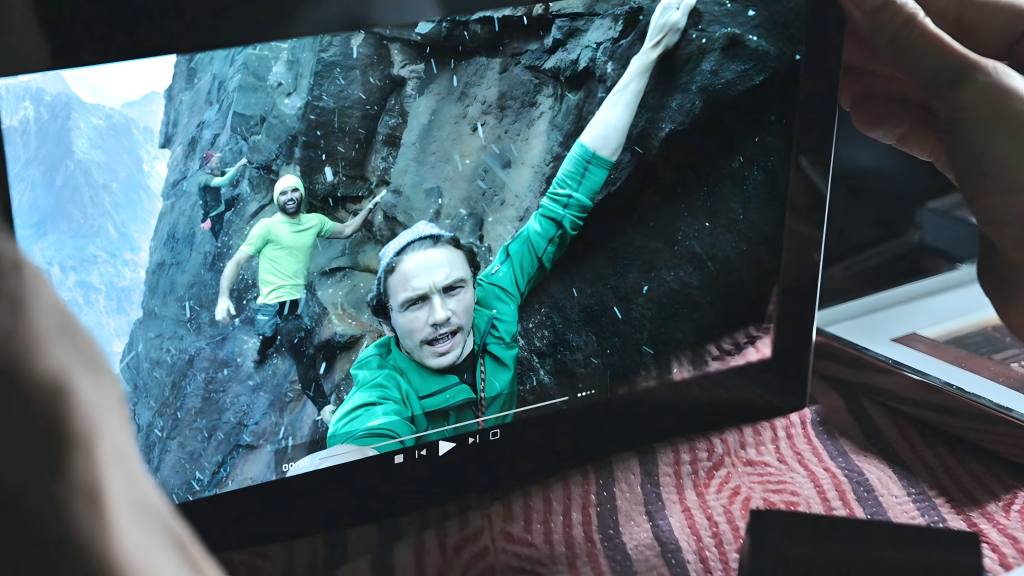
The cast is also stronger than the material. Danny McBride is surprisingly good in a straight dramatic role. Having mostly known him from broader comedy, it is nice to see him play things sincerely, and he does it well. Jussie Smollett is also here, which is a bit strange in retrospect because I know him more from the famous Chicago incident than from actually seeing him act in anything. James Franco even turns up in a brief cameo.
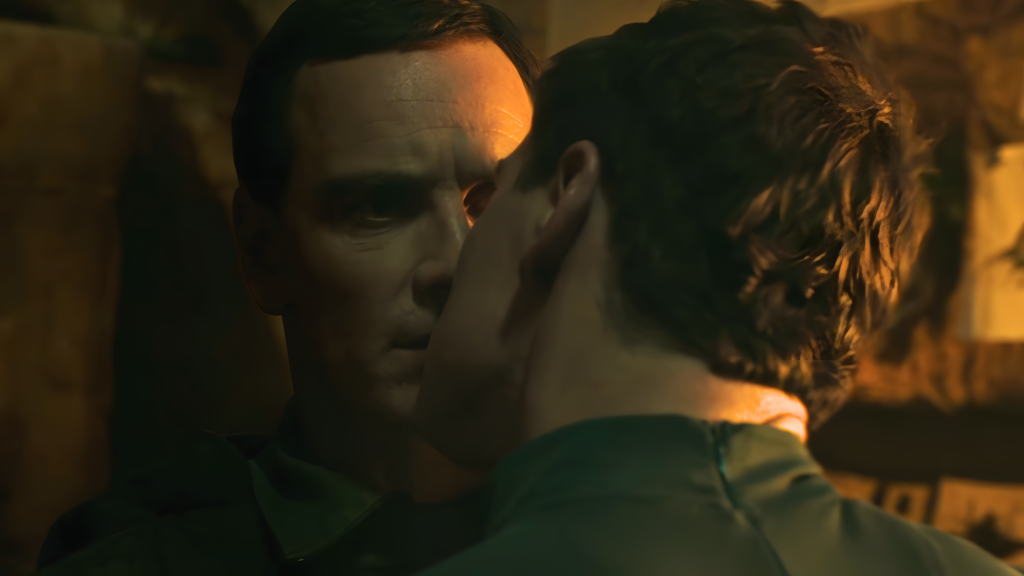
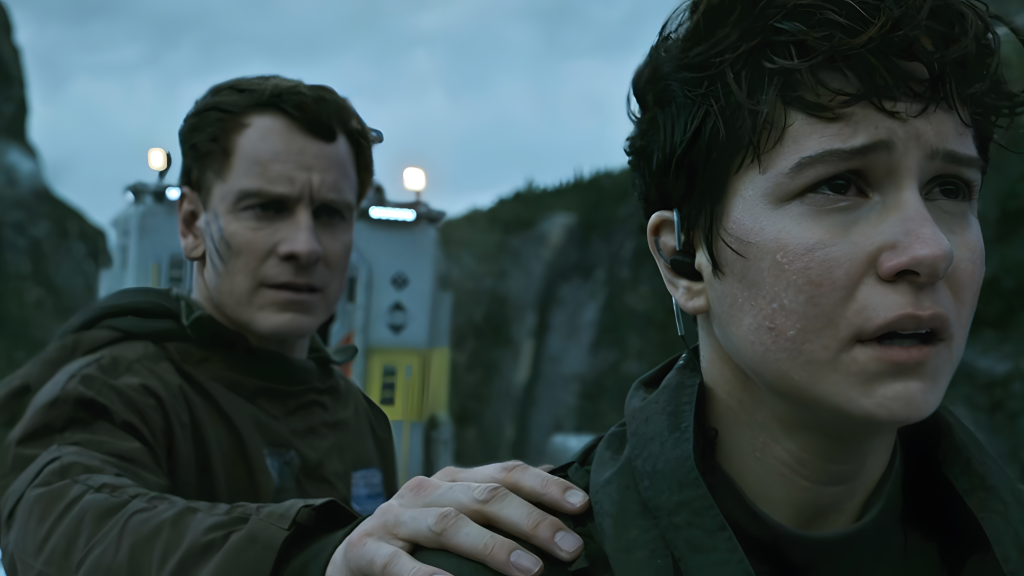
And then there is Michael Fassbender, playing both Walter and David. Fassbender is very good, and David remains one of the more interesting pieces of the Prometheus/Covenant branch of the franchise. Unfortunately, the movie loves David so much that it lets him eat the entire mythology.
The Bad
The story is horrible. Not the minute-to-minute writing, necessarily. Not the acting. Not the direction. The problem is the story itself. Alien: Covenant sets itself up as intelligent science fiction and then has everyone put on dunce caps the moment the plot needs them to.
The most obvious problem is the planet. The crew receives a mysterious signal from a seemingly habitable world and decides to investigate it. That part is not the issue. In fact, the captain is not wrong to check it out. If there is a planet that could shave years off the mission and serve as a better colony site, then of course it is worth investigating. Daniels is also right that it feels too good to be true, but “let’s take a cautious look” is not an insane command decision.

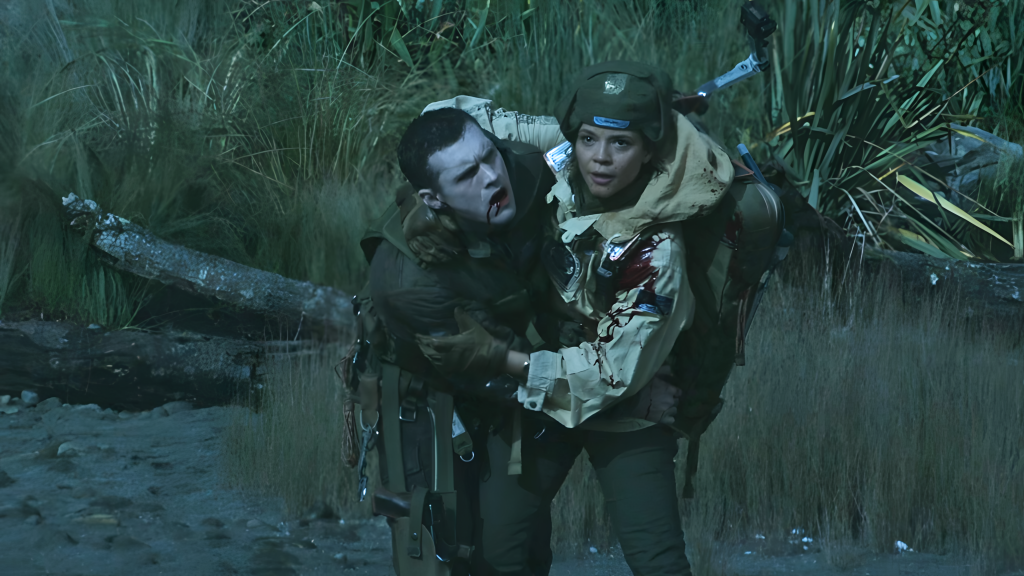
What is insane is landing on a completely unknown planet and immediately wandering around without proper protective equipment.
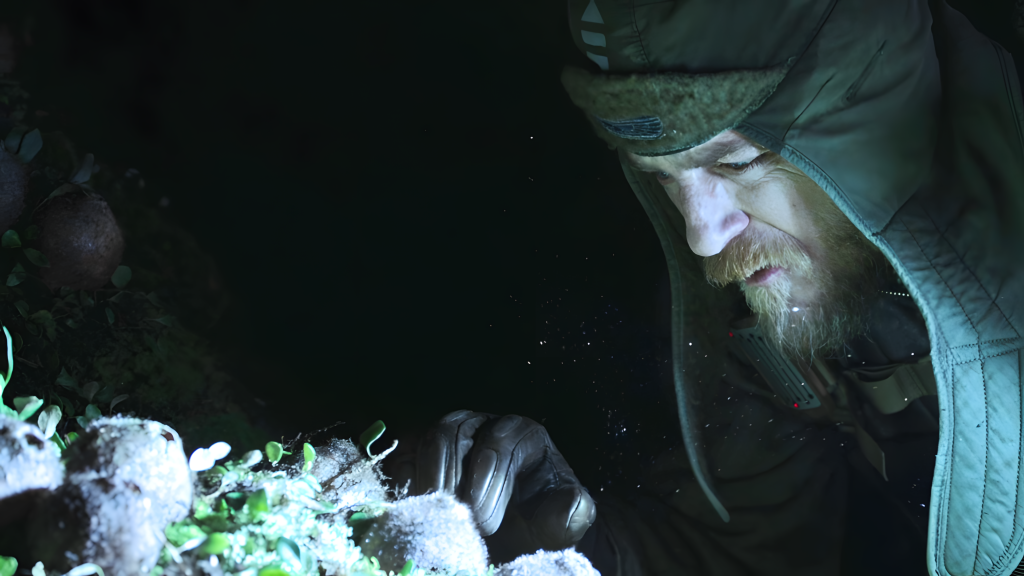
People still get plenty of shots before traveling overseas. Children get vaccinated before going to elementary school. Yet these supposed space professionals land on a never-before-explored planet and start strolling through alien vegetation as if they are visiting a state park. No helmets. No quarantine discipline. No serious biological caution. Just boots on the ground and alien spores in the lungs.

Prometheus had the same problem, and it remains bizarre. It is not just stupid. It is weirdly stupid. These are not drunk teenagers at Camp Crystal Lake. These are trained crew members responsible for thousands of colonists.
Then there is the wheat. They find cultivated Earth wheat on a planet that apparently has no wildlife, no birds, no insects, no bees, and no obvious functioning ecosystem. That is already biologically questionable. It becomes even more ridiculous when you remember that the one human who had been on the planet, Elizabeth Shaw, apparently would have needed to start a wheat farm miles away from where she landed. Biology is not this movie’s strong suit, which is clear enough from the fact that everyone is breathing in mystery fungus like it is aromatherapy.
The film also has the usual horror movie problem of people splitting up and walking down dark corridors in what is clearly a murder house. There is a point where you want to yell, “Hold on, I heard scratching noises down this wet corridor full of corpses. Let me leave my gun here and check it out by myself. Maybe I’ll have a cigarette or take a piss against the wall while I’m there.”
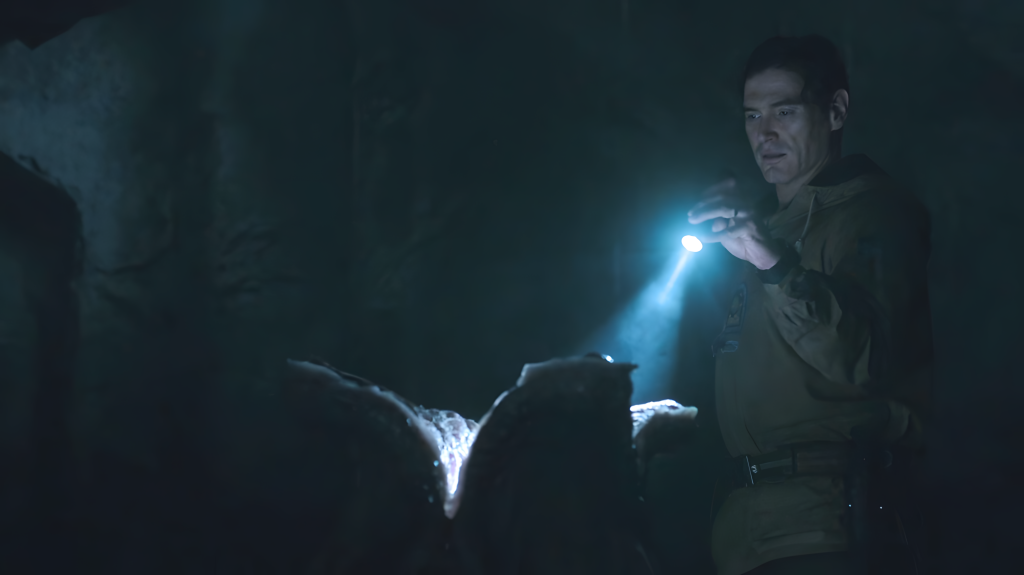
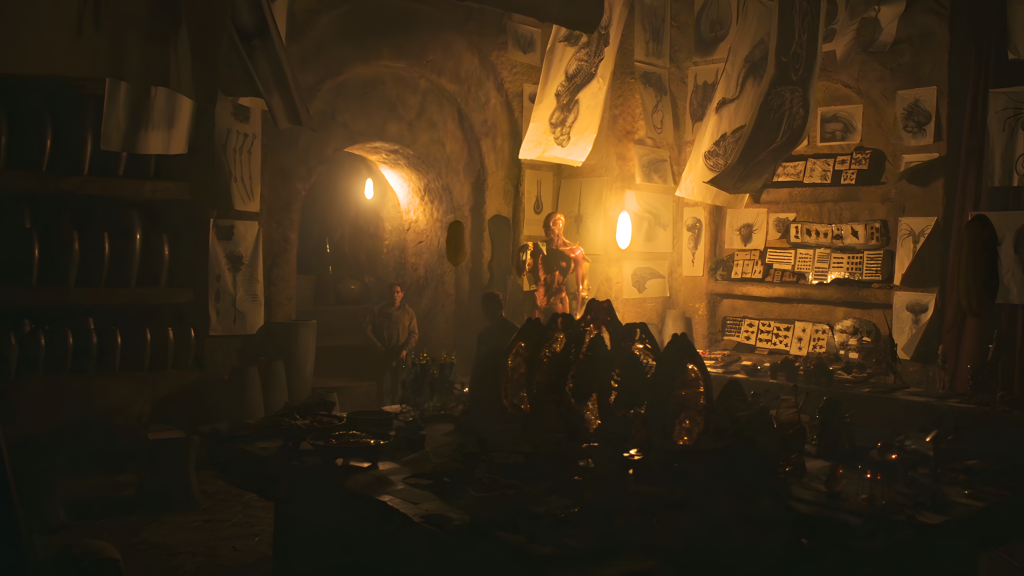
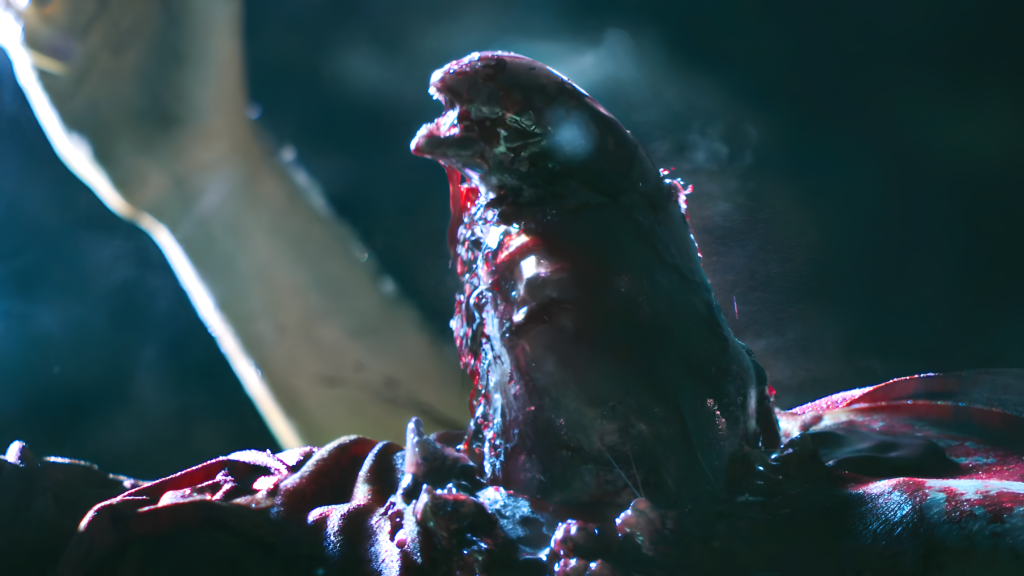
The worst offender is Oram following David into the egg chamber. By this point, David might as well be wearing a T-shirt that says, “I’m a sociopathic android, ask me how.” David tells him the alien egg is perfectly safe and invites him to stick his head near it. Oram, a man who has already seen enough death and horror to know better, does exactly that. Even by horror movie standards, this is a lot.

The shower-sex scene is another fine example. I understand this is a genre tradition. People have sex, then the monster kills them. Fine. But when fourteen of your friends and coworkers have recently died horribly, perhaps it is not the ideal time to get frisky in the shower. It is not quite as egregious as the ranger skinny-dipping in Grizzly, but it is close enough to send a Christmas card.

The Ugly
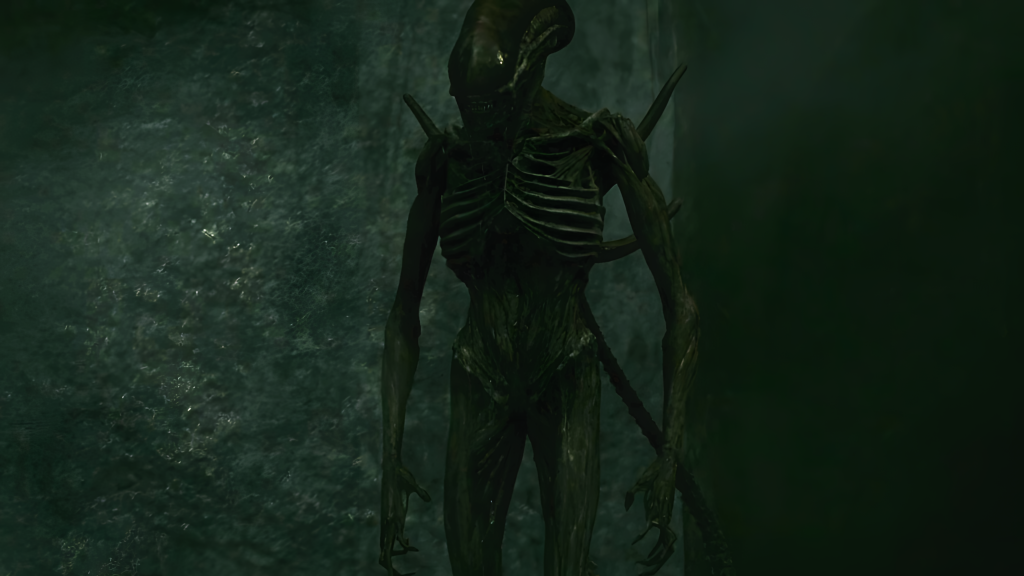
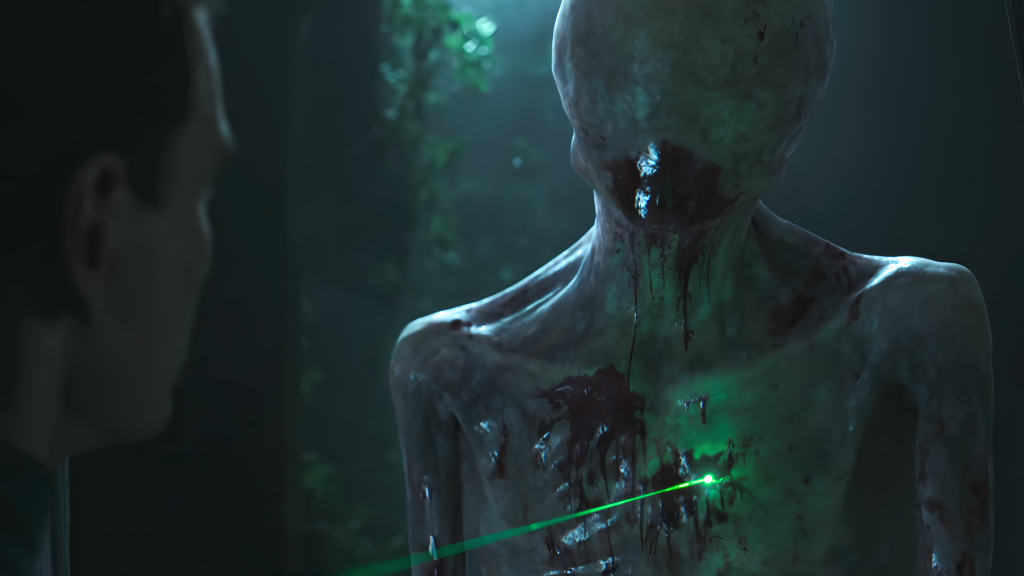
The ugly part is the mythology. The Xenomorph does not need an origin story. In fact, it is much better without one. The alien is frightening because it feels ancient, unknowable, and outside the scale of human understanding. It is not improved by turning it into the result of one android’s creepy biology project.
Yet that seems to be where Alien: Covenant wants to go. The aliens were created by David, who was created by man. That means the great cosmic nightmare at the heart of the franchise is now indirectly our fault, filtered through an android with a god complex and too much alone time in a laboratory.
This undercuts the entire point of the creature. The alien should feel like something we found in the dark, not something our household appliance invented after reading too much Shelley and Nietzsche.
This is where Covenant differs from Alien: Romulus. Romulus has its own timeline issues, especially in its opening. Some of that does stretch the space between Alien and Aliens in ways that do not entirely work. But Romulus does not depend on rewriting the entire theology of the franchise. It can still function as a standalone horror film. Covenant cannot. Its whole purpose seems to be explaining and reshaping the alien mythology, and the more it explains, the smaller and sillier everything becomes.

This is a common franchise disease. Star Trek has suffered from it. Star Wars practically built a second home there. Even Pitch Black, which was nearly perfect as a lean alien-style survival film, flew off the rails in the sequel by trying to explain far too much. Long-running comic book universes have to reset every decade not just to sell new number one issues, though I am sure that helps, but because after enough continuity the whole thing becomes a dog’s breakfast. So it is time to kill Uncle Ben again, have Batman’s parents take that shortcut through Crime Alley, and send another baby into a Kansas cornfield.
The Alien franchise already had a nearly perfect timeline with Alien and Aliens. It did not need this. If Scott wanted to make another colony meets xeromorph movie, the solution was easy: set it after Alien and Aliens. Make it 2304 instead of 2104. Have another colony discover another group of aliens. Problem solved. You get your monsters, your colony, your horror, and your action without trying to explain the unknowable into dullness.
The treatment of Elizabeth Shaw is also ugly in a very familiar way. After Prometheus, one might reasonably wonder what happened to the woman who survived that film and flew off in search of answers. Alien: Covenant answers that question by borrowing from the boldest possible source: Alien 3. That is not a compliment. Killing or disposing of a previous beloved characters offscreen is not a franchise tradition anyone needed revived.
In Conclusion
Alien: Covenant is a frustrating movie because it is not badly made. If anything, it is almost too well-made for its own good. The direction is strong; the cast is solid; the scenery is magnificent, and the opening suggests a much smarter and more interesting film than the one we eventually get.
The problem is that the movie wants to be serious science fiction while making its characters behave like idiots. It wants to expand the Alien mythology while actively making that mythology less interesting. It wants to give the Xenomorph an origin story when the best possible origin story is still: we found something horrible in space and never should have touched it.

There are ways to expand a classic franchise intelligently. Landing helmetless on a mystery planet, sniffing mushroom dust, trusting the obviously evil android, and turning the alien into a robot’s art project are not among them.
For twenty minutes, Alien: Covenant looks like it might be a great Ridley Scott science fiction film. I mean, it has gore, aliens, hell it has a shower scene for God’s sake. It is gorgeous with the high budget on the screen. It tries to be an intellectual’s Alien, with high-level philosophy and quotes from Byron and Shelley. But God, it is so dumb.