Baby, I don’t care.
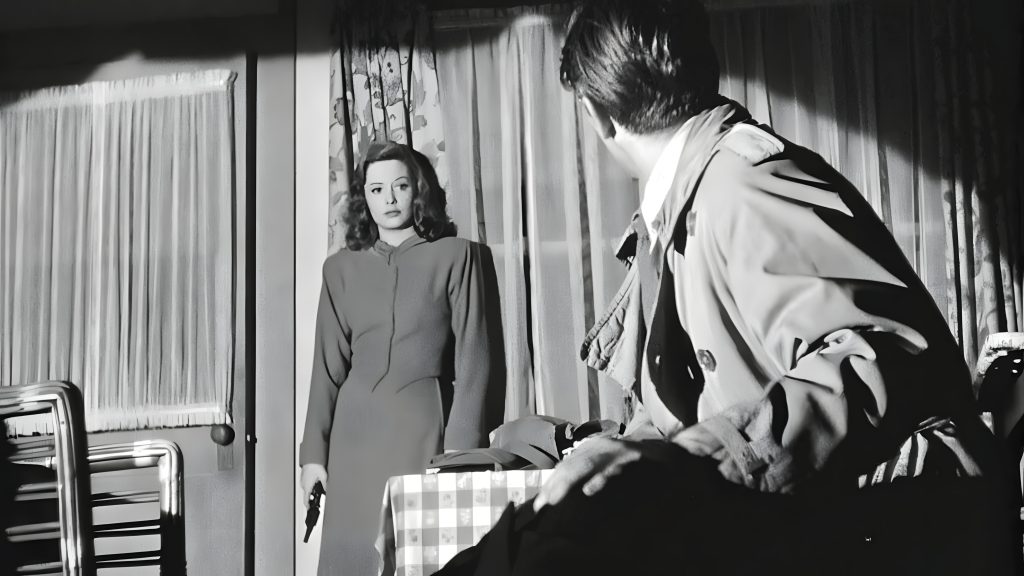
Out of the Past (1947): 9 out of 10: In Out of the Past, Robert Mitchum plays Jeff Bailey, a small-town gas station owner whose quiet new life is interrupted when an old job catches up with him. Before he was pumping gas and trying to live like an ordinary man, Jeff worked as a private detective. One assignment, involving a dangerous gambler, a missing woman, and a large amount of money, sent him down the kind of road that film noir tends to pave with cigarette ash, bad decisions, and beautiful women who are very bad for your long-term health.
Is Out of the Past is a true film noir. It has the doomed hero. It has the haunted past. It has the femme fatale. It has the morally polished but deeply rotten villain. It has shadows, smoke, betrayal, and the overwhelming sense that everyone involved should have made better life choices ten years earlier. Most importantly, it has dialogue so sharp it will cut you.
The Good
The first and most obvious good is Robert Mitchum. This is one of those performances that looks easy until you imagine literally anyone else trying to do it. Mitchum does not push. He does not strain. He does not announce that he is playing a weary, cynical man. He simply exists on screen with the air of someone who has already accepted that life is a rigged card game and is mostly annoyed that he still has to sit at the table.
There is a line late in the film where someone says that nobody can be all bad and that there must be something good about a certain woman. Mitchum replies, “Yeah, that’s true. But she comes the closest.”
That is the kind of line that could turn into camp in the wrong hands. Mitchum makes it sound like a weather report. Not dramatic. Not theatrical. Just true. That is his great trick in the film. He delivers noir dialogue as if it is not noir dialogue, but just the natural language of a man who has been hit in the soul with a tire iron.
Even a simple line like “Baby, I don’t care” becomes something special with him. On paper, it is nothing. Onscreen, it lands with this perfect directness and world-weariness. It is not apathy in the lazy sense. It is the sound of a man who has measured the situation, measured himself, and decided there is no longer enough emotional energy left to pretend.
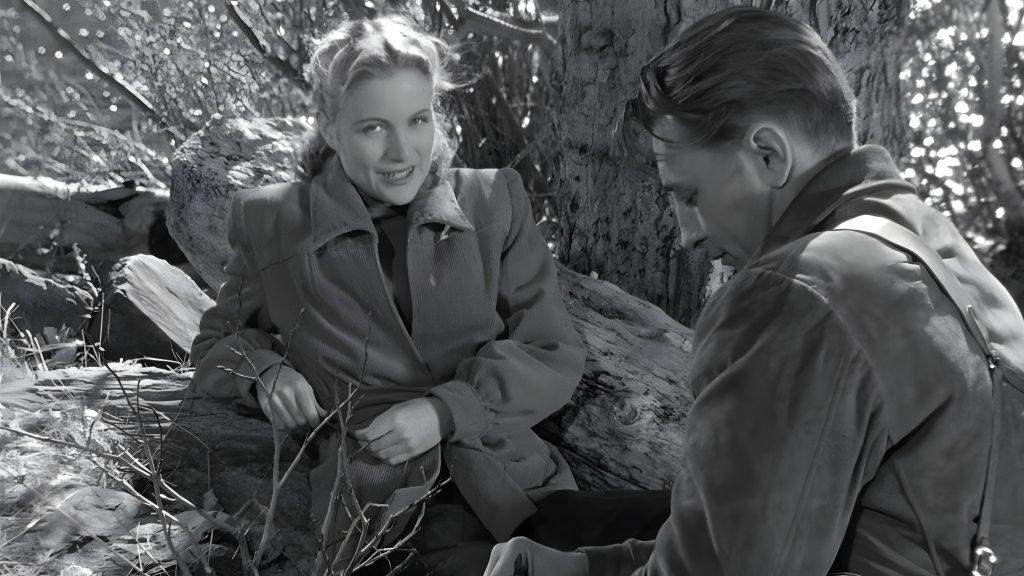
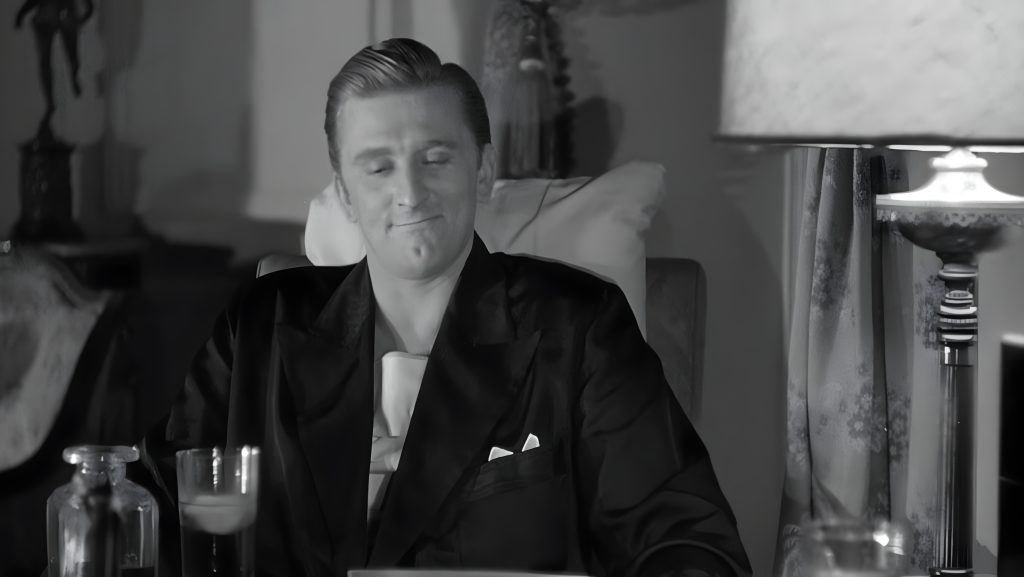
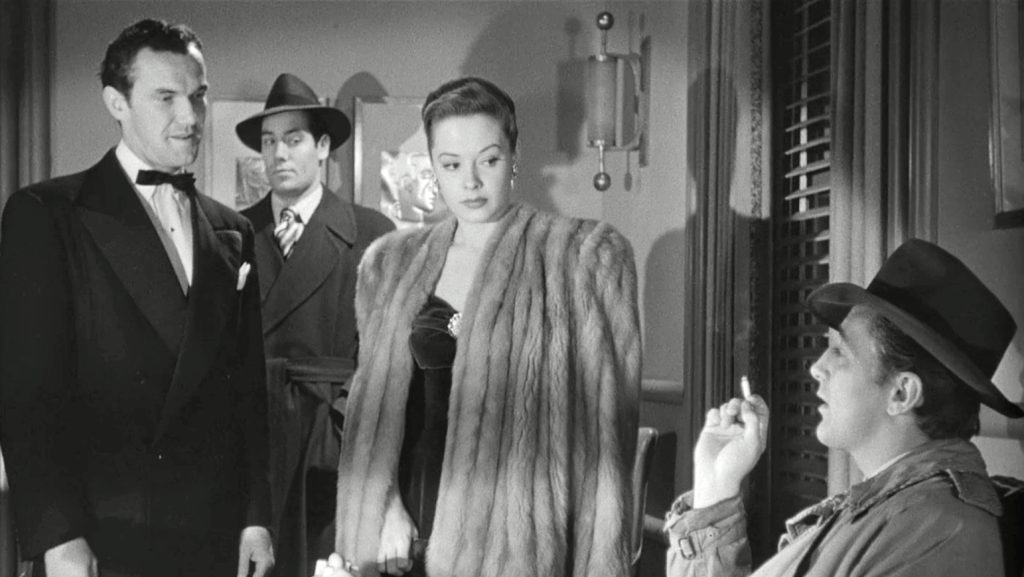
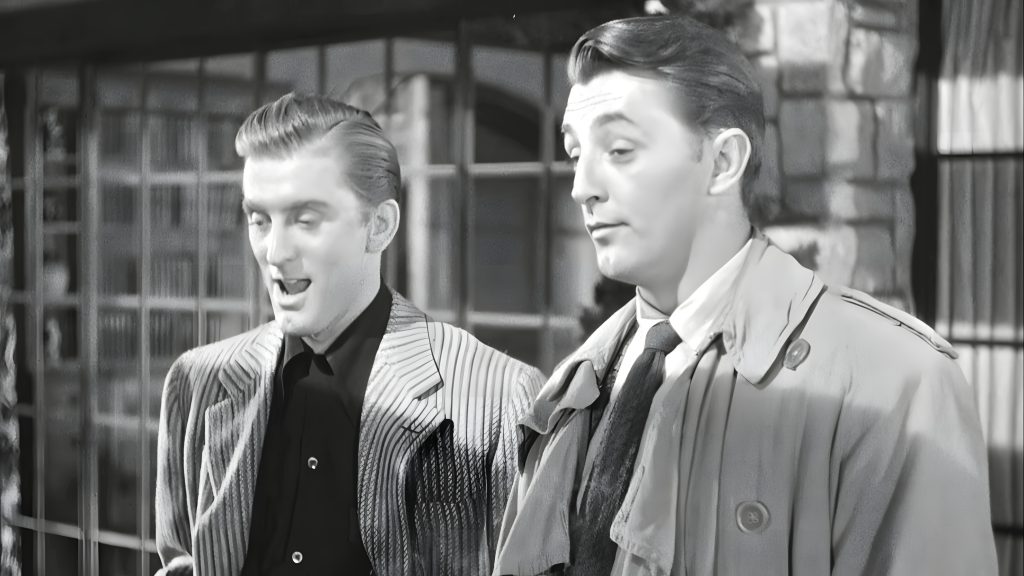
Kirk Douglas is equally fascinating, partly because he is still young enough here that you feel like you are watching the Kirk Douglas persona being assembled in real time. He was not yet the full granite-jawed icon he would become, but all the pieces are already there: the grin, the charm, the aggression, the danger under the manners. He plays Whit Sterling as the kind of man who can be friendly, generous, and completely terrifying without changing his tone very much.
Whit is a “businessman” in the noir sense, which means he has money, expensive clothes, and probably several people buried in places where the zoning board will never look. Douglas gives him a slickness that makes him more interesting than a standard heavy. He is not just a brute. He is worse. He is a brute with polish.
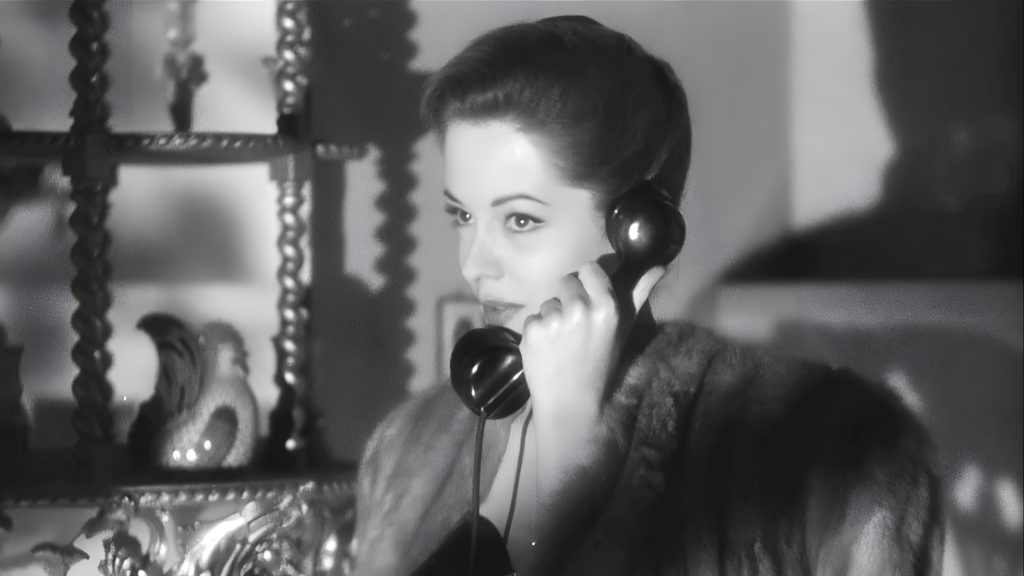
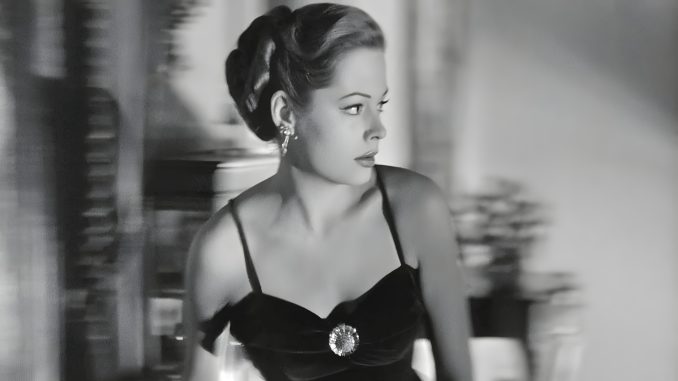
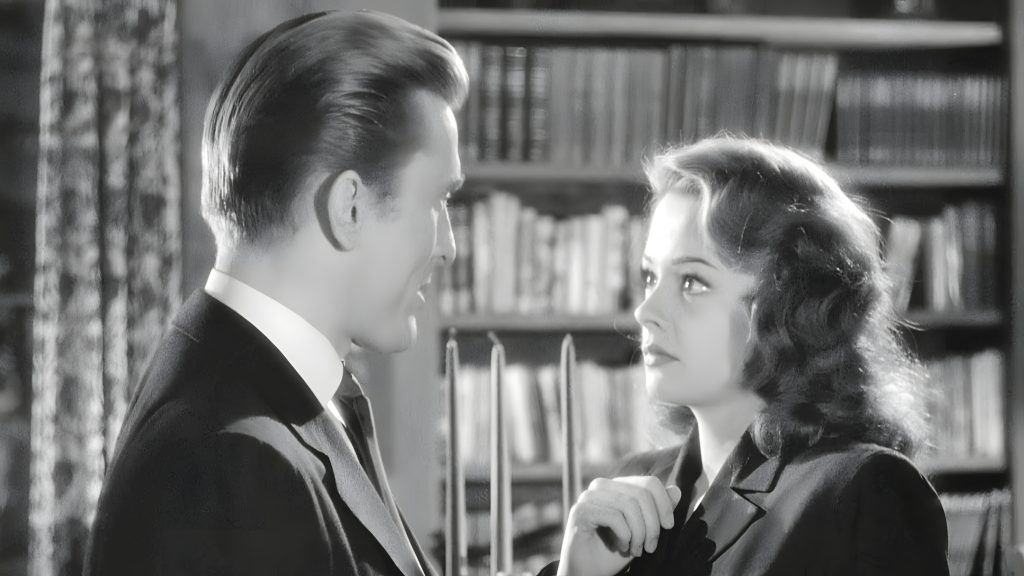
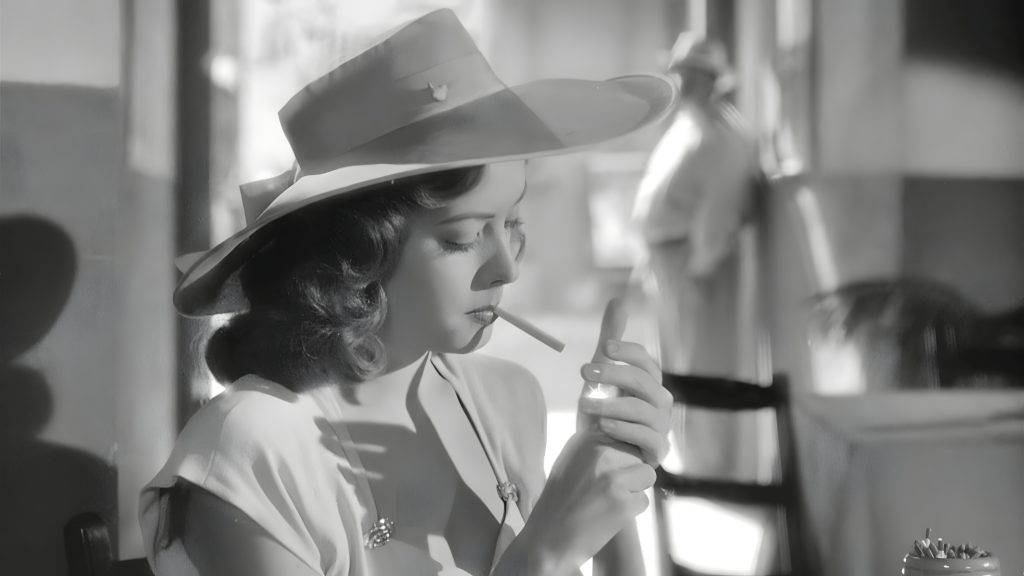
Then there is Jane Greer as Kathie Moffat, and she is the reason the entire machine works. The femme fatale in a movie like this has to be both femme and fatal, and she absolutely is. Greer does not play Kathie as some obvious cartoon spider woman, which is why she is so effective. She is soft when she needs to be soft, frightened when that will work, seductive when that will work, and then suddenly you get a look in her eyes and realize this is not a woman you should leave alone with firearms, money, or your future.
She is less a mastermind than a force of nature. That is part of what makes her dangerous. She does not always seem like she has a ten-step plan. She seems like someone who will do whatever is necessary in the next ten seconds, and heaven help whoever happens to be standing nearby. There is a turn she does with her eyes that is as good as any monologue. You can practically see the mask shift.
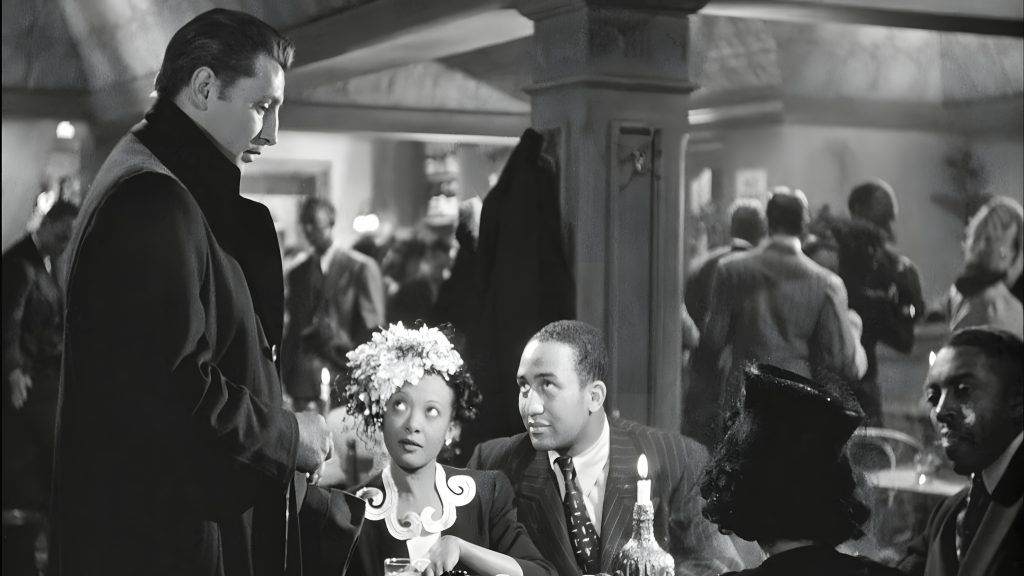
The movie also looks wonderful. The location shooting gives it a sense of texture that a lot of studio-bound noir can lack. We get Mexico, San Francisco, and Lake Tahoe, and the movie becomes a surprisingly good travelogue of doomed decisions. The Mexico scenes have heat and romance. San Francisco gives us the urban machinery of noir. Lake Tahoe, meanwhile, kept giving me Godfather Part II flashbacks, which is not a bad thing unless you are one of the people in the movie, in which case Lake Tahoe rarely means a happy ending.
But the biggest good may be the writing. The dialogue is just magnificent. Noir dialogue can sometimes tip into self-parody when viewed from a modern perspective. It can feel like everyone is competing in the Olympic finals of saying things sideways. Out of the Past avoids that because the lines are sharp, but the performances keep them grounded. The dialogue has style, but it does not feel like decoration. It feels like armor. These people talk this way because direct honesty would leave too much skin exposed.
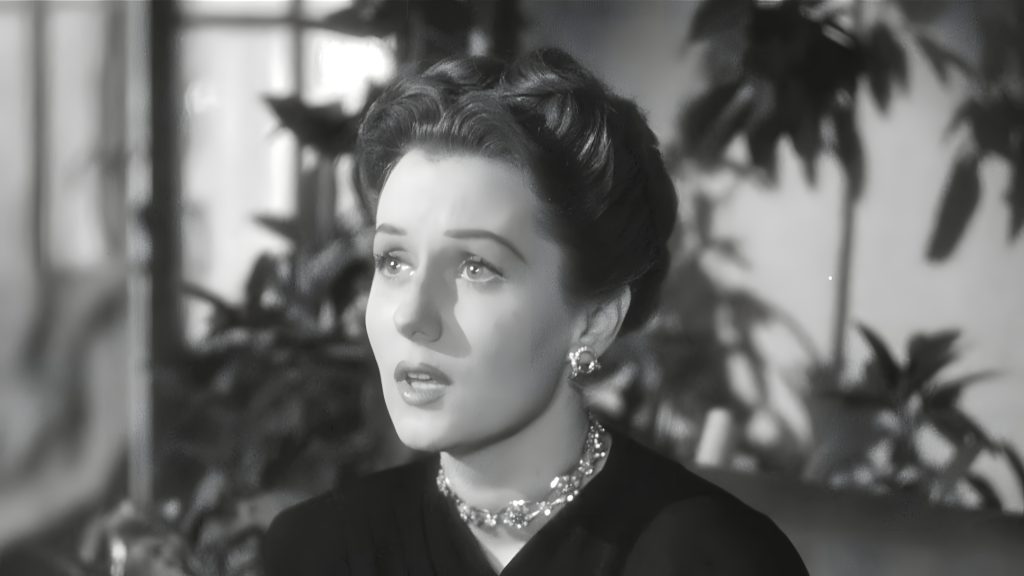
Out of the Past has a way of turning simple dialog into memorable magic. Such as a scene with a roulette table.
- Jeff: That’s not the way to win.
- Kathie: Is there a way to win?
- Jeff: There’s a way to lose more slowly.
The film is also beautifully economical. It does not waste time. It does not stop every ten minutes to explain itself to people who were not paying attention. It moves with confidence, trusting that the viewer can follow the betrayals, motives, and reversals. That confidence is refreshing. There is not a lot of fat here. There is barely any gristle.
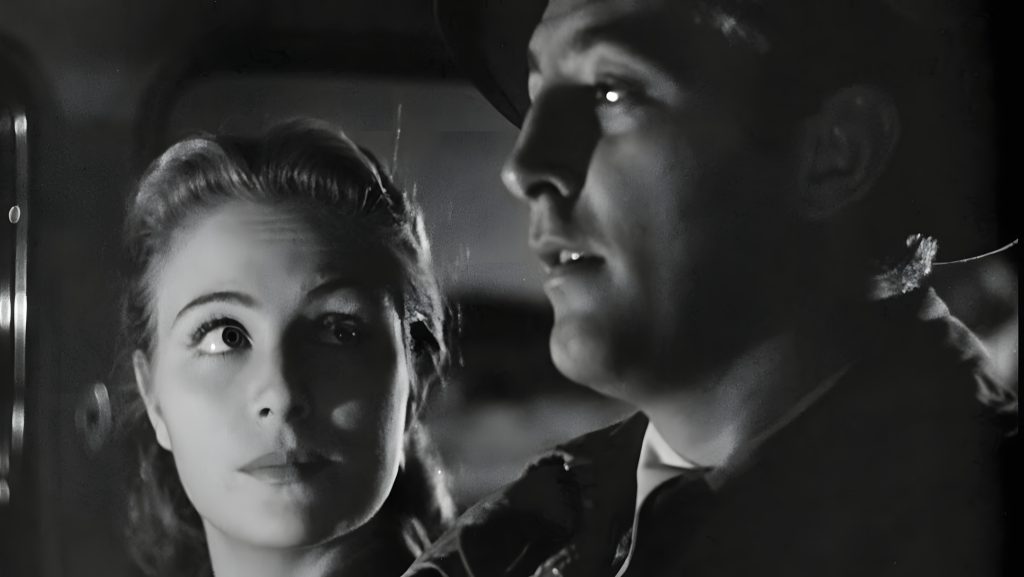
The Bad
There is very little that is actually bad, but there is one point of separation for me: Jeff Bailey is a very smart man who does an incredibly stupid thing.
Now, to be fair, this is not bad writing. In fact, it is one of the reasons the movie works. There is a huge difference between a stupid movie about stupid people and a smart movie about smart people acting stupid. I often complain about characters behaving like idiots because the plot needs them to behave like idiots. This is not that. Out of the Past understands Jeff’s weakness. It understands the exact shape of his bad judgment. It understands that intelligent people can be complete morons when desire, loneliness, ego, and attraction all get together and form a committee.
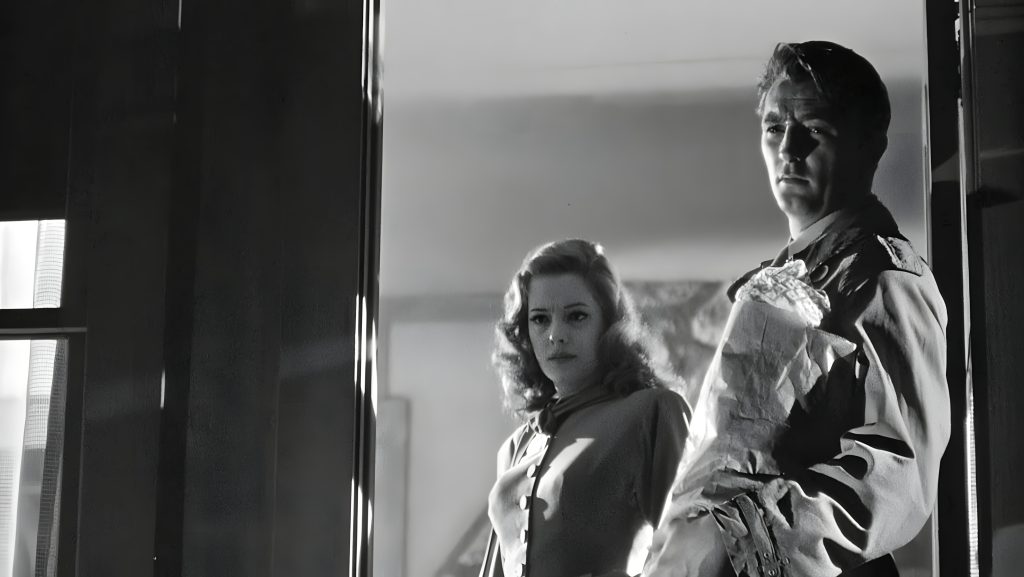
So yes, I believe it. Men think with their dicks sometimes. This is not breaking news. Entire civilizations have probably fallen because someone saw the wrong woman in the right lighting. (Cough Troy Cough)
The issue is that I had trouble believing I would be that stupid. Well that stupid today. I mean I have certainly been exactly that stupid in the past…
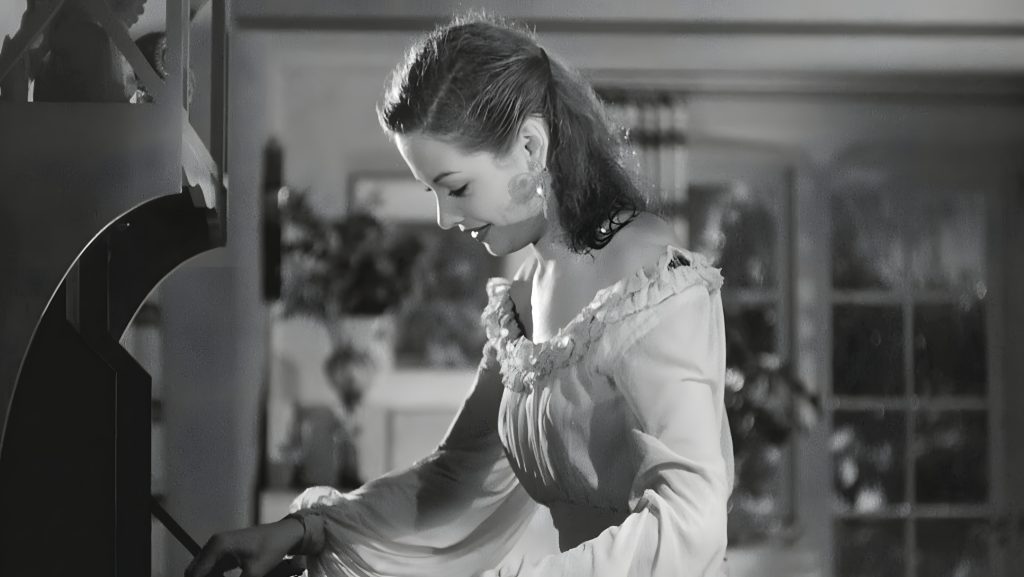
This is not a criticism of the movie so much as a point of personal distance. Jeff is sent to find a woman connected to a very dangerous man and a very large amount of money. Everything about the assignment says, “Take the fee, keep your head down, and do not get emotionally involved.” Naturally, he does the noir protagonist version of that, which is to immediately get emotionally involved and then act surprised when the bear trap closes.
I kept thinking about what I would do in Jeff’s position, which is always a dangerous game because I am sitting safely on a couch and not opposite Jane Greer. Still, my basic rule is this: on the first couple of dates, if my date shoots somebody dead in a cabin and lies to me about stolen money, I may start creating emotional distance.
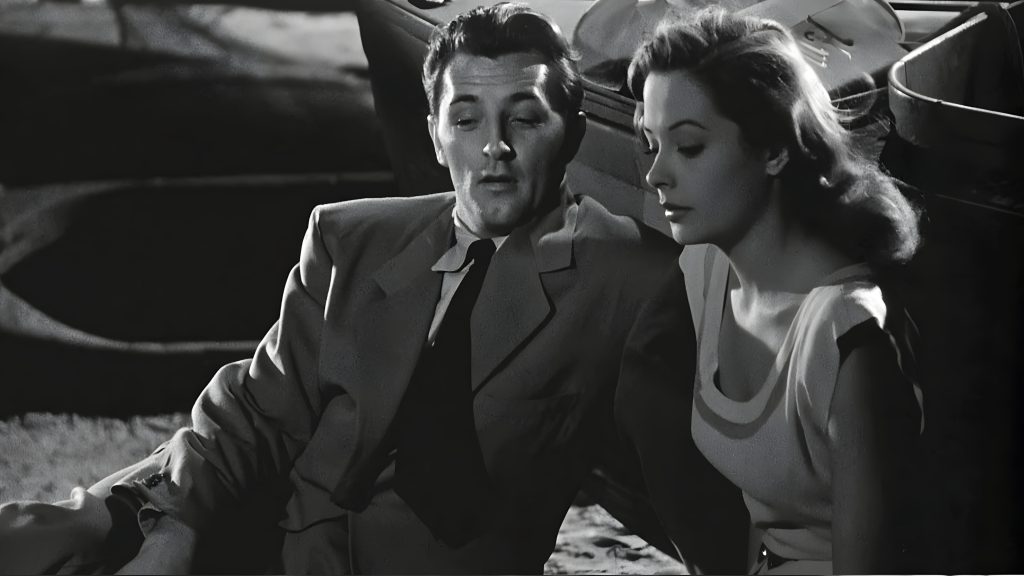
I may not be perfect. I may be lonely. I may be susceptible to a pretty face. But I would like to think there is a point where even I would say, “This has been a lovely evening, but I am going to call Kirk Douglas, collect the rest of my money, and pursue a lifestyle that involves fewer corpses.”
But again, the movie knows this. Jeff is not an idiot. That is important. He is intelligent enough to know he has been an idiot, and that makes the whole thing much more tragic and much more interesting. He is not blindly stumbling through the plot. He made the wrong choice, and now he is smart enough to understand the size of the hole he has dug. That gives the movie its fatalistic kick. Jeff is not doomed because he cannot think. He is doomed because he thought too late.
There is one other note however. Late in the film Jeff outsmarts his opponents in San Francisco. He sees the trap (He even says “I think I’m in a frame”) and then the movie teleports to Bridgeport in the high Sierras and we are told tht Jeff has a couple of warrants for murder out on him.
For a film that jumps around a fair bit this is still jarring. I understand intellectually how we got here. Kirk Douglas has a lot of pull and can make things like that happen with a phone call. The movie still feels like it skipped a reel with the jump right to our conclusion.

The Ugly
The ugly is the moral universe of the film, which is pure noir rot in the best possible way. This is a movie where almost every relationship is contaminated by money, sex, fear, guilt, or some combination of the four. People do not just lie; they lie as a lifestyle. They lie because it is useful. They lie because it is easier. They lie because telling the truth would require them to become different people, and nobody here is quite strong enough for that.
The title matters. Out of the Past is not just about a man with a backstory. It is about the impossibility of really outrunning who you were, what you did, and who you did it with. Jeff has tried to reinvent himself as a quiet man in a quiet place, but noir does not believe in fresh starts. Noir believes the past is patient. It will wait outside your gas station. It will send someone to find you. It will smile when you recognize it.

Kathie is the perfect embodiment of that ugly pull. She is beautiful, yes, but she is also a tornado wearing lipstick. What makes her dangerous is not merely that men want her. It is that she seems to activate the worst possible version of everyone around her. Jeff becomes reckless. Whit becomes possessive. Everyone starts calculating. Everyone starts compromising. Everyone starts making the kind of decisions that look almost reasonable in the moment and insane five minutes later.
That is the real ugliness of the film. Not violence, though there is violence. Not crime, though there is crime. The ugliness is that everyone can explain themselves. Everyone has a reason. Everyone has a story. Everyone is the hero of their own little moral collapse.
And because the movie is so well acted, you buy it. The ugliness does not feel imposed. It seeps up through the floorboards.
In Conclusion
Out of the Past may not be the single greatest film noir ever made, but it is absolutely one of the essential ones. It is the kind of movie that reminds you why the genre endures. The shadows are not just visual. The darkness is in the choices, the compromises, the desires, and the lies people tell when they want something badly enough.
Robert Mitchum is superb. Kirk Douglas is excellent. Jane Greer is unforgettable. The location shooting is richer than expected, the pacing is tight, and the dialogue is among the best I have heard in noir. The movie does not waste scenes, does not waste words, and does not waste its actors.
My only real hesitation is that Jeff’s central bad decision created a little distance for me. I understand it dramatically. I understand it thematically. I understand that the whole point is a smart man acting stupid for very human reasons. But I still found myself wanting to reach into the screen and say, “Robert, please, for the love of all that is holy, take the money and go home.”
Thankfully, that frustration is also part of the pleasure. Film noir is not about people making healthy choices. It is about people seeing the cliff, recognizing the cliff, discussing the cliff in beautifully written dialogue, and then walking off it because Jane Greer is standing on the other side.
Out of the Past is beautifully acted, sharply written, and almost perfectly constructed. Not quite the greatest noir ever, perhaps. But it is in the running.