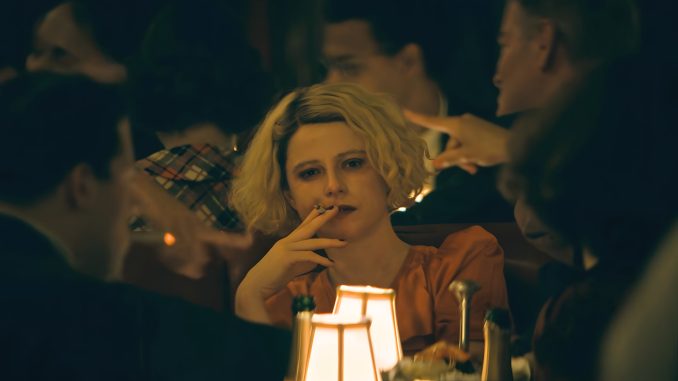
An audience needs something stronger than a pretty little love story. So, why shouldn’t I write of monsters?
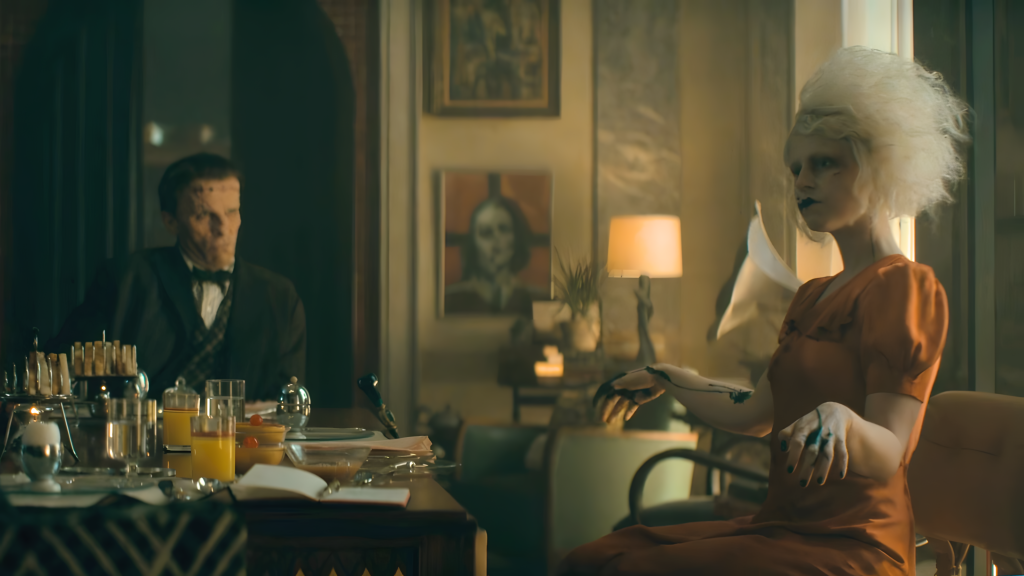
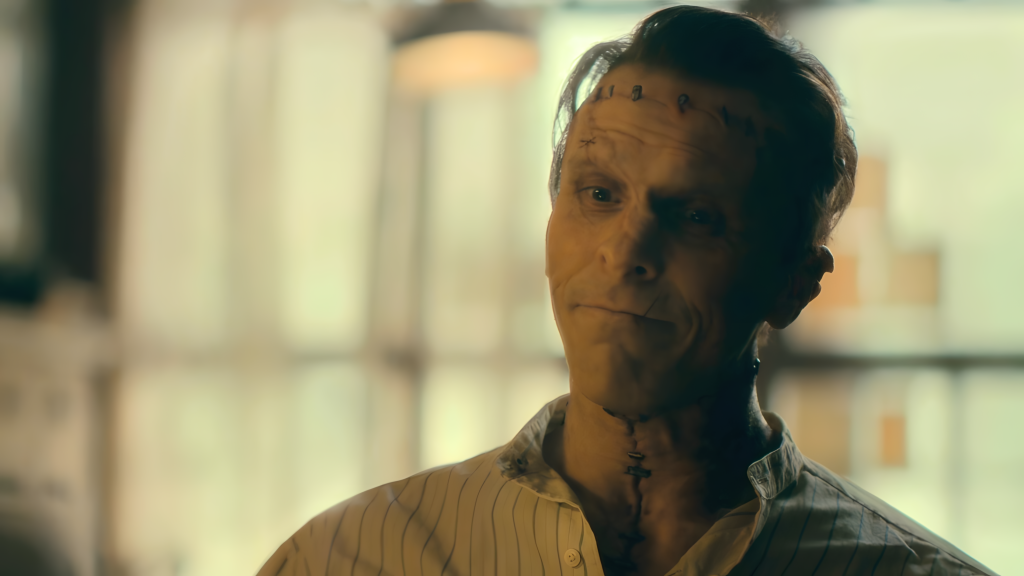
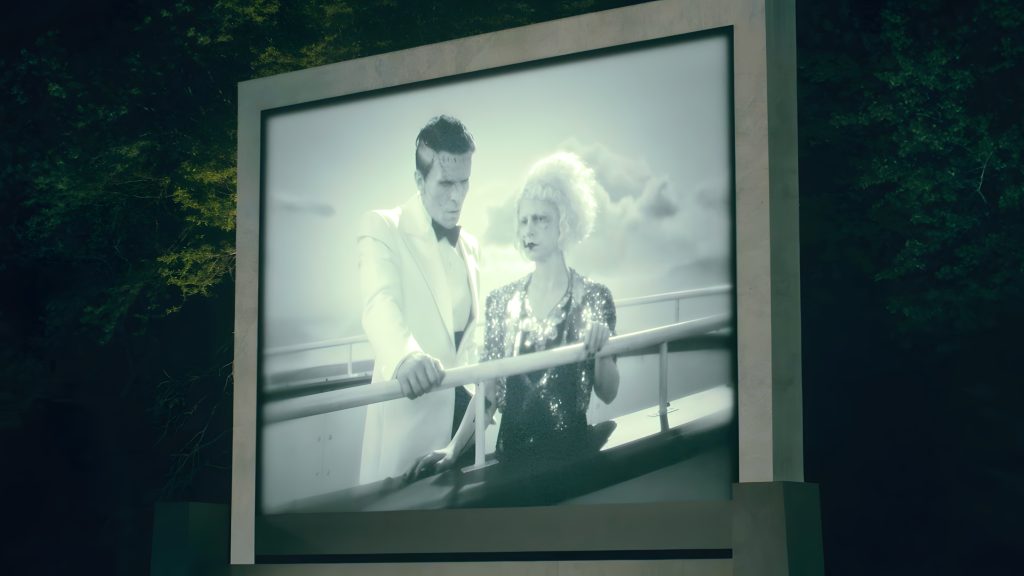
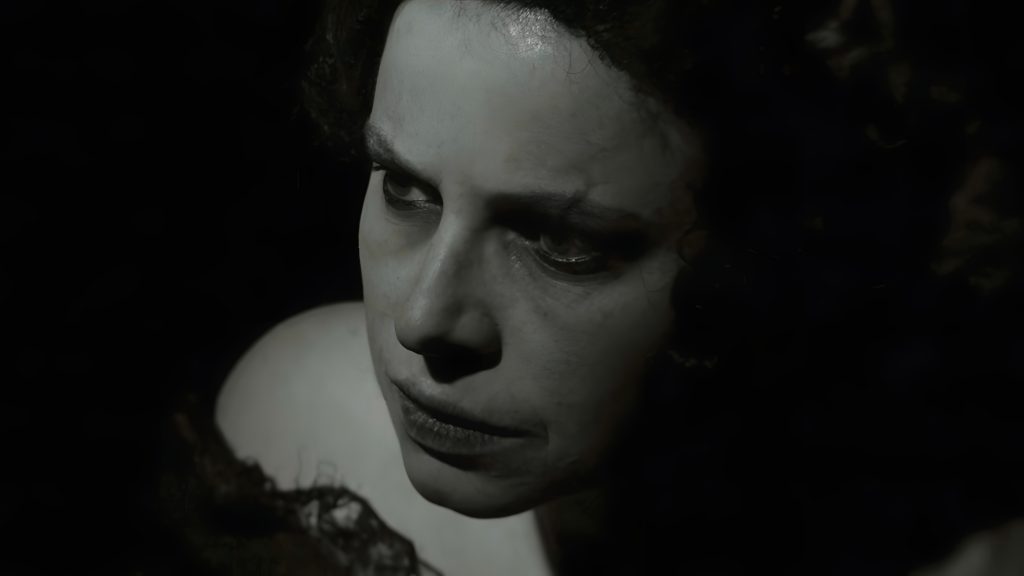
The Bride! (2026): 5 out of 10: In The Bride!, Maggie Gyllenhaal reimagines the Bride of Frankenstein story as a loud, stylized, 1930s-set mixture of monster movie, feminist fable, outlaw romance, musical, social uprising, and whatever happens when Mary Shelley apparently refuses to stay dead. Christian Bale plays Frankenstein’s creation, no longer merely a shambling monster but an intelligent, wounded Prometheus figure. Jessie Buckley plays the Bride, brought into a world that fears her, wants to control her, and eventually gives her reasons to rebel against pretty much all of it.
That is the simple version.
The less simple version is that The Bride! is one of those movies where, about ten minutes in, someone sitting next to you may say, “I can’t watch this anymore. This is the worst thing ever. Please turn it off.”
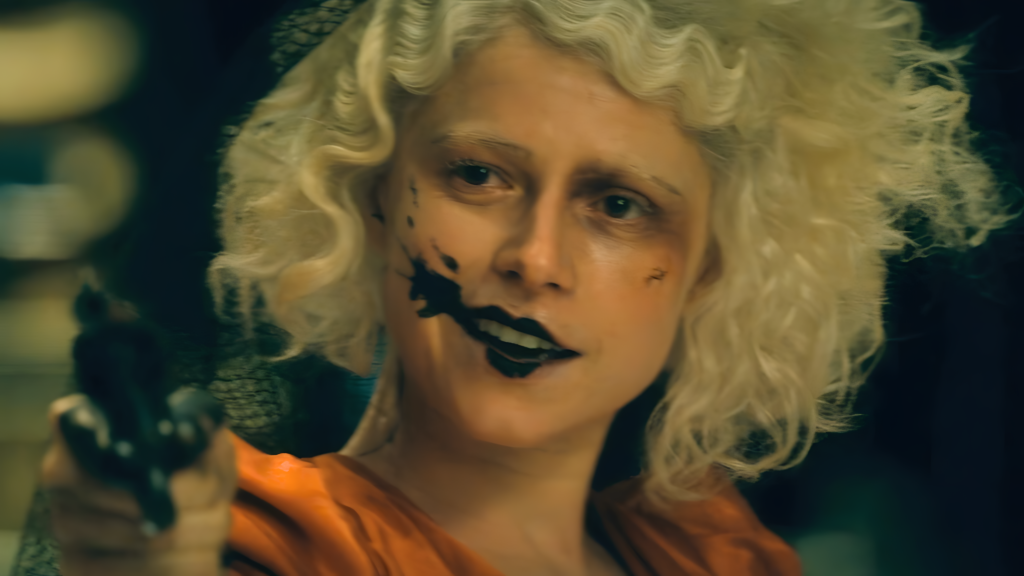
In my case, that someone was Danielle, who I have been dating for about three months. To be fair to Danielle, she has been a very good sport. She has watched some movies with me, including a couple of RiffTrax movies, and I believe a Godzilla film may have been involved somewhere along the line. So when she got to choose a movie, she picked The Bride!, which had been advertised pretty heavily on HBO.
Ten minutes later she was out. Now, if you are reading this, you know I finished the film. That is what we do here. We do not abandon the wounded in the field. We drag them across the finish line and review them. (with a rare exception such as 1989’s Behaving Badly. I am only human.)
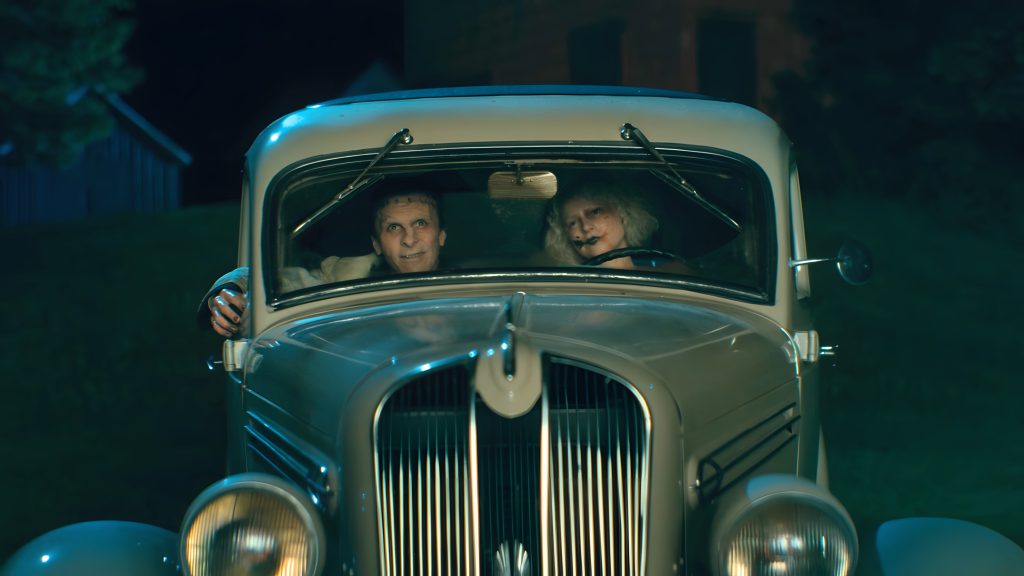
I understood where Danielle was coming from.I am not sure I have ever seen a movie with a less appealing first ten minutes. Manos: The Hands of Fate may have had a more inviting opening stretch. This thing comes out loud, obnoxious, bizarrely slow despite being overbearing, and immediately full of Mary Shelley material that plays like someone threw literary biography, ghost possession, speakeasy theatrics, and Gollum into a blender.
And yet, by the end, my reaction is not simple hatred. My reaction is… well mixed.Which may be worse.
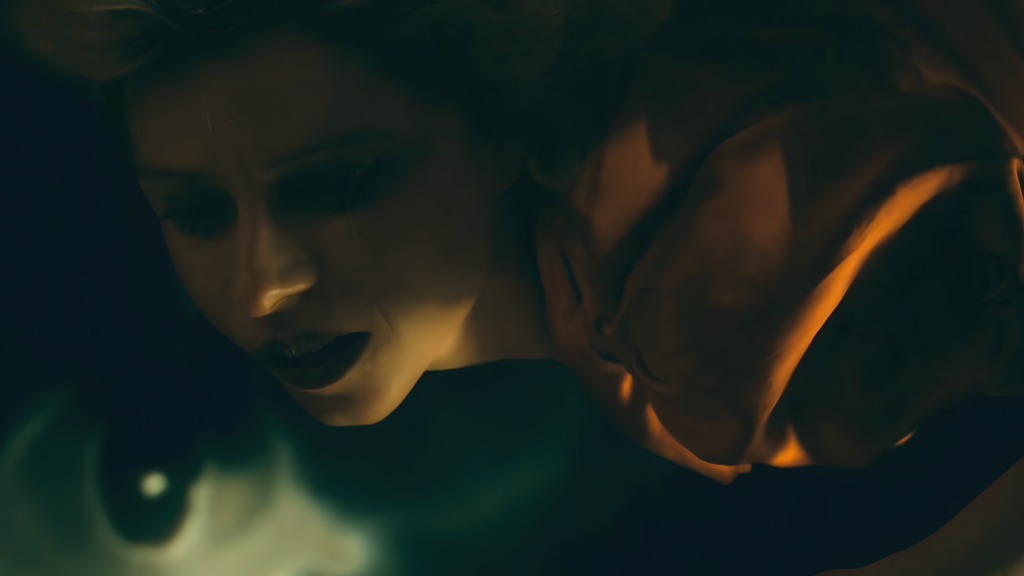
The Good
Let us start with the obvious, because it deserves to be said plainly: Christian Bale and Jessie Buckley are excellent.
Not “good considering the movie.” Not “they try hard.” They are genuinely excellent. In a stronger film, I could easily imagine both performances being part of an awards conversation. Bale gives Frankenstein’s creation intelligence, sorrow, dignity, and a strange, bruised romanticism. The movie occasionally acts as if he is some unspeakable visual horror, which is a little odd because he basically looks like a man who has had a very rough life. Given that the film takes place in the 1930s, one assumes there were still plenty of World War I veterans walking around in as bad or worse shape.
Still, Bale sells the emotional reality of the character. He makes the monster feel like a person, which is not a small thing in a movie where almost no one else seems like a person.
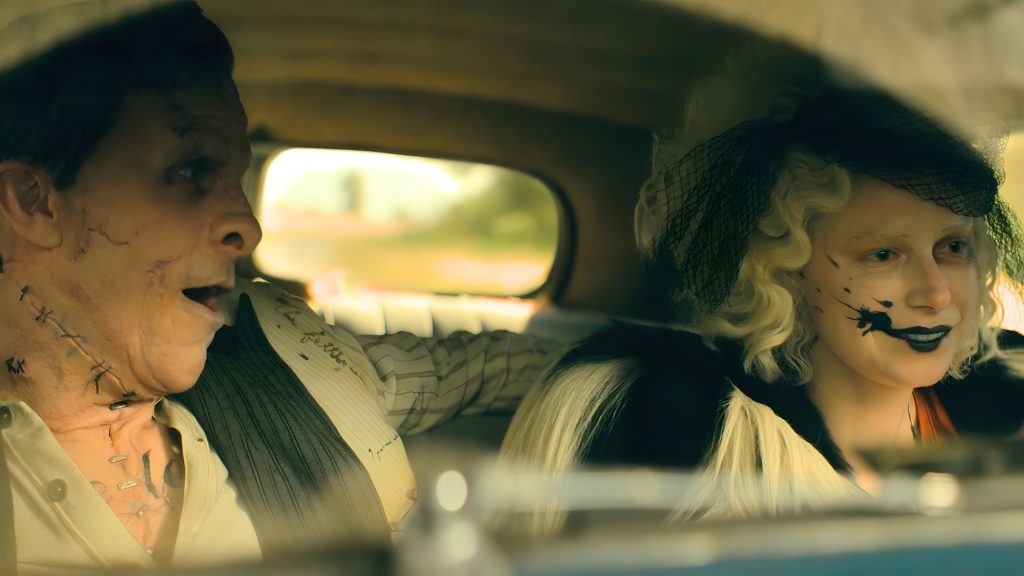
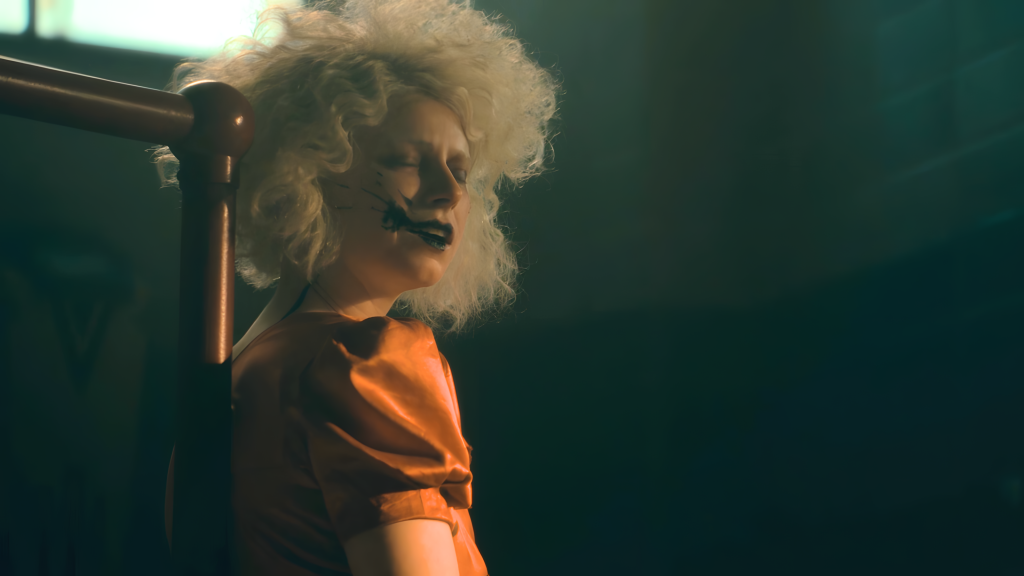
Jessie Buckley may have the harder job. She has to be The Bride, a created being, a symbol, a woman waking into rage, a romantic figure, a comic figure, a victim, a threat, and occasionally a host body for one of the worst creative decisions in the entire film. Somehow, when the movie lets her simply play The Bride, she is terrific. There are stretches where you can see the better movie hiding inside this one: a stylized but emotionally grounded story about two manufactured people trying to understand themselves in a world that wants to define them before they can speak.
That movie might have been very good.
Bale and Buckley together have real chemistry, and more importantly, they have a shared tone. They seem to understand the tragic absurdity of what they are playing. They are heightened without simply being cartoons. They are theatrical without becoming hollow. When The Bride! quiets down long enough to let them exist, it works.
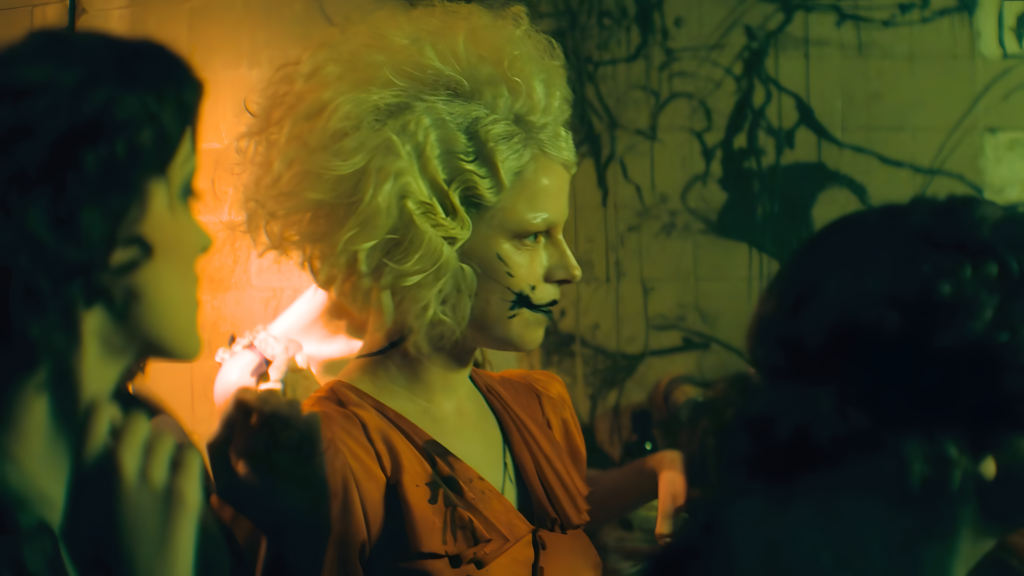
Maggie Gyllenhaal also clearly has talent as a director. There are set pieces here with energy and invention. There are images that stick. She has an eye. She can build a world, or at least the idea of a world. She gets two excellent lead performances. These are not minor achievements.
And to be clear, I have no problem with the basic concept. I was not a huge fan of the original Frankenstein movie, as I have covered before, but Bride of Frankenstein remains a huge improvement and is still genuinely enjoyable today. The Bride is a strong character to revisit, especially if you want to talk about female autonomy, creation, ownership, bodily control, and social fear. Those ideas are not forced onto the material from the outside. They are already in the DNA.
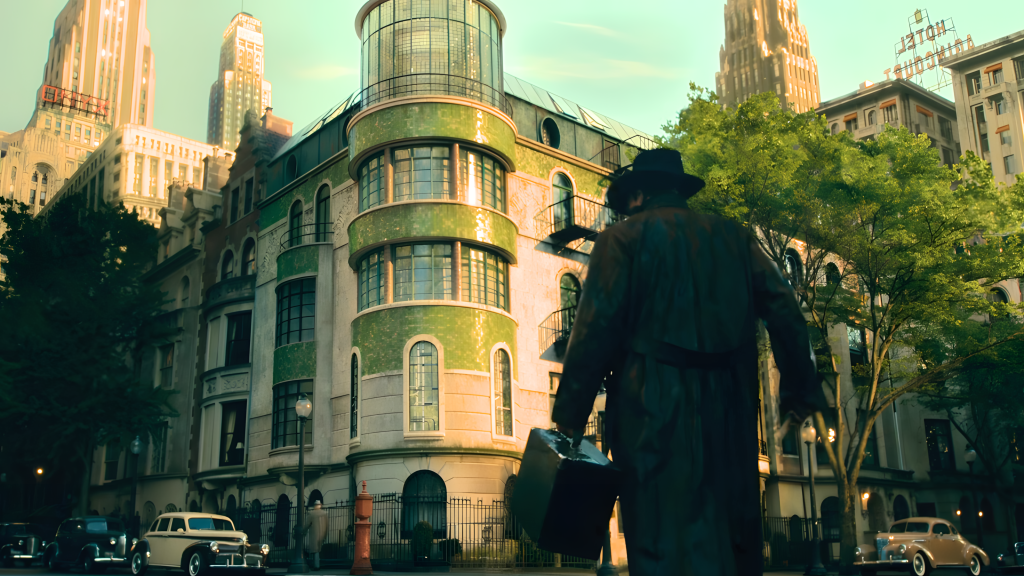
There is also nothing inherently wrong with making the world of the film artificial, heightened, and stylized. A realistic Bride of Frankenstein is not necessarily what anyone is asking for. You can do expressionism. You can do fantasy 1930s. You can do social satire. You can do musical sequences. You can do monster romance. You just need a cohesive movie..
The Bad
Unfortunately, The Bride! feels like five or six separate movies fighting for control, and none of them is willing to concede the floor.
There is a Frankenstein movie in here. There is a feminist revenge fable in here. There is a Bonnie and Clyde riff in here. There is a Joker-style social movement movie in here. There is a musical here. There is a Mary Shelley ghost-possession framing device in here. There is a gangster picture in here. There is a mad-scientist picture in here. There is a progressive celebration of race and gender in film here. The result is not richness. It is a pileup.
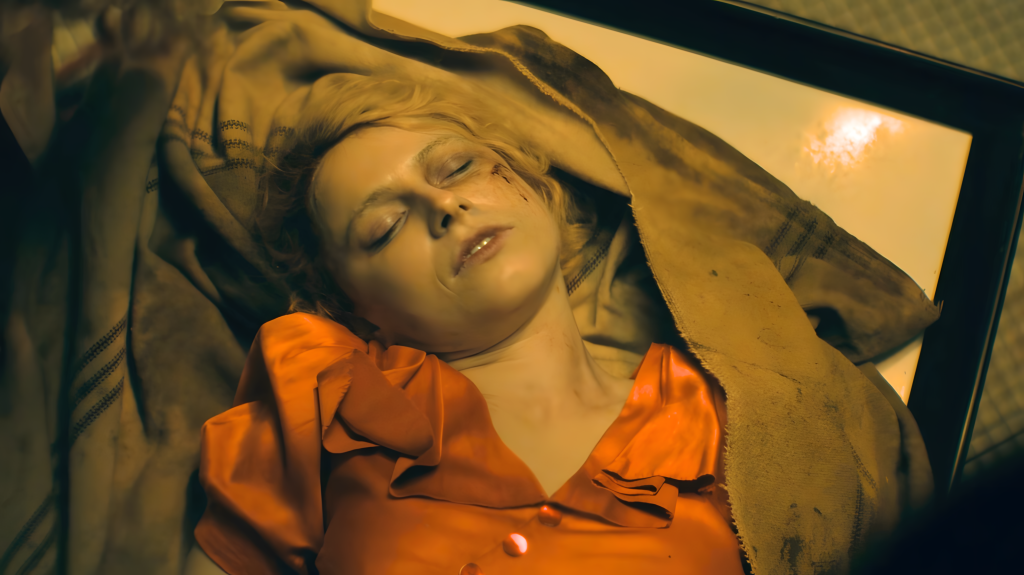
Gyllenhaal seems to have recently watched both Joker movies and taken notes in all the wrong places. From the first Joker, she appears to take the idea of ordinary people adopting the central figure as a symbol of rebellion, complete with the lead character’s identity becoming a kind of social contagion. That barely worked in Joker, and it works even less here. In this setting, it feels oddly anachronistic, like a 21st-century protest aesthetic wandered onto a 1930s soundstage and nobody had the heart to ask it to leave.
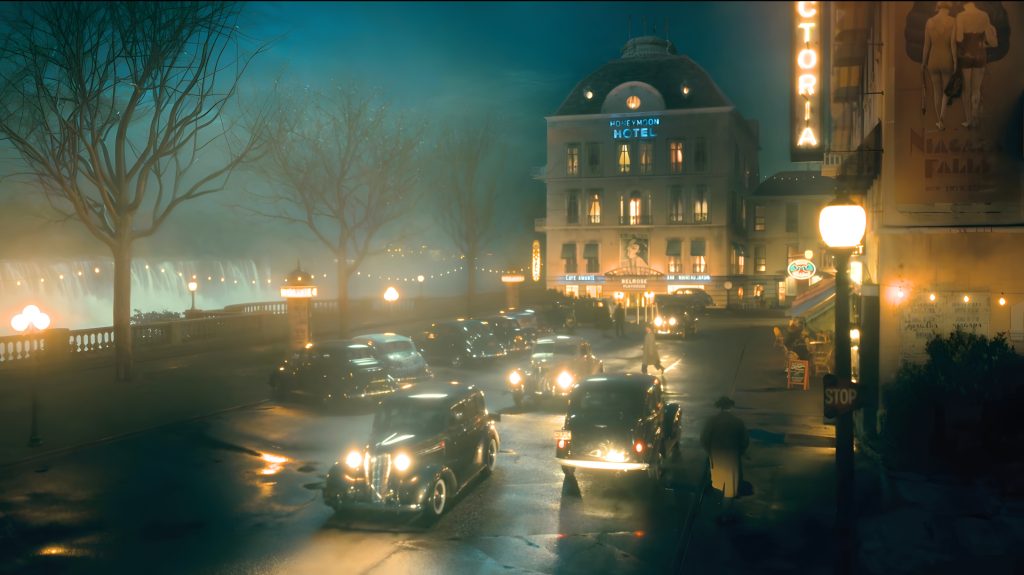
The film is full of that sort of time-dislocated oddness. At one point, someone refers to “lady astronauts,” which is a strange thing for a person to be casually saying in 1936. I am not saying the word absolutely did not exist somewhere, but I am fairly confident it was not being tossed around in common conversation like this was a mid-century NASA recruitment pamphlet.
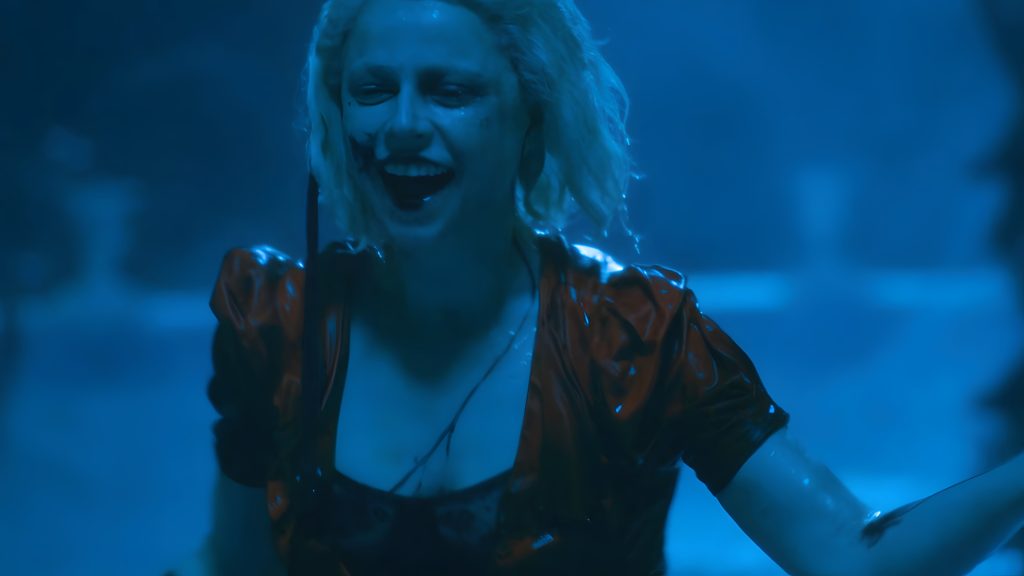
From the second Joker, Gyllenhaal appears to have taken musical numbers. Why?
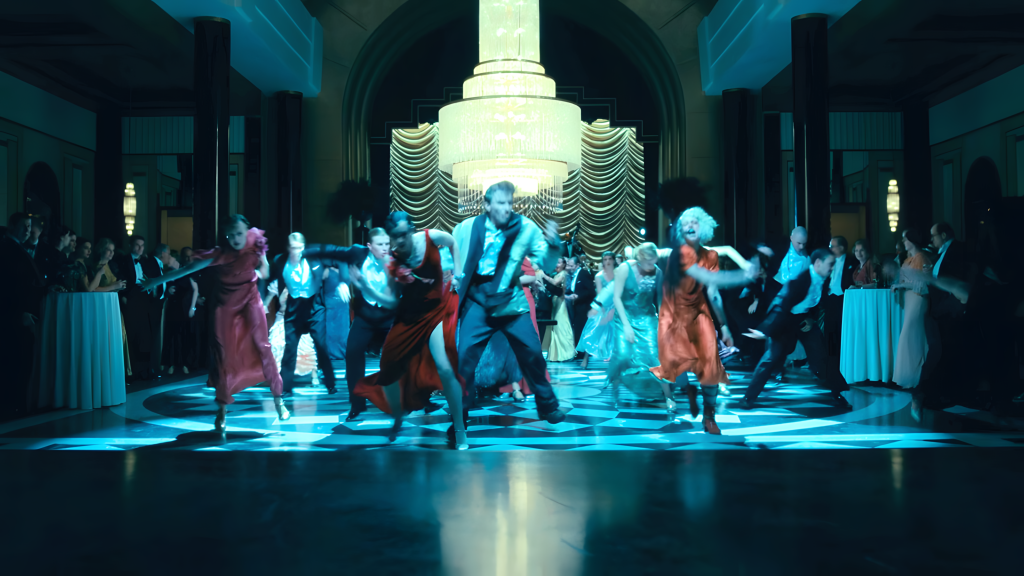
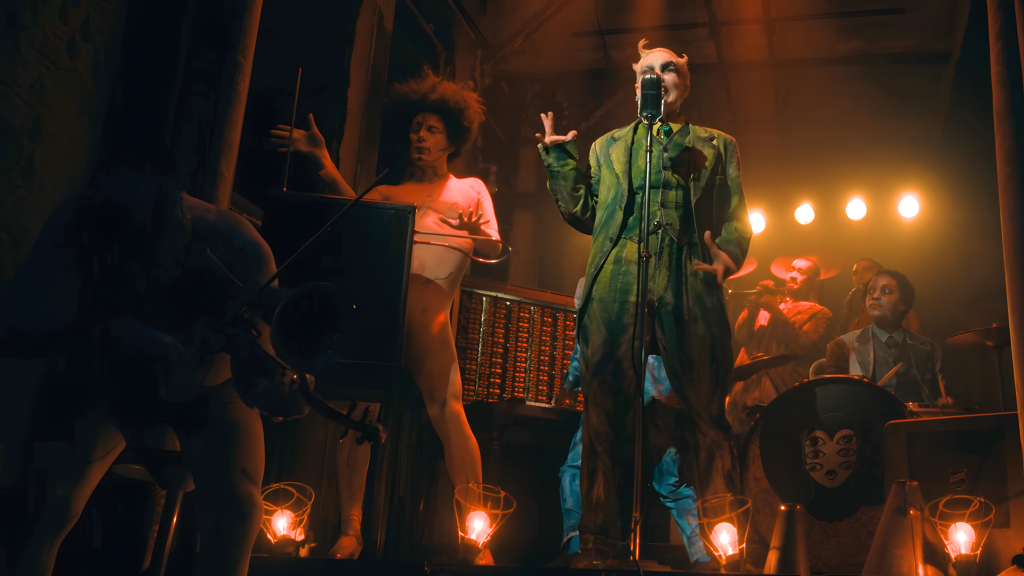
The big one is plainly indebted to Young Frankenstein, specifically the “Puttin’ on the Ritz” number with Gene Wilder and Peter Boyle. I will give the film this: it is a bold move. It flies close to the sun with real confidence. Unfortunately, it also bursts into flames. The sequence does not work as a straight narrative moment, and it does not work as a fantasy diversion either. It just sits there, waving its arms, demanding to be admired for audacity.
It is hard to take the movie seriously after that. Not impossible, because Bale and Buckley keep pulling it back from the ledge, but hard.
Then there is the supporting cast. The charitable reading is that many good actors are stranded by material that does them no favors. The less charitable reading is that some of these people appear to have been cast because they were friends or family of the director rather than because they were ideal for the roles.
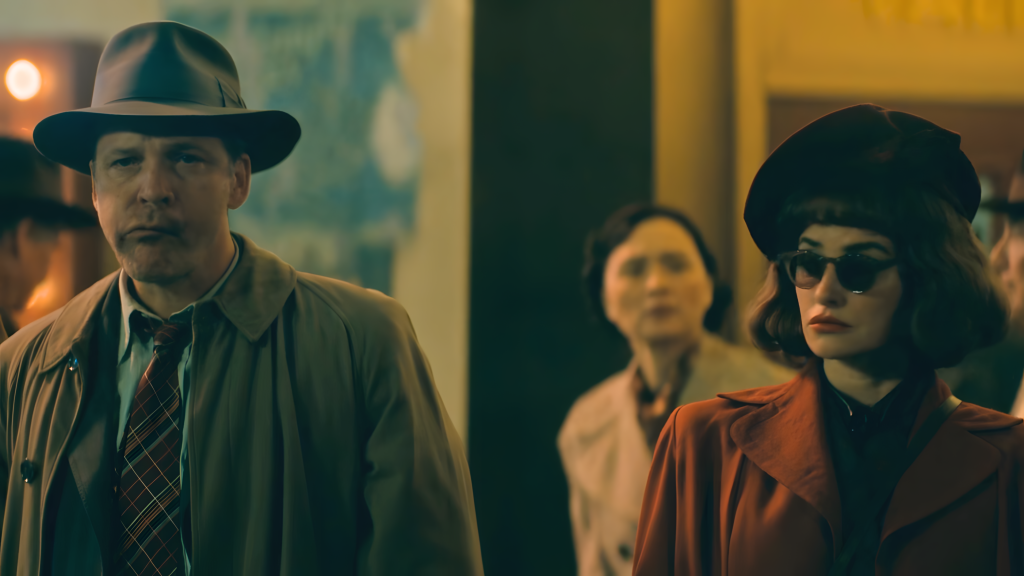
Yes, I am looking at Penélope Cruz and Annette Bening.
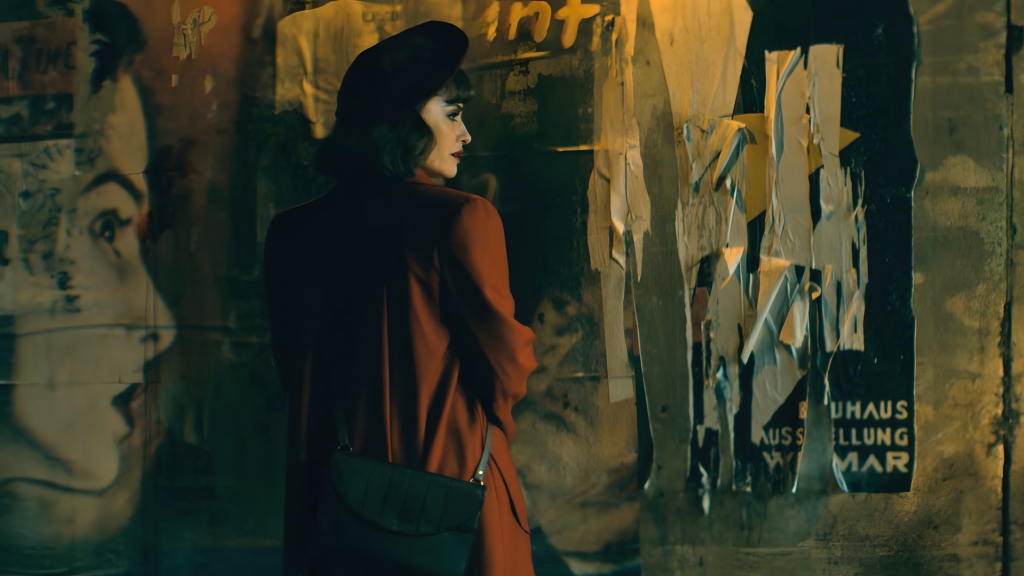
Cruz plays a Chicago police detective pretending not to be a detective, or pretending to be a secretary, or a gal Friday, or a pal Friday, or whatever the film thinks that bit is. It does not work. Some of that is the writing, because the character often feels like an idea wearing a hat. But the performance also never really locks into the movie around it.
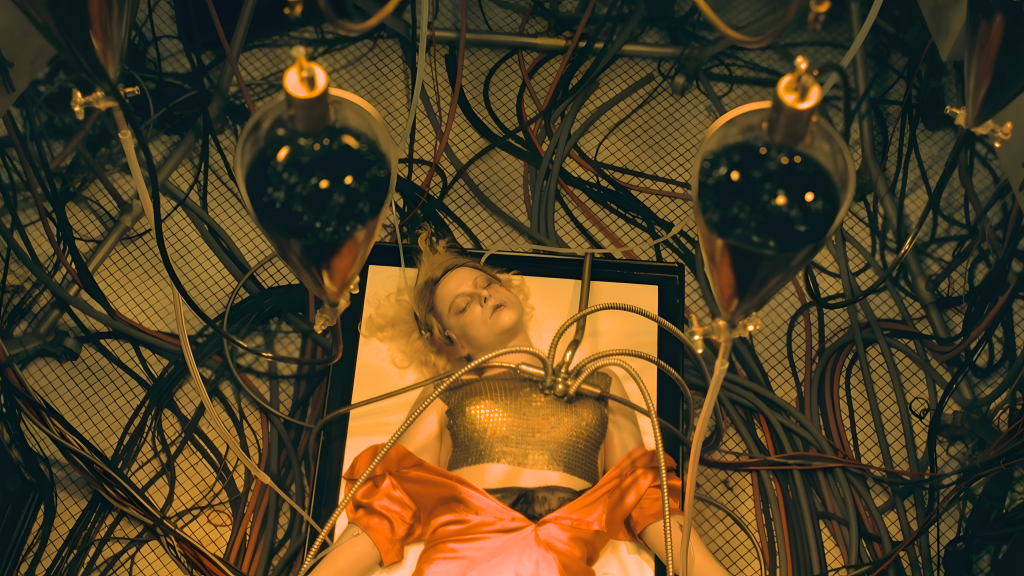
Bening, meanwhile, turns up as a mad scientist, and that also does not really work. Again, the material is doing no one favors. The film seems to think that if everyone is turned up to eleven, the result will be energy. Instead, it becomes exhausting.
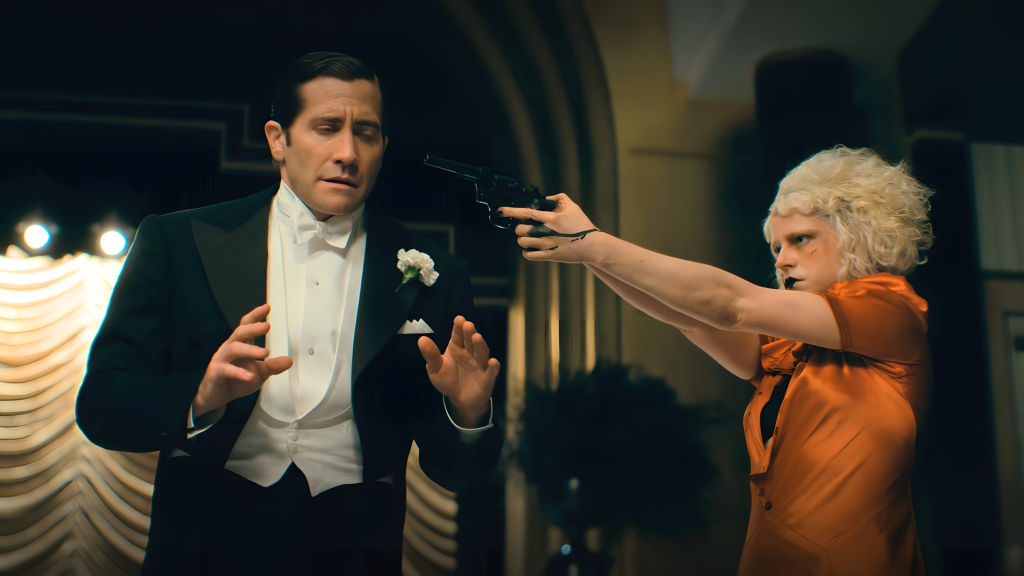
Jake Gyllenhaal appears as a silent movie star hiding his polio, and I do not know what to tell you. That is a thing that happens.
The production design has the same problem. Everything is heightened. Everything is theatrical. Everything is artificial. Sometimes this creates memorable images. Other times it creates what may be the least convincing drive-thru I have ever seen in motion pictures. Earlier in the film, Frankenstein and the Bride appear to visit Zion from The Matrix Reloaded for a dance party, complete with flashing lights intense enough that even I, who am not especially sensitive to that sort of thing, began wondering if I was about to have a medical event. In fairness, that scene does include a decent curb-stomping, as these things go.
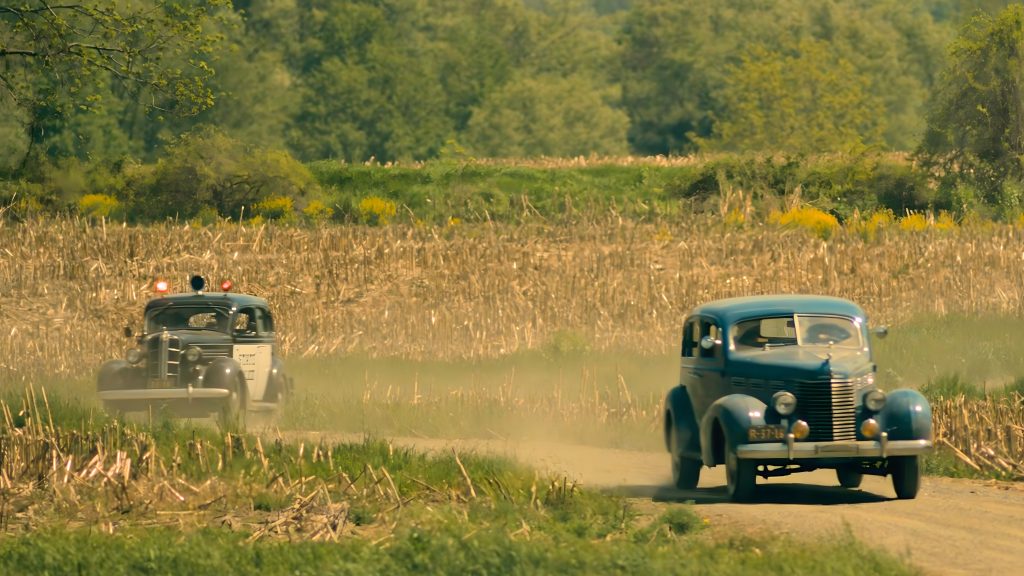
Unfortunately, it also includes more of the movie’s “look at me” energy, where every scene seems to be auditioning to be the big, unforgettable moment. A movie cannot be all exclamation points. Eventually, you stop reading the punctuation.
The Ugly
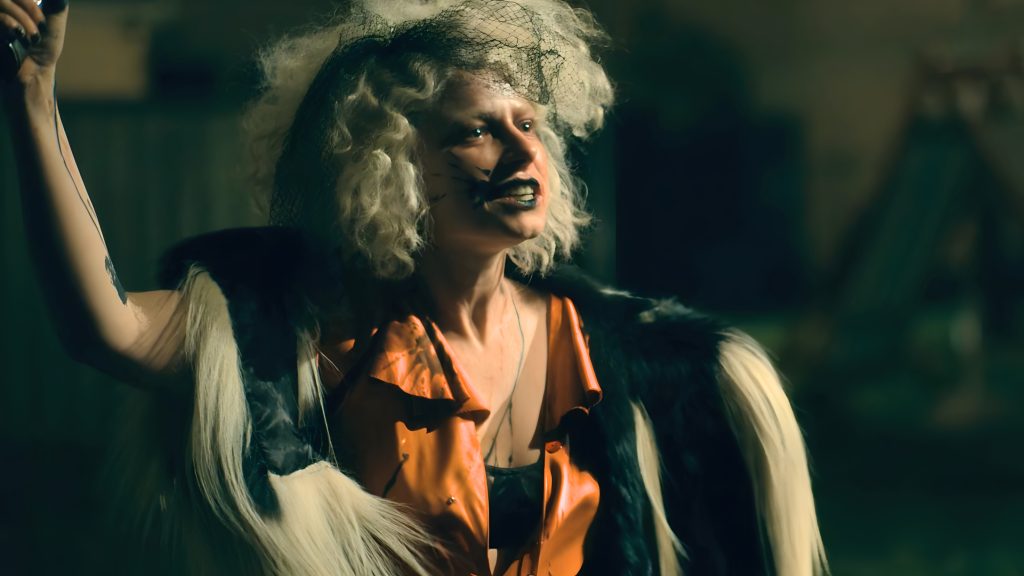
The ugliest thing in The Bride! is not the Monster. It is the Mary Shelley material. Somebody, somewhere, needed to sit Maggie Gyllenhaal down and say, “You need to get rid of this.” Not soften it. Not trim it. Not rework it. Get rid of it.
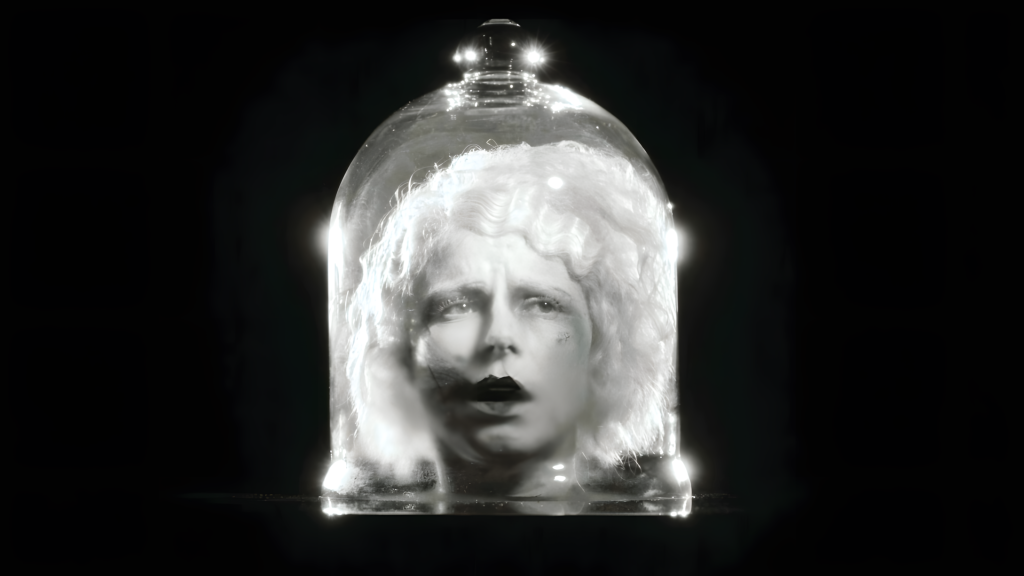
The whole possessed Mary Shelley voiceover / purgatory / speaking-through-the-Bride business nearly sinks the movie before the title card. It makes the first ten minutes almost unwatchable, and it continues to return throughout the film, including near the end, as if the movie has mistaken its worst idea for its organizing principle.
Worst of all, it makes the Bride sound like Gollum. A little at first. Then a lot. And once you hear it, you cannot unhear it.
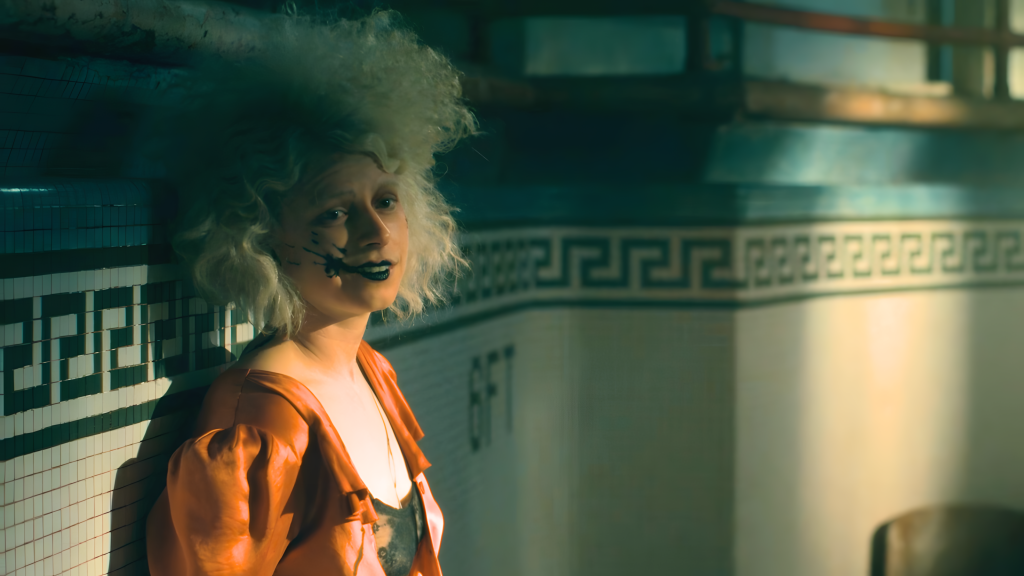
This is especially damaging because Jessie Buckley is so good when allowed to play the Bride as a character. The movie keeps interrupting her best work with its most irritating device. It is watching an excellent actor trapped in a prestige Exorcist movie where the demon has a literary degree and an unfortunate vocal register.
The film’s politics are also handled with the subtlety of someone breaking down a door with a frying pan. There is nothing wrong with the movie wearing feminism on its sleeve. There is nothing wrong with using the Bride of Frankenstein to explore women’s autonomy, male control, social punishment, sexual threat, and the way society tries to define women before they can define themselves. Again, that is all fertile ground. But sometimes a scalpel is better than a hammer. This movie loves the hammer.
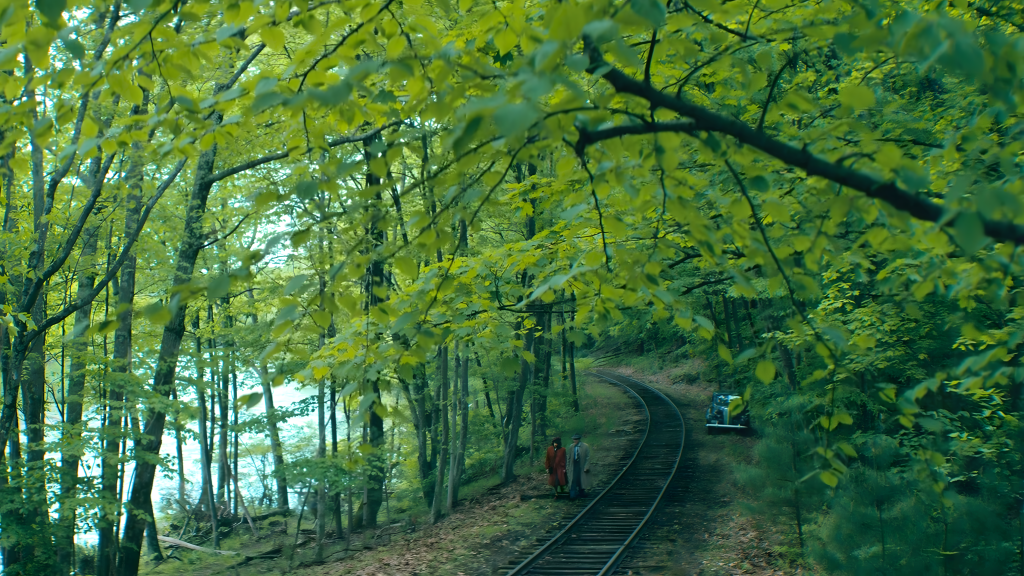
Penélope Cruz’s character suffers the most from this, but the problem spreads. Too often, the film does not dramatize its ideas so much as announce them, underline them, circle them in red, and then hit you in the forehead with the clipboard. It reminded me, oddly enough, of the 2019 movie A Vigilante, which at one point had its main character walk into a random bar and immediately encounters an attempted rape, as if the film had gone ten minutes without saying “all men are bad” and needed to reset the timer.
That sort of thing can make even valid points feel artistically clumsy. The issue is not the message. The issue is the delivery system.
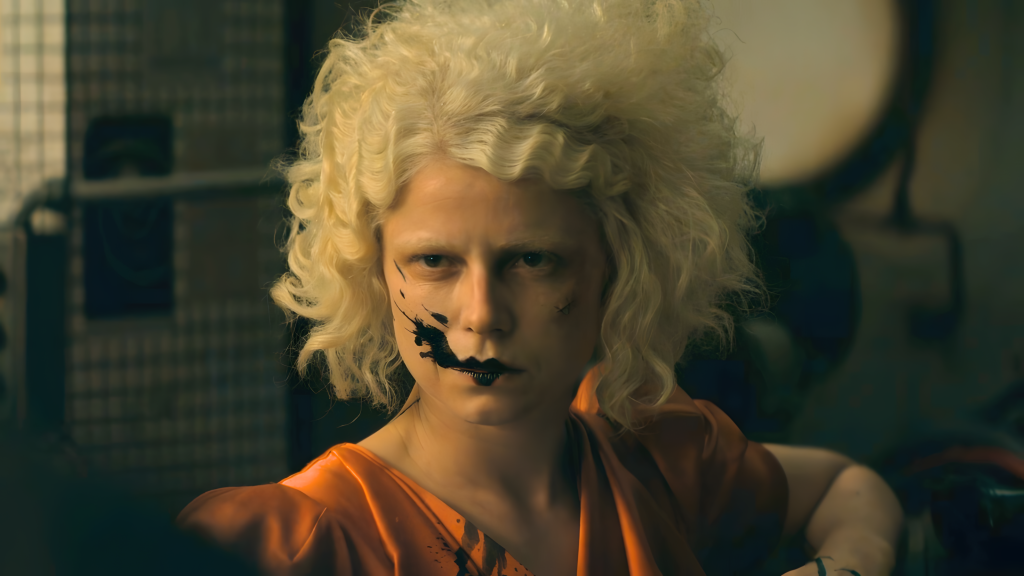
The Bride also steals wholeheartedly from Bonnie and Clyde. Not borrows. Not pays homage. Steals. The outlaw-lovers-on-the-run material becomes so obvious that the Frankenstein story starts to feel like it has been stapled onto a prestige crime romance. Bonnie and Clyde had momentum, social context, danger, sex, humor, and a sense that its characters belonged to their world even when they were tearing through it. Here, the reference becomes another ingredient in an already overcrowded stew.
And that is the larger problem: nobody outside the two leads feels real. This is not necessarily a problem for Frankenstein and the Bride. They are reanimated monsters. They are allowed to be strange. In fact, they should be strange. But when they are surrounded by cartoons, grotesques, symbols, speeches, riffs, references, and theatrical poses, the contrast disappears. The best version of this movie would have had the monsters surrounded by a world playing it straight. That would make them stand out. That would make their strangeness matter.
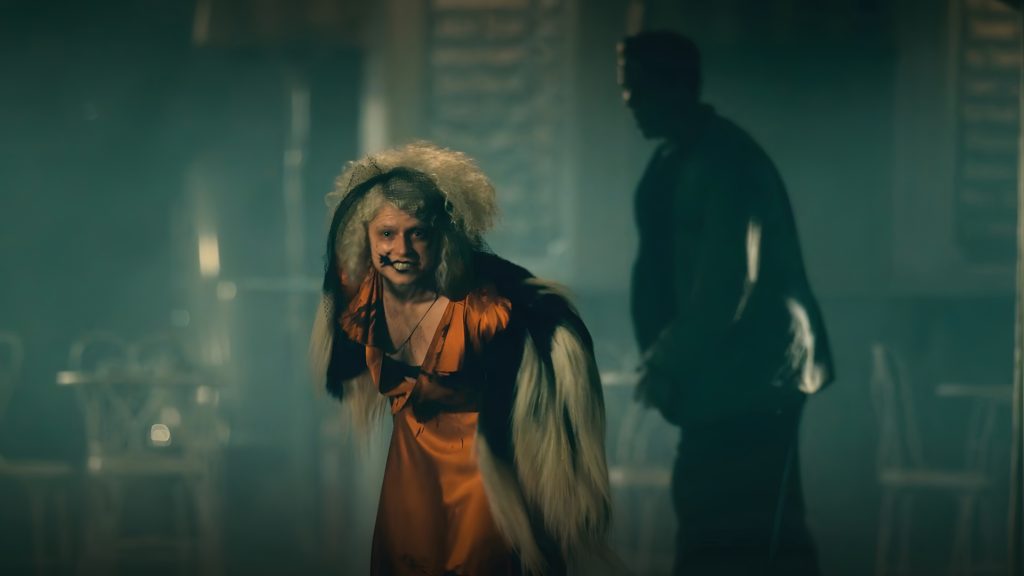
Instead, everyone is strange. Everyone is performing quotation marks around themselves. Everyone seems to know they are in a big, important, stylized movie. The result is that the Bride and Frankenstein, who should be the impossible beings at the center of the story, sometimes become the most normal people on-screen.
In Conclusion
Despite the initial impression given before the title screen, The Bride! is not a disaster, though there are moments where it seems determined to impersonate one. It is too well-acted at its center, too visually ambitious, and too occasionally alive to dismiss outright.
But it is also a slog. That is the frustrating part. A bad movie can be lively. A ridiculous movie can be fun. A misguided movie can at least be fascinating. The Bride! is fascinating in pieces, but getting through it feels like work. When your two-hour movie takes three attempts to finish, and one viewer bails ten minutes in with an entirely understandable plea for mercy, something has gone very wrong.
Christian Bale and Jessie Buckley deserve better than the surrounding movie. Maggie Gyllenhaal deserves credit for ambition, visual confidence, and drawing out two terrific lead performances. She also deserves blame for writing a script that keeps sabotaging itself with Mary Shelley possession, Joker residue, musical-number overreach, blunt-force messaging, anachronisms, and a supporting cast of human cartoons.
There is a very good movie buried somewhere inside The Bride!. Unfortunately, like Frankenstein’s creation, it appears to have been assembled from too many parts, not all of them compatible, and then brought to life by someone who perhaps should have asked one more person whether this was wise.