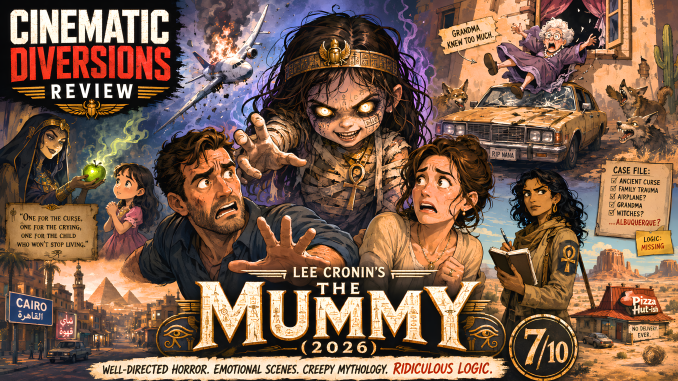
I knew I should’ve taken that left turn at Albuquerque!
Lee Cronin’s The Mummy (2026): 7 out of 10: There are really only two questions that need to be answered before getting into Lee Cronin’s The Mummy. First, where does it rank among relatively modern Mummy movies? The answer is easy: it is nowhere near as good as 1999’s The Mummy, but it is worlds better than the Tom Cruise one. That may sound like an awfully large target to hit, but sometimes it is useful to establish the boundaries before wandering into the desert.
Cronin’s The Mummy is less an adventure movie than one of those modern Insidious-style supernatural horror films, which for those of us elderly Gen X types is basically a descendant of The Amityville Horror: a family, a supernatural presence, increasingly unpleasant things happening in a house, and everyone slowly discovering that reality has decided to stop following the normal rules.
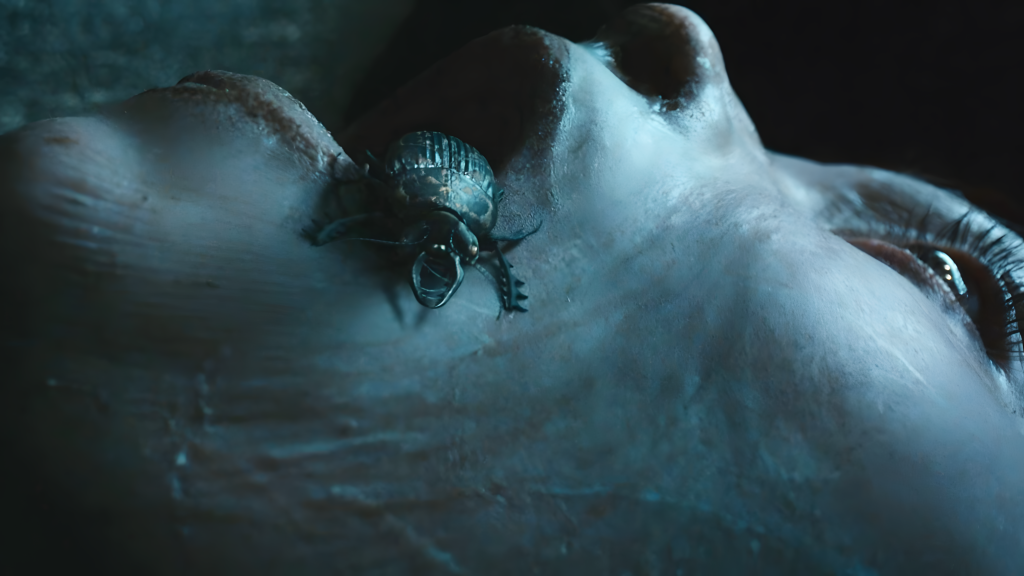
A young girl who disappeared in Cairo six years earlier is unexpectedly found alive and returned to her parents, but whatever has come home with them may not be entirely interested in a joyous family reunion. Meanwhile, an investigation in Egypt begins uncovering the mythology behind what happened to her.
It is a very well-made movie. It is also a movie in which logic eventually gets tossed out the window, lands on a car, and is presumably eaten by coyotes.
The Good
Lee Cronin can direct.
That is probably the single biggest reason The Mummy works as well as it does. There are several sequences here that are genuinely outstanding, and not simply by horror-movie standards. Early in the film, there is a plane crash that might be one of the most convincing crashes I have seen in quite some time.
What makes it work is that Cronin doesn’t shoot it like the usual giant Hollywood spectacle. The point of view is unusual, the presentation is restrained, and the entire thing feels disturbingly plausible. Instead of screaming, “Look at our special effects!” it feels like somebody accidentally left a camera running while something terrible happened.

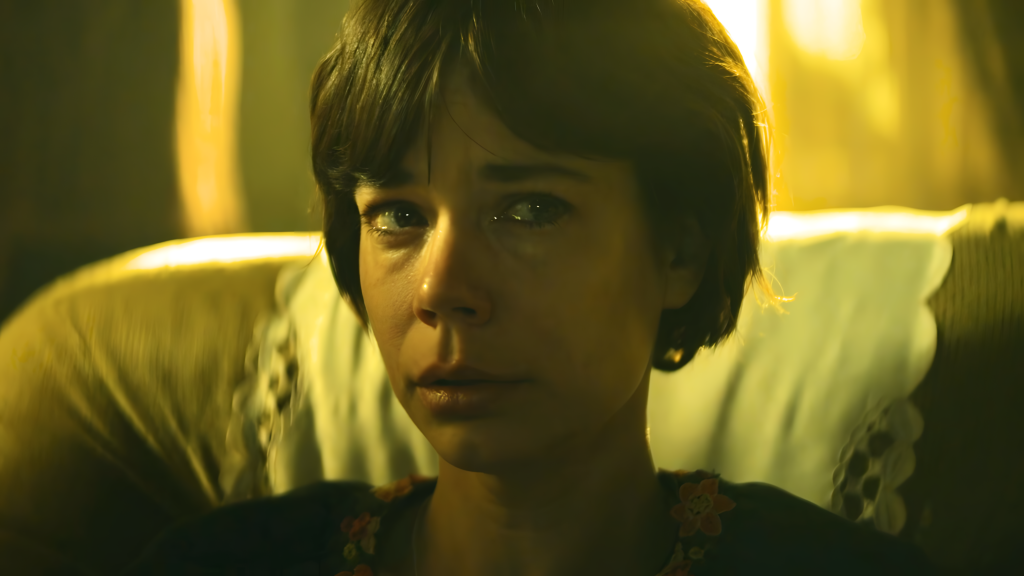
Even better is the scene in which the parents learn that their daughter, missing for roughly six years, has been found alive. It is extremely well-acted and beautifully staged. For a few minutes The Mummy stops being a supernatural horror movie entirely and simply becomes a story about parents receiving the news they had long ago stopped allowing themselves to hope for. It is genuinely moving, and if you find yourself tearing up a little, I certainly won’t judge you.
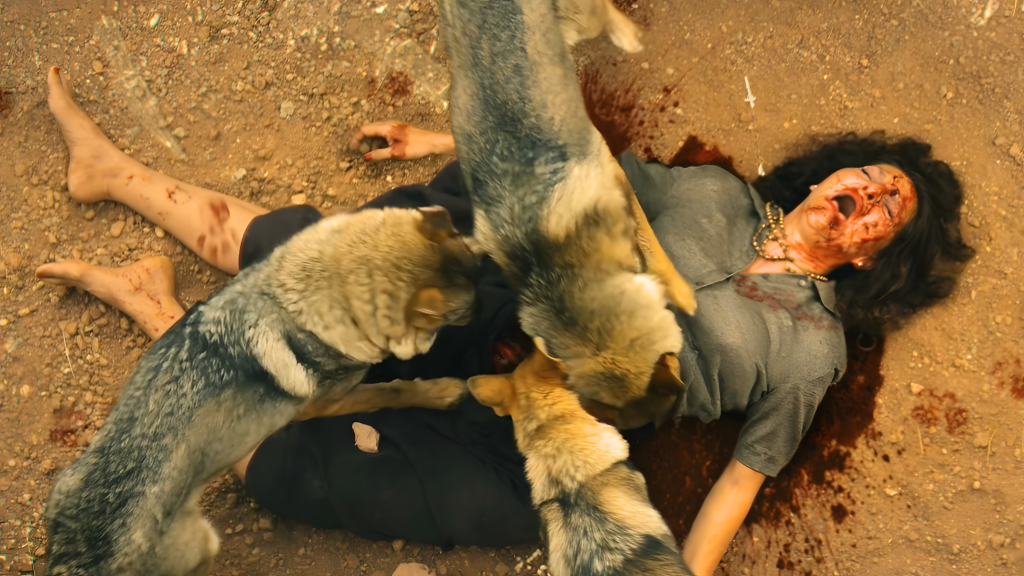
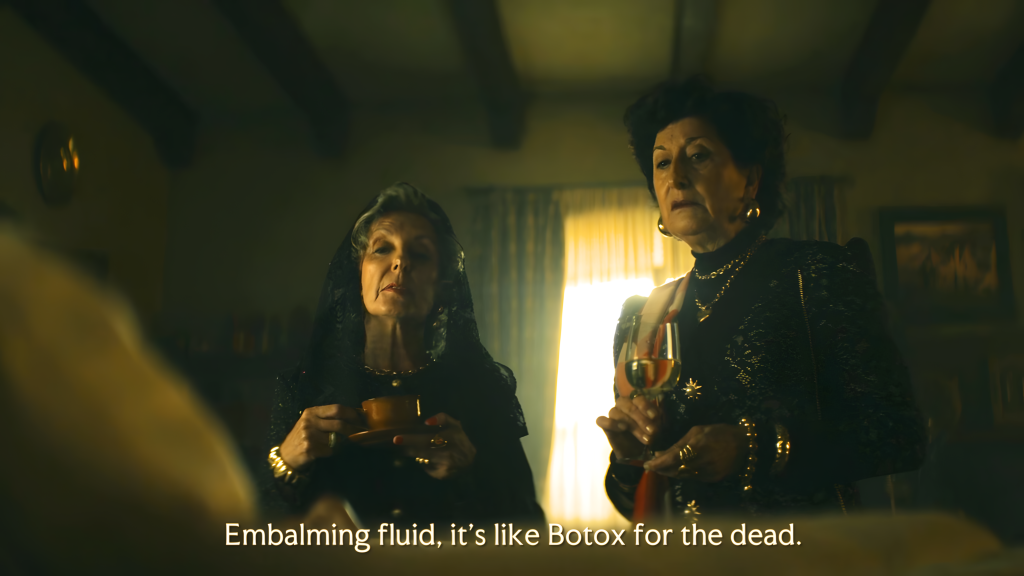
Then Grandma gets thrown out a window, lands on a car, and gets eaten by coyotes. So something for everyone.
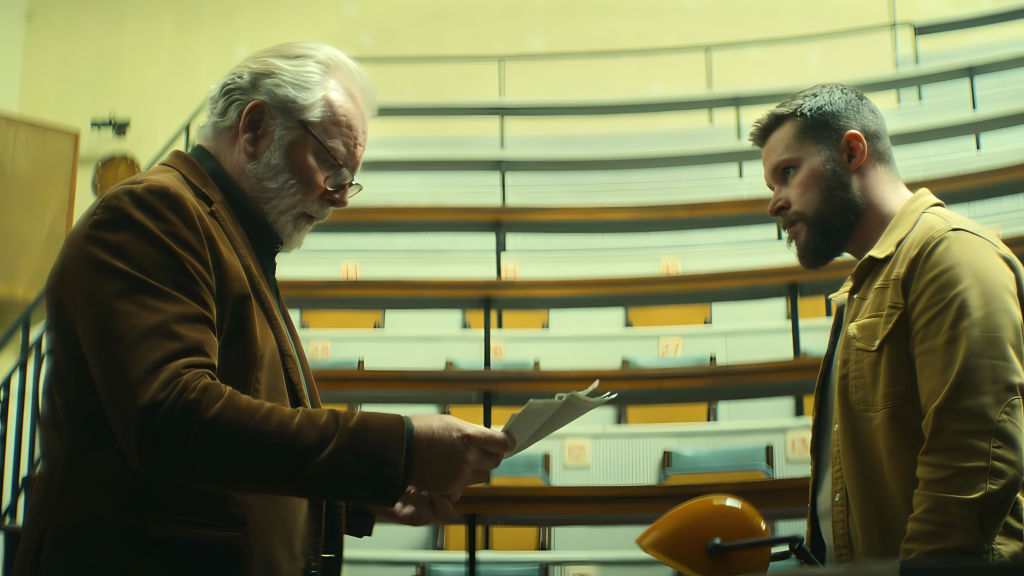
The acting is consistently strong as well. Jack Reynor is particularly good and basically holds the movie together. I am much more familiar with Patrick Wilson in this sort of role, and Reynor has some of that same quality: he is simply extremely watchable. Even when the screenplay asks him to behave in ways that may cause your eyebrows to migrate toward the top of your skull, he manages to keep the character grounded enough that you remain invested.
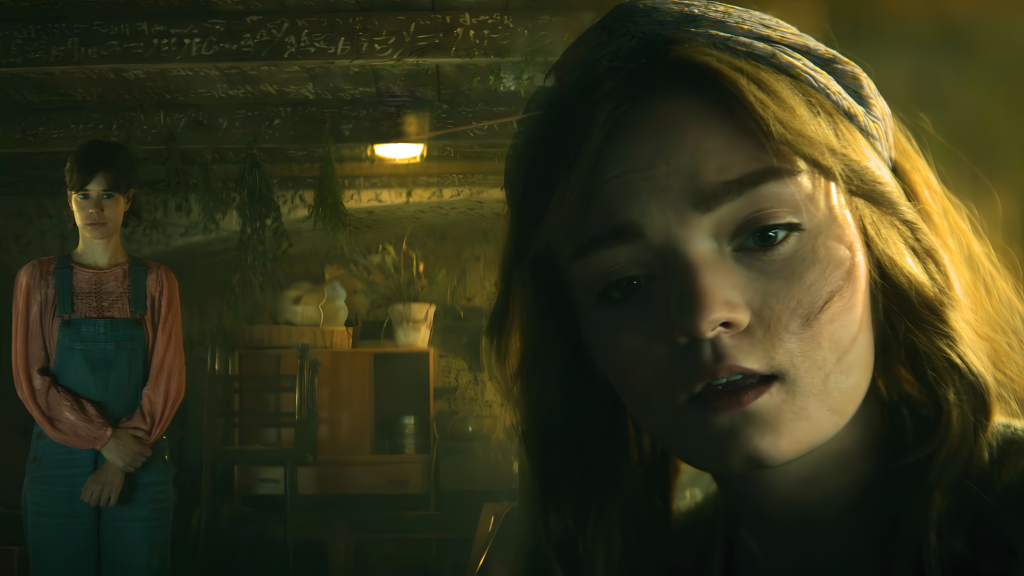
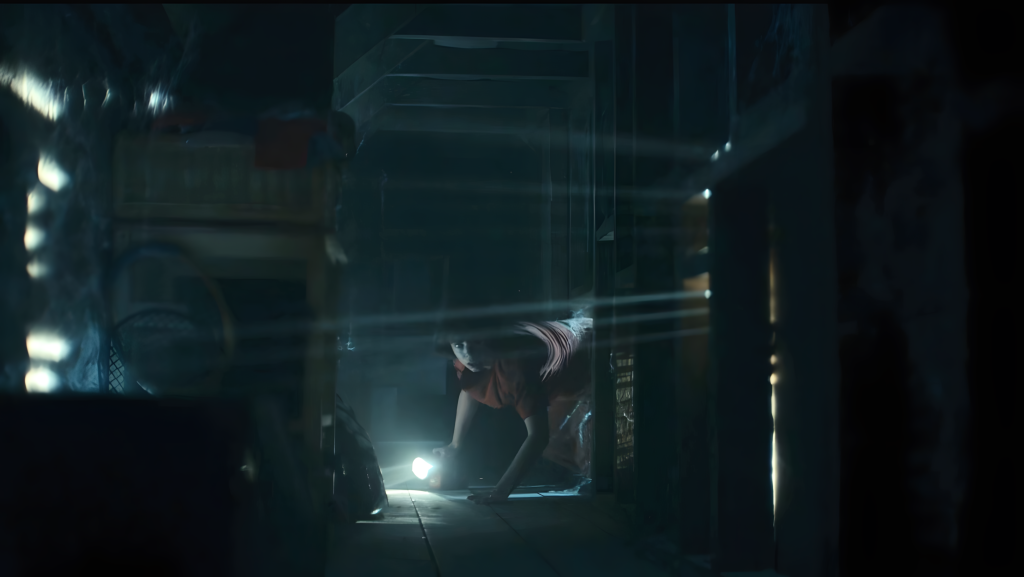
The female lead (Laia Costa) is solid, and the actress playing the daughter (Natalie Grace) certainly earns her paycheck. Possession roles can easily become exercises in making silly faces and crawling around furniture, but she commits completely to the physical unpleasantness required here.
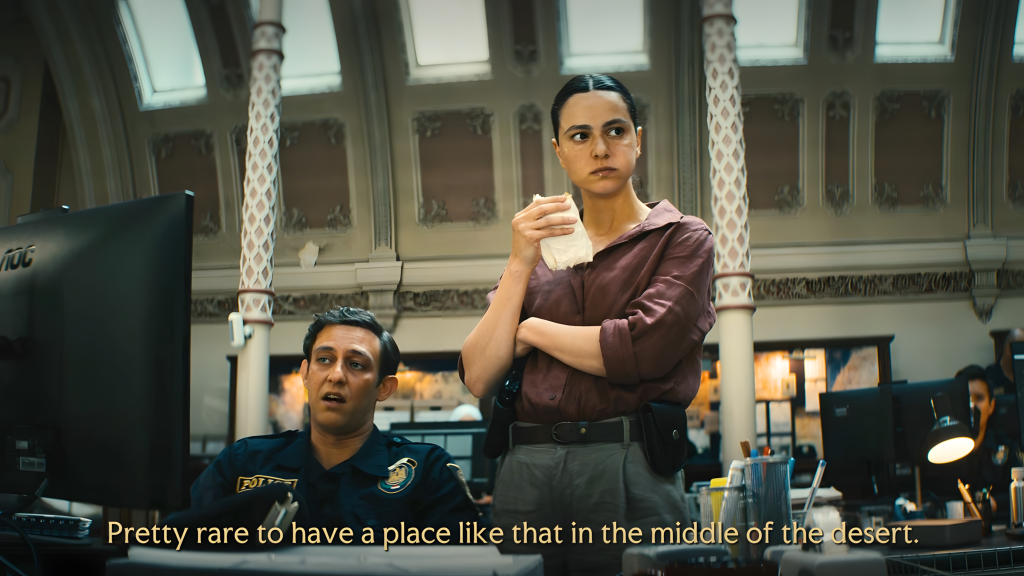
I also enjoyed the Egyptian side of the story. The film gives us what I can only describe as a Nancy Drew Egyptian detective lady (May Calamawy), and having an investigation occurring in a second location helps considerably. Rather than trapping the entire movie inside one haunted-house framework, Cronin occasionally lets the mythology breathe.

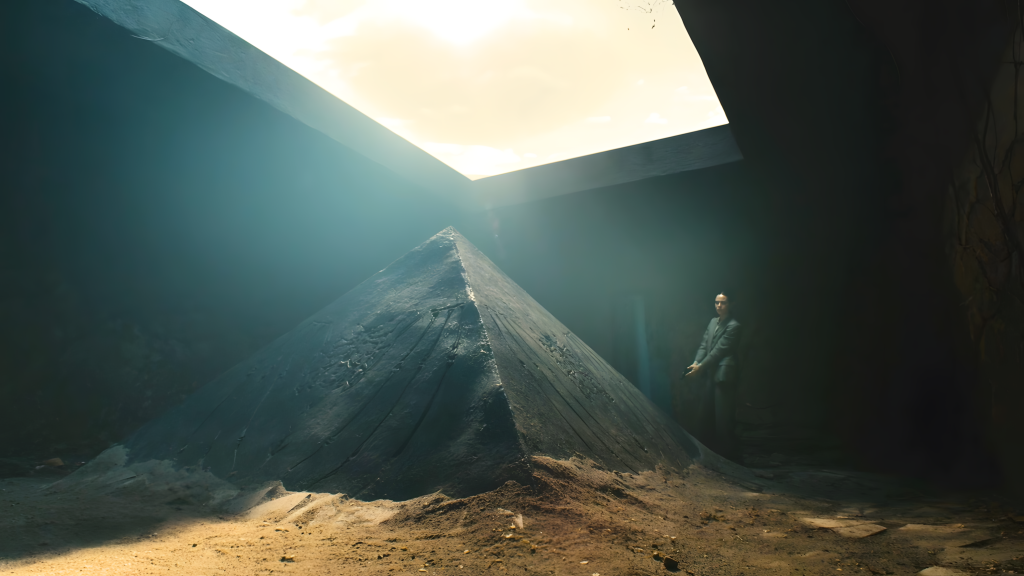
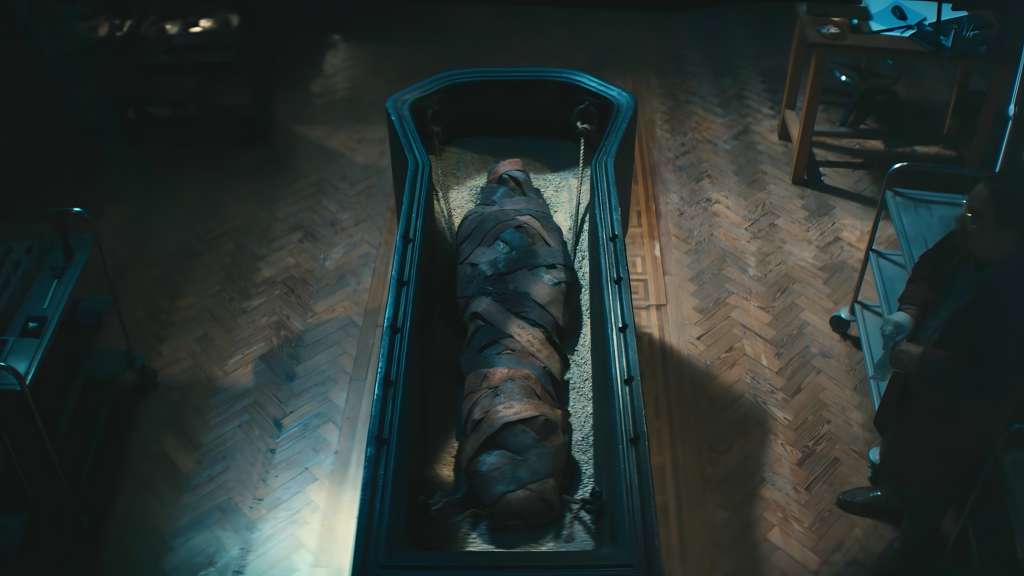
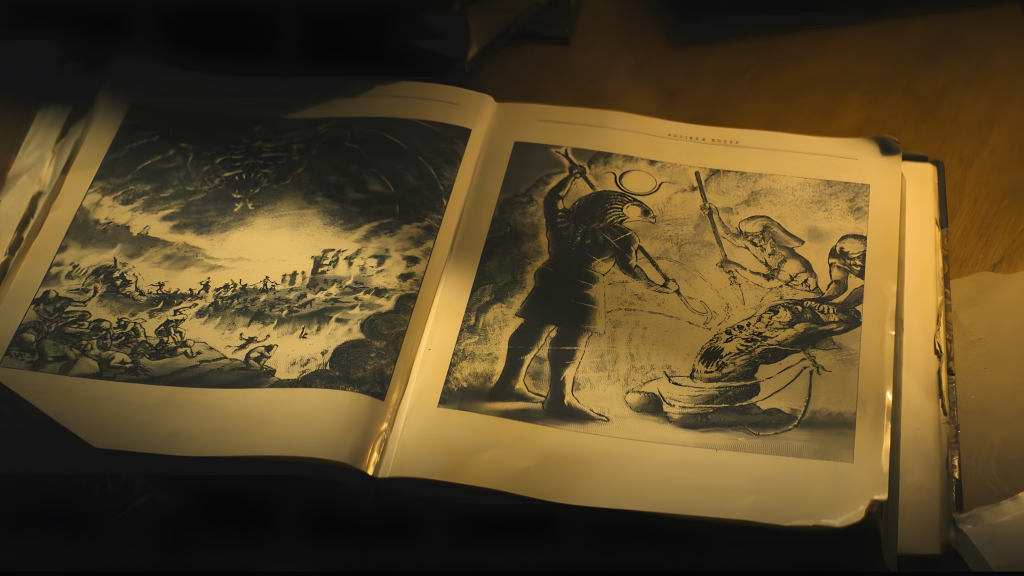
And that mythology is surprisingly effective. Despite ancient Egypt being one of the most heavily mined supernatural settings in cinema, The Mummy manages to construct something that feels at least somewhat fresh. I particularly liked the nursery-rhyme and fairytale imagery, including the evil witch offering the poisoned apple to the little girl. Is it subtle? Good Lord, no. But I liked it anyway.

The Bad
Unfortunately, The Mummy exists in a parallel universe that bears only a passing resemblance to our own. Let us begin with Albuquerque, New Mexico.
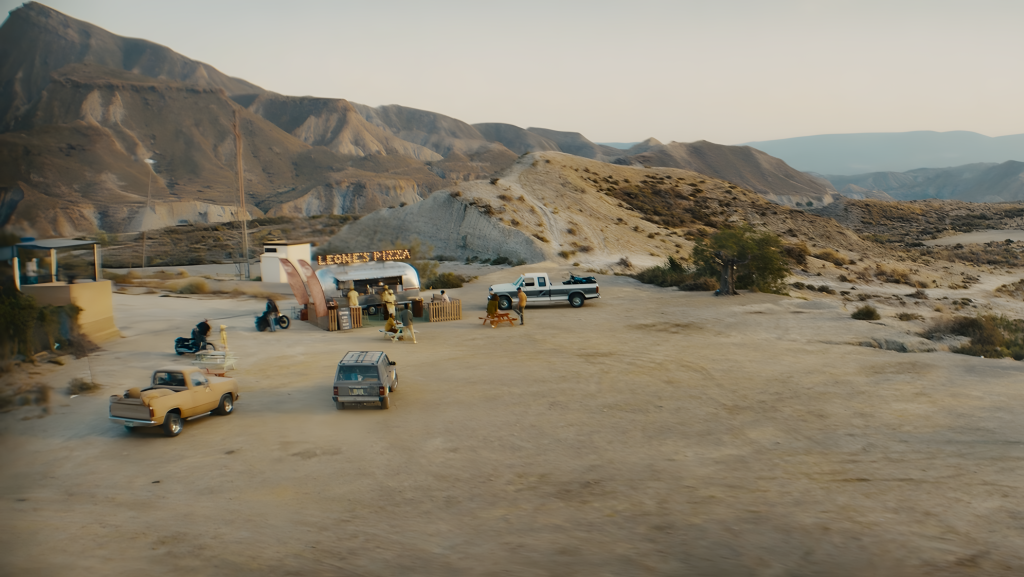
I am not entirely convinced anyone involved in this production has ever visited Albuquerque. I am not entirely convinced anyone involved in this production has ever seen a photograph of Albuquerque. They could have filmed these scenes in Iceland and somehow produced something more geographically convincing.
The Albuquerque of The Mummy appears to consist of approximately eight people, some mountains, one road, and a Pizza Hut that isn’t actually a Pizza Hut franchise but rather appears to be a literal hut in the middle of the desert that happens to serve pizza.
Albuquerque has an airport. It has roughly a million people in its metropolitan area. Civilization has reached New Mexico. I checked.

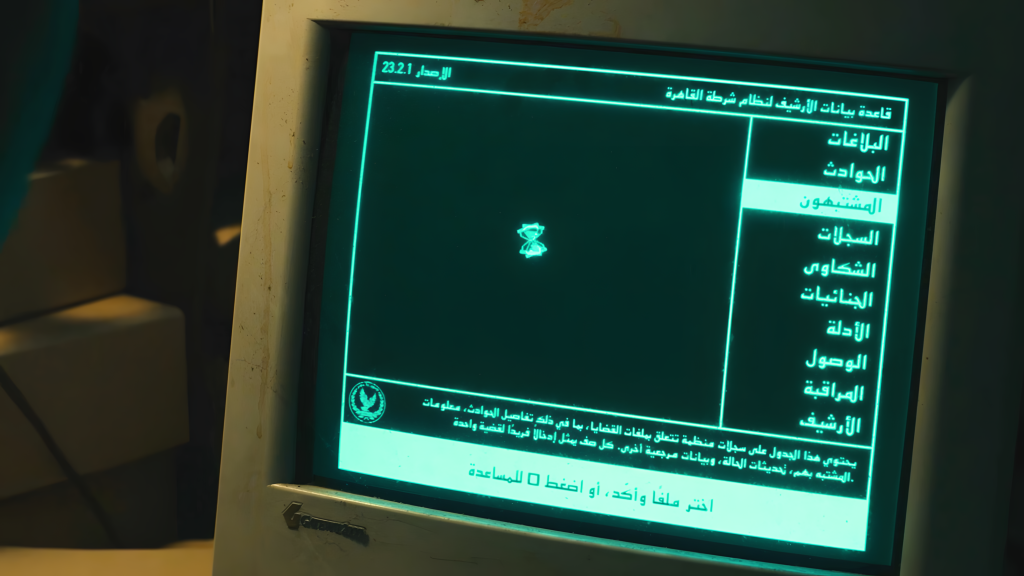
Cairo doesn’t fare much better. We get a nice establishing shot from above to inform us that yes, this is definitely Cairo. Unfortunately, once everyone gets down to street level, Cairo suddenly appears to have experienced a mysterious population collapse. The streets are far too empty and orderly. There is even a sequence vaguely reminiscent of Marion hiding in the basket in Raiders of the Lost Ark, except the historic medina of Kairouan from Raiders somehow feels more convincing than this version of Cairo.
This would merely be amusing, except that the movie applies the same alternate-universe logic to its characters.
The daughter has been missing for six years. She disappeared in Cairo. She is a cute blonde American girl whose father is apparently involved with television news. There should have been enormous media coverage.

And the movie actually acknowledges this! There is a very good shot of a drawer filled with letters, newspaper material, posters, and other remnants of the years surrounding her disappearance. Clearly, this was a major public story.
Then she comes home. And apparently, nobody notices.
No reporters. No television crews. No extended family. No government officials. No medical circus. No questions about how a child missing internationally for six years suddenly reappeared.
Apparently, the United States government just waves them through customs with a cheerful, “Welcome home, creepy mummy child!”

Even stranger, once the girl starts behaving like an obvious psychotic supernatural monster, Mom essentially decides that she can handle things herself.
No doctors.
No specialists.
No psychiatric evaluation.
No priest.
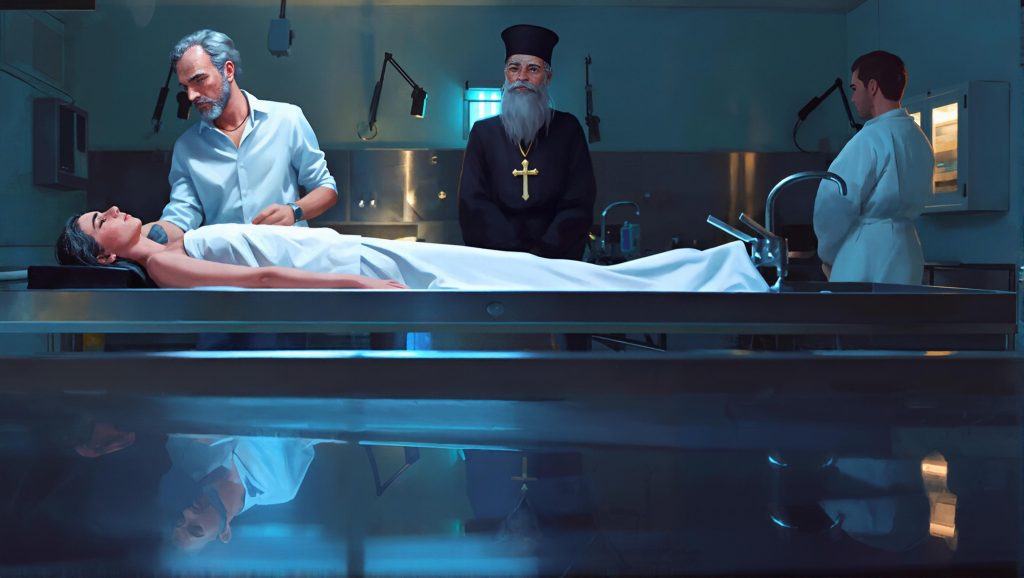
No exorcist.
No sturdy attic with a Whateley Twin-sized lock.
Nothing.
I can understand taking your daughter home initially. I can understand wanting normality after six years of trauma. But at a certain point, when your long-missing child starts displaying behavior that strongly suggests she may be carrying around an ancient Egyptian passenger, perhaps professional assistance should move somewhere near the top of the list.
The Ugly
This is where personal taste becomes important.
The Mummy belongs firmly to the modern school of horror that wants to make you uncomfortable. Cronin likes grotesque imagery, body horror, nasty sound design, and those sequences where you admire the filmmaking while simultaneously thinking, “I would rather not be looking at this.”
I am not the world’s biggest fan of that style. I have enjoyed one of the Insidious movies, but a lot of that enjoyment comes from having actors such as Patrick Wilson anchoring the supernatural nonsense. Jack Reynor fills a similar function here, but The Mummy goes further into gross-out territory than I generally prefer.
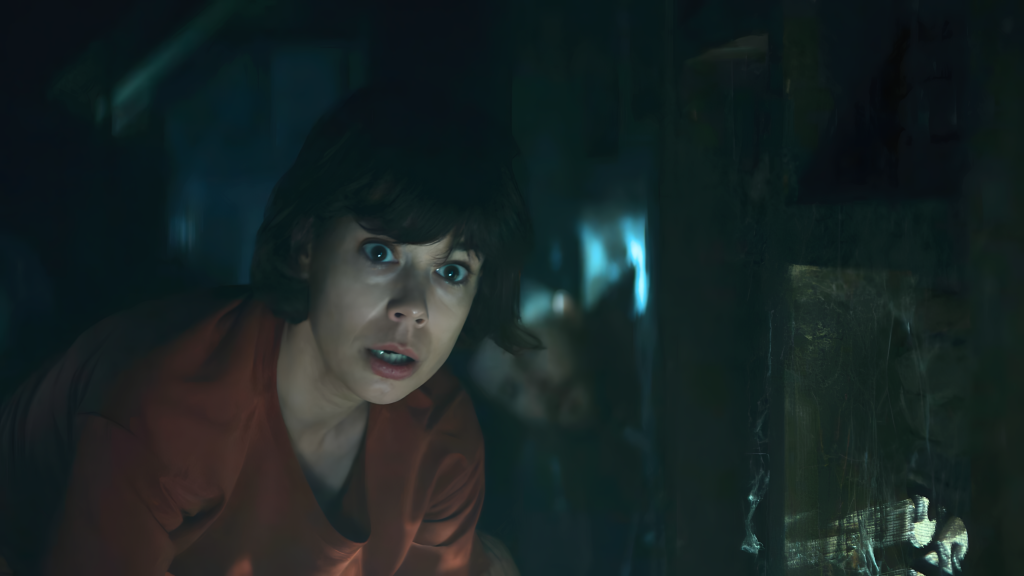
There are multiple sequences that are exceptionally well executed, and that I did not enjoy watching at all. And strangely, I mean that as something of a compliment.
The effects work. The direction works. The actors sell it. Cronin successfully produces exactly the reaction he wants. It just happens that my reaction is occasionally, “Please stop doing that.”

This is also probably why I cannot imagine watching The Mummy again anytime soon. There are movies I admire more than I enjoy, and there are horror films where one trip through the haunted house is plenty. This is one of those.
In Conclusion
Lee Cronin’s The Mummy is a good horror movie operating within an absolutely ridiculous universe. Ignore what you know about Albuquerque. Ignore what you know about Cairo.
Ignore what you know about airports, international missing-person investigations, the news media, medical care and the normal parental response to discovering that your daughter appears to have become an ancient Egyptian nightmare creature.
Once you do that, there is a lot here to admire.
The acting is strong, Jack Reynor makes an excellent lead, the Egyptian investigation gives the story some welcome scope, the mythology is surprisingly effective, and Lee Cronin stages several genuinely terrific sequences.
The plane crash alone is worth mentioning, while the revelation that the missing daughter has been found shows that Cronin can handle genuine human emotion just as effectively as he handles supernatural nastiness. And then Grandma gets eaten by coyotes. So really, The Mummy has everything.

I enjoyed it. I respect the craft involved. I have absolutely no desire to sit through some of the gross-out material again.
But if Grandma has been staying at your house a little too long and you have been searching for a subtle hint that perhaps it is time for her to head home, I may have found the perfect movie.