
Monstermania 1968
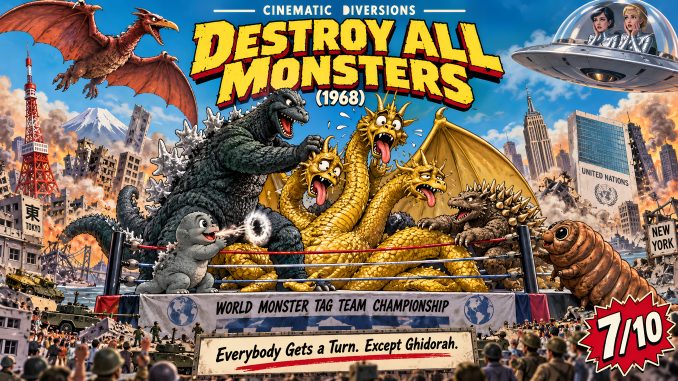
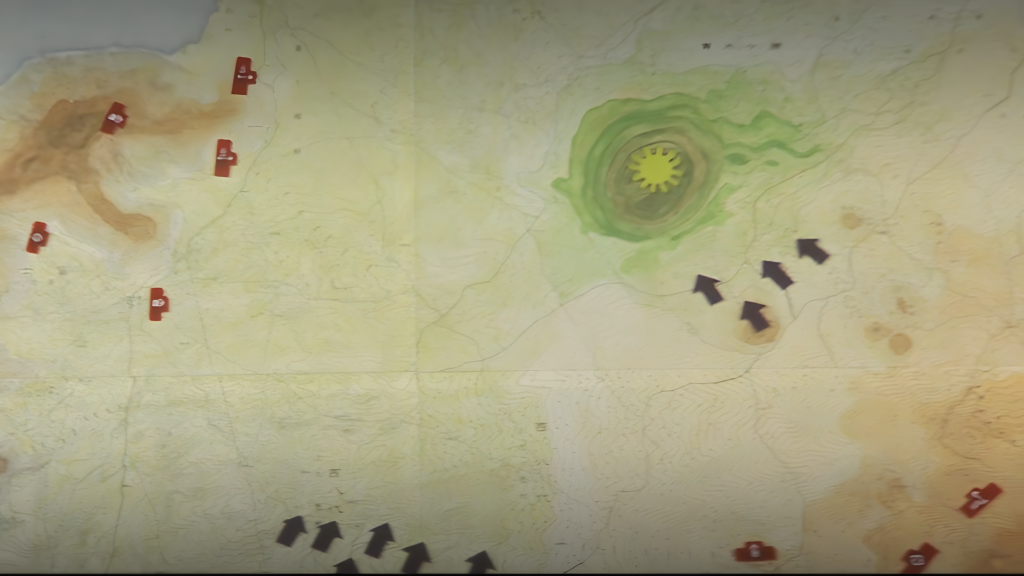
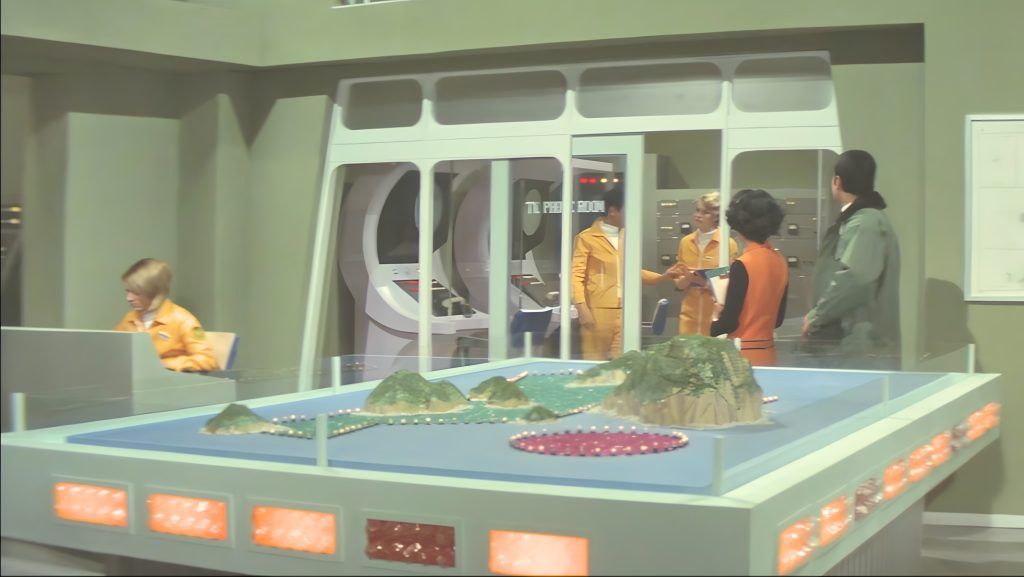
Destroy All Monsters (Kaijû sôshingeki) (1968): 7 out of 10: In the distant future of 1999, Earth’s giant monsters have been confined to an island where scientists can study them and the rest of humanity can enjoy reasonably affordable property insurance. Unfortunately, extraterrestrial invaders seize control of the monsters and send them out to demolish the world’s cities.
With Godzilla and company providing a rather persuasive argument for surrender, humanity must discover how to break the aliens control before there is nothing left worth conquering.
The Good
The Good: Repeat after me: Destroy All Monsters is a movie for children. Specifically, it is a movie for eight-to-twelve-year-old boys who consider a giant dinosaur stepping on a railway a perfectly satisfactory afternoon’s entertainment.
I know this because I was one of those boys.
Growing up in the New York metropolitan area, I watched these movies on Channel 9 or Channel 11, back when a Saturday television schedule might casually introduce you to a three-headed space dragon. I cannot remember which station showed which film or precisely where the Million Dollar Movie fit into all this. It was a long time ago. A million dollars was still considered an impressive amount of money to spend on a movie, as opposed to what it now costs to remove an actor’s mustache.
What I do remember is that Destroy All Monsters seemed like the greatest movie ever made. Re-watching it roughly fifty years later, I can still see the argument.
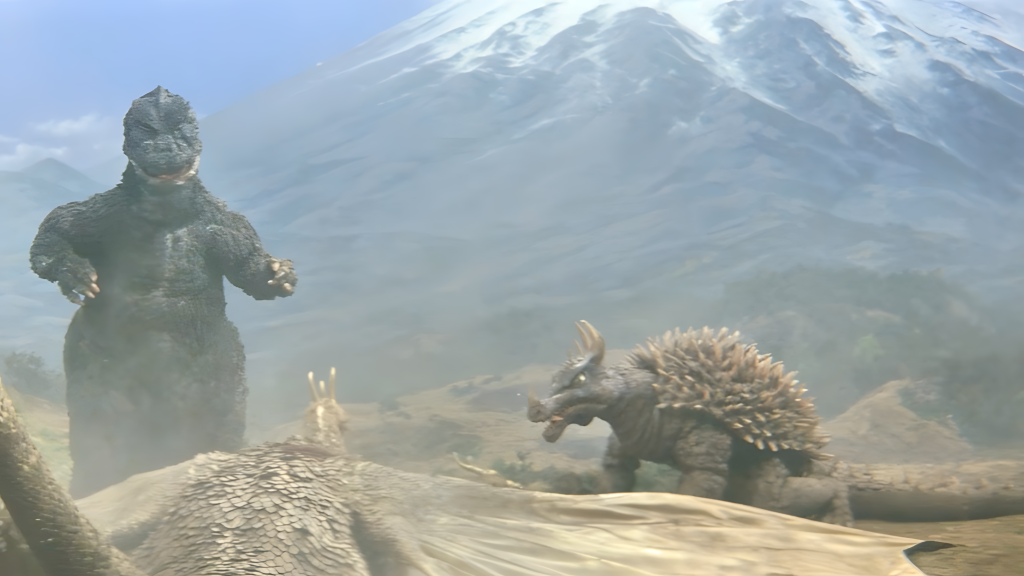
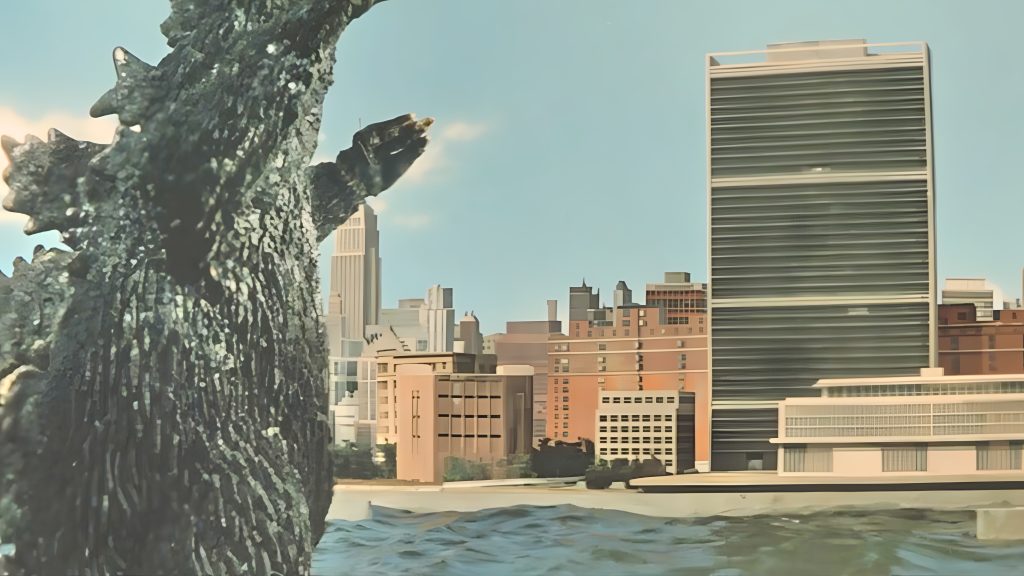
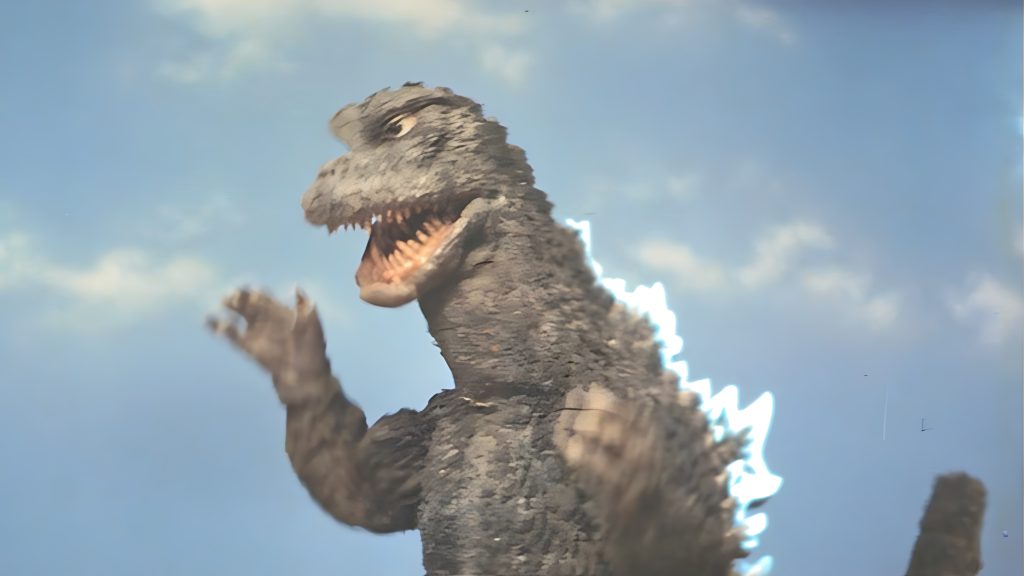
For starters, there is quite a lot of Godzilla in this Godzilla movie. This is not something the franchise has always considered mandatory. Some entries introduce him, send him off to take care of personal business for an hour, and bring him back when the human cast has exhausted every possible conversation about radar. Here, Godzilla has places to go and buildings to destroy. He even visits the United Nations, where his atomic breath proves considerably more effective than a strongly worded resolution.
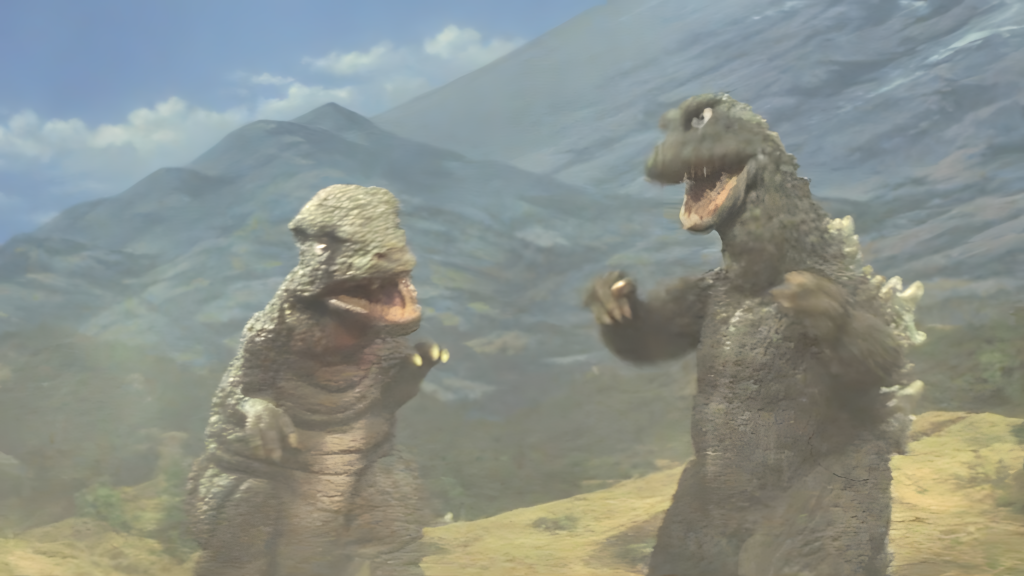
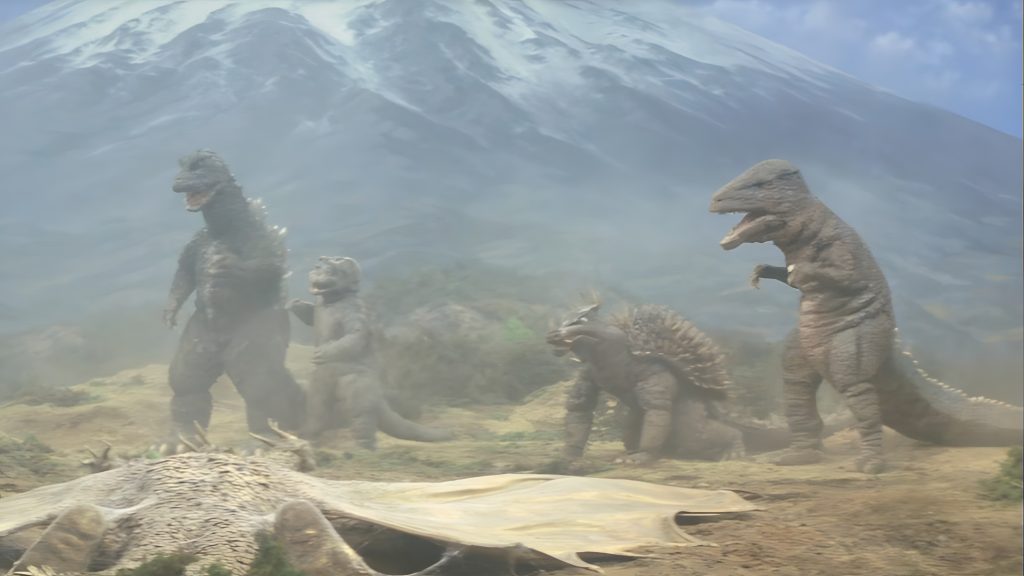
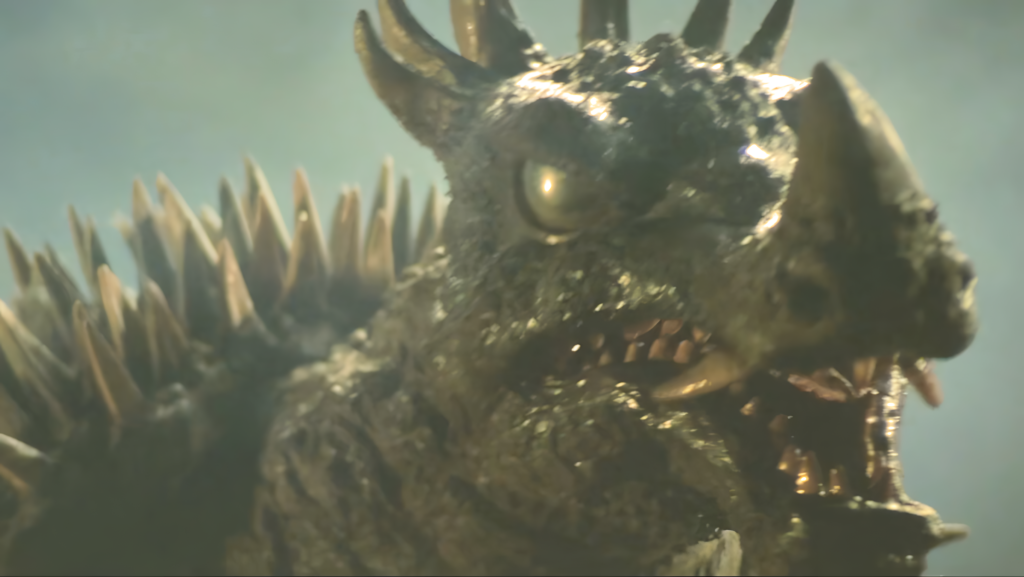
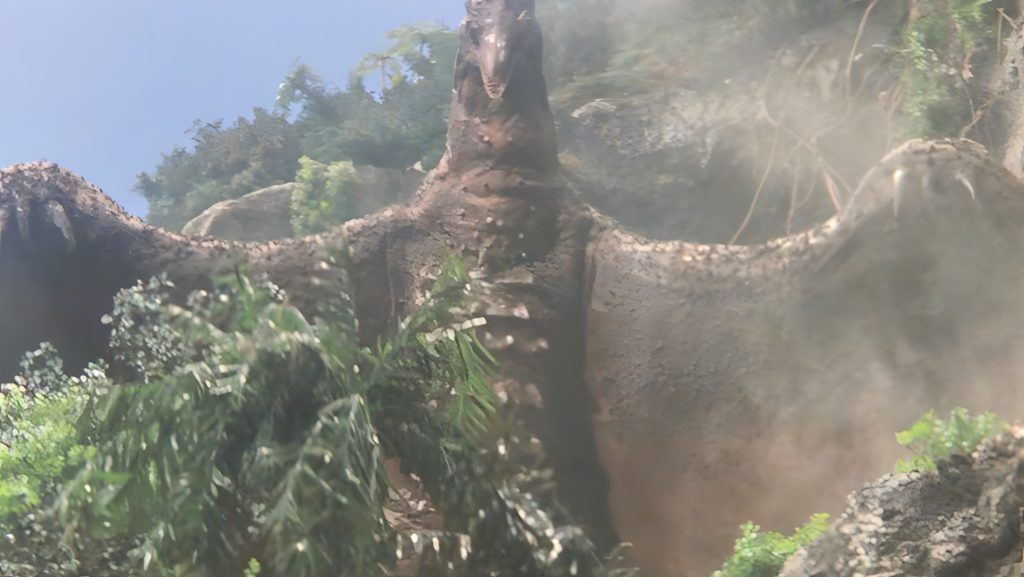
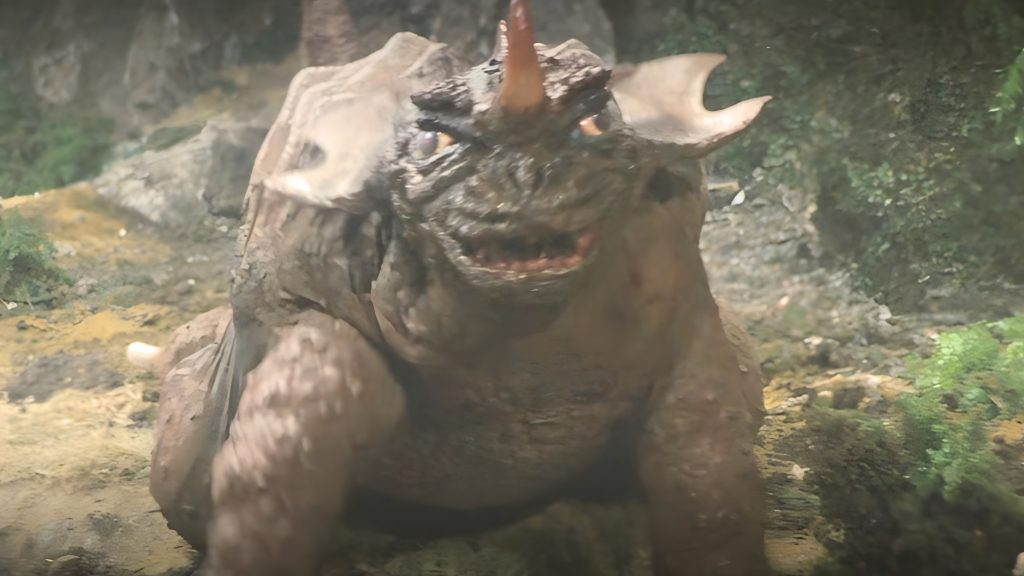
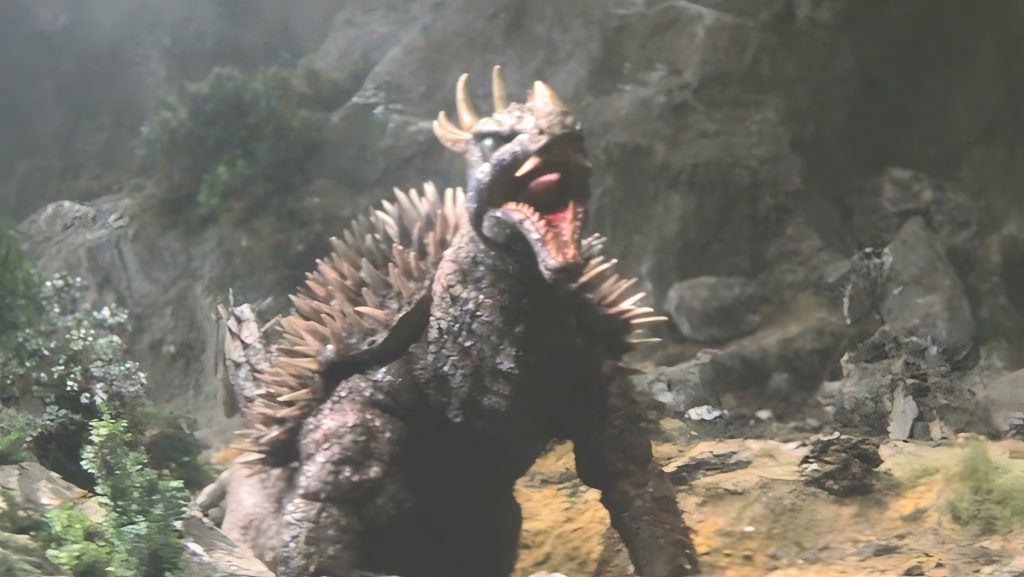
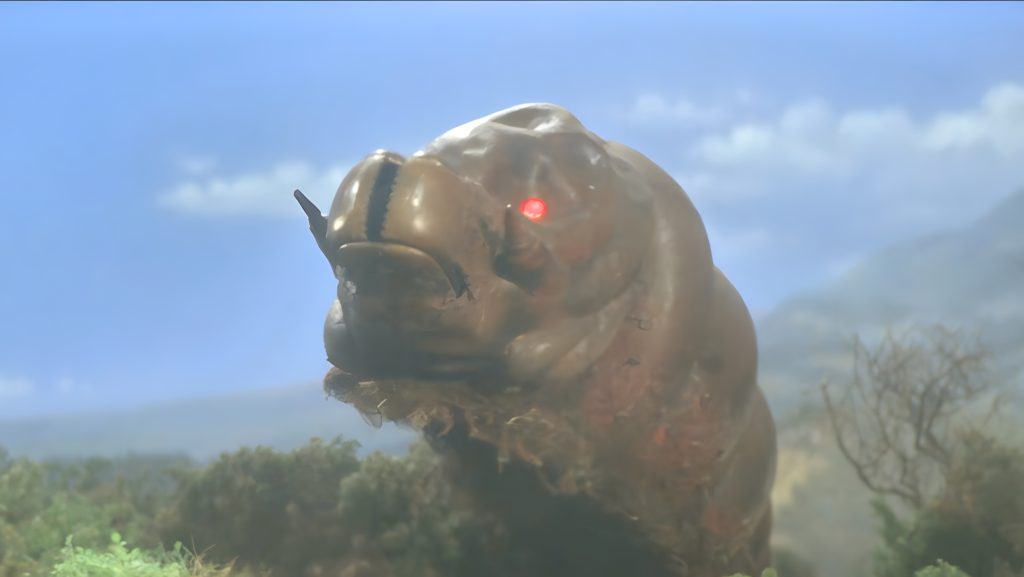
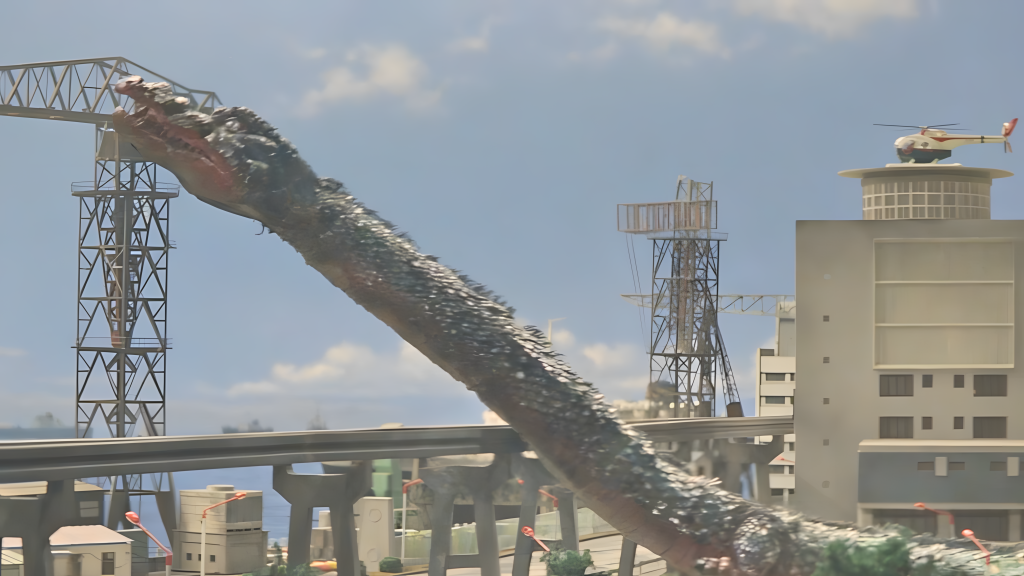
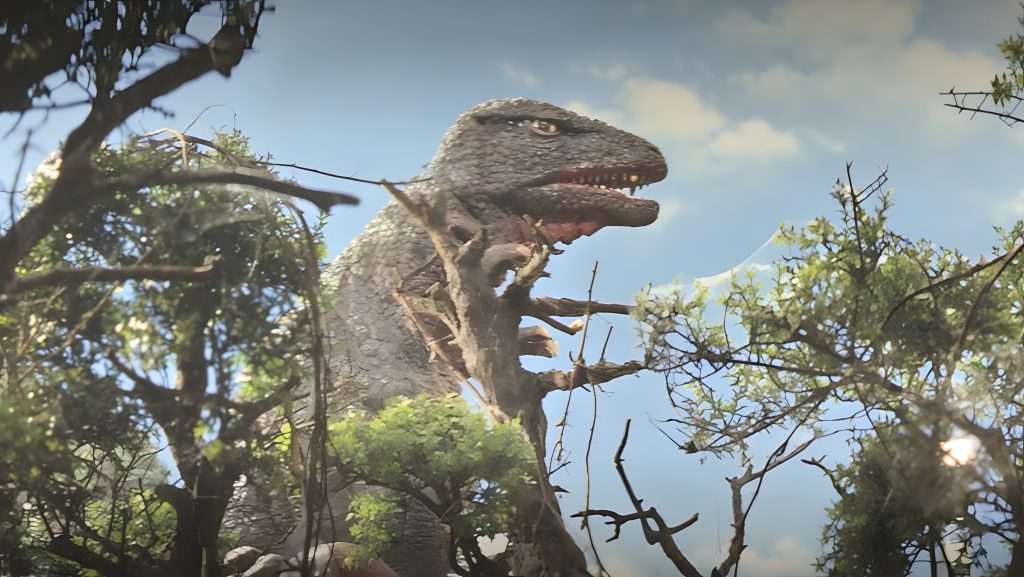
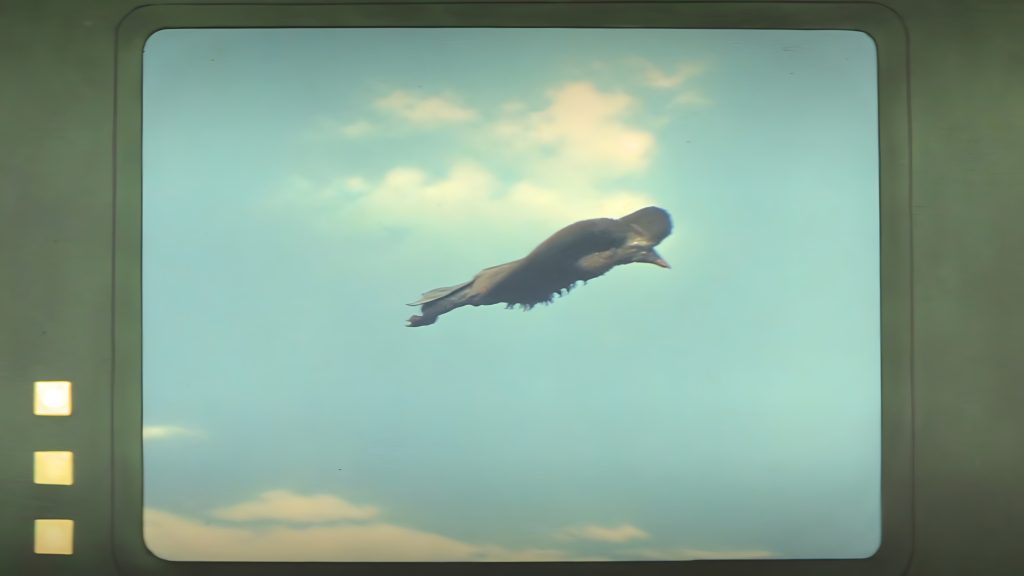
And he has brought friends. Rodan is here. Mothra is here in caterpillar form. Anguirus, the angry spiked armadillo of the group, is here. Gorosaurus who looks like a dinosaur who got called up from the Toho farm system is here. There is Manda, the giant snake with the more prestigious job title of sea dragon, and Kumonga, for anyone who felt the movie needed an enormous spider. Godzilla’s son is along as well. Others practically stick their heads through the door to make sure they get counted.
It is the monster equivalent of one of those WrestleMania events where everyone shows up. Keep that comparison in mind. We will be returning to the wrestling.

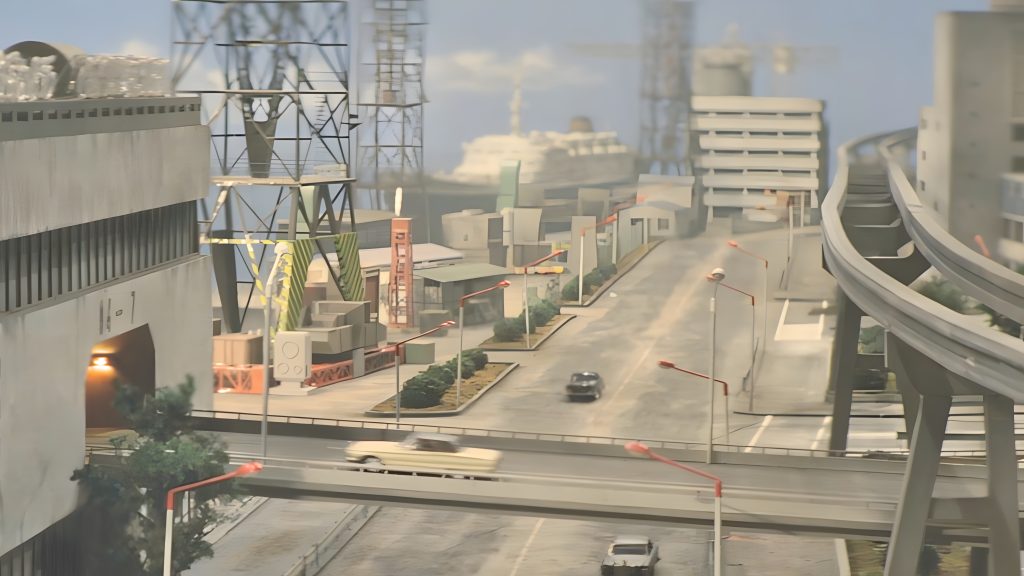
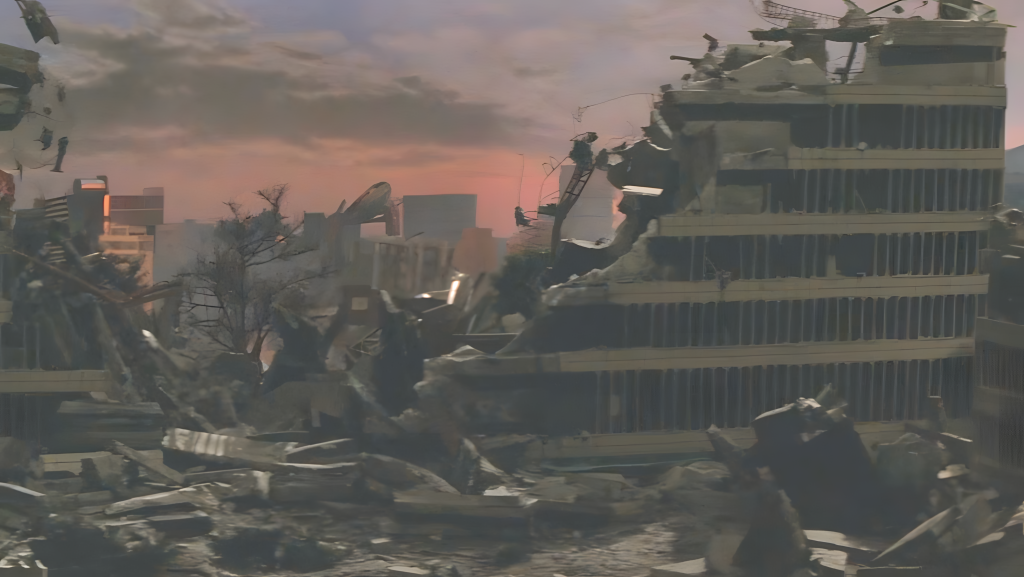
There is plenty of city destruction, plenty of miniature scenery, and very little downtime. Whatever its other shortcomings, Destroy All Monsters understands the appeal of its title. You came to see monsters. The management has arranged monsters.
The Bad
The Bad: There is, admittedly, a difference between having all the ingredients for the greatest movie ever made and successfully cooking them.
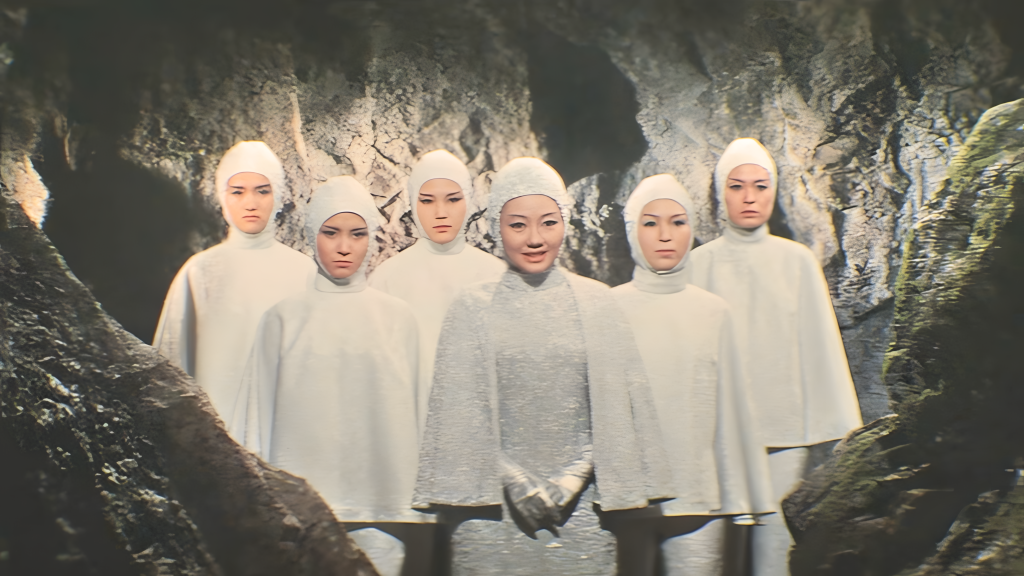
The model work is plentiful without always being particularly convincing. The acting is functional in the sense that people generally face the correct direction when speaking. The plot involves alien women taking over the world through monster-based vandalism, which is a fine starting point, but the invasion itself sometimes feels understaffed. There appear to be about six women and a flying saucer. Apparently, everyone else called out.

Now, sexy space aliens are a perfectly respectable tradition in these films. They give the fathers watching alongside their sons something to appreciate while everyone waits for Rodan. Unfortunately, these particular invaders dress with the seductive flair of a religious order. When conditions inside their spacecraft deteriorate, the glamour situation gets worse: they turn into worms and retreat into rocks. I do not want to get all Freudian here, but somebody has brought some baggage to the monster movie.
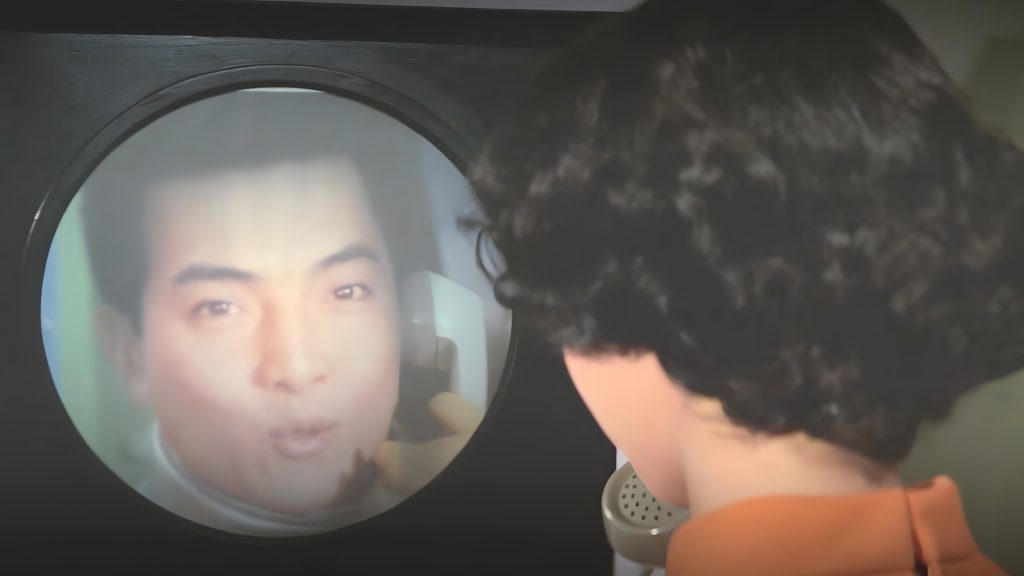
The human romantic interest does little to compensate. (She is no Yuriko Hoshi) Between her and the aliens, the monsters are comfortably winning the personality contest.

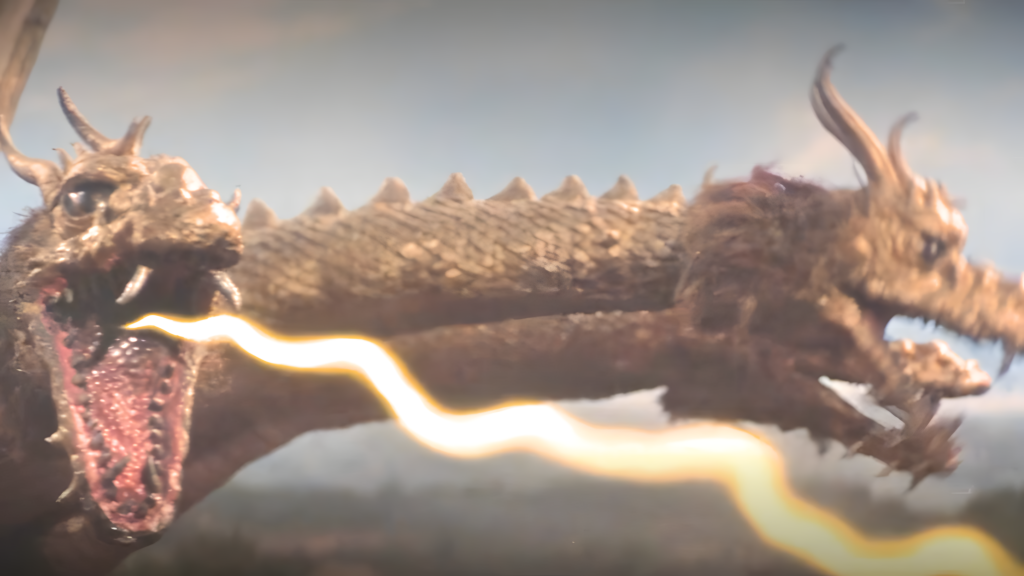
Which brings us to King Ghidorah.
The film assembles this enormous roster of monsters and then puts them up against one three-headed opponent. In a kung fu movie, the good guys would politely attack one at a time, allowing the villain to demonstrate his superiority before the hero finally discovered an effective technique. In wrestling, there would be reversals, desperate escapes, and at least a brief suggestion that the outcome remained in doubt.
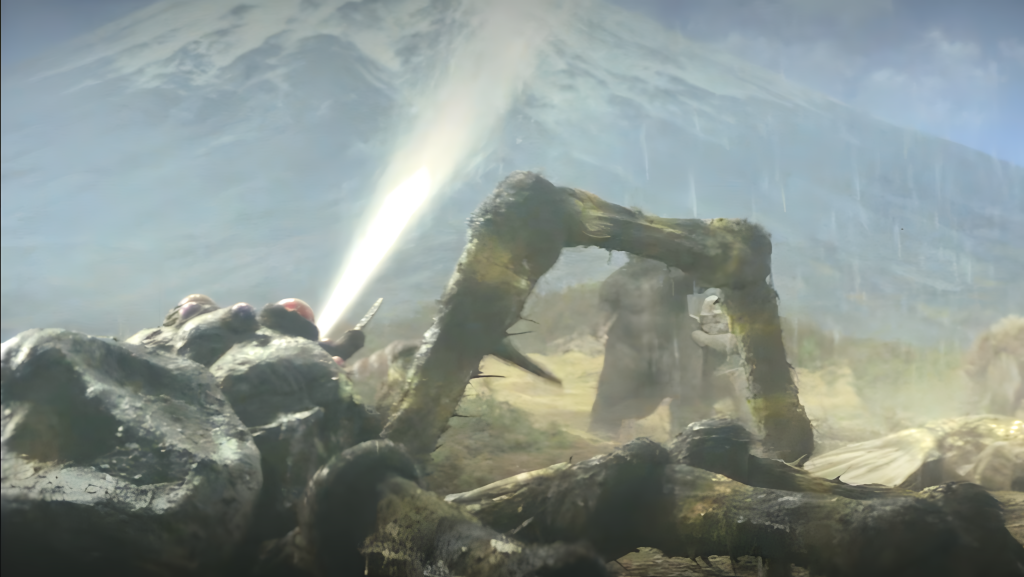
Here, everybody just beats the hell out of Ghidorah.

There is barely a moment when the poor creature appears to have a chance. Having three heads mainly allows him to experience the beating from several angles. Godzilla’s son even contributes a smoke ring, adding a final indignity to what already resembles a pay-per-view event that has lost control of its booking.
I understand the decision. This is a children’s film, and children want their favorite monsters to win. Still, there is something hilarious about unveiling your ultimate space monster and then immediately surrounding him with enough opposition to require a workplace incident report.
The Ugly
The Ugly: The English dialogue in the dubbed version I watched is extraordinary I do not mean it is merely corny. Corny dialogue belongs in a movie where people monitor giant caterpillars for a living. I do not even mean that characters say things inappropriate to the situation. There are exchanges here that simply do not sound like sentences an English-speaking human being would construct. You recognize the words individually. Their decision to spend time together remains a mystery.
This happens throughout the film, and the beautiful wide-screen presentation gives you ample opportunity to admire the scenery while trying to reconstruct what somebody just said. At a certain point, however, I stopped trying to collecting evidence and accepted that this was how people spoke in the future of 1999.
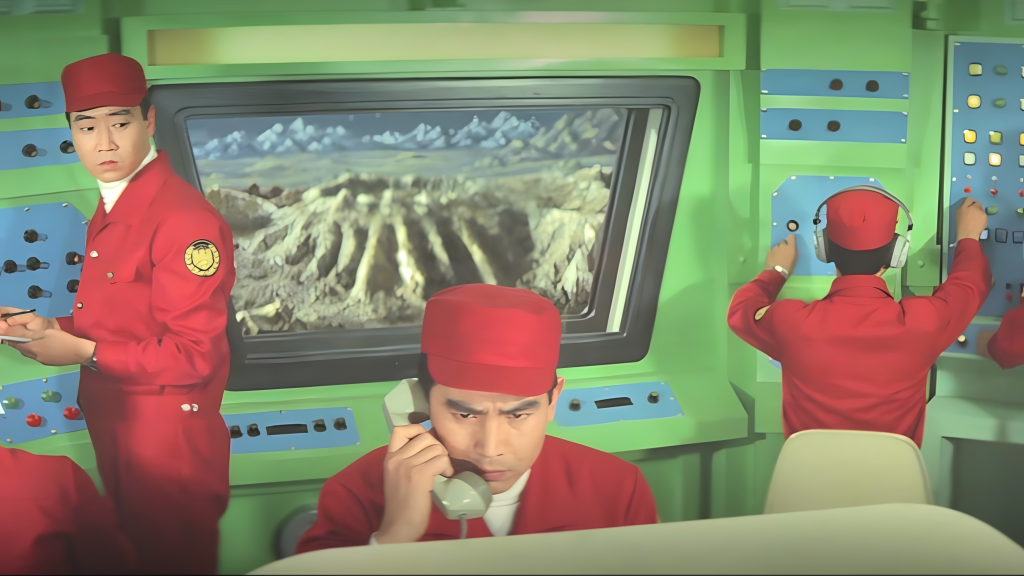
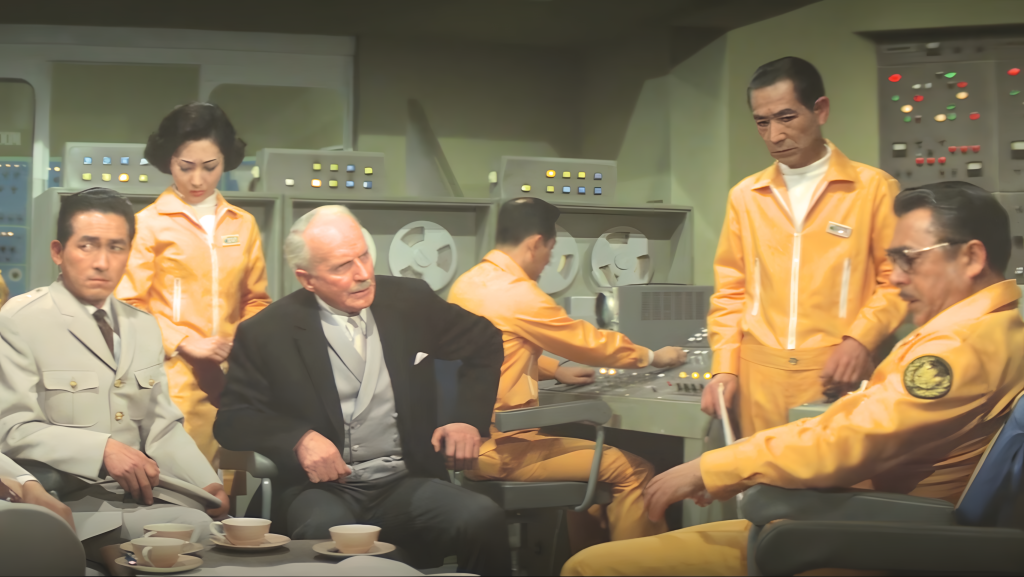
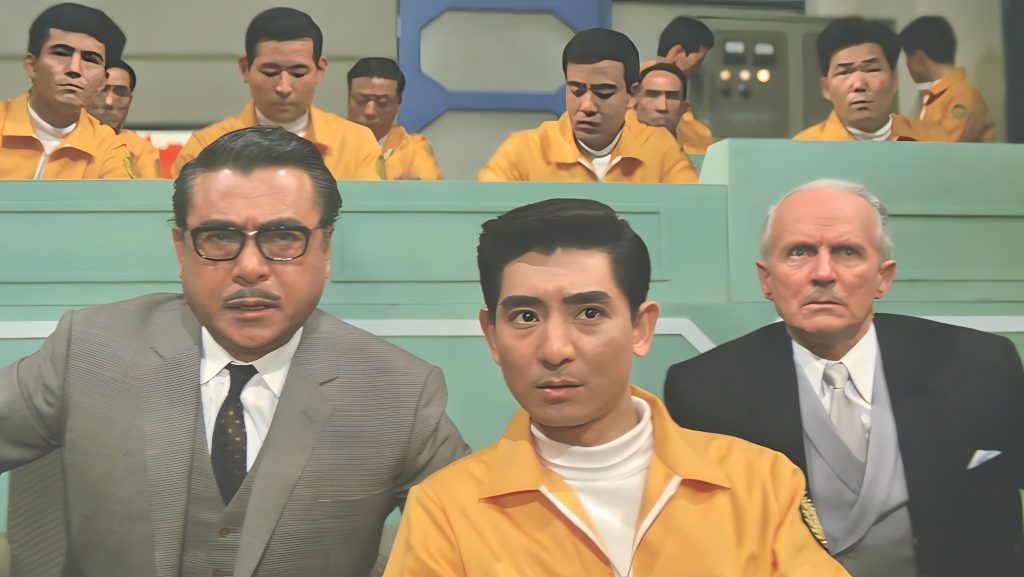
There is also a gentleman who appears to have wandered in from a London-themed Monopoly set. He keeps turning up in important discussions, talking with considerable authority, and leaving me no clearer about who he is or why he is there. Perhaps his dialogue explained everything. Perhaps he was buying a railway.
The combination of stiff performances, very peculiar dubbing, and a plot held together by alien mind control does occasionally make the human scenes feel like a transmission we are receiving on the wrong frequency. Fortunately, another monster usually arrives before this becomes a serious inconvenience.

In Conclusion: Destroy All Monsters is an easy recommendation for Godzilla fans, lovers of cheerful old science fiction, and anyone with fond memories of watching miniature cities suffer on Saturday television. Without that affection, some of the seams may be harder to overlook. But it moves, it delivers the monsters, and it never forgets what its audience paid to see. The adult in me gives it a seven. The eight-year-old would like to know why we are wasting time discussing dialogue when Godzilla is on his way to New York.


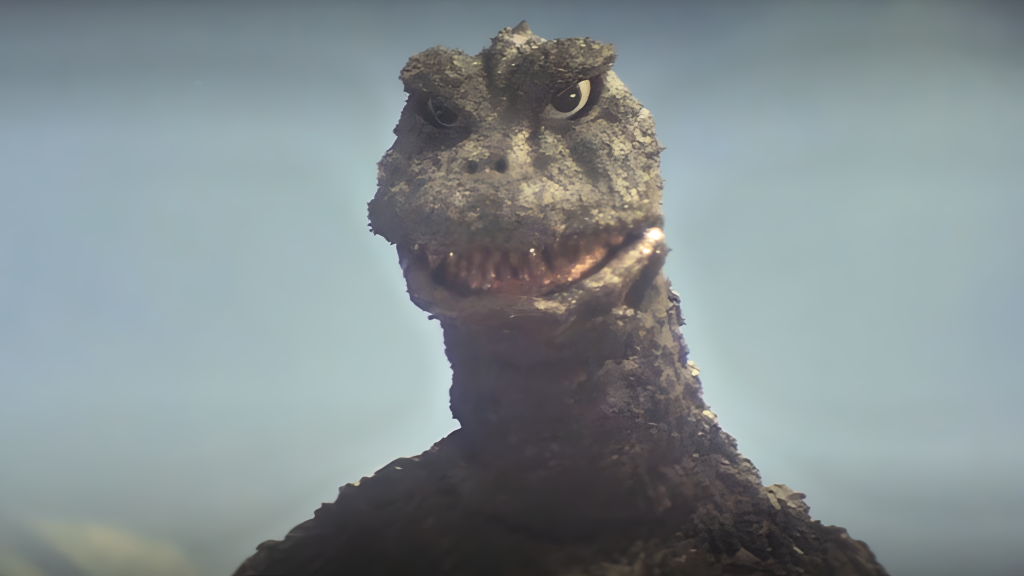
He pulls the spitting high tension wires down
Scream bug-eyed as he looks in on them

As he wades through the buildings toward the center of town

Go go Godzilla, yeah
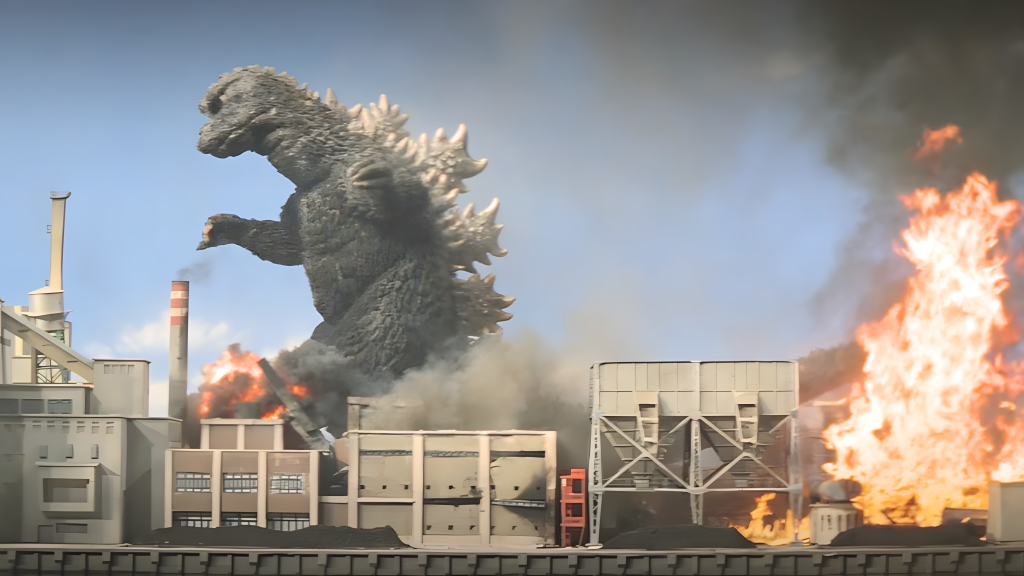
Go go Godzilla, yeah
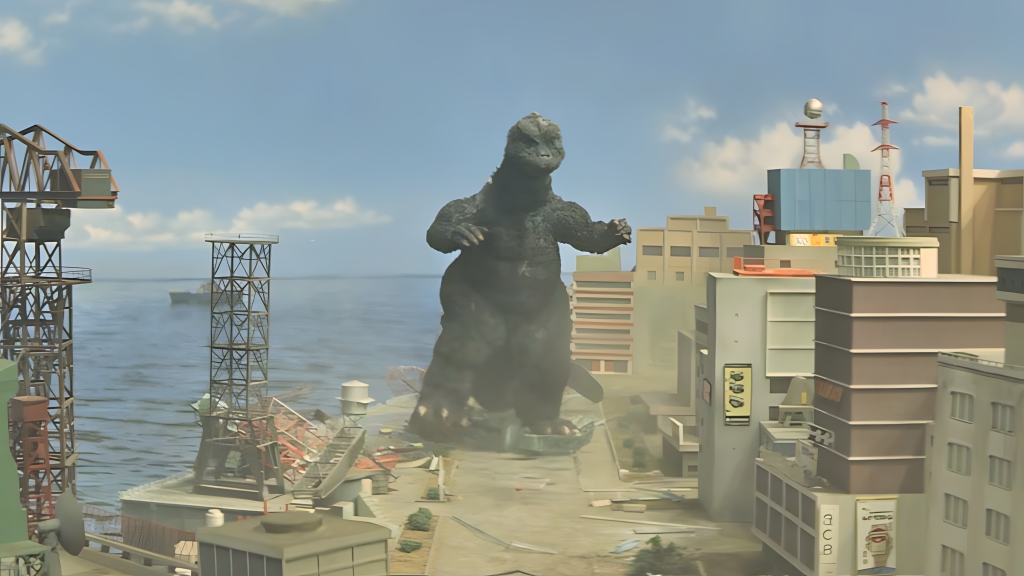
Rinji news o moshiagemasu
Godzilla ga Ginza hoomen e mukatte imasu
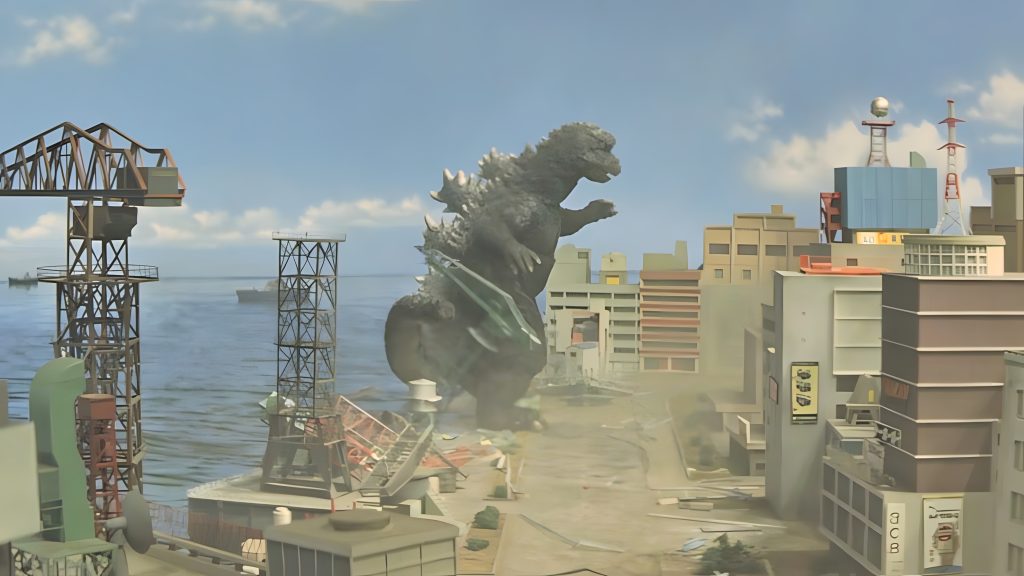
How nature points out the folly of men
Godzilla
Your wrestling comparison gets at an interesting problem with the finale: assembling so many monsters creates spectacle, but it also leaves Ghidorah with very little chance to generate suspense. The distinction between enjoying the miniature destruction and finding the human scenes awkward makes the seven-out-of-ten verdict easy to understand.