No Good Deed Goes Unpunished.
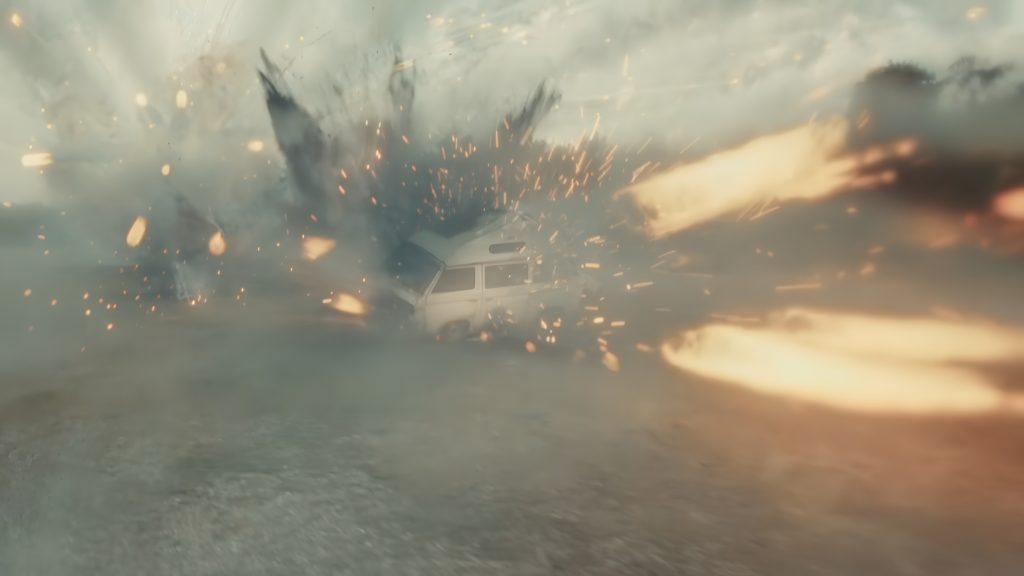
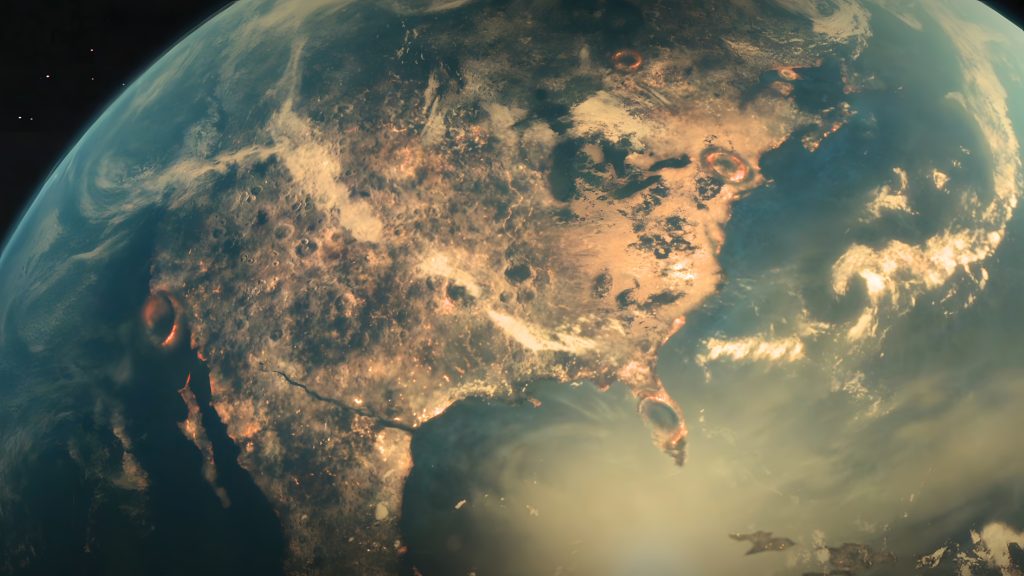
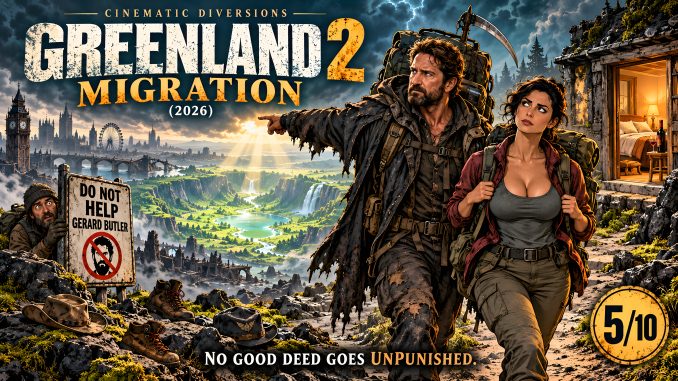
Greenland 2: Migration (2026): 5 out of 10: Five years after a comet devastated Tampa and some lesser earth locations, John Garrity (Gerard Butler), his wife Allison (Morena Baccarin), and their son Nathan (Roman Griffin Davis) discover that surviving the apocalypse does not necessarily settle the housing question. Forced to leave their bunker in Greenland, the family heads across a shattered Europe in search of a place to rebuild their lives.
One could assemble a healthy list of movies whose sequels were greeted with “They made a sequel to that?” Basic Instinct 2, Highlander II: The Quickening, and Showgirls 2: Penny’s from Heaven are just a few examples. Somewhere near the top belongs Greenland 2: Migration.
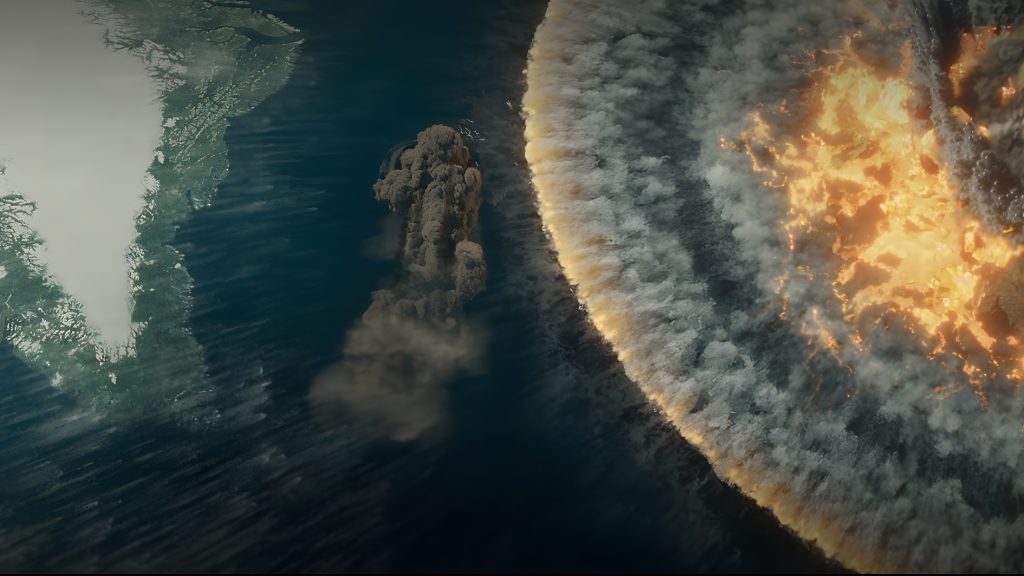
Now, I liked Greenland. I gave it a seven. As I explained in my original review “What Greenland does extremely well is that it recognizes it has a certain limit on its budget and uses that as a strength rather than a weakness. Take notes, pretty much everyone else in Hollywood. Greenland is infinitely better than the much larger-budgeted Gerald Butler disaster film Geostorm.”
Greenland delivered a surprisingly grounded disaster story with good performances, genuine tension, and occasional reminders that people can help one another when things go sideways.
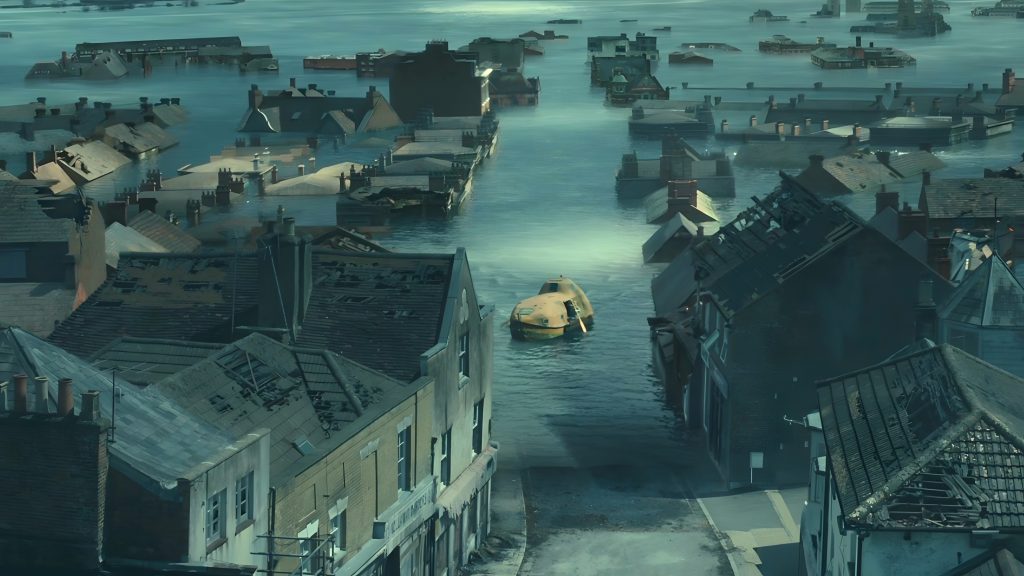
But at no point after finishing it did I think, “You know, there is more story to tell.” They reached Greenland. They found the shelter. Dorothy got back to Kansas. I did not need a follow-up about the structural problems with Auntie Em’s basement. Nevertheless, here we are.
The Good
The Good: I like Gerard Butler. There is a place in this world for an actor who makes reasonably budgeted action movies with competent costars and a premise you can explain while carrying popcorn. The man made a movie called Plane about a plane. He has a genre.
Liam Neeson fills a similar slot, but Neeson has been beating his particular horse with a large stick for quite some time. Butler still seems happy to turn up and do the job. Jason Statham has the same quality. Give these men a transportation problem, an unreasonable villain, and a release date, and they will usually provide an evening’s entertainment.
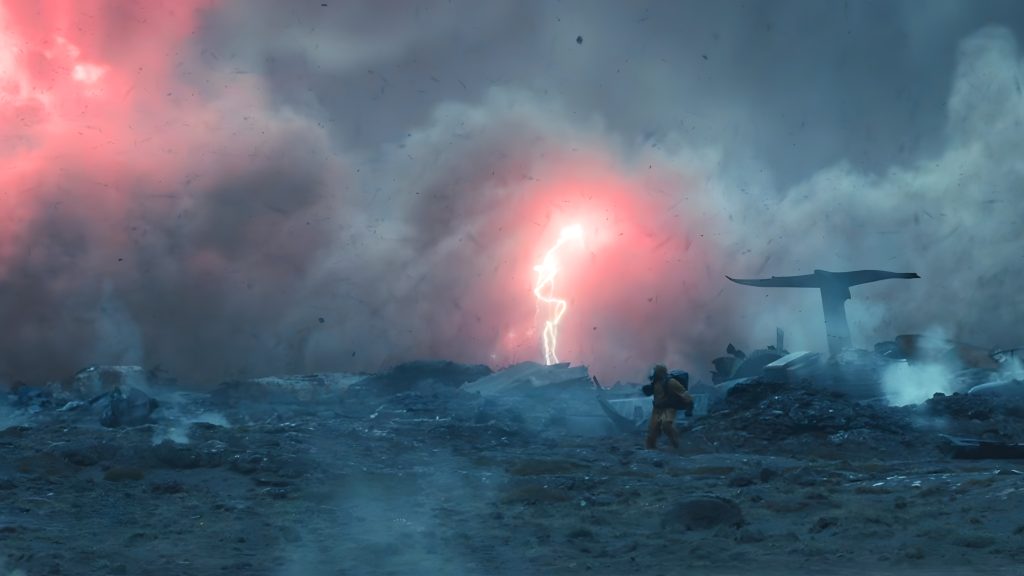
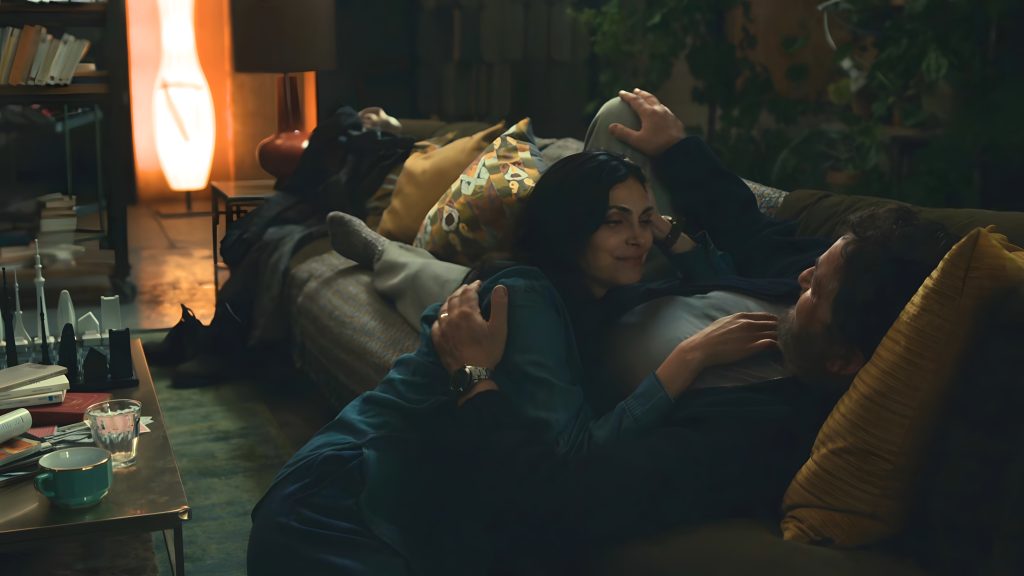
Butler remains an asset here, even in a film that offers fewer opportunities for him to solve disagreements by hitting somebody with a hammer. He has the worn-down appearance of a man who survived the end of the world only to discover he is still responsible for organizing the family road trip.
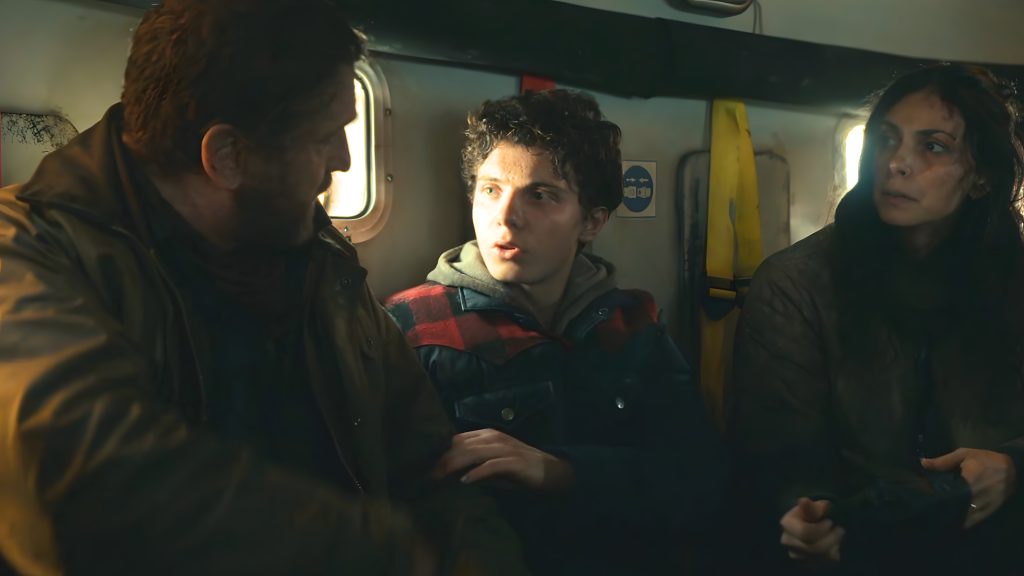
Morena Baccarin is perfectly fine as his wife, and Roman Griffin Davis works well as their son. I preferred him to the original child actor, though fairness requires acknowledging that playing an older child gives him an easier assignment. So does the screenplay’s decision to stop treating his diabetes as a ticking bomb.
The condition gets name-dropped in passing, but we thankfully retire the first film’s recurring need to interrupt the apocalypse for an insulin emergency. Whatever other mistakes the sequel makes, somebody recognized that we did not need another entire movie of pharmaceutical hide-and-seek.
There is also something appealing about a post-apocalyptic film in which kindness still exists. The world has ended, but not everyone has immediately bought bondage equipment and joined a motorcycle gang. People offer shelter, assistance, and companionship. Individually, some of these encounters work.
Collectively, they introduce a rather serious problem. Gerald Butler is the angel of death.
The Bad
The Bad: Why does Butler and family keep leaving perfectly decent places to live?
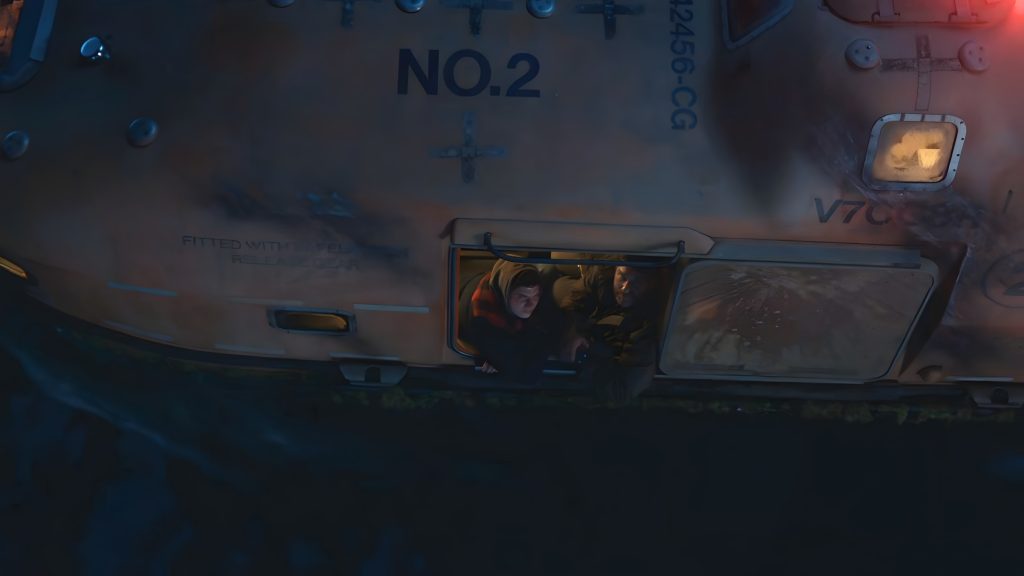
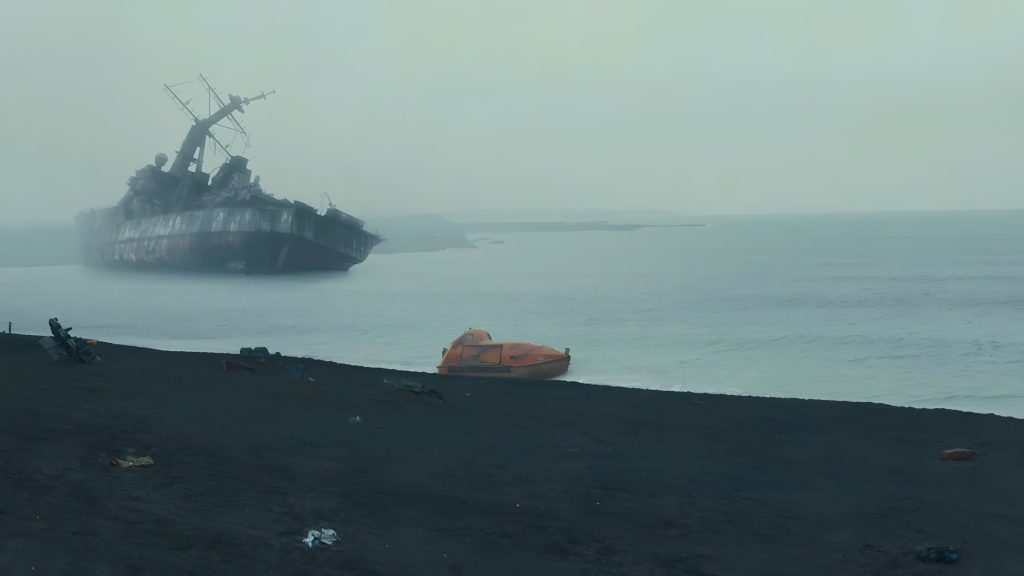
The initial departure makes sense. Their bunker is no longer a viable long-term proposition. Fine. Pack the bags. Find the lifeboat. Time to leave Greenland, which admittedly creates a slight branding issue. Though the first film also spent very little actual time in Greenland.
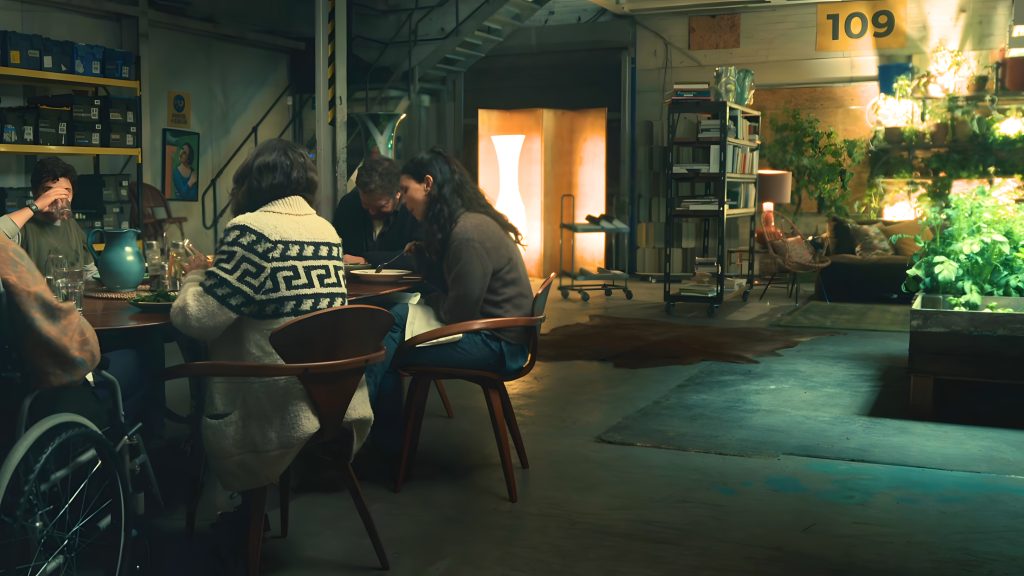
But once the journey gets underway, the family encounters accommodations that look remarkably attractive under the circumstances. During a stop near London, they find beds, food, company, and wine. There is an entire ruined city nearby offering scavenging opportunities. I am not saying this is paradise, but after the extinction-level event, my requirements would be flexible. I have stayed at worse Airbnbs.
A bed and a bottle would get my attention. Instead, onward they go toward a distant impact crater that supposedly offers a fresh beginning. The place where the world-ending object hit the world is apparently where we should now look for desirable real estate.
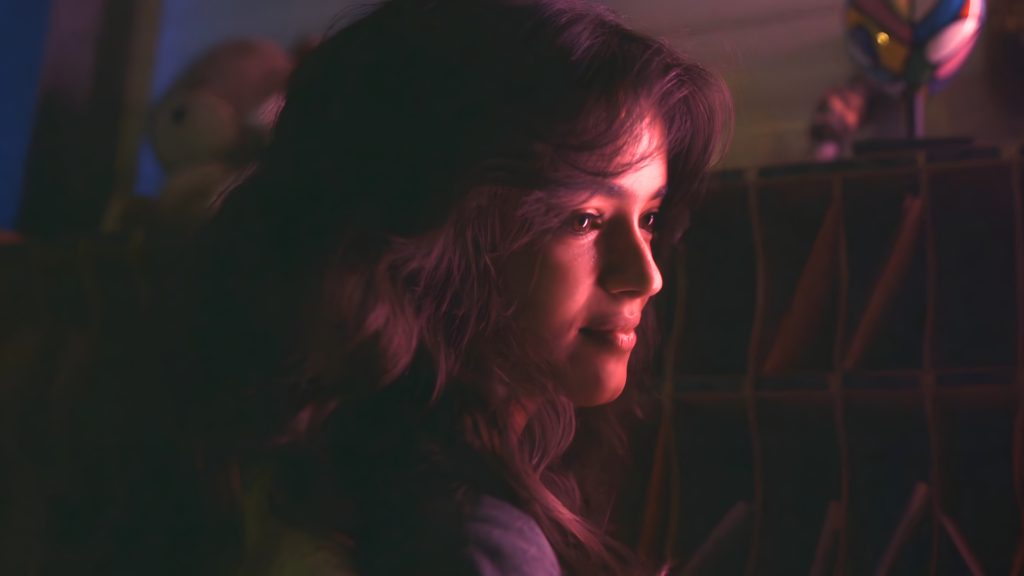
Perhaps this could work as a destination if the film made the alternatives sufficiently desperate. Instead, it repeatedly shows us somewhere I would consider staying and then insists we move along. (I have not even mentioned the French bistro with home-cooked meals and a hot daughter) The family has faith in the next place. I have questions about why we are abandoning the place with clean sheets.
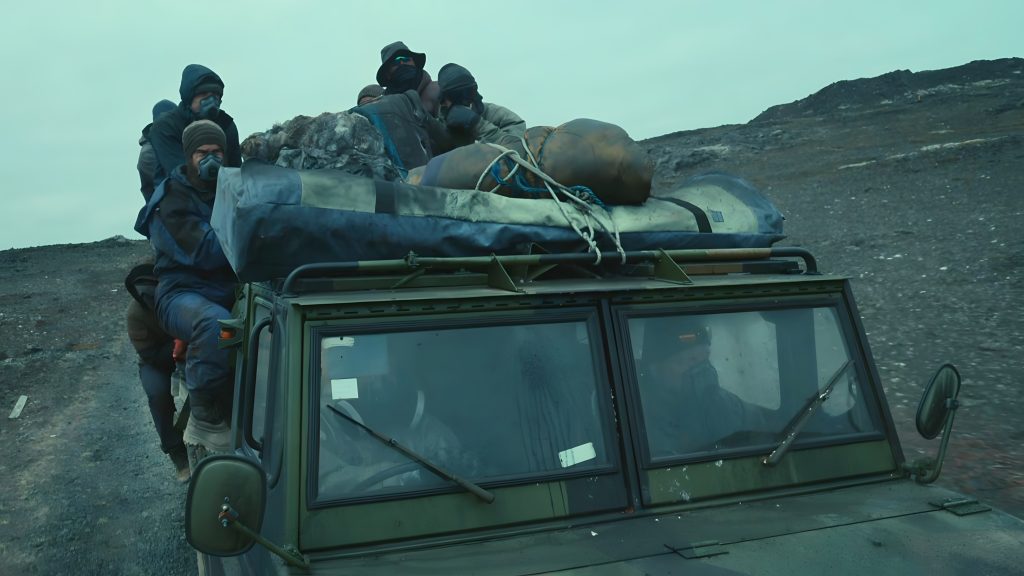
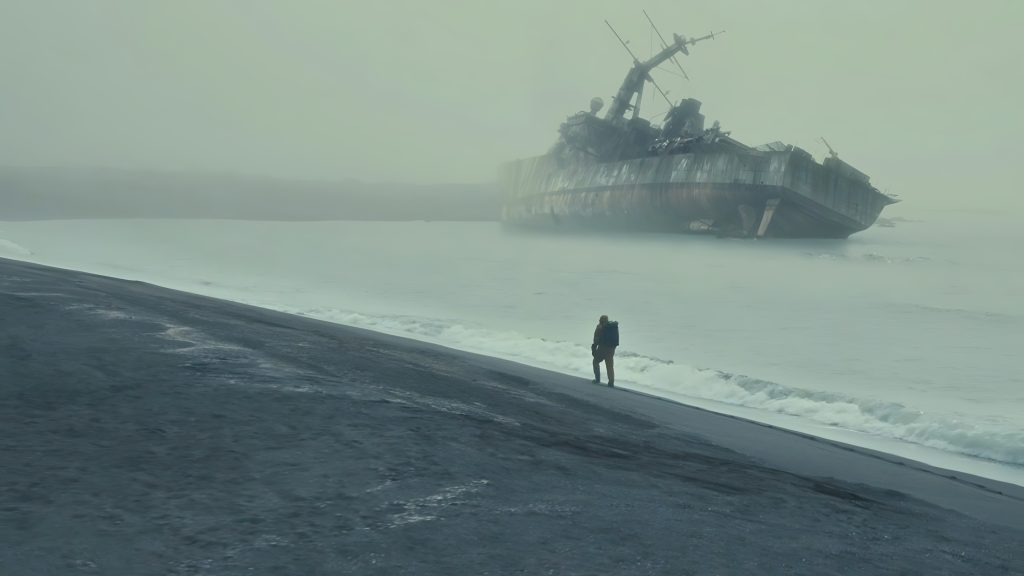
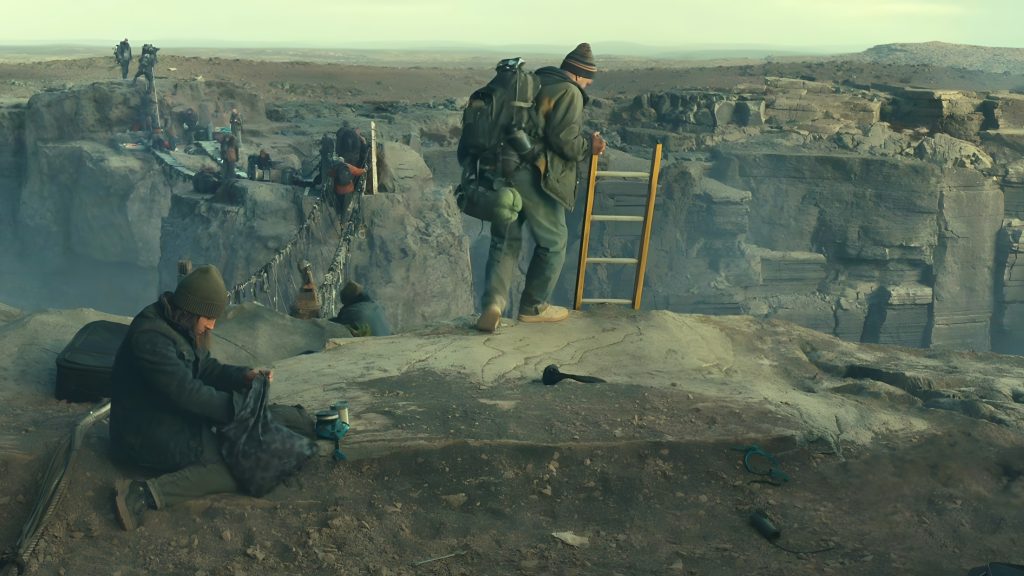
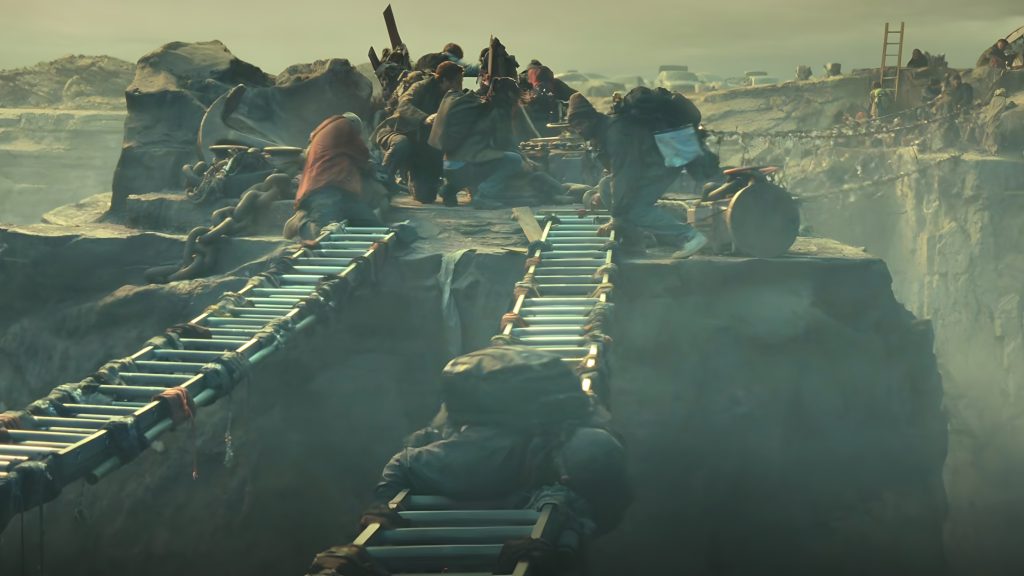
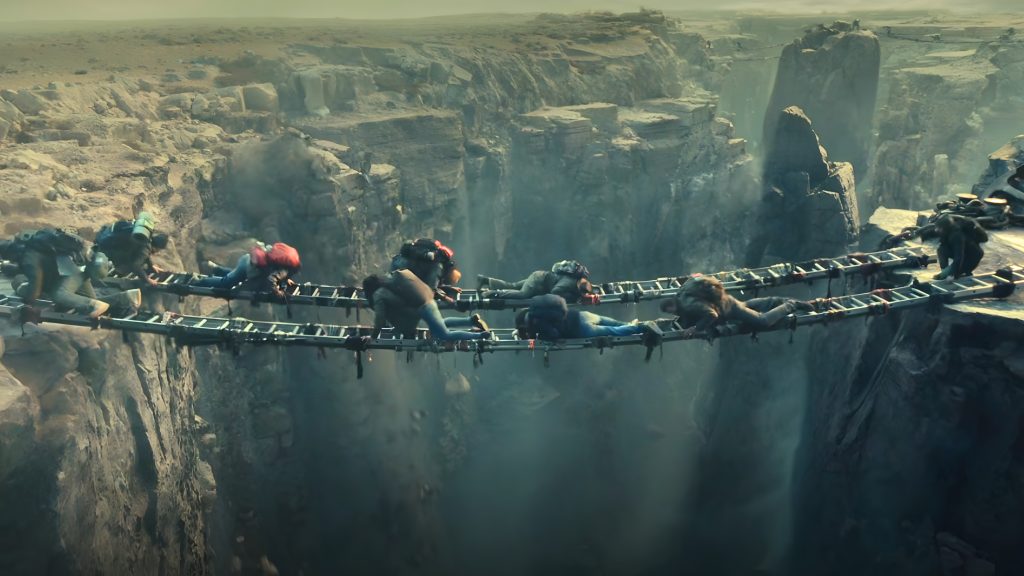
There are strong video game influences throughout. Fallout is the obvious one. Leave the bunker, explore the wreckage, meet the locals, and assess how likely they are to shoot you. What I did not expect was so much Death Stranding. There is a great deal of moving across difficult terrain with the solemn conviction that arriving somewhere will justify all this walking. The movie even looks like Death Stranding in more than one location. Hell, it even has the ladders.
The care-home stop even gave me a little Dungeon Crawler Carl flashback. Unfortunately, my primary response to these episodes was increasingly to wonder whether somebody had accidentally left the quest marker switched on.
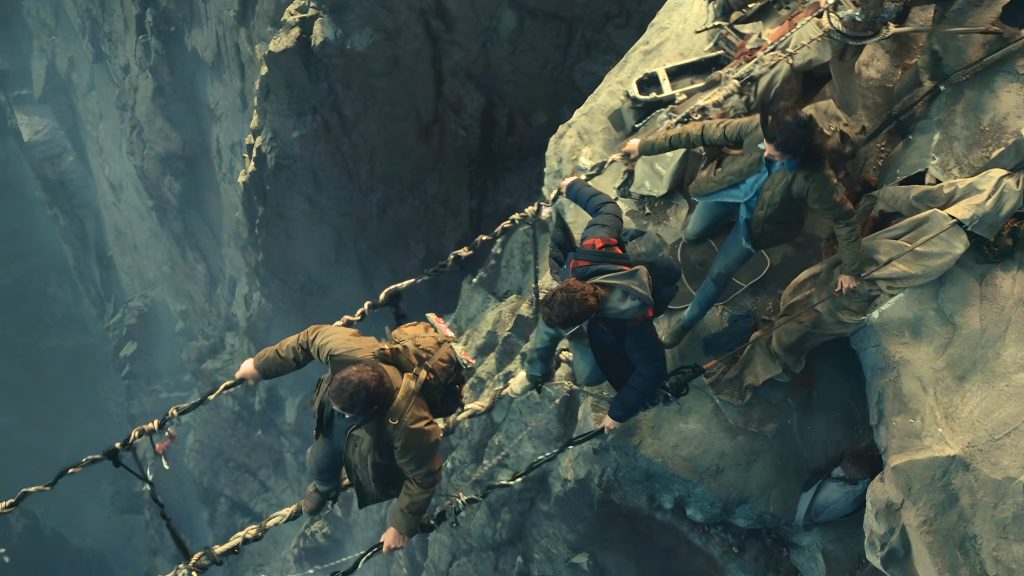
The original Greenland was very good at tension. You understood the destination, the deadline, and the consequences of failure. Here, problems frequently appear and resolve before they have time to become particularly troubling. The family’s ridiculous plot armor also becomes increasingly visible. Danger is everywhere, but its distribution seems suspiciously dependent on whose name appears highest in the credits.
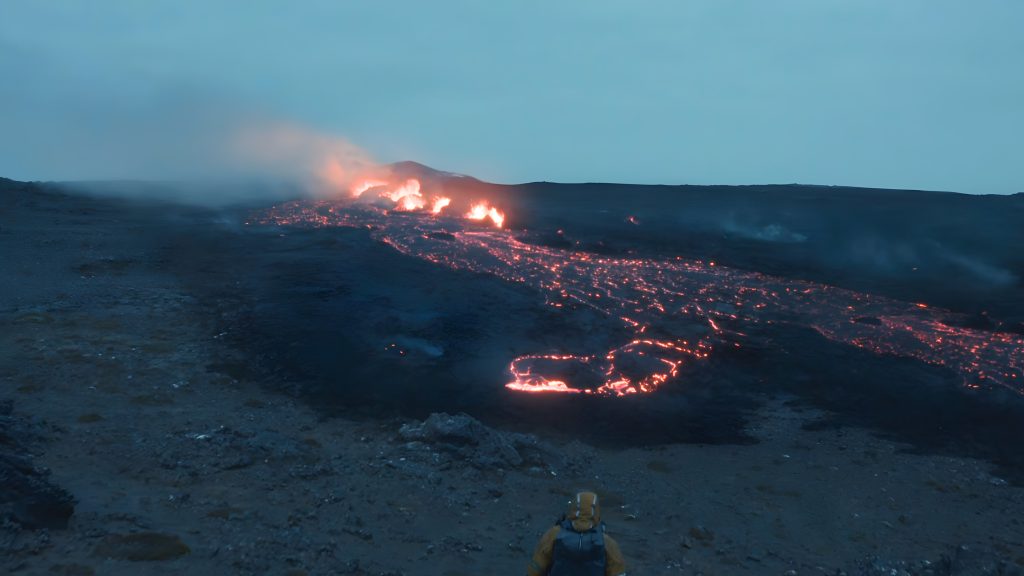
Then there is the crater itself. I can accept the general idea of life returning after a catastrophe. I have more difficulty accepting the film’s timetable for turning ground zero into the Garden of Eden. (Is that a golf course?) Five years feels less like ecological recovery and more like somebody paid extra for expedited landscaping.
The Ugly
The Ugly: Do not help Gerard Butler.
I cannot emphasize this enough. If you see this family approaching across the wasteland, run away as if your life depends on it. Because it does. If Butler asks for directions, point from a distance. Do not offer transportation. Do not volunteer to accompany them. Above all, do not become a likable supporting character.
The Garritys leave such a trail of unfortunate benefactors behind them that Butler might as well exchange his jacket for a black robe and carry a sickle. These are not people whom he kills. They are people who make the fatal error of saying, “Hello. How can I help?”

After a while, this stops generating emotion and starts becoming a pattern you watch for. A helpful stranger appears, and you mentally begin settling their estate. The family travels onward toward salvation while everyone else gets an opportunity to demonstrate the nobility of sacrifice. An inspiring arrangement, provided you are related to Gerard Butler.
This also makes the religious undercurrent less effective for me. The first film’s emphasis on compassion felt pleasant and refreshing. Here, the pilgrimage toward a promised land, accompanied by so many disposable good Samaritans, feels considerably more strained. Perhaps I simply have trouble accepting that the road to Eden involves this many casualties and a final destination in France.
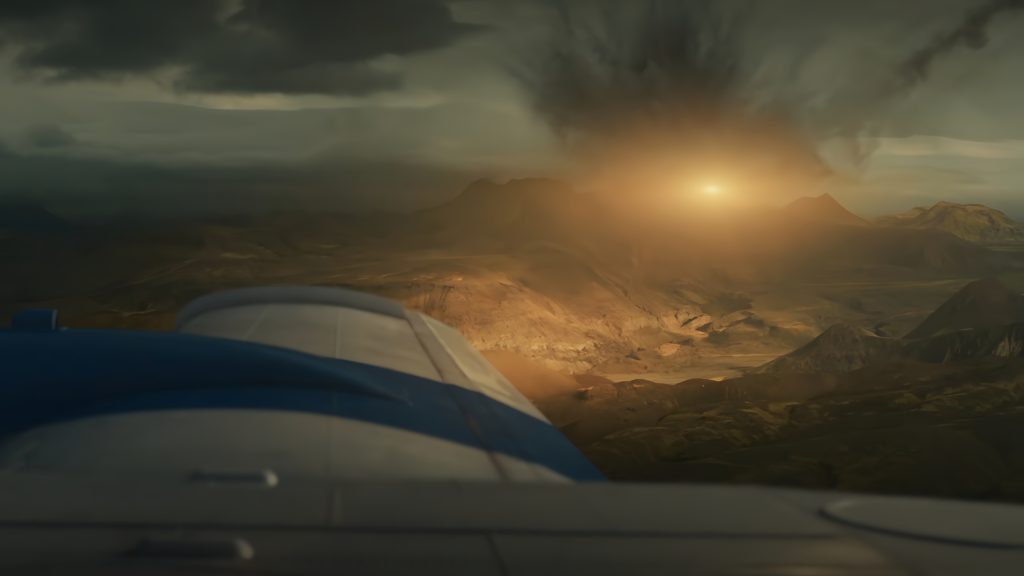
The film also looks stretched beyond its resources. A late battle, featuring something resembling a World War I trench, is particularly confusing. The geography is muddy, the direction of travel is difficult to follow, and the darkness gives the impression that the filmmakers wanted a larger sequence than they could deliver.
I do not demand an unlimited budget for my Gerard Butler movie. One of the original’s strengths was that I rarely thought about its limitations while watching it. This sequel keeps writing checks that the production cannot quite cash.
In Conclusion
In Conclusion: Greenland 2: Migration is watchable, largely because Butler remains dependable, his costars do their jobs, and the occasional encounter retains some of the original film’s humanity. There are worse ways to spend an evening.
But the suspense has diminished, the plotting invites an exhausting number of questions, and the journey never adequately explains why its destination is preferable to several stops along the way. The original made me want this family to reach safety. The sequel made me want them to recognize safety when somebody offered them a bed. Migration traded the ticking clock for a leisurely stroll through a wasteland of squandered potential.