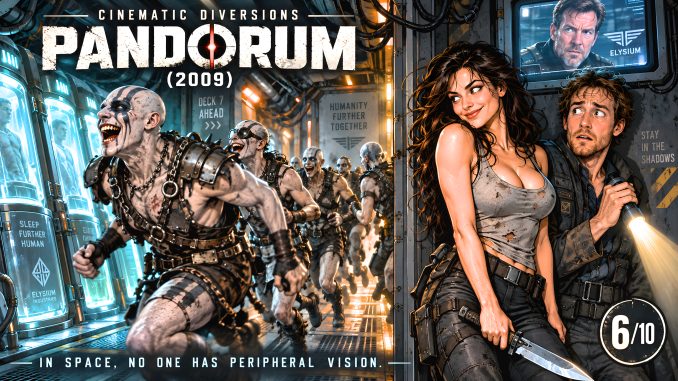
Meat is back on the Menu Boys.
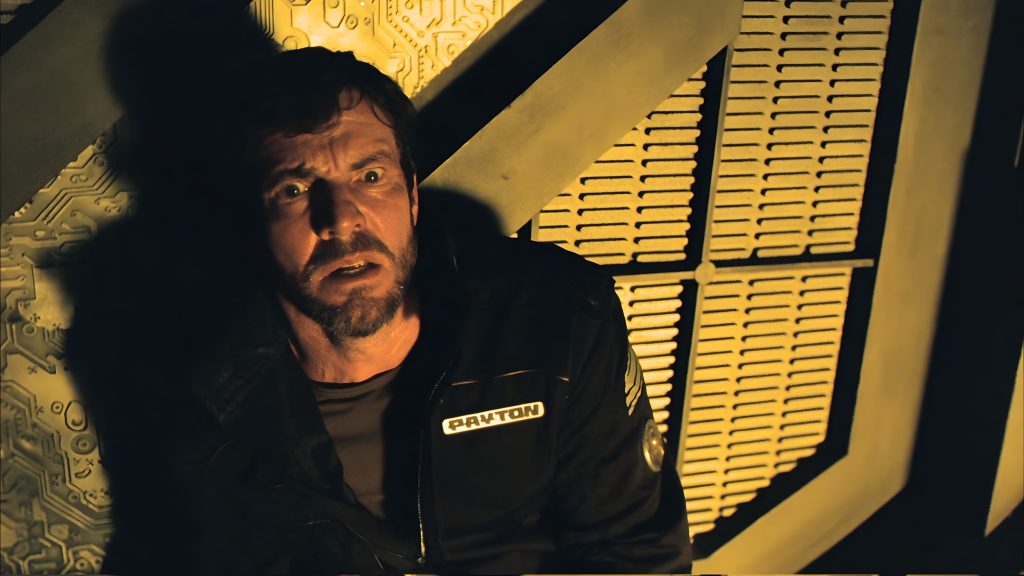
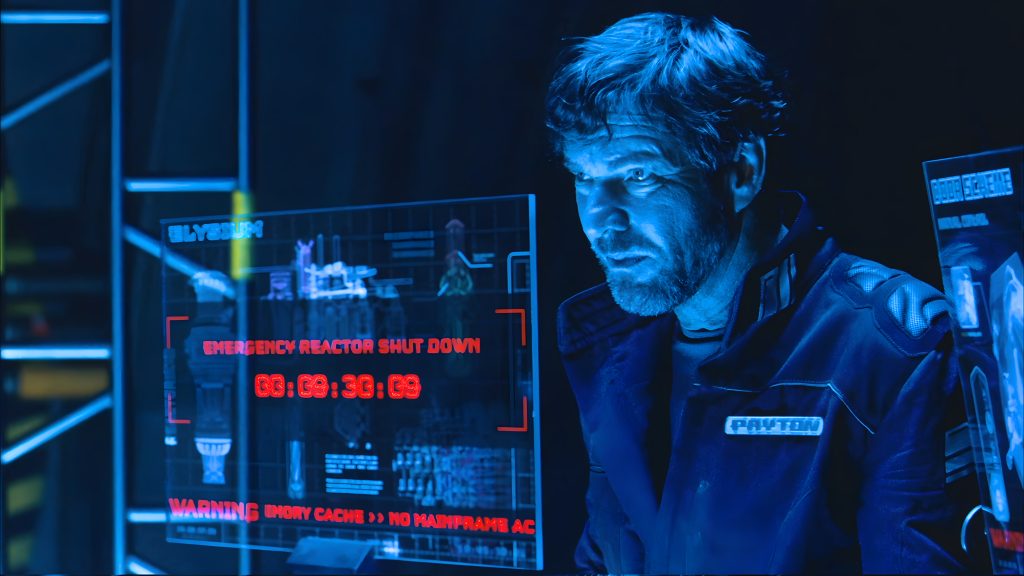
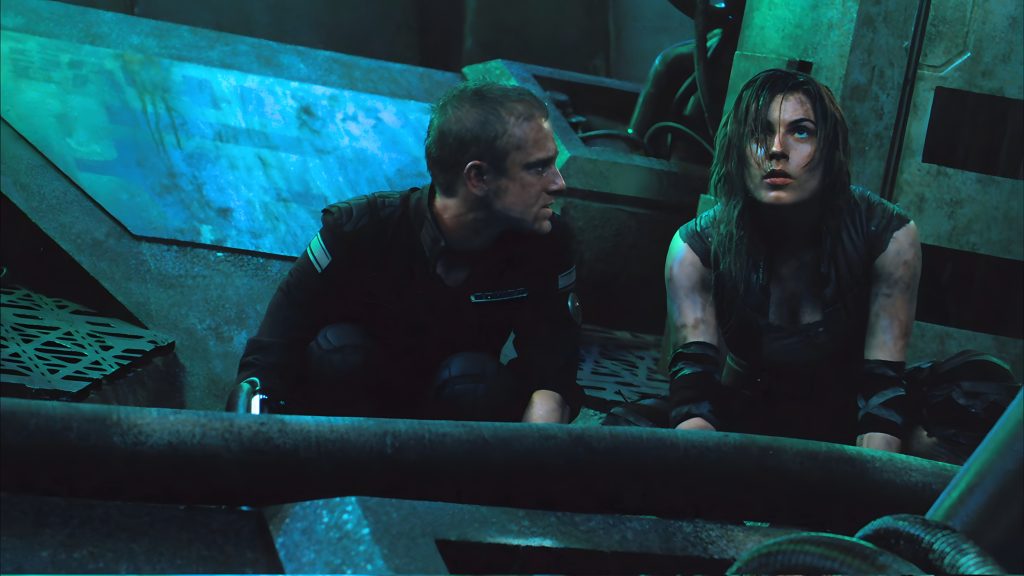
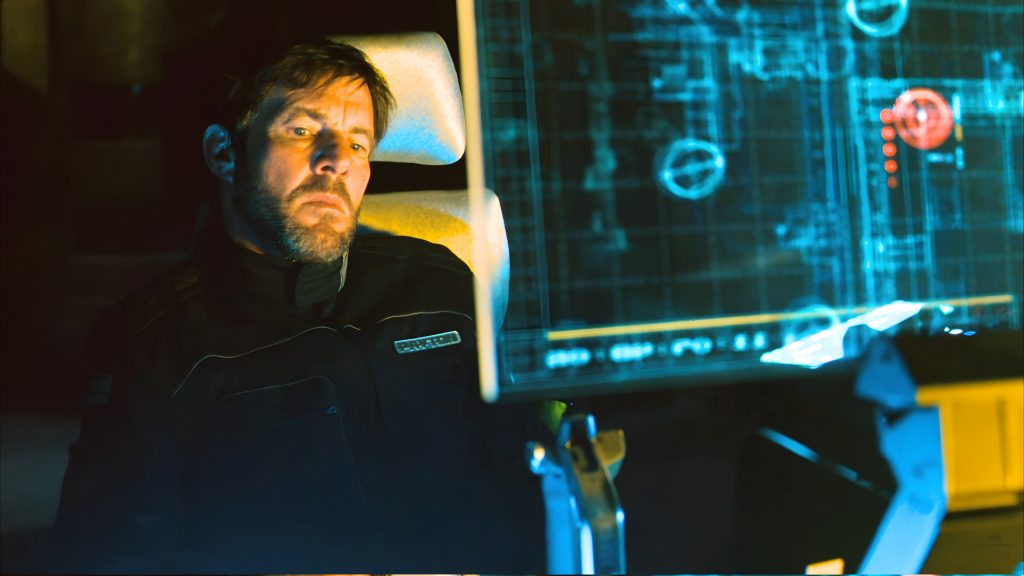
Pandorum (2009): 6 out of 10: Two crew members awaken from hyper-sleep aboard a spaceship carrying humanity toward a new home. Unfortunately, their memories are scrambled, the power is out, and the reactor isn’t reacting the way a reactor ideally should. While Dennis Quaid stays behind to work the communications, his younger colleague (Ben Foster) ventures into the ship to find out what happened.
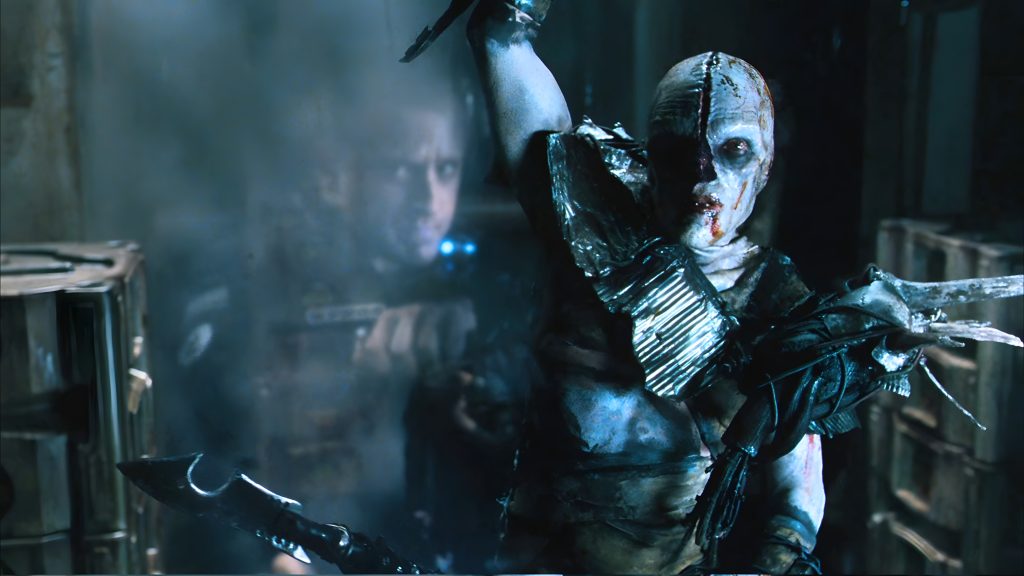
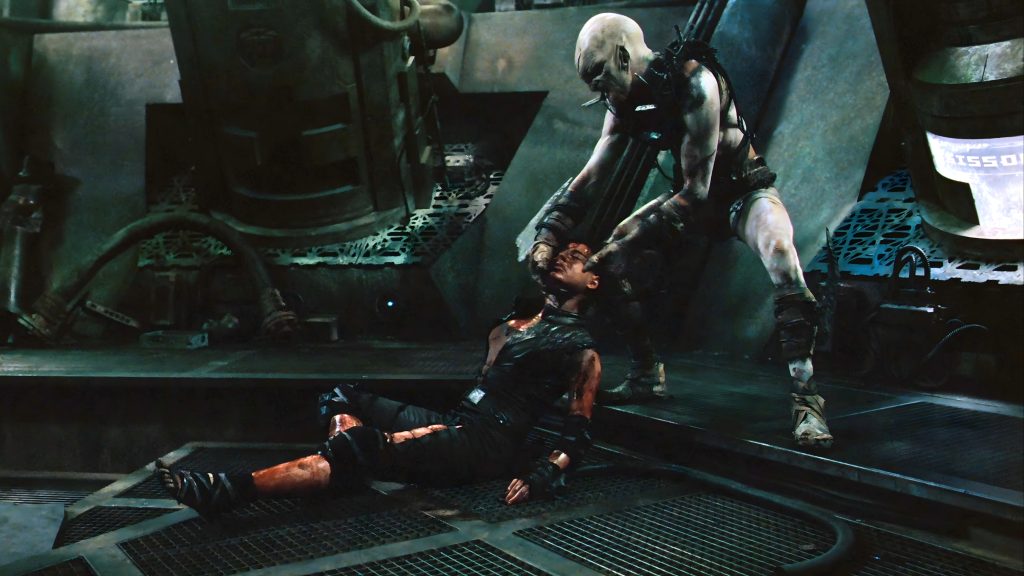
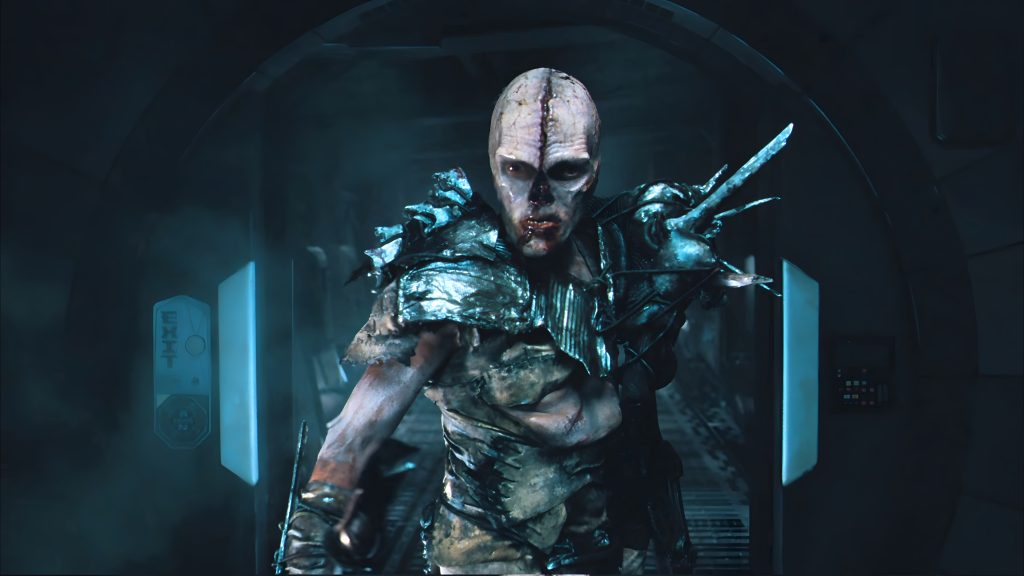
What happened, apparently, is that someone booked an entire convention of Mad Max extras.
The Good
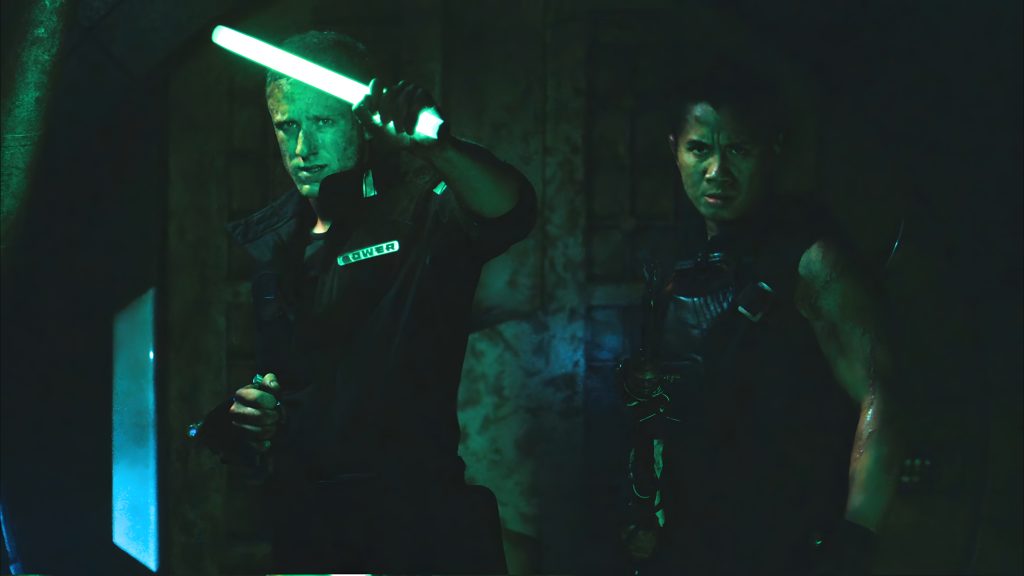
The Good: Pandorum does a respectable job establishing its central mystery. Waking up somewhere unfamiliar is unpleasant enough before you discover that “somewhere” is a disabled spaceship and the other passengers consider you the buffet.
The early uncertainty works. What happened to the crew? Where is everyone? How long have these guys been asleep? Why does humanity’s last hope look like a venue that lost its liquor license?

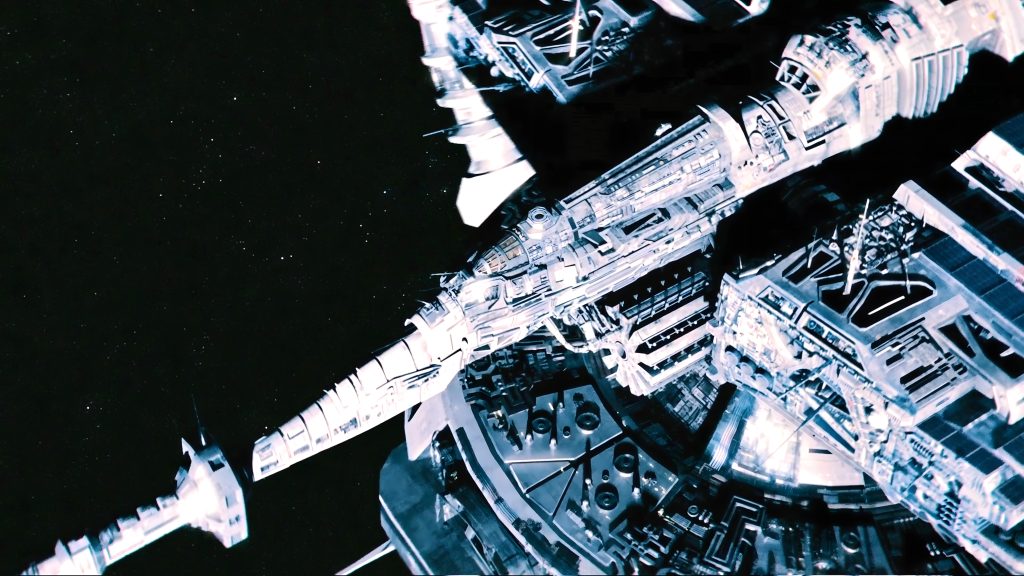
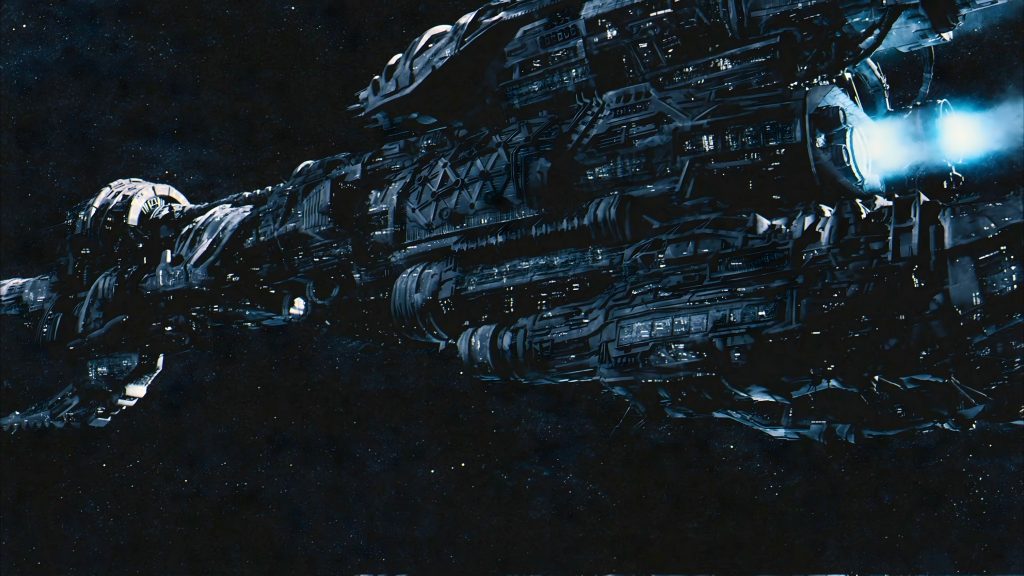
To the film’s credit, the production design gives us more variety than the usual low-budget science-fiction experience of watching people dressed as Space Marines walk down the same gray hallway for ninety minutes. This ship feels large, cluttered, and increasingly unpleasant. There are actual sets, actual actors, and evidence that somebody thought about what we might like to look at between attacks.
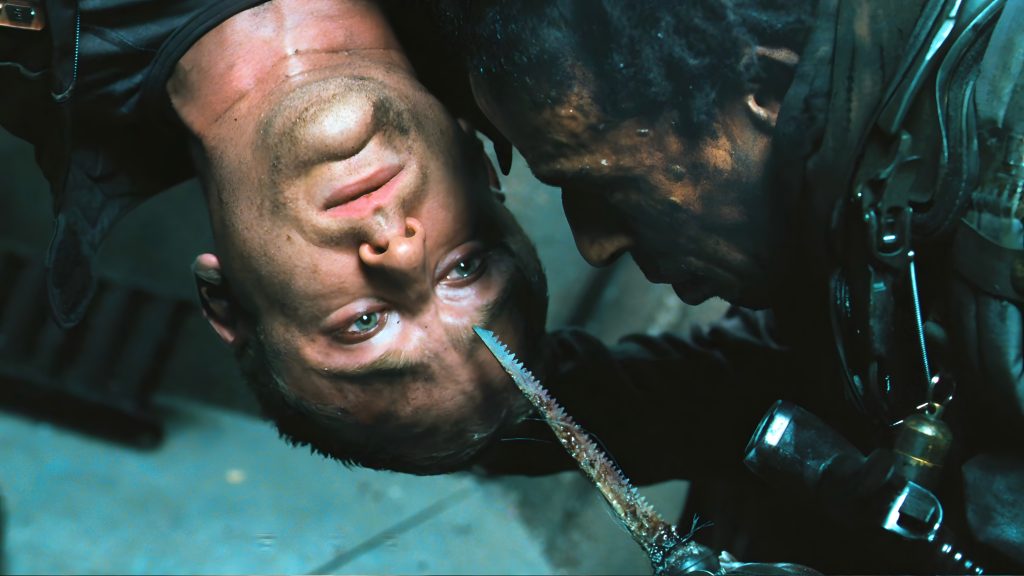
There are also a few effective horror sequences. The prospect of emerging from peaceful hyper-sleep only to have cannibals pull you out of your pod and start eating you is legitimately frightening. Imagine waking up during surgery, except the surgeon is having lunch and you are the sandwich. That particular brand of gross horror isn’t necessarily my cup of tea, but I can appreciate it when it works.
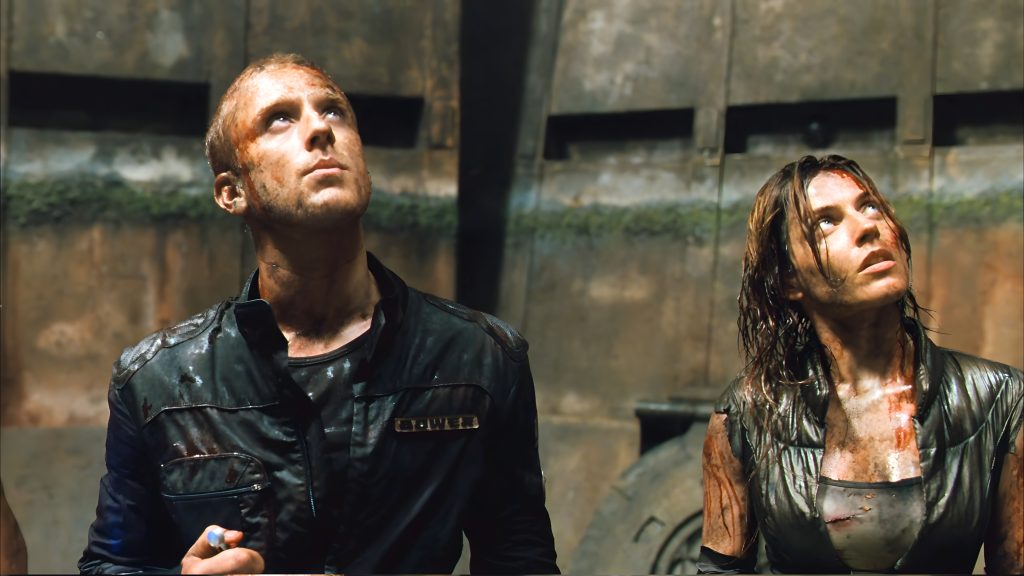
Another good sequence requires our heroes to sneak past a pile of sleeping creatures, all curled up together like they attended Zion rave in The Matrix Reloaded. It is a simple situation with an understandable danger, and sometimes that is all you need.
Best of all, I liked the ending. Without giving anything away, the final revelation answers several questions I had during the film and gives the story a satisfying destination. There are puzzle movies where you finally see the completed picture and realize you are missing half the pieces and some of the ones you have seem to belong to different puzzles. Pandorum has something worthwhile in the box.
The Bad
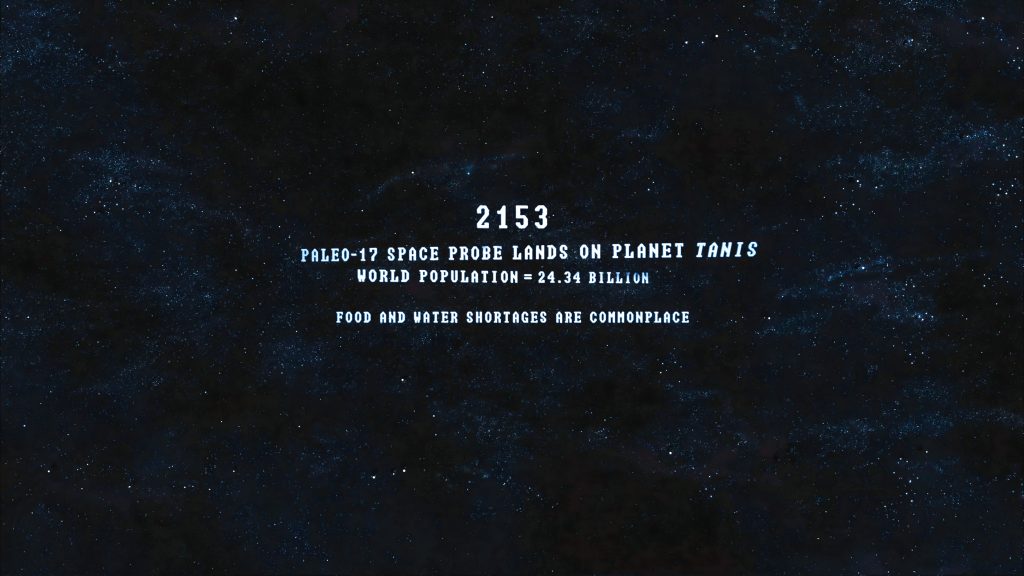
The Bad: Getting there is uneven. For starters, the premise relies on the familiar idea that humanity has overcrowded Earth and exhausted its resources. Fair enough. I am perfectly willing to accept that we could make a complete mess of the place. We have demonstrated considerable enthusiasm for the project.
But the population panic here feels inherited from a much earlier decade. There is a distinctly The Population Bomb flavor to the setup, as though somebody retrieved the screenplay from a filing cabinet between warnings about the ozone layer and the dangers of killer bees. I half expected a crew member to fall into quicksand.
The film also tosses around the destruction of Earth with a casualness that raises questions. There is a considerable difference between rendering a planet uninhabitable and removing it from the solar system. Overcrowding might make parking difficult. It does not ordinarily clear the route between Mars and Venus.
Once we get aboard the ship, Pandorum runs into the familiar problem of the mystery being more interesting than the explanation. When neither we nor the characters understand what is happening, the possibilities are intriguing. As information arrives, those possibilities narrow into something more familiar. The ending ties things together nicely, but several intermediate revelations are considerably less surprising than the movie appears to believe.
There is also a subplot involving our hero’s memories of his beautiful partner back home. I understand that unreliable memory is part of the setup. Still, the way this particular thread develops makes it difficult to tell whether we are watching an emotional revelation, a convenient omission, or a man revising his relationship status after meeting an attractive woman. These are three different stories, and only one requires a spaceship.
Meanwhile, the Mad Max extras are numerous, violent, and apparently incapable of seeing anything that is not directly in front of their faces. More than once, people essentially step out of the traffic lane and let the cannibals thunder past. Humanity may be doomed, but peripheral vision has already gone extinct.
The Ugly
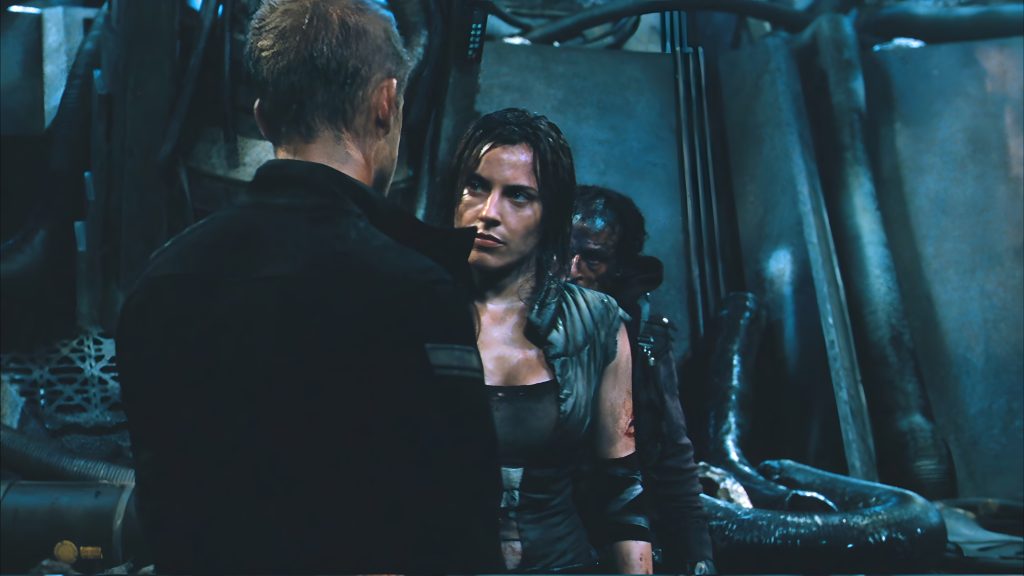
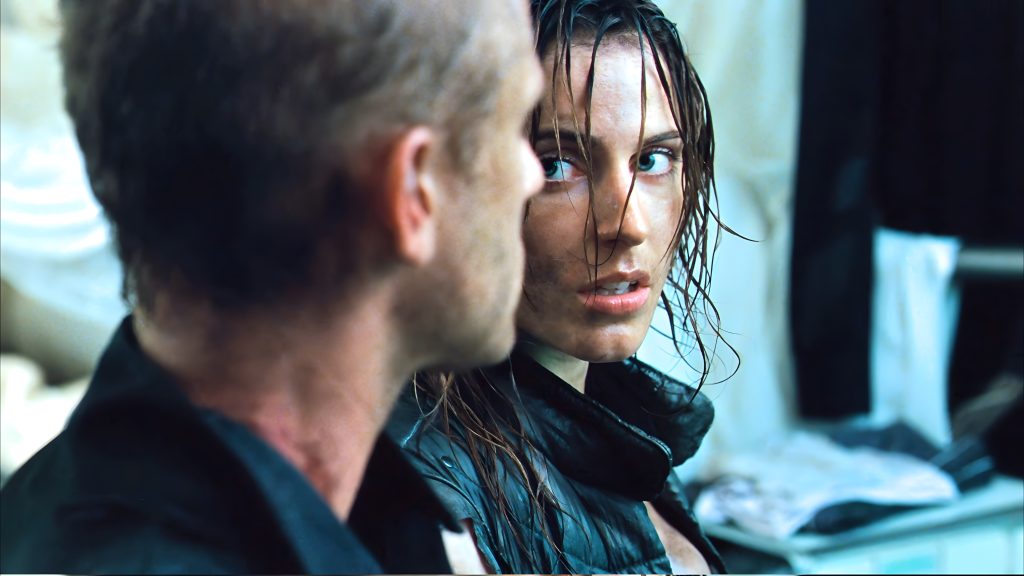
The Ugly: It is difficult to become terribly invested in anyone. You root for the hero because he is the hero and has yet to eat anybody. You root for the generously endowed fighting woman (Antje Traue) because she is a generously endowed fighting woman. And you root for the spirited ethnic fellow with the pointy weapon (Cung Le) because he seems helpful and is making an effort, even though we all know he is not making the ending credits..
These are perfectly adequate reasons to pick a team. They are less effective at creating memorable characters.
The actors do decent enough work, but much of our allegiance comes down to the available alternatives. When practically everyone else is either Dennis Quaid or somebody wearing silver war paint and chewing on a finger, the selection process becomes fairly straightforward.
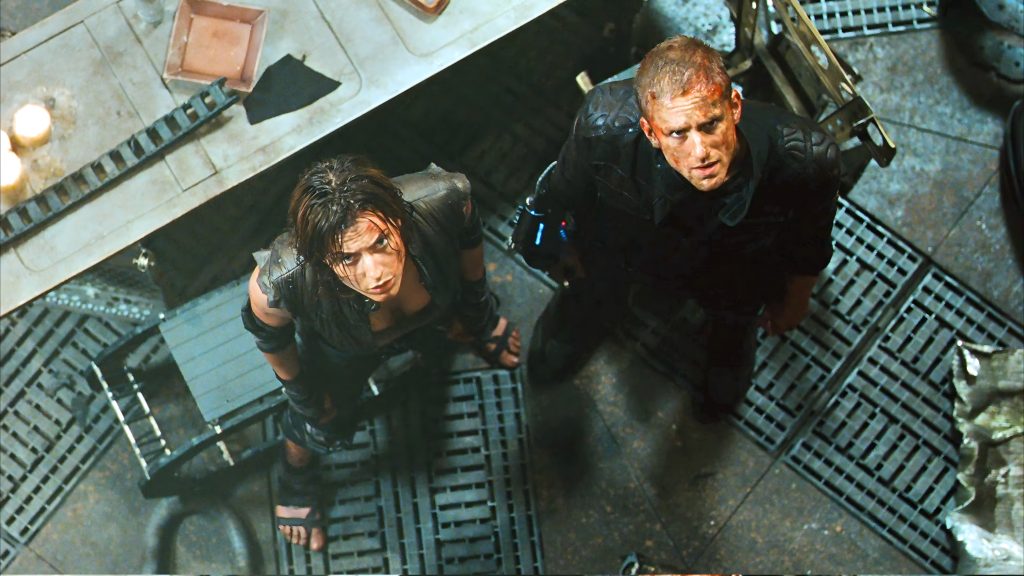
What Pandorum really lacks is a scene that makes you tell someone, “You have to see this.”
Consider Ghost Ship. That opening sequence buys an extraordinary amount of goodwill. Throw in that song and the ending, and I am prepared to forgive a middle section that is hardly the pinnacle of maritime storytelling. The opening ten minutes of the Dawn of the Dead remake accomplish something similar. Whatever happens afterward, the movie has already given you something worth the price of admission.

Pandorum has effective moments, but nothing with quite that impact. Its opening is intriguing without being unforgettable. Its action is serviceable. Its mystery suggests something like Cube, but without a compelling intellectual hook. The last twist is good; alas the journey could use another attraction or two.

In Conclusion
In Conclusion: Pandorum is a surprisingly respectable science-fiction horror film with decent sets, capable actors, a few nasty images, and an ending that improves the experience. It was less relentlessly gross than I expected, which is not a complaint, and it clears the bar set by the cheaper “Space Marines investigate a suspicious hallway” school of filmmaking.
I just wish the characters were more engaging, the revelations less uneven, and the cannibals equipped with the same field of vision as the average house cat.

Worth a look if you enjoy sinister spaceships and waking up to discover your travel arrangements have gone badly wrong. But this is not Sam Neill facing the devil in space.