Special Election Edition.
Fantastic Beasts: The Secrets of Dumbledore (2022): 7 out of 10: With dark wizard Gellert Grindelwald (Mads Mikkelsen) pursuing political power and threatening the non-magical world, Albus Dumbledore (Jude Law) assembles a small team to interfere with his plans. Unfortunately, a magical sanguine pact prevents Dumbledore from directly confronting his former lover. Most people settle for blocking their ex on Facebook and changing the Netflix password, but apparently wizards need to make everything complicated.
The resulting assignment falls to magical animal enthusiast Newt Scamander (Eddie Redmayne), his mage companions, some animals he keeps in a magic suitcase, and a non-magical baker who has wandered considerably beyond his professional qualifications.
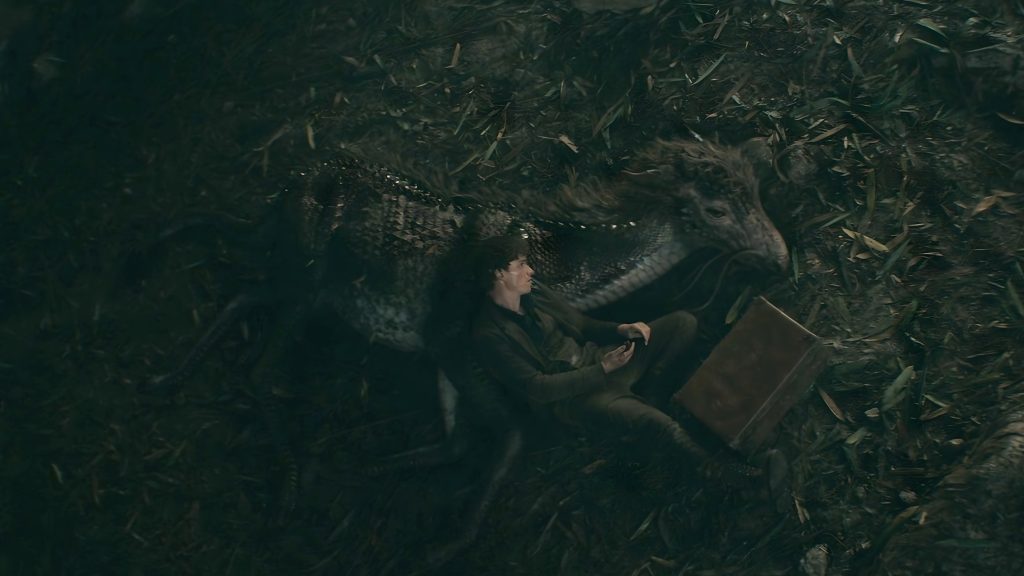
Their mission involves dangerous creatures, competing political factions, and an opponent capable of glimpsing the future. Saving the world will require ingenuity, deception, and rather more luggage than one might expect.
The Good
The Good: First, a confession or two. I believe I have seen all the Harry Potter films. I like the first two quite a bit. I dislike the last two, particularly the second-to-last one. The middle installments are something of a blur involving poor school safety regulations and increasingly unhappy children.
As for Fantastic Beasts, I may have seen portions of the first film. I am familiar with the general idea. I do not recall seeing the second one at all. Naturally, here I am reviewing the third, which I have now watched twice, possibly three times. My qualifications are impeccable.
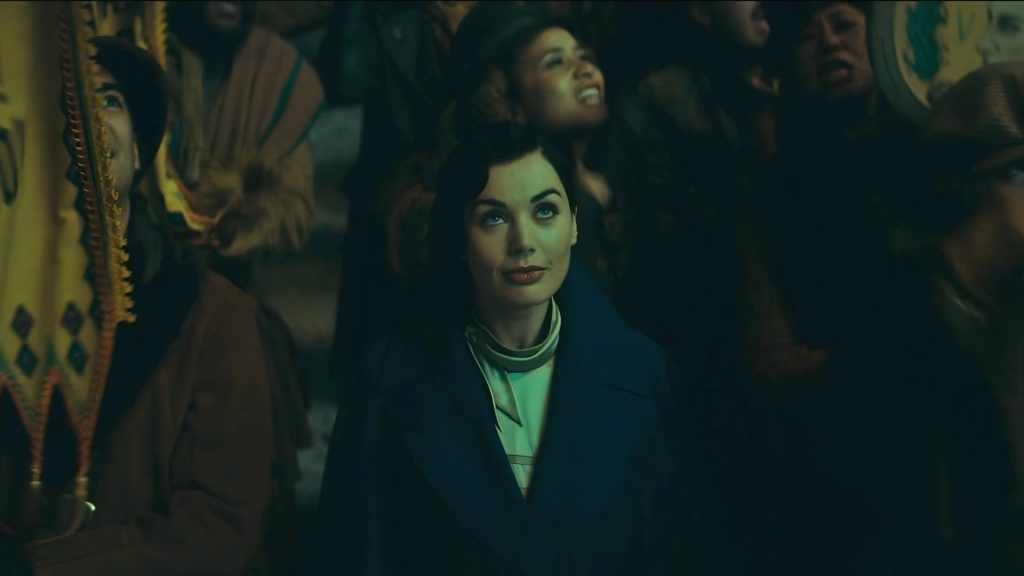
I have not read the Harry Potter books, although I own them because I occasionally date millennial women who leave things in my house. I have also visited the Harry Potter attractions at Universal in Orlando several times. They are very well done. I like the butter beer. The wands are overpriced. This concludes my presentation to the admissions committee.
The point is that I am approaching this as someone who enjoys a fantasy adventure, rather than someone with potent feelings about the Dumbledore family tree. Some of my confusion may be ignorance. My enjoyment, however, requires considerably less explanation.
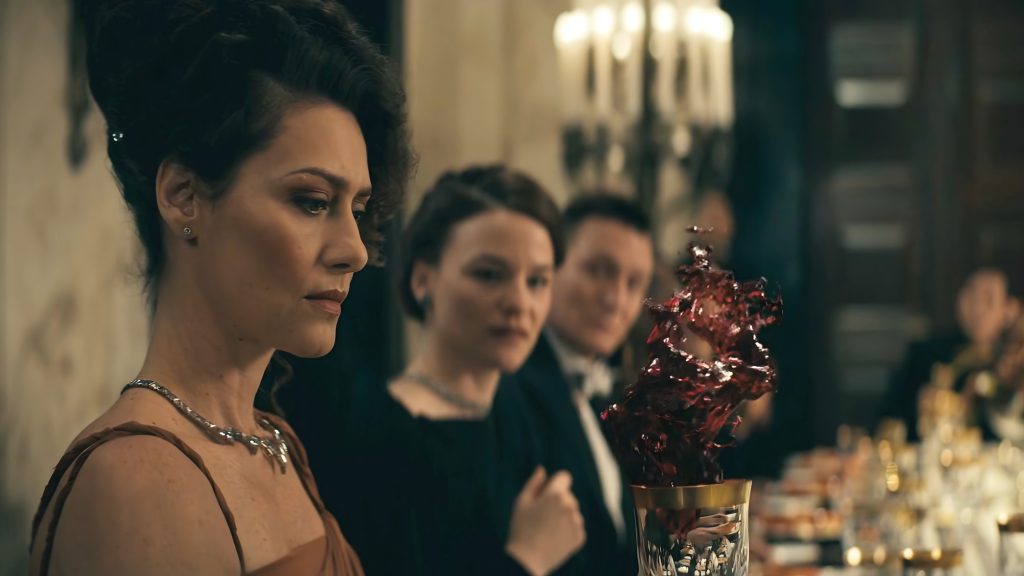
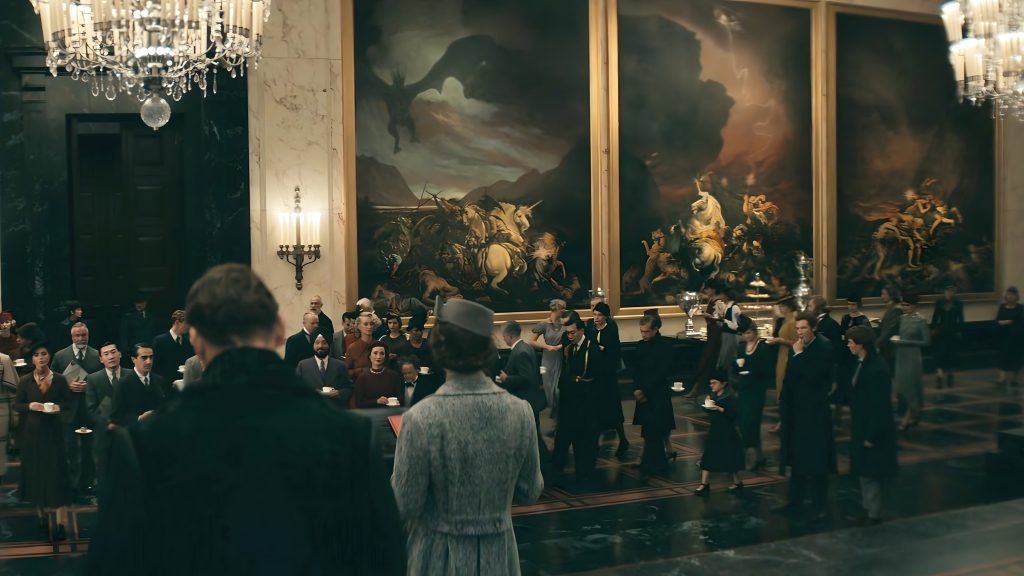
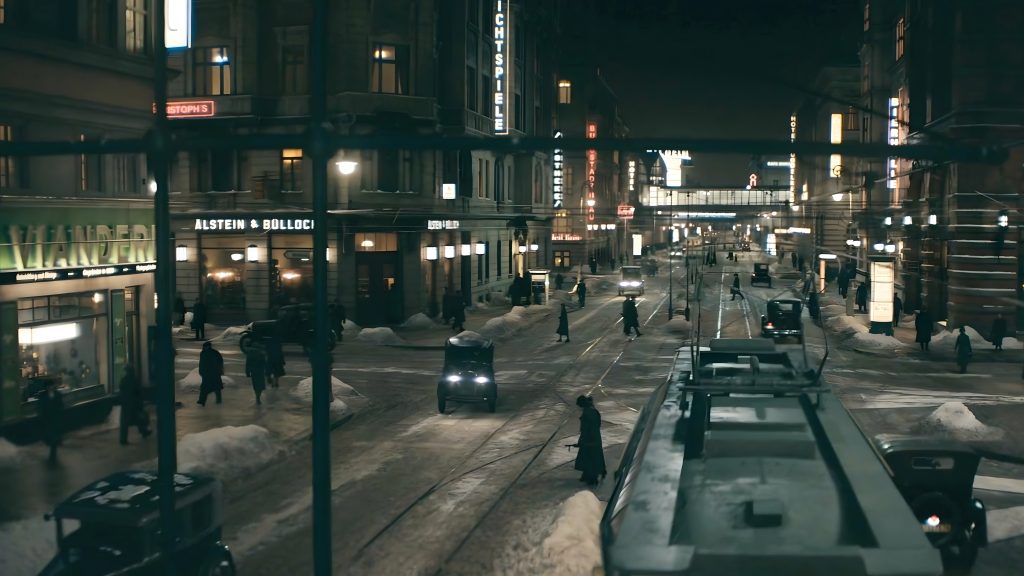
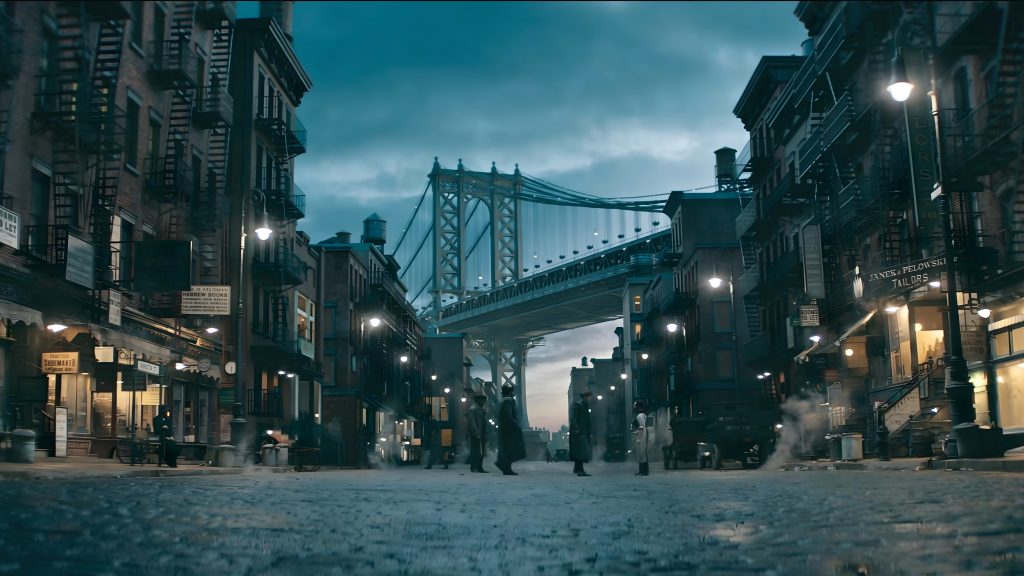
This is a beautiful movie. The sets, costumes, backgrounds, and effects are consistently impressive. There is almost always something worth looking at, even when the people standing in front of it are discussing something considerably less interesting. The money is on the screen. Occasionally, I wish the screenplay would step aside so I could get a better look at it.
The creatures are particularly effective. The central animal is a deer-like creation called a Qilin, which I will be referring to as the puppy deer because this review already contains enough proper nouns. Its introduction provides an immediate emotional investment that the film’s extensive political apparatus never quite achieves.
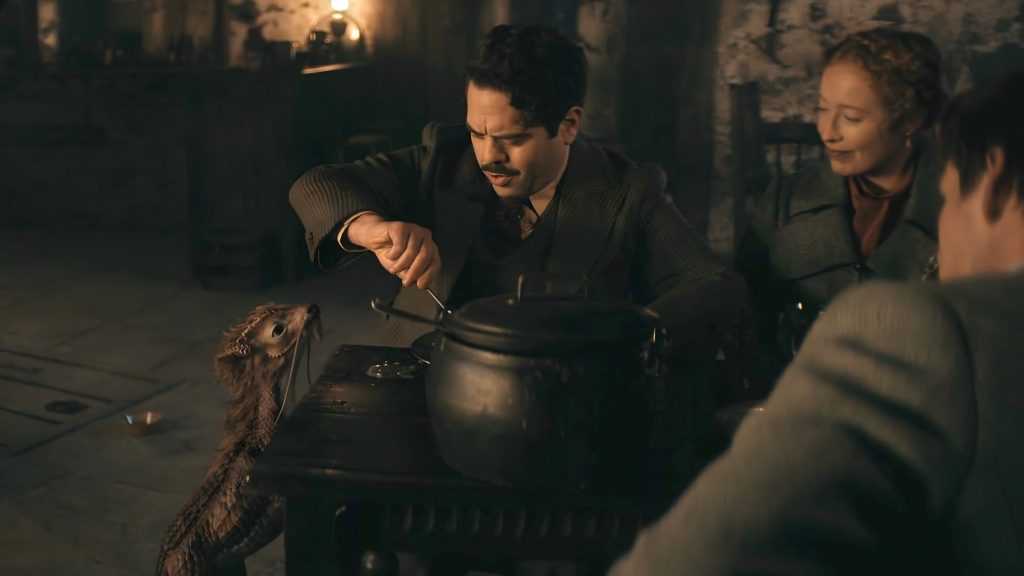
Anyone familiar with my reviews knows that animals in danger can get to me. This can also backfire. The abuse of a dog in The Calling took me out of that movie. Here, the creature is sufficiently expressive to make me care while remaining sufficiently fantastical (and CGI) that I do not spend the next twenty minutes wondering if the dog is okay. It is a useful compromise between emotional involvement and ruining my evening.
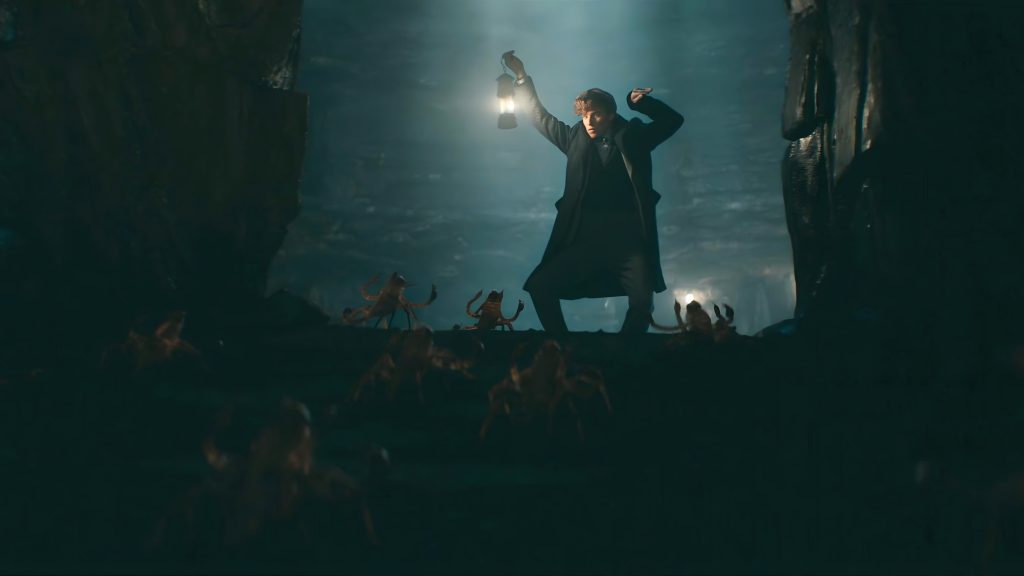
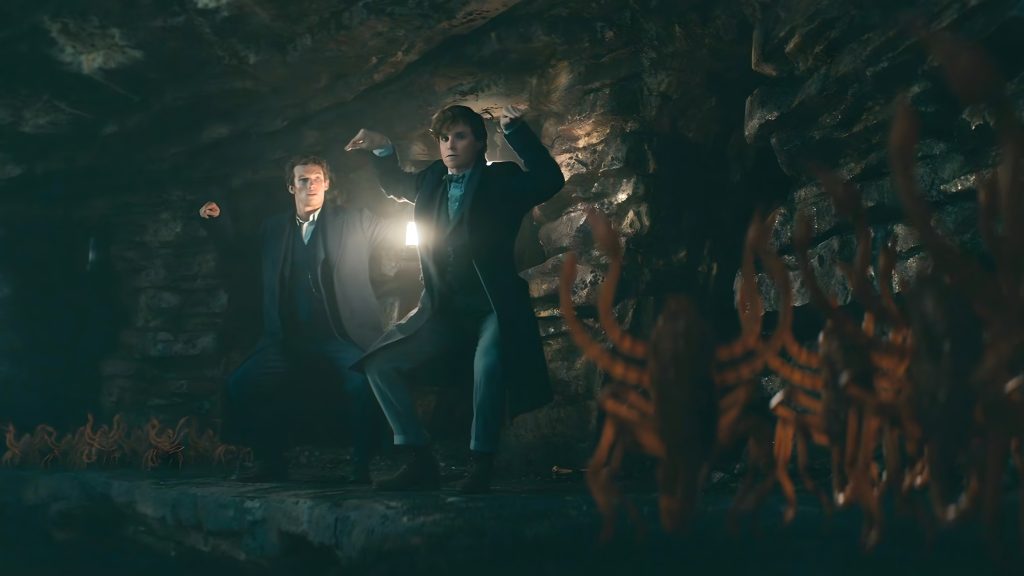
The best sequence involves Newt rescuing his brother from a wizard prison apparently designed by someone who thought ordinary incarceration lacked a food chain. There are little creatures resembling crawfish, a much larger scorpion-style creature with an alarming appetite, and a prison management philosophy that is more Sarlacc Pitt than Riker’s Island.
Newt negotiates this situation by understanding the animals and performing a rather specialized dance. It is funny, suspenseful, and built around something the main character actually knows how to do. His expertise matters. The beasts matter. For a substantial stretch, the movie remembers what it says on the box.
About eighty-five percent of this sequence is excellent. The conclusion becomes a little excessive and difficult to follow, but I will happily take that average.
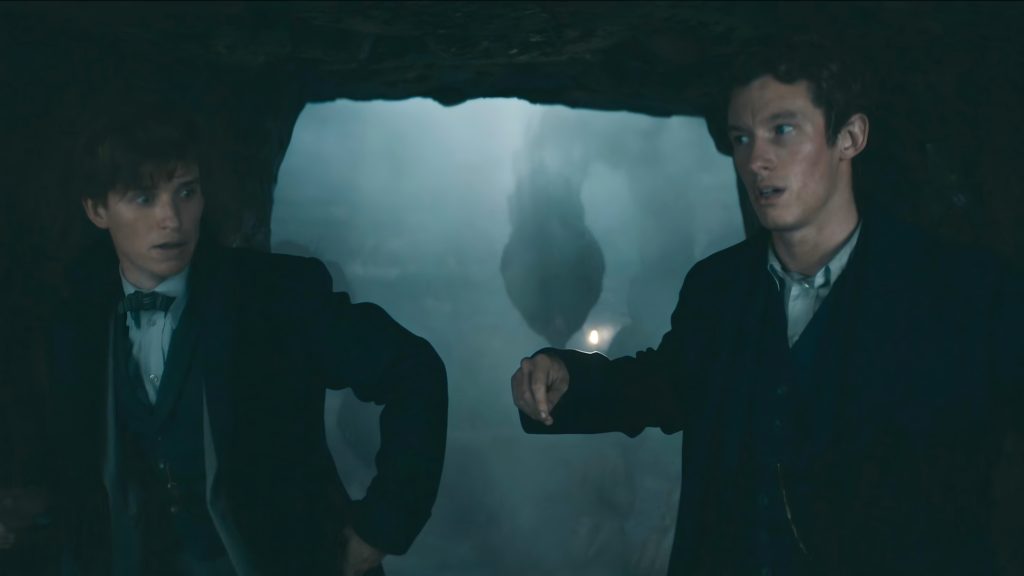
The actors also cleared some personal hurdles. Eddie Redmayne has never been a particular favorite of mine, but he is fine here. His manner fits a man considerably more comfortable dealing with dangerous animals than attending a meeting. Ezra Miller, playing the miserable Credence, is surprisingly effective as well, particularly early on. Whether the direction involved an elaborate discussion of character motivation or simply “Be Yourself” is beyond my knowledge, but the performance works.
The later adventure in a magical version of Bhutan has a pleasing Indiana Jones and the Temple of Doom flavor. The architecture, the movement through the setting, and the business with competing suitcases provide the sort of colorful escapism I am quite happy to watch.
The Bad
The Bad: Unfortunately, between the fantastic beasts, we have the less fantastic electoral process.
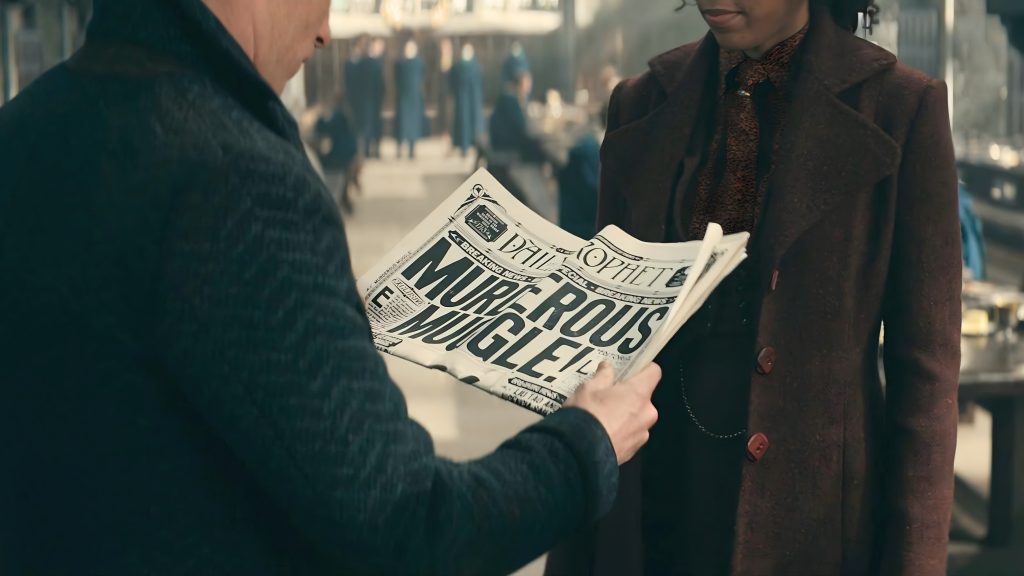
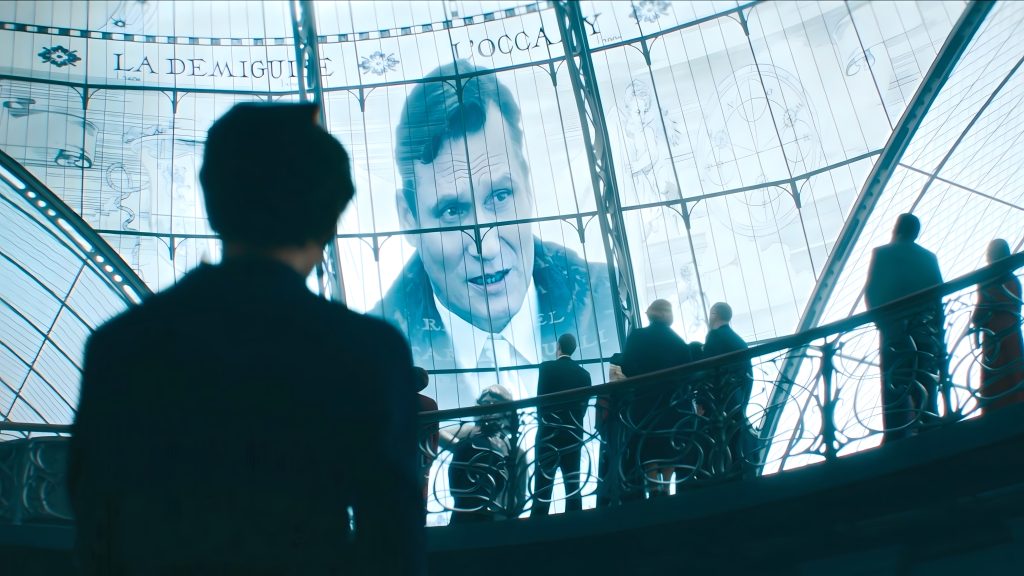
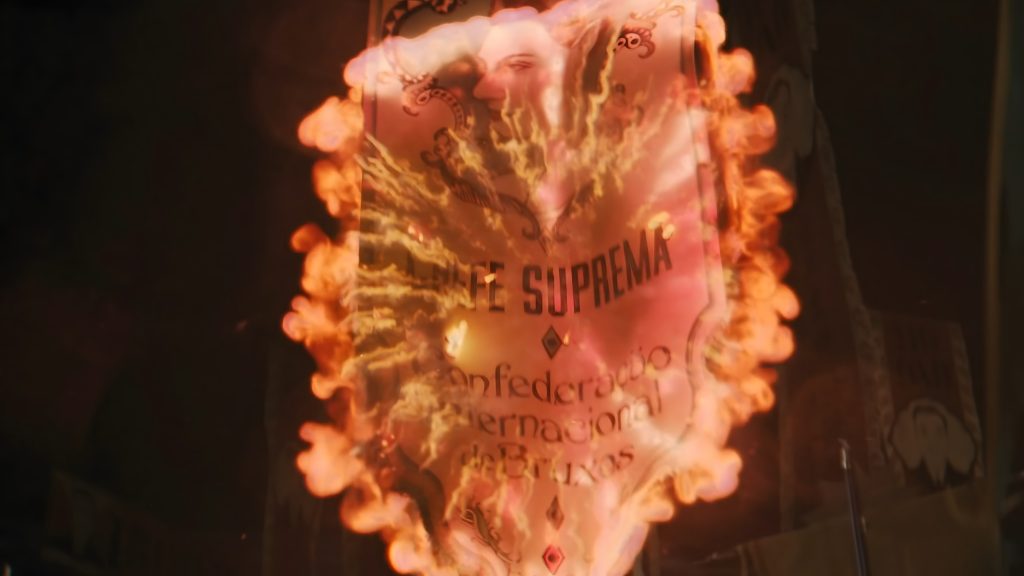
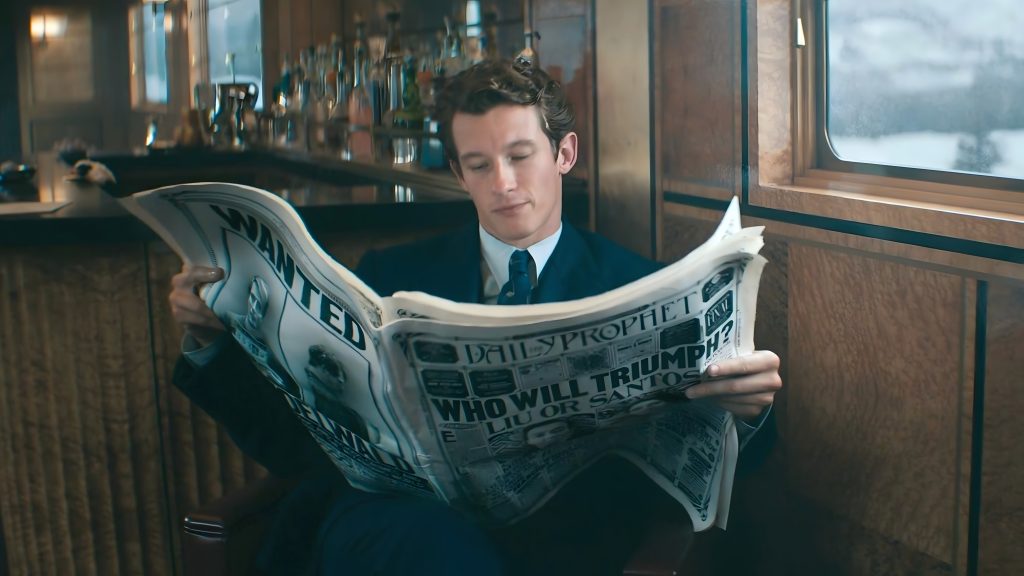
Grindelwald is pursuing power, the Germans are embracing fascism in one of the least surprising developments in motion-picture history, and rival candidates have supporters, banners, and presumably positions on issues beyond the immediate puppy-deer shortage.
I found it difficult to care about any of this machinery. It reminded me of the Trade Federation business in The Phantom Menace. We have purchased tickets for magical adventures, and someone has decided we need to sit through the procedural background first.
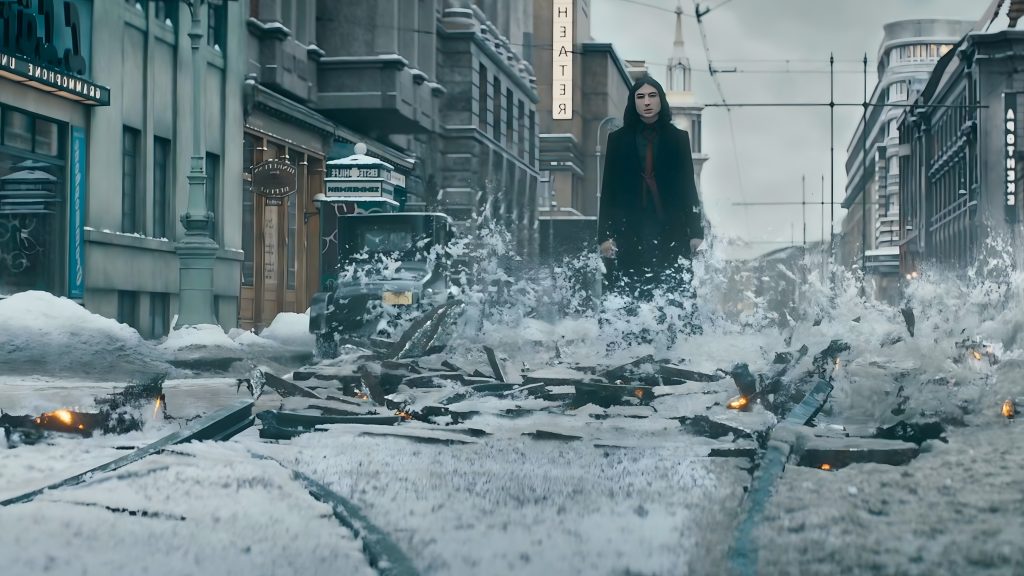
To the film’s credit, there is no confusion about which side deserves our support. The villains establish their credentials through literally killing a deer puppy and hanging out with the Germans. Fine. I am on the hissing train. This is not one of those X-Men situations where I start wondering whether Magneto has a point.
I simply wish the good guys were better organized.
Dumbledore has assembled approximately enough people to help move a sofa. Meanwhile, there are entire political factions opposing Grindelwald. Why does the little team seem so disconnected from these potential allies? Could somebody perhaps approach one of the other candidates and explain that the murderous fascist is cheating?
There is a scene in which one of our heroes is arrested while other characters insist that intervening would be hopeless. I am looking at the room, counting villains, counting heroes, and noticing all the other people who presumably have an interest in preventing the opposition from being hauled away. Perhaps somebody could at least make an announcement.
The overarching strategy involves confusing an enemy who can see the future. Fair enough as a premise. In practice, it also gives the film considerable freedom to confuse the audience.
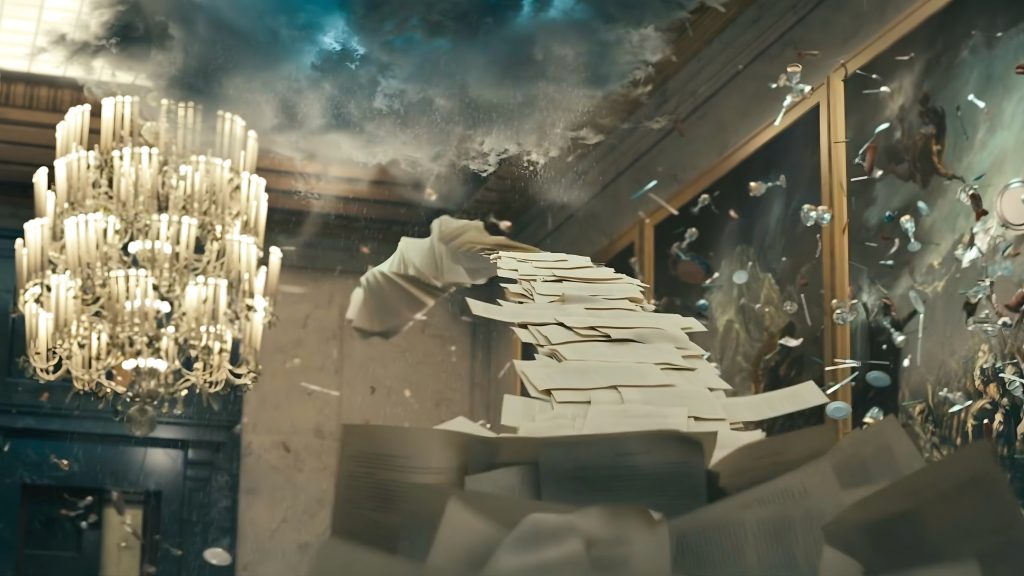
The difference between the prison rescue and the big magical confrontation around the political dinner is instructive. In the prison, Newt observes a problem, understands the creatures, and uses his abilities to survive. At the dinner, spells fly in various directions until more magic permits an escape. It has that third act Marvel quality where the screen becomes very busy while my involvement becomes very small.
Yes, the prison escape also exists within a magical universe. The distinction is that I can follow the ingenuity. I understand why Newt is useful. When a new spell can resolve whatever danger has just appeared, suspense leaves the building.
This has always been an issue for me with Harry Potter’s magical world. One installment introduces some extraordinary object, say the Wardrobe of Wishing, and later installments seem remarkably reluctant to revisit its practical applications. You find yourself thinking, “You know that wardrobe that grants wishes from two movies ago would come in handy about now”
There is an issue with soft magic systems in long-running franchises. When magic lacks defined limitations, it destroys narrative tension. If a newly invented spell or artifact can fix any problem, the audience stops caring about the danger.

I am not demanding a Brandon Sanderson appendix. A little consistency in what magic can and cannot accomplish would help.
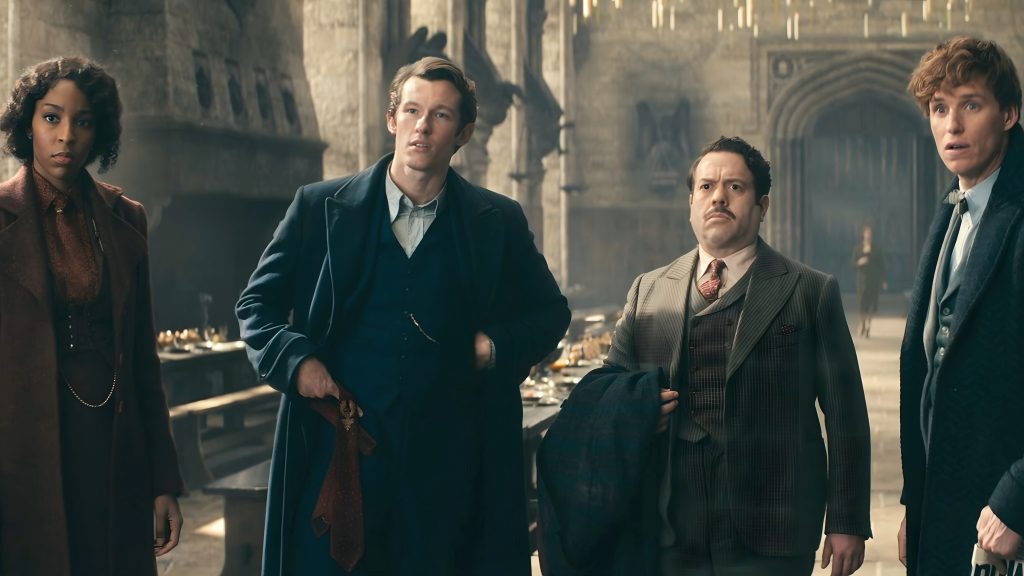
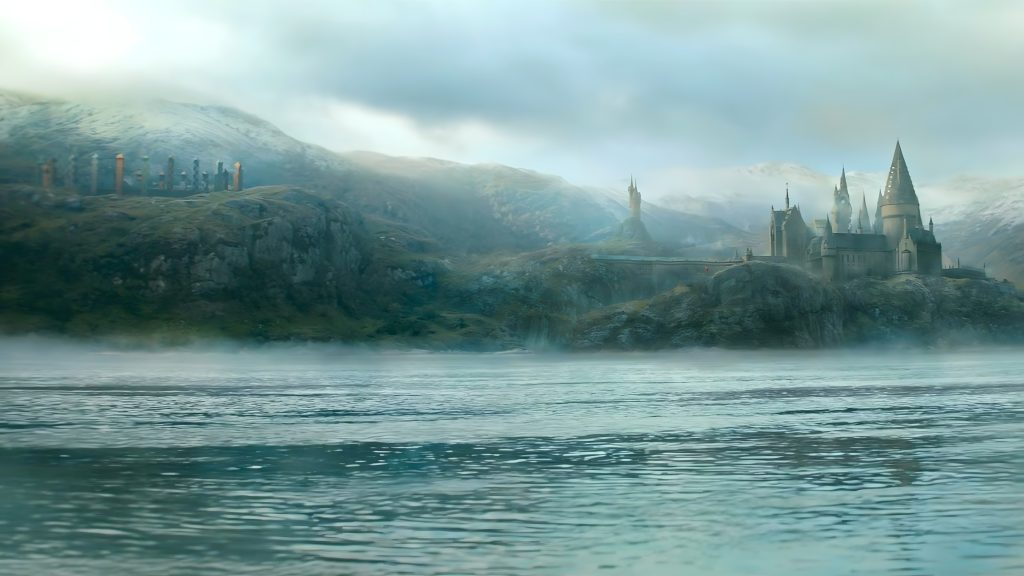
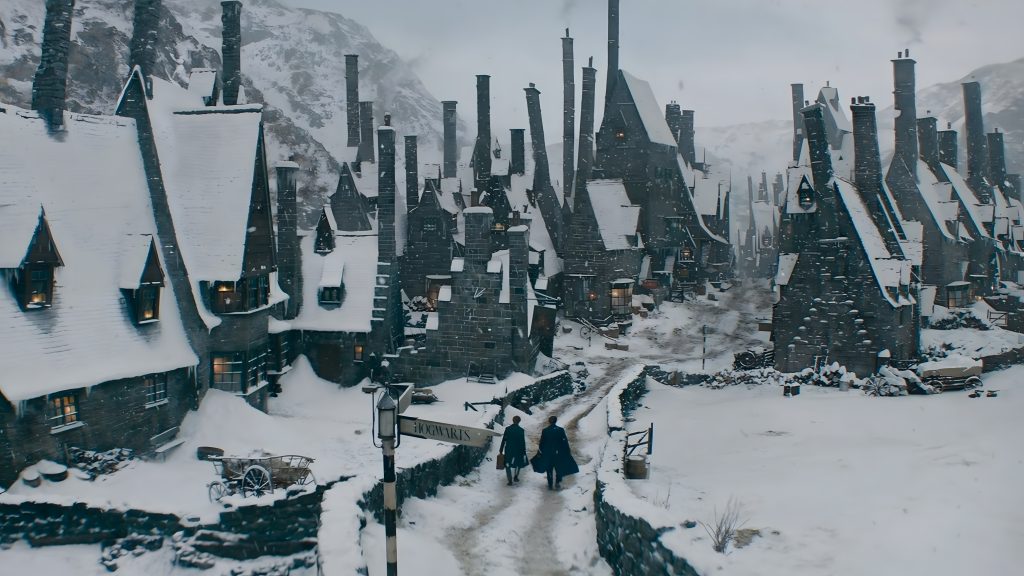
There is also a great deal of family explanation. We visit Hogwarts. The familiar music swells. Everyone receives their recommended dose of nostalgia, and then it is back to discussing estranged relatives. I initially misunderstood whose secret child we were discussing. Clarifying the parentage did not substantially improve my investment.
For all the pleasant company, these characters do not receive the same satisfying development that the original Harry Potter films gave their central group. There are plenty of relationships to explain, but explaining a relationship is not always the same thing as making me feel it.
The Ugly
The Ugly: Some spoilers here, because the puppy deer’s character assessment requires discussion.
Dumbledore describes the circumstances surrounding his sister’s death and acknowledges that his own spell may have killed her while he and his brother were fighting. It is not murder one, but still it is a substantial piece of personal history just to drop out of left field.
Later, the magical creature identifies Dumbledore as pure of heart.
Now, I am not arguing that remorse and goodness cannot coexist, or that a tragic mistake permanently disqualifies someone from being a decent person. But the film has spent considerable time explaining how complicated this man is, only to produce an adorable animal to certify him. Several of his companions seem like more immediately convincing candidates.
It feels a little like fan fiction. Dumbledore is wise, powerful, tragic, beloved, and now approved by the independent woodland inspection service. We might have left one box unchecked.
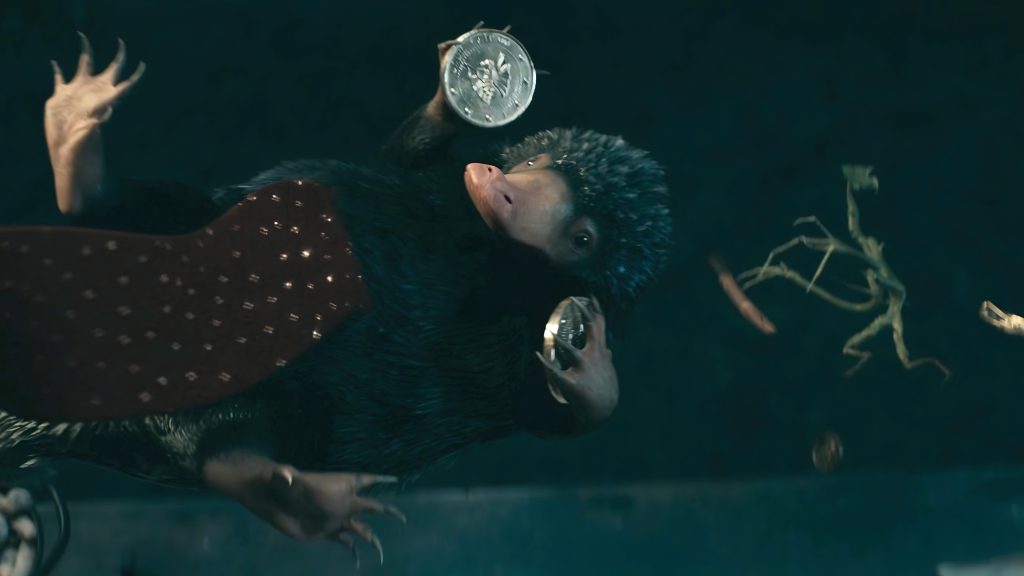
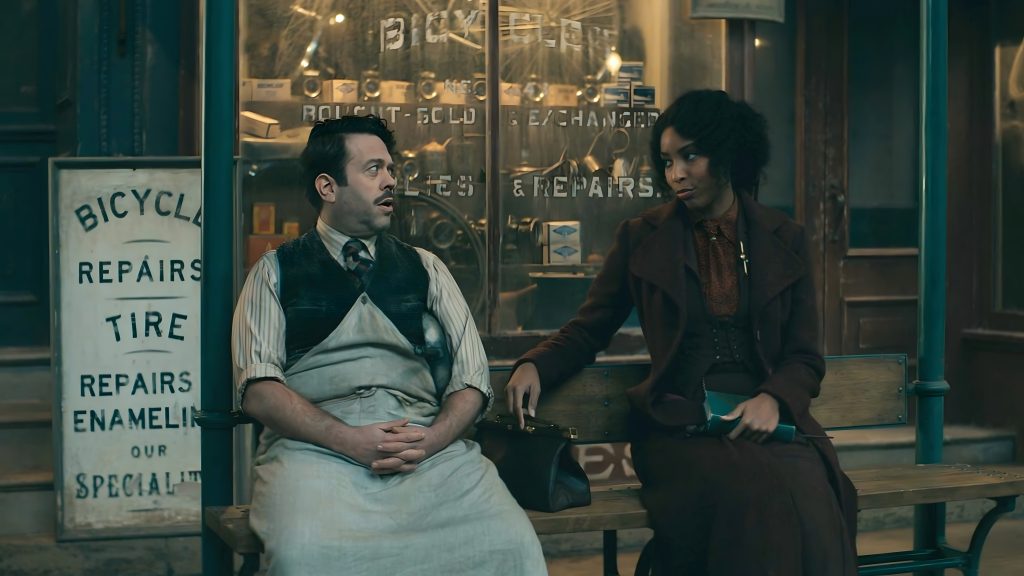
Then there is Jacob the baker and Queenie, the woman he loves, who can read minds.
I understand that her involvement with the villains presents the more pressing relationship issue. Still, marrying somebody who knows your every thought seems like a spectacularly ambitious approach to domestic life. Most relationships benefit from communication. They also benefit from a few thoughts never making it out of the garage.
In Conclusion
In Conclusion: Reading some of the complaints above, you might reasonably assume I disliked Fantastic Beasts: The Secrets of Dumbledore. I did not. I have watched it at least twice, and I enjoyed myself very much.
The political material is considerably less interesting than the creatures. The plotting could use fewer explanations and more forward movement. The magical solutions occasionally make the danger feel weightless. But the film is consistently attractive, contains several genuinely magnificent set pieces, and has a pleasantness that counts for something.
The music is pleasing. The changes of scenery keep things moving even when the dialogue does not. The happy ending takes its time, which I appreciated. For a long movie, it does not feel nearly as long as the clock eventually informs you it was.
I can understand the disappointment of viewers who wanted stronger character development or a more satisfying continuation of the larger story. Coming in with little knowledge and no particular attachment, I found a handsome, enjoyable fantasy adventure.
I would happily spend more time with these people. Preferably somewhere with animals and an off-year election.