An American Werewolf in London Belongs in a Museum.
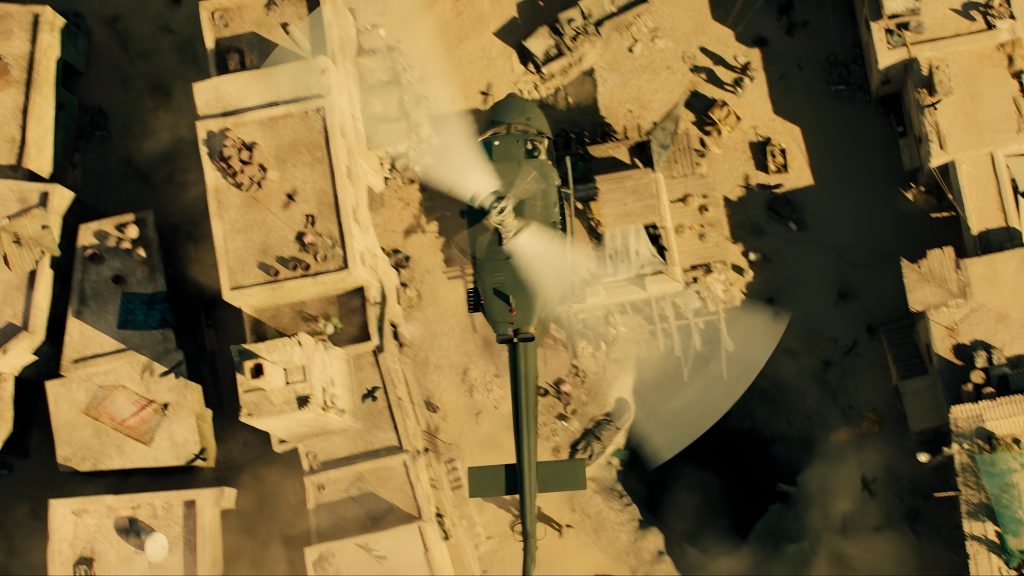
The Mummy (2017): 4 out of 10: Nick Morton (Tom Cruise) is a soldier of fortune who spends his time looting ancient treasures in Iraq, preferably one step ahead of ISIS (the terrorist organization, not the Egyptian goddess nor Archer’s outfit). Think of him as a gender-swapped Lara Croft with fewer scruples and a considerably larger dental budget.
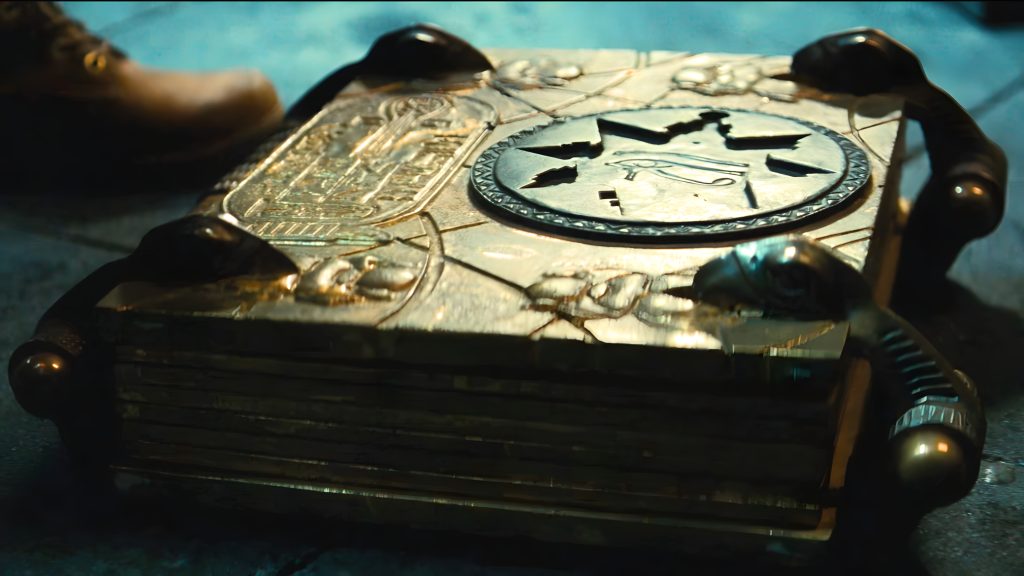
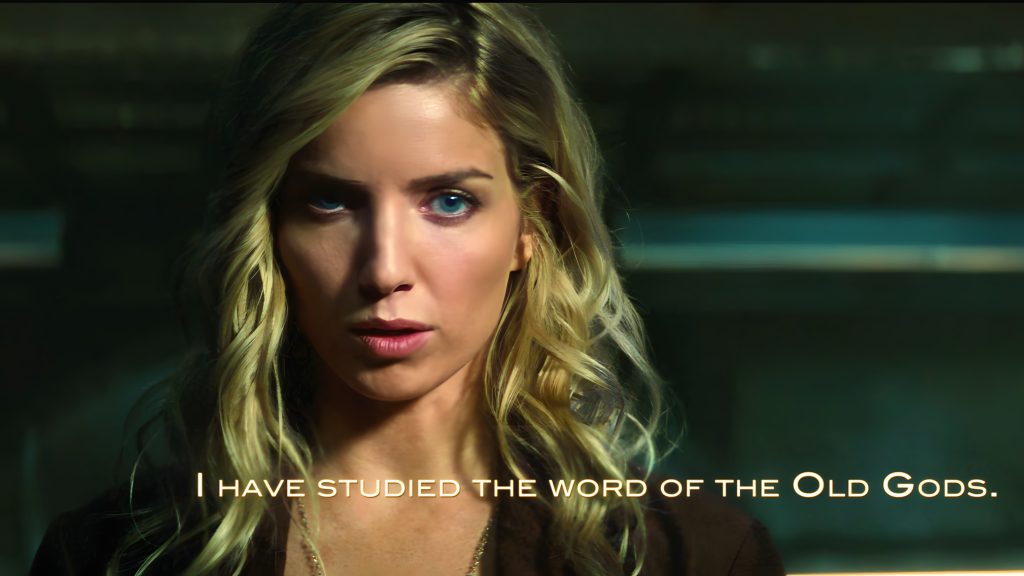
Unfortunately, Nick and his partner stumble upon the tomb of an ancient Egyptian princess, Ahmanet (Sofia Boutella), whose burial arrangements suggest she was not especially popular with her contemporaries. Accompanied by archaeologist Jenny Halsey (Annabelle Wallis), Nick helps transport the newly discovered mummy to London, where the inevitable supernatural unpleasantness begins.
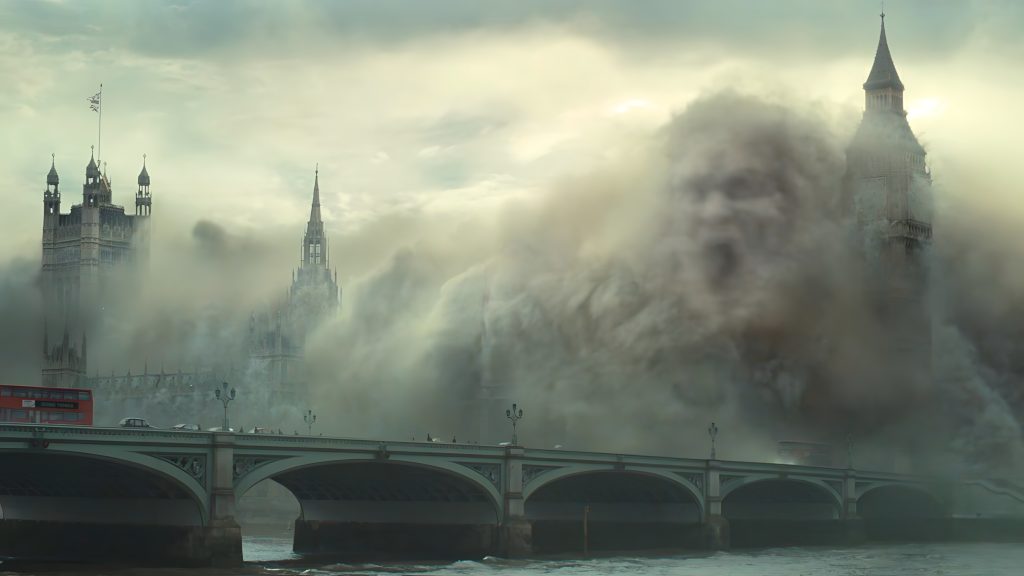
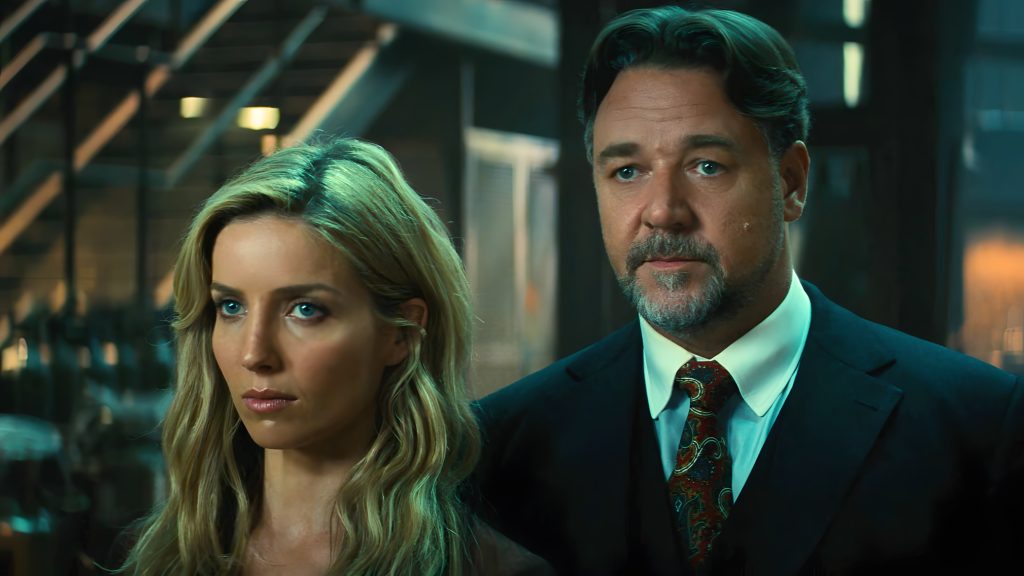
Soon, Nick finds himself caught between a beautiful, murderous Egyptian princess and a mysterious organization called Prodigium, headed by Dr. Henry Jekyll (Russell Crowe). With an ancient evil threatening civilization, Nick must decide whether to save the world, save himself, or find something valuable that hasn’t been nailed down.
The Good
The Mummy has some pretty good scenes, all conveniently located for your viewing pleasure in approximately the first forty minutes of the movie.
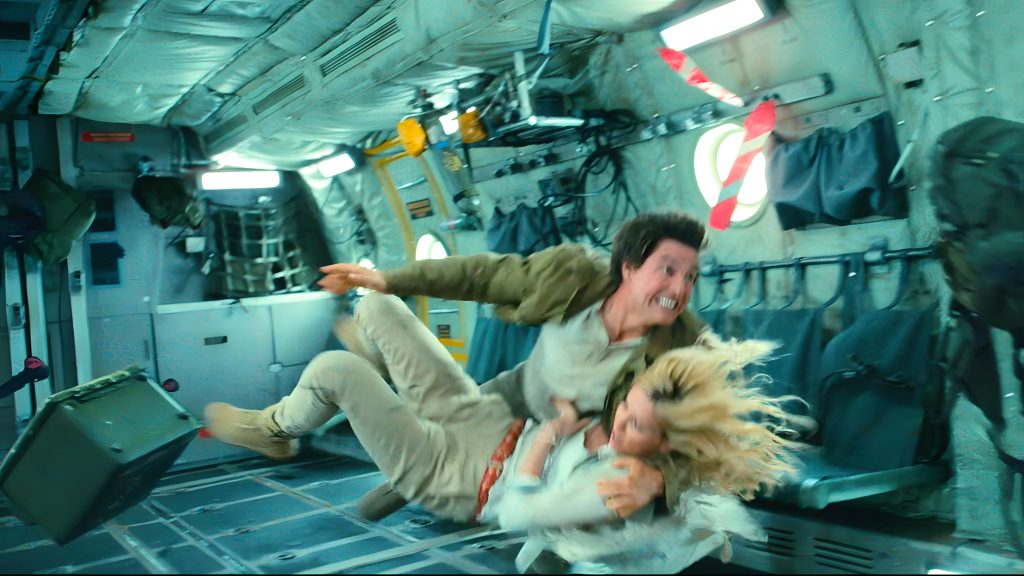
Seriously, the opening act is surprisingly entertaining. There is a breezy pace, some exciting action, a few good laughs, and Tom Cruise doing what Tom Cruise does best: running around looking terrific while things explode behind him. At first glance, Nick Morton seems like a reasonably entertaining action hero, albeit one who would probably steal your wallet while helping you escape a burning building.
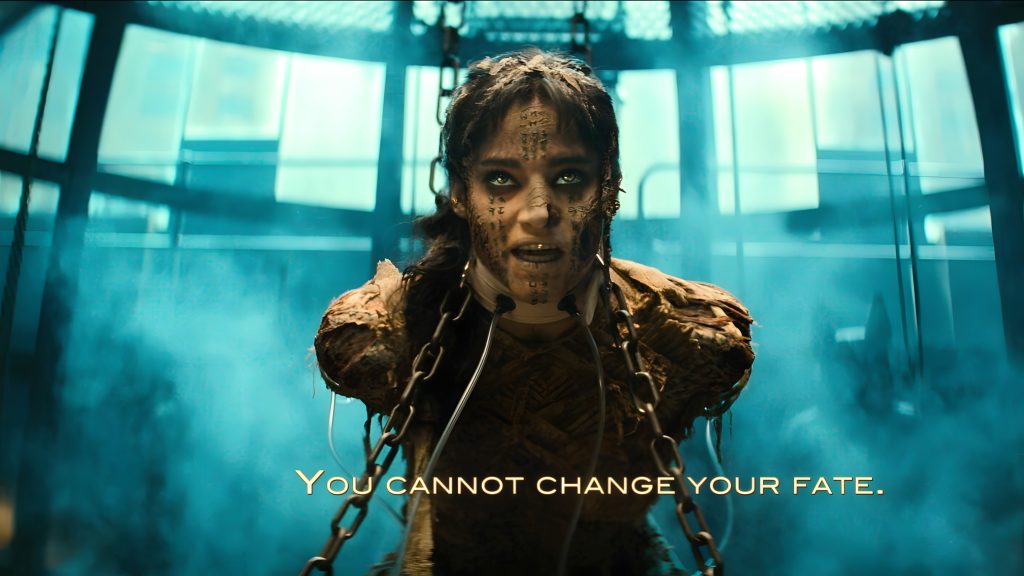
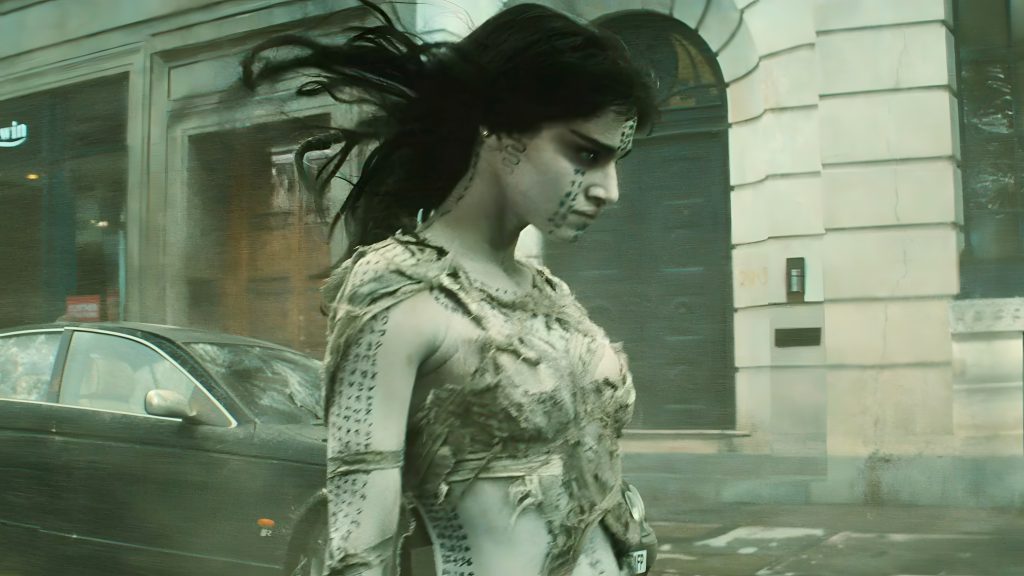
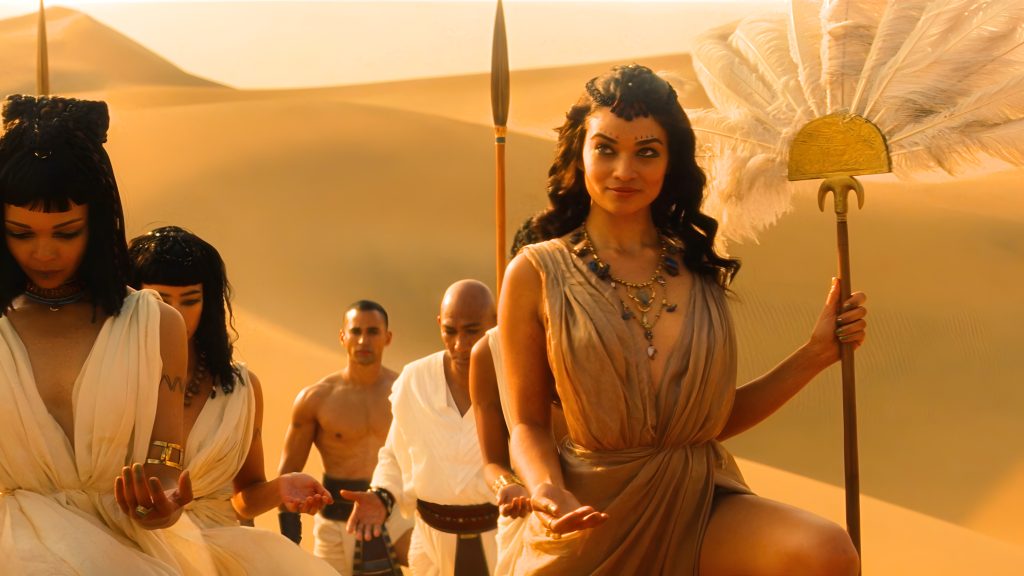
And then there is Sofia Boutella. Boutella makes an excellent mummy. She is sexy, dangerous, appropriately supernatural, and considerably more interesting than most of the people trying to stop her.
The character has an arresting visual design, and Boutella brings enough physicality and menace to the role that one wishes the movie had spent considerably more time with her. She is easily one of the strongest elements of the production.

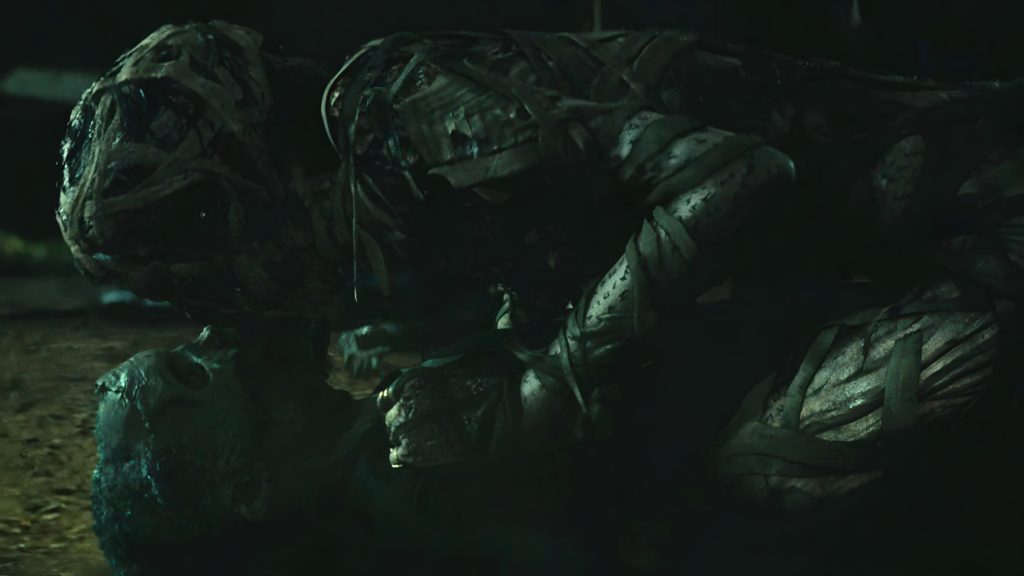
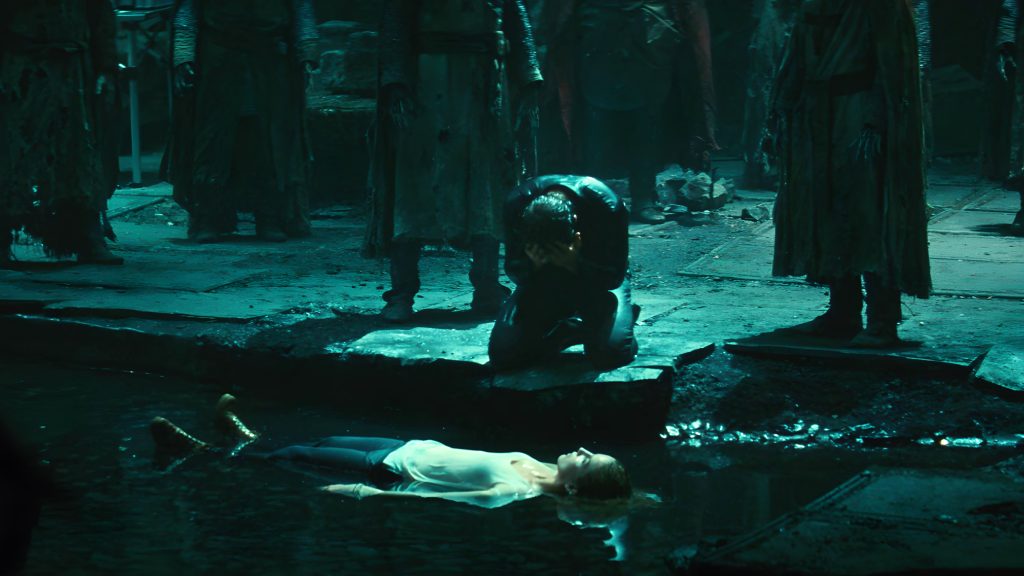
The special effects are generally good, and several of the horror sequences work surprisingly well. I particularly enjoyed the underwater zombies. I realize they are technically mummified skeletons or something along those lines, but I am calling them zombies, and you cannot stop me.
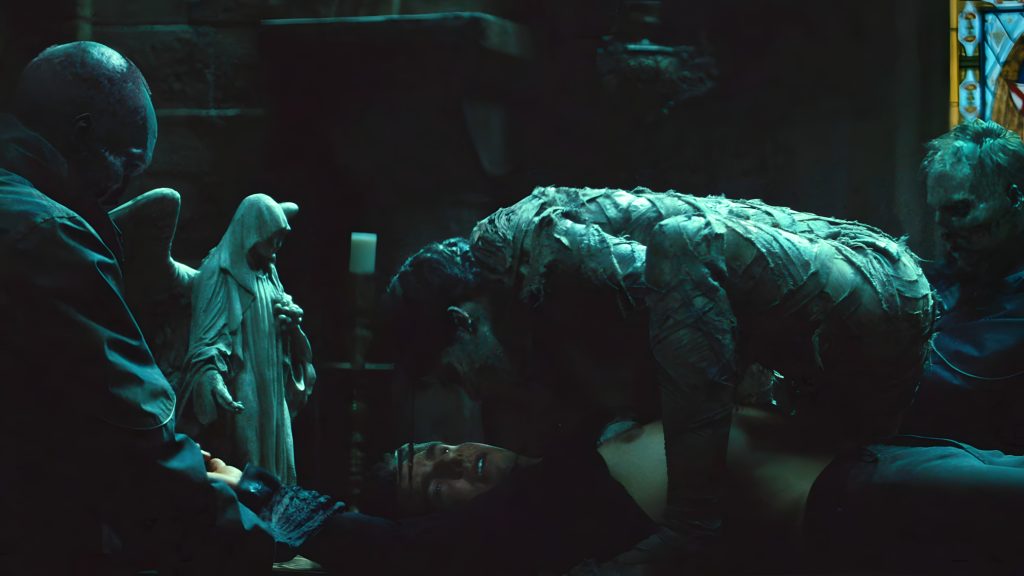
The sequences involving the undead attacking police officers and ambulance personnel are also effective. There are moments of genuine tension, and the movie occasionally remembers that it is supposed to be a horror film.
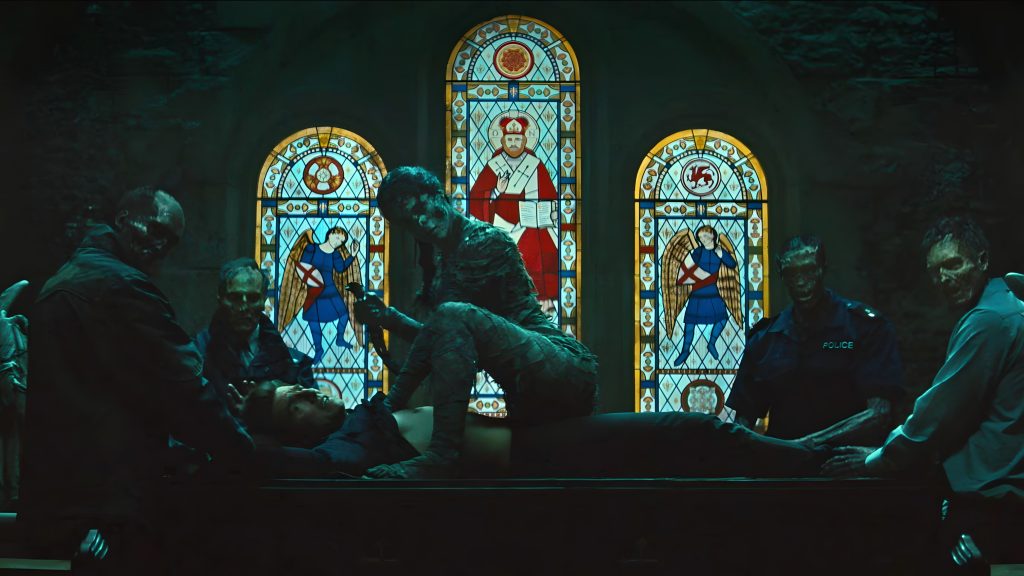
In fact, when The Mummy concentrates on its actual mummy, it can be quite entertaining. There are some solid action sequences, some creepy imagery, and enough supernatural mayhem to suggest that somebody involved understood what kind of movie they were making.
For those first forty minutes, one can reasonably wonder why this film received so much critical flack. And then Russell Crowe shows up.
The Bad
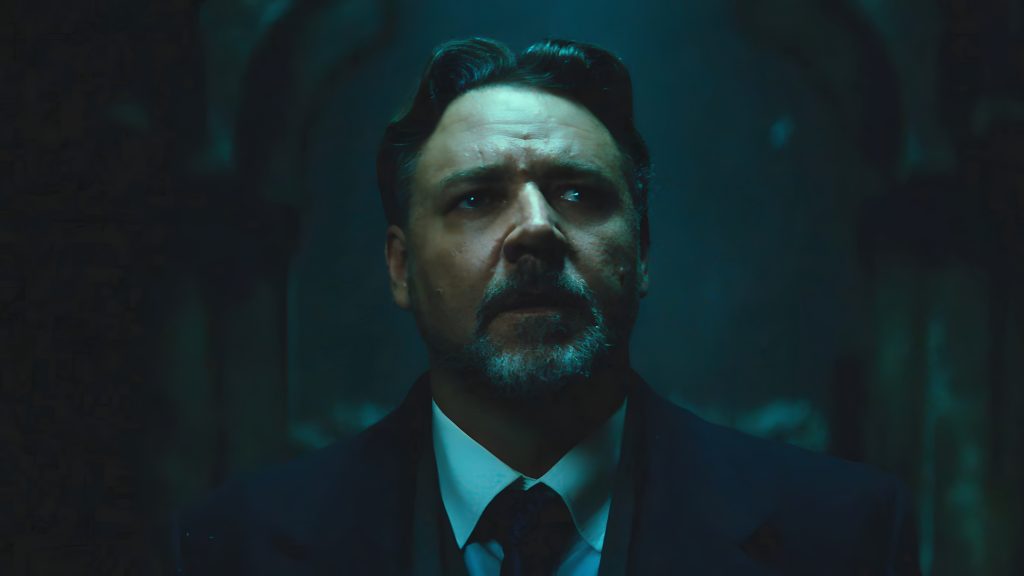
Dr. Jekyll would argue that Russell Crowe gives a fine performance undermined by poor scripting and characterization. Mr. Hyde would suggest that Crowe is an enormous ham who takes a poorly conceived character and somehow makes him even worse.
I am inclined to agree with Hyde.
Now, I have nothing against scenery chewing. Quite the opposite. There are plenty of movies where a talented actor enthusiastically devouring the scenery is half the entertainment. The Mummy is certainly not some delicate artistic masterpiece where a little theatrical excess would be inappropriate.
But Crowe’s performance is cartoonishly bad, and worse, the character has absolutely no business being in this particular story.
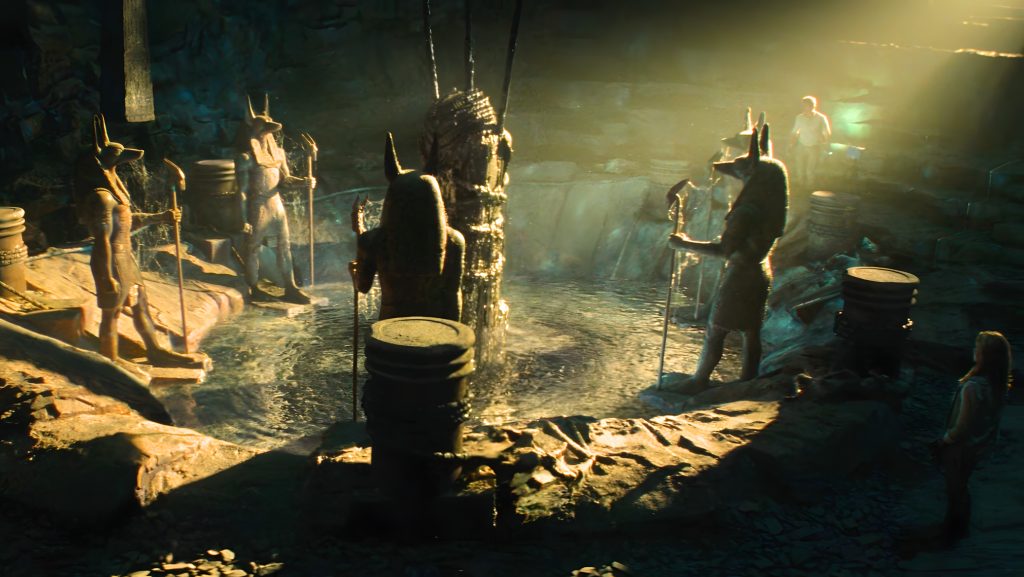
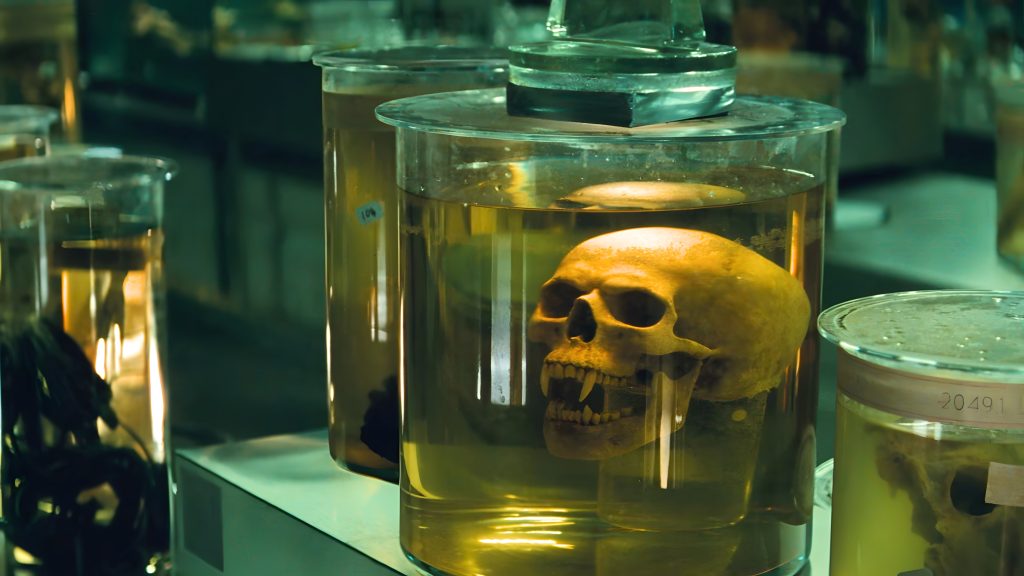
Prodigium, you see, is supposed to be the mysterious organization connecting all the forthcoming Universal Dark Universe movies. The Mummy was intended to launch an interconnected cinematic universe featuring the classic Universal monsters, including the horrifying prospect of Johnny Depp as the Invisible Man.
And thus, instead of concentrating on making a good mummy movie, the filmmakers decided they needed to establish the supernatural equivalent of the Scooby Gang.
The result is a large chunk of running time devoted to characters, organizations, and mythology that have remarkably little to do with the story we were enjoying before they arrived.
Jekyll himself is particularly ridiculous. When he is the supposedly respectable doctor, Crowe adopts an upper-class English accent. When he transforms into the evil Mr. Hyde, he switches to a cartoonish working-class Cockney accent that would make Dick Van Dyke blush.
Apparently, being upper class makes you good, while sounding like somebody who works for a living is a reliable indication of supernatural evil. If one thinks about it, the accents should probably be reversed.
The whole performance feels lifted from a particularly enthusiastic community theater production of Jekyll & Hyde, with Crowe perpetually threatening to break into “Stars” from Les Misérables.
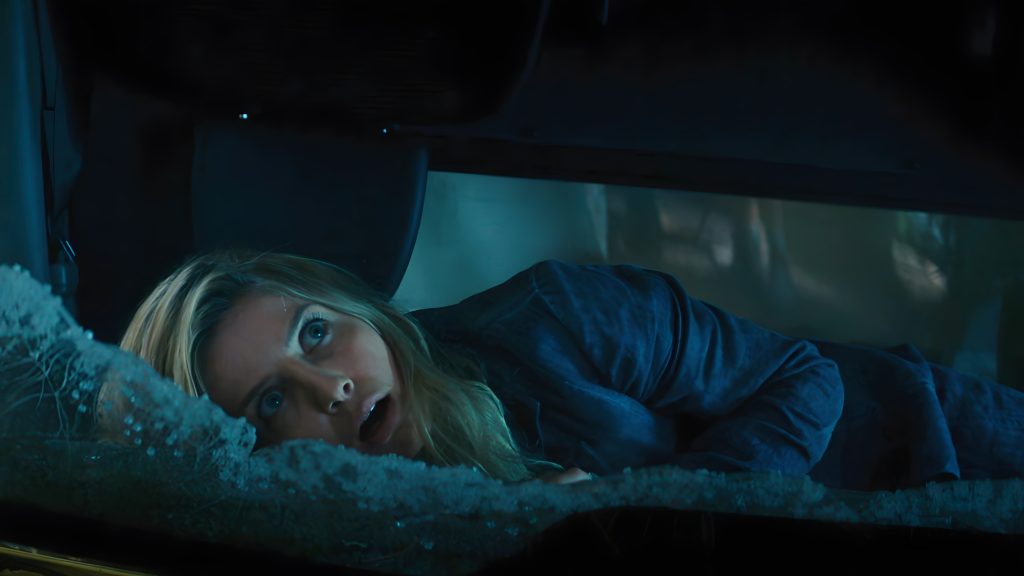
And then there is Annabelle Wallis. Wallis plays Jenny Halsey, archaeologist, exposition delivery system, and quite possibly the least charismatic romantic interest Tom Cruise has ever encountered on screen.
There is furniture in this movie I am more emotionally invested in than Jenny. If a villain ties her to a table, I am less concerned about her survival than whether somebody remembered to use a coaster.
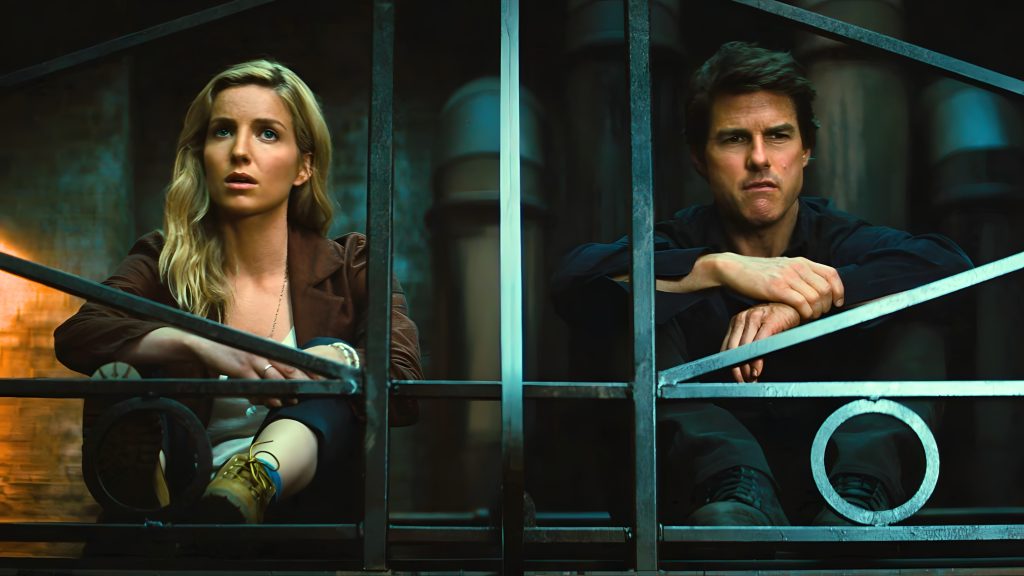
This is not a question of physical attractiveness. Wallis is a beautiful woman. Cruise, who was in his mid-fifties when the film was released, looks remarkably good, particularly with his shirt off. I say that as a heterosexual man with functioning eyesight.
So they both look great, but the two have absolutely no chemistry. None. Cruise has more believable sexual tension with the murderous Egyptian mummy, and frankly, I would have preferred that romance.
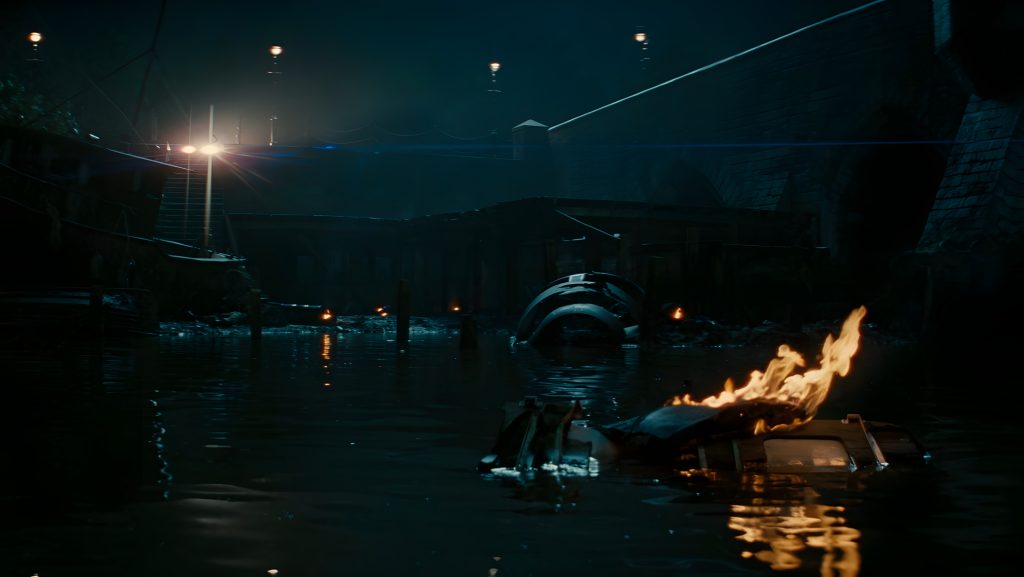
The genuine tragedy is that once everyone arrives in London, the titular mummy increasingly becomes a supporting character in her own movie. Prodigium devours the running time; Crowe devours the scenery, and whatever energy the film had during its opening act gradually disappears.
The Ugly
I have two enormous pet peeves with The Mummy, beyond Russell Crowe’s ongoing threats to turn the production into a musical.
The first is the movie’s insistence that Nick Morton is secretly a good person. At one point, Jenny earnestly informs Nick that she knows there is something good inside him. She can just tell. Really?
Nick Morton has provided precisely zero evidence of possessing a single redeeming character trait. He is a grave robber. He steals from people. He abandons friends to die. He is perfectly comfortable leaving his supposed romantic interest to her fate. The movie even establishes that he will sleep with a woman under false pretenses and then rob her while she is sleeping.
In most motion pictures, this would make him the villain.

Now, Tom Cruise generally does an excellent job choosing action heroes. His characters are not necessarily saints, but they almost always possess some quality that makes us want to root for them. They are loyal to their friends, dedicated to a cause, exceptionally talented at driving around a racetrack, or at least willing to risk their lives for somebody other than themselves.
Nick Morton is none of these things. This is Les Grossman with better hair.
Yet we are expected to believe that this beautiful, supposedly intelligent scientist can look into his eyes and recognize the goodness buried somewhere inside him.
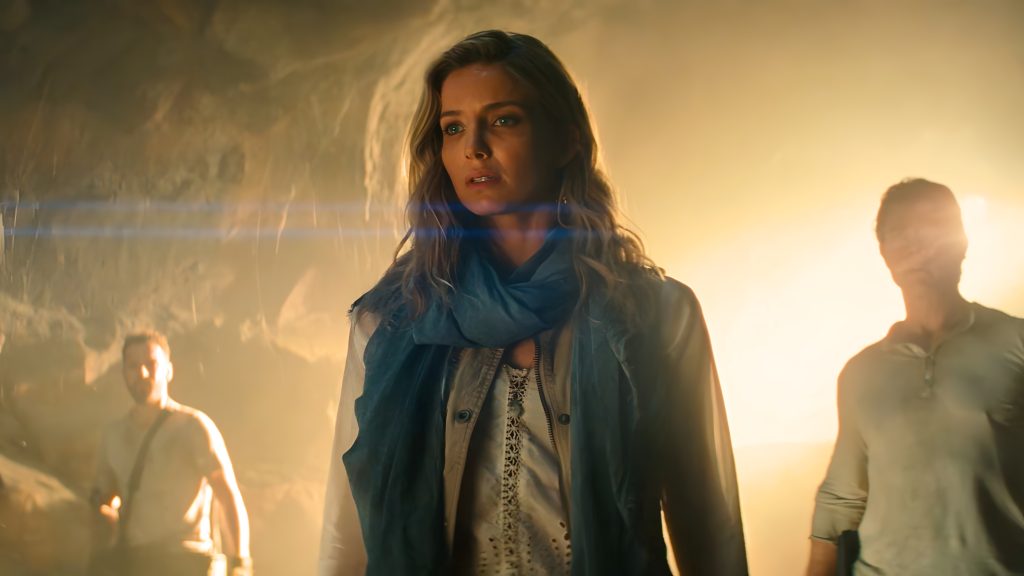
Of all the incredible things in a movie featuring ancient Egyptian curses, supernatural monsters, Dr. Jekyll, vampire teeth, and hands borrowed from the Creature from the Black Lagoon, this may be the least believable.
It is not rocket science. Give the guy one redeeming quality. Have him save a child. Show some loyalty to his friends. Give him a kitten or something.
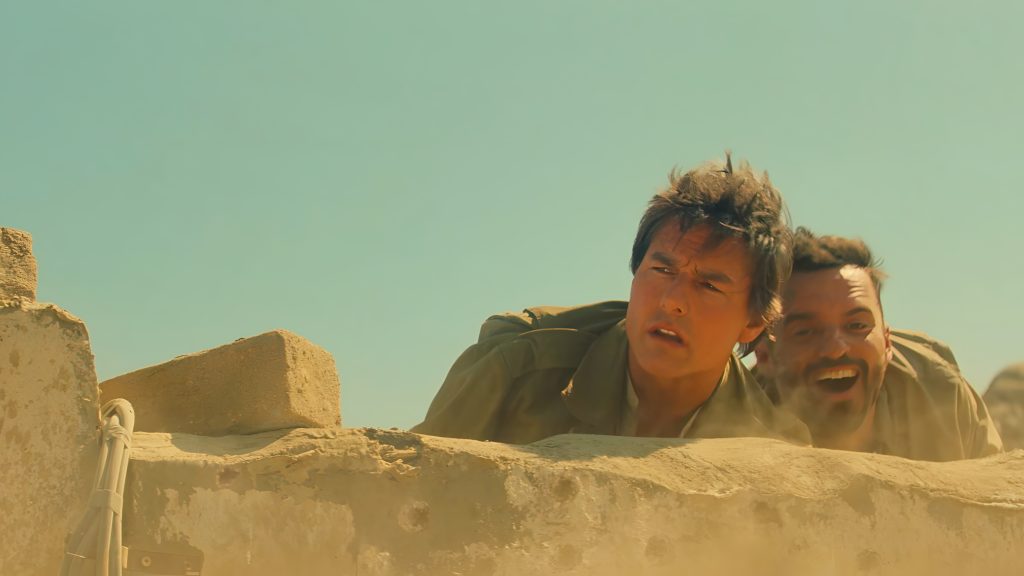
My second enormous complaint is the film’s shameless borrowing from An American Werewolf in London. And by borrowing, I mean stealing.
The Mummy lifts ideas, character interactions, and entire gags from John Landis’s classic horror comedy with a level of enthusiasm that would embarrass Nick Morton himself.
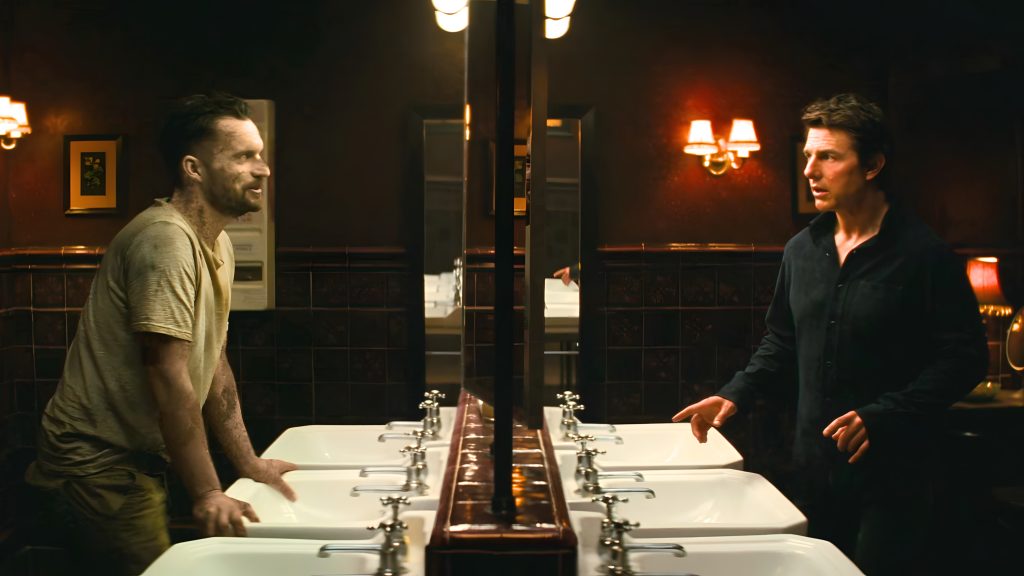
I am not fundamentally opposed to filmmakers borrowing from earlier movies. Cinema has been recycling ideas since somebody realized you could point a camera at a train and charge people admission.
But if you are going to steal from An American Werewolf in London, why do it so badly?
The similarities are immediately recognizable, right down to the supernatural conversations with a dead companion and familiar comic business. The film does not even have the decency to disguise its inspiration particularly well.
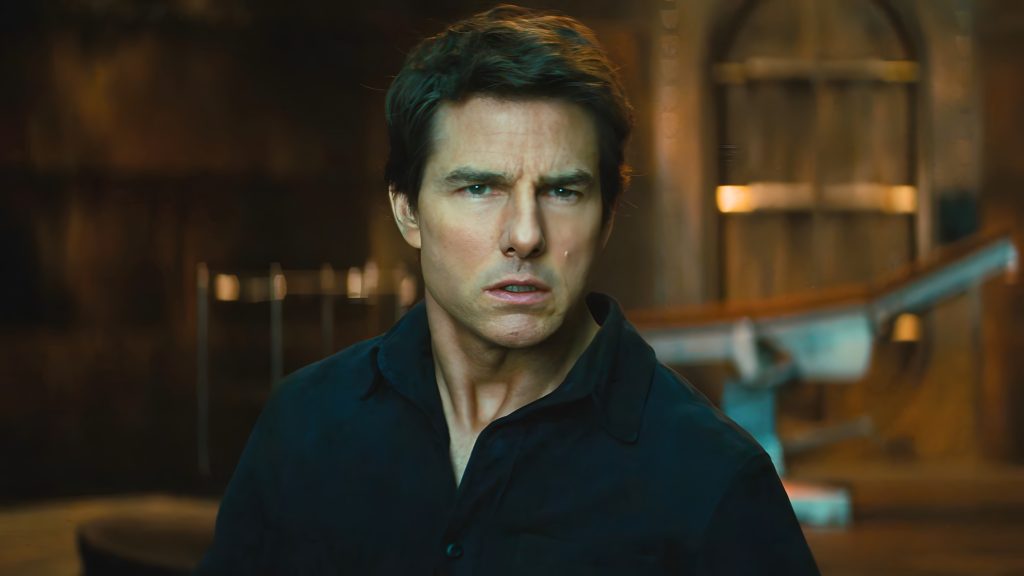
Within seconds, one finds oneself thinking, “Oh my God, they are doing An American Werewolf in London.” The fact that both movies take place in London does not exactly help conceal the evidence.
I half expected Kermit and Miss Piggy to show up, followed by an entire family being machine-gunned.
The worst part is that these borrowed sequences are not nearly as funny or effective as their predecessors. If you are going to copy somebody else’s homework, at least make sure you get the answers right.
In Conclusion
It is rare to see a movie, particularly one intended to launch an entire cinematic universe, fly off the rails quite this spectacularly. Like Batman v Superman: Dawn of Justice, The Mummy seems considerably more interested in announcing future movies than making its current movie worth watching.
Everybody wants their own Marvel Cinematic Universe. Unfortunately, somewhere along the way, Hollywood seems to have forgotten that audiences actually have to enjoy the first movie before they start worrying about the seventh.
Raiders of the Lost Ark did not spend half its running time introducing a secret organization dedicated to connecting Indiana Jones with every other adventure franchise Paramount could find. It simply told a great story with memorable characters, exciting action, and a charismatic hero.
People wanted more because the movie was good. And the frustrating thing about The Mummy is that a perfectly respectable horror-action movie is buried underneath all this nonsense.

They had Tom Cruise, who is perfectly capable of carrying an action picture. They had Sofia Boutella, who makes a terrific monster. They had an excellent budget, some impressive production values, and a number of genuinely effective horror sequences.
All they needed to do was give Cruise a single redeeming character trait, find an actress who could convincingly pretend to be attracted to him, and send Russell Crowe back to Australia before he started shooting his scenes.
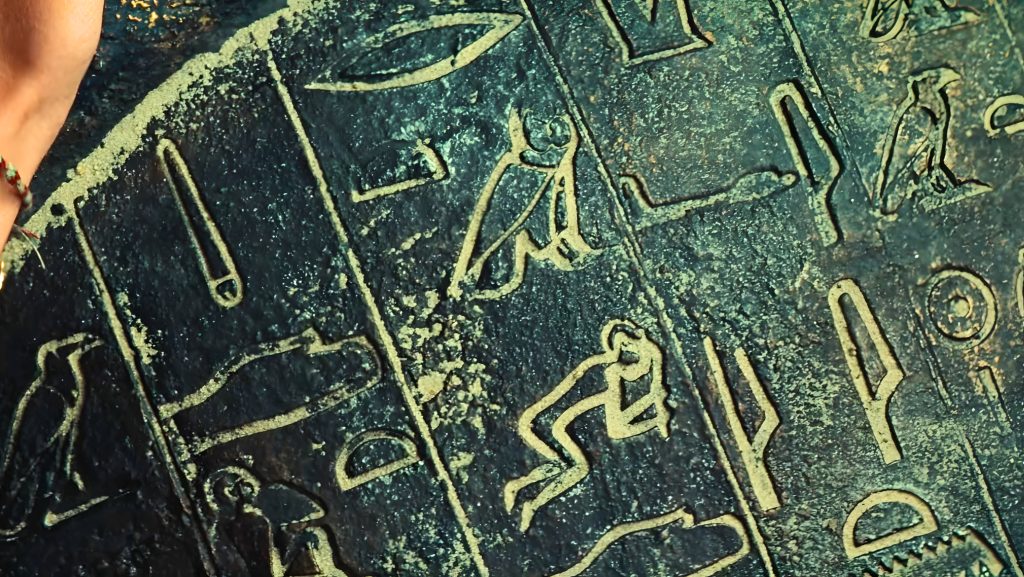
Oh, and go for an R rating. The movie is already about ninety-five percent of the way toward being a proper horror film. This is not the family-friendly Brendan Fraser version. Embrace the horror, increase the danger, and let your monsters be monsters.
Instead, Universal spent an enormous amount of money constructing an elaborate cinematic universe around a movie that could barely sustain its own narrative.
The irony is that the studio already had a perfectly good blueprint.
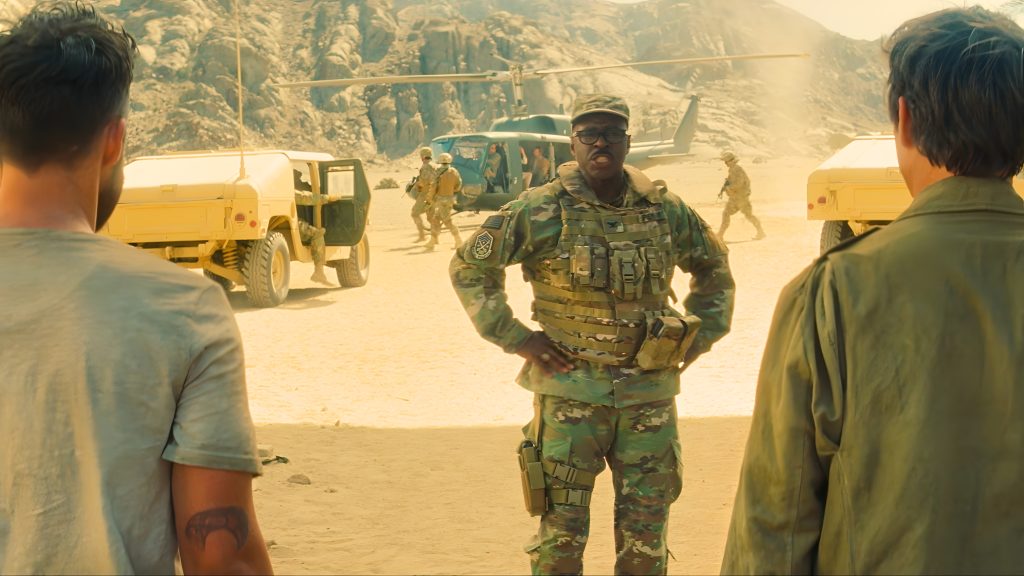
Make an entertaining mummy movie. If audiences enjoy it, make a sequel. Then make another sequel set in China with a different actress playing the hero’s wife. Perhaps spin off a supporting character into a series featuring an appalling CGI half-man, half-scorpion monstrosity that eventually goes straight to video.
It has been done. There is precedent.
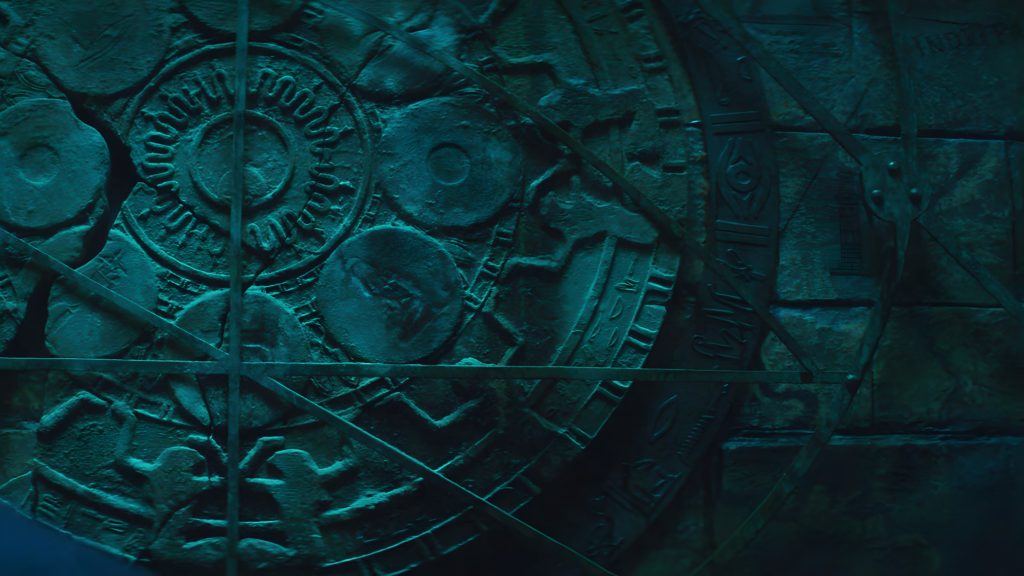
The Mummy has enough entertaining moments, an excellent monster, and some decent horror sequences to keep it from being a complete disaster. Unfortunately, every time the movie starts becoming enjoyable, it remembers that it is supposed to be advertising an entire cinematic universe and promptly gets distracted.
There is a good mummy movie buried in here somewhere. Unfortunately, the people responsible for making it were too busy digging up everything else.