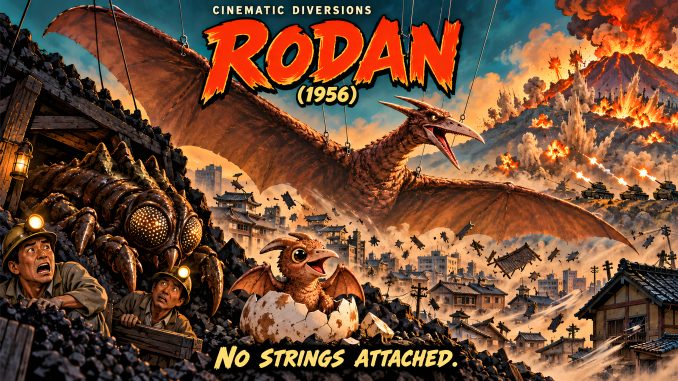
No Strings Attached
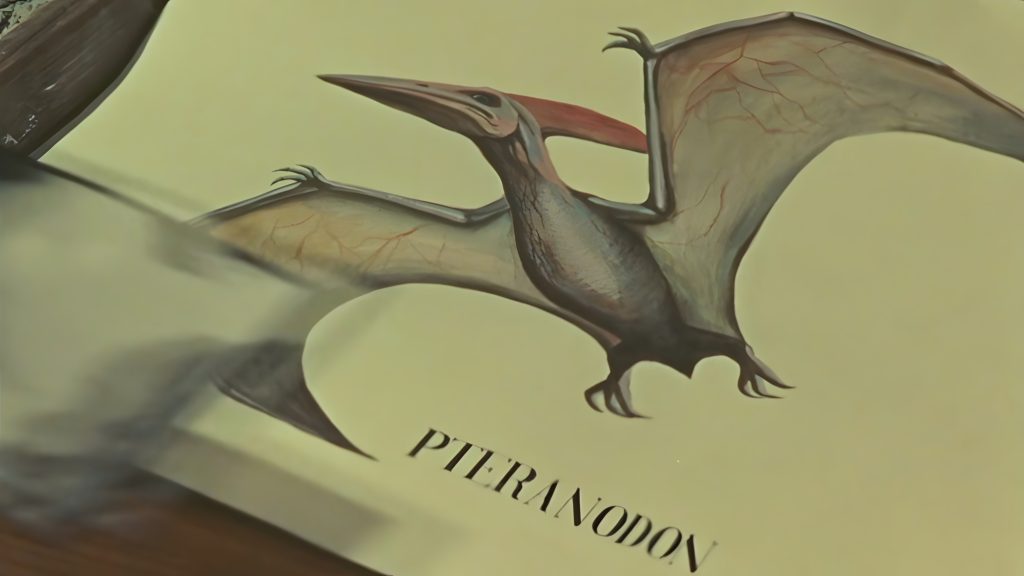
Rodan (Sora no daikaijû Radon) (1956): 8 out of 10: Strange deaths in a Japanese coal mine leave a small community frightened and suspicious. With miners missing and bodies bearing unpleasant injuries, the initial assumption is that someone underground has gone full My Bloody Valentine. Unfortunately, what is lurking in the tunnels presents problems beyond the capabilities of the local constables.
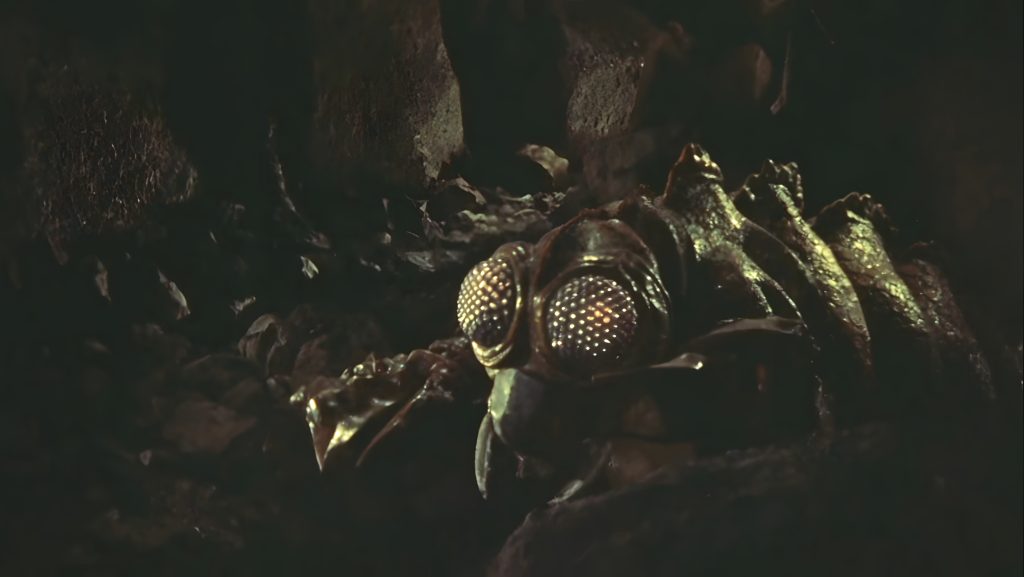
As the investigation uncovers monstrous insect larvae, events begin pointing toward an even larger threat. Something is stirring beneath the volcanic landscape, and Japan’s mining safety concerns are about to become an aviation problem.
The Good
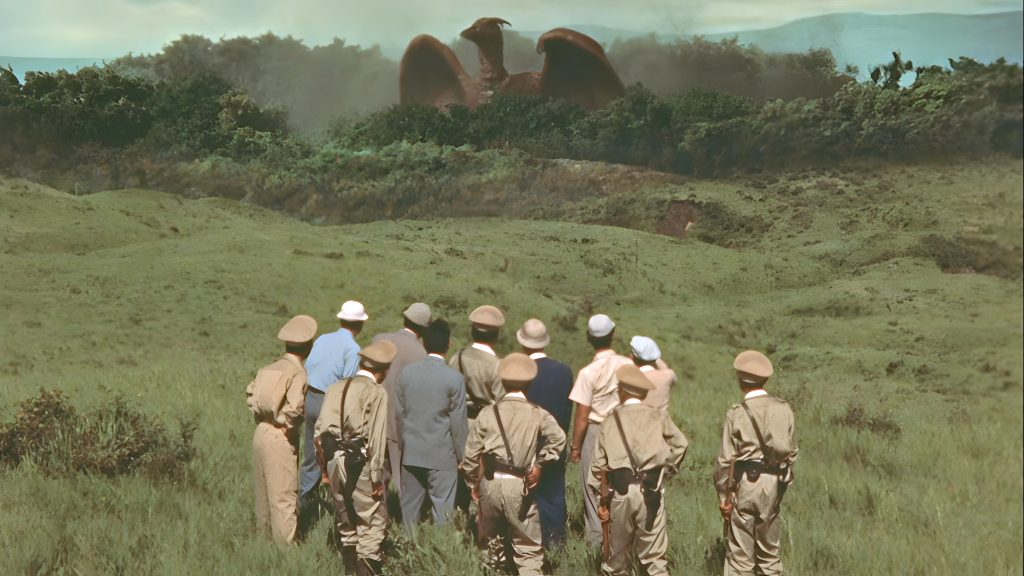
The Good: You can’t go home again. If you had asked me at various points in my life what my favorite monster movie was, there was a good chance I would have answered Rodan. As I point out in my Godzilla: King of the Monsters review, this is a Rodan household. We have loyalties.
Part of that affection comes from watching the movie with my father, who would tell me he had seen it as a teenager in a theater in Dublin. My imagination would run wild. Imagine being old enough to go to an actual movie theater and watch a Japanese monster movie instead of waiting for the Million Dollar Movie on Saturday afternoon television. This sounded like the sort of freedom adulthood ought to provide.
So yes, nostalgia is doing some heavy lifting here. However, there is another reason Rodan appealed to me as a child, and that reason holds up remarkably well: this is a horror film.
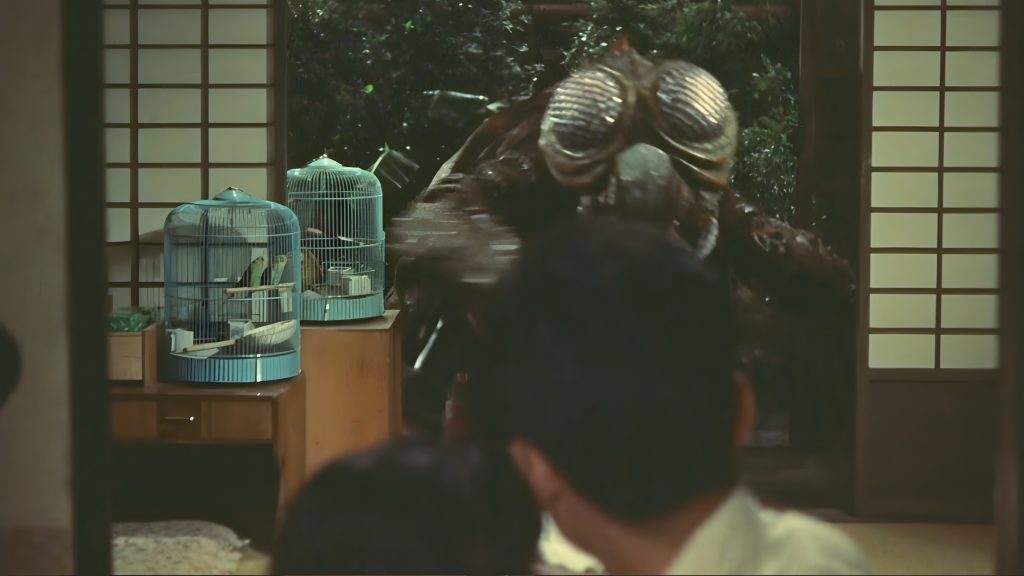
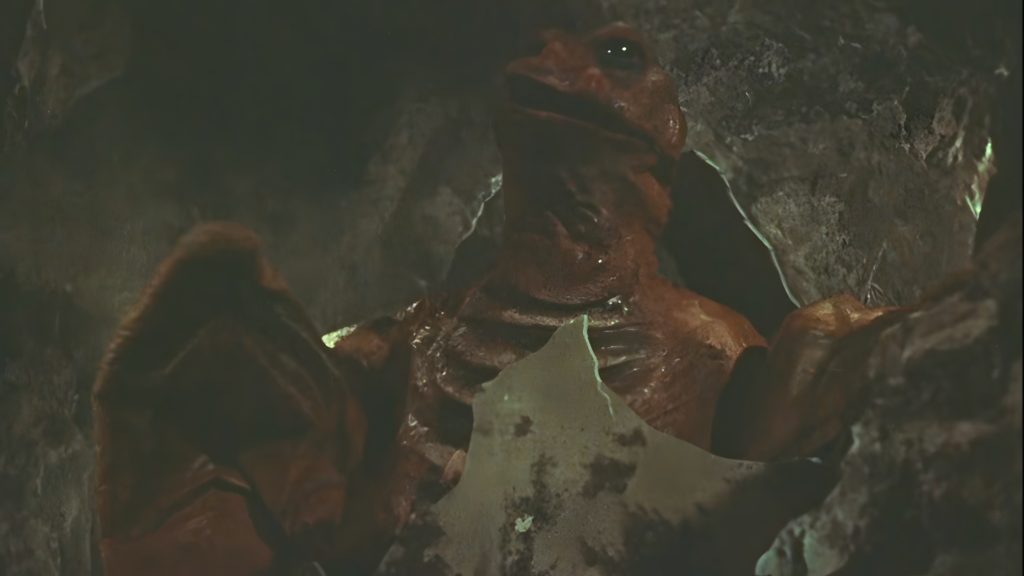
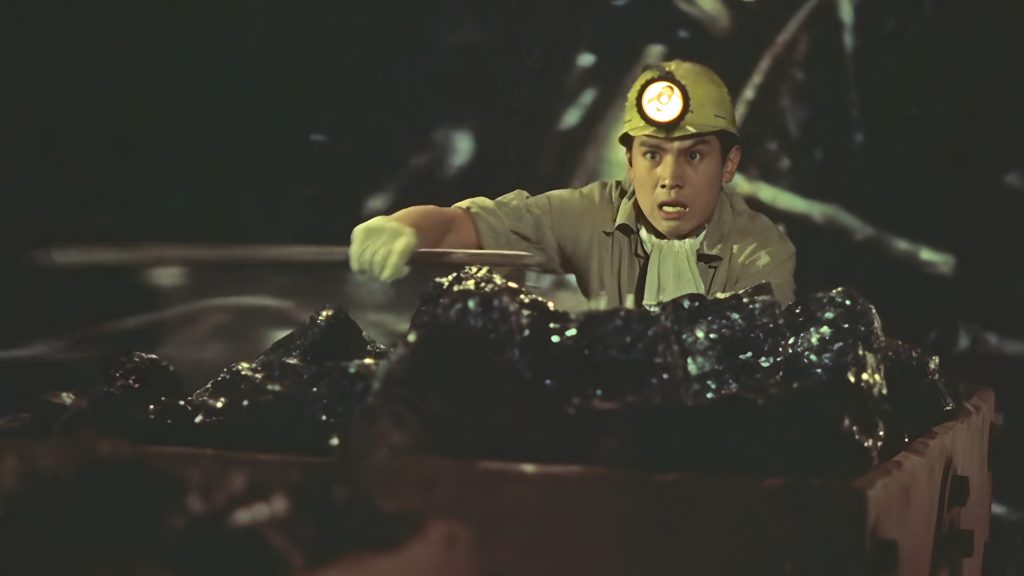
The giant insect larvae that dominate the early going are legitimately creepy. There is something deeply unpleasant about encountering one of these things in a flooded mine tunnel, where your escape options are limited and your employer’s emergency procedures presumably do not cover prehistoric insects and your union does not have your back. The opening stretch has atmosphere, mystery, and a surprising willingness to show the consequences of encountering its monsters.
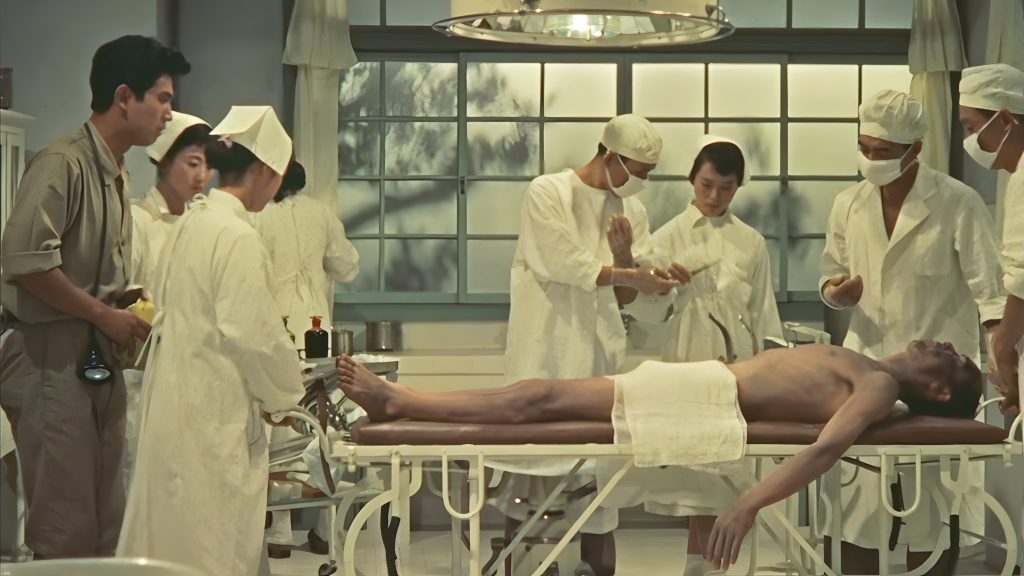
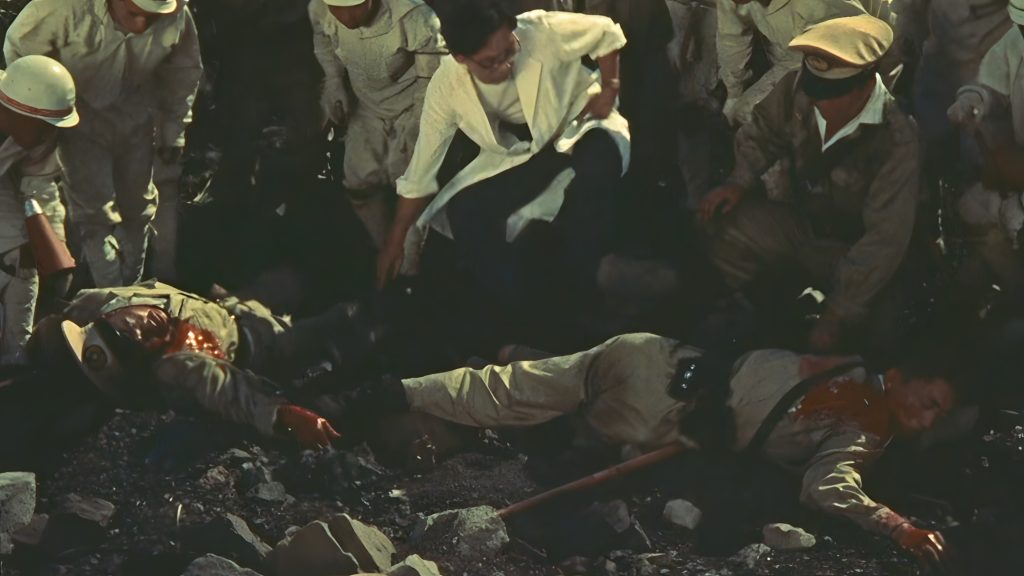
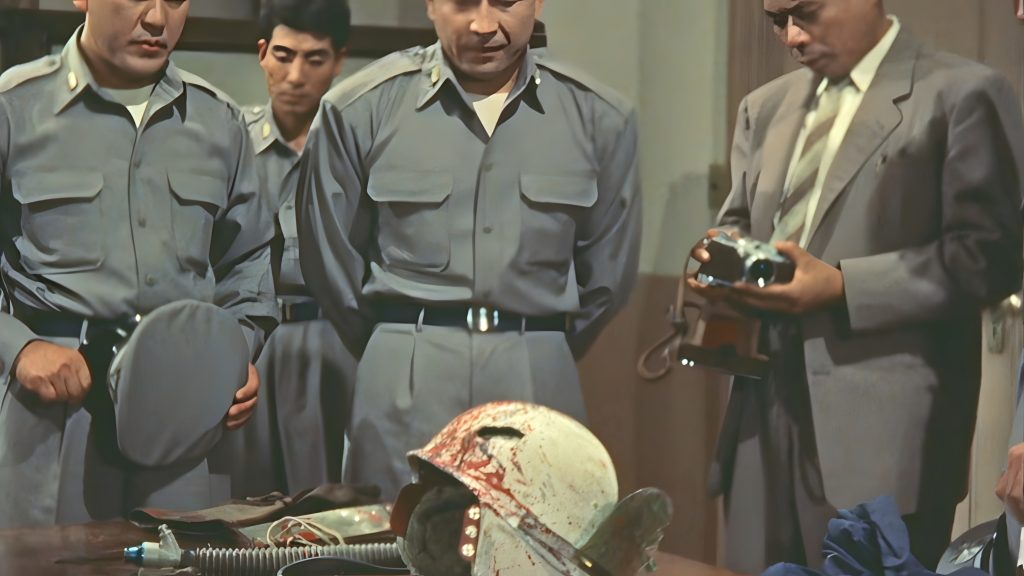
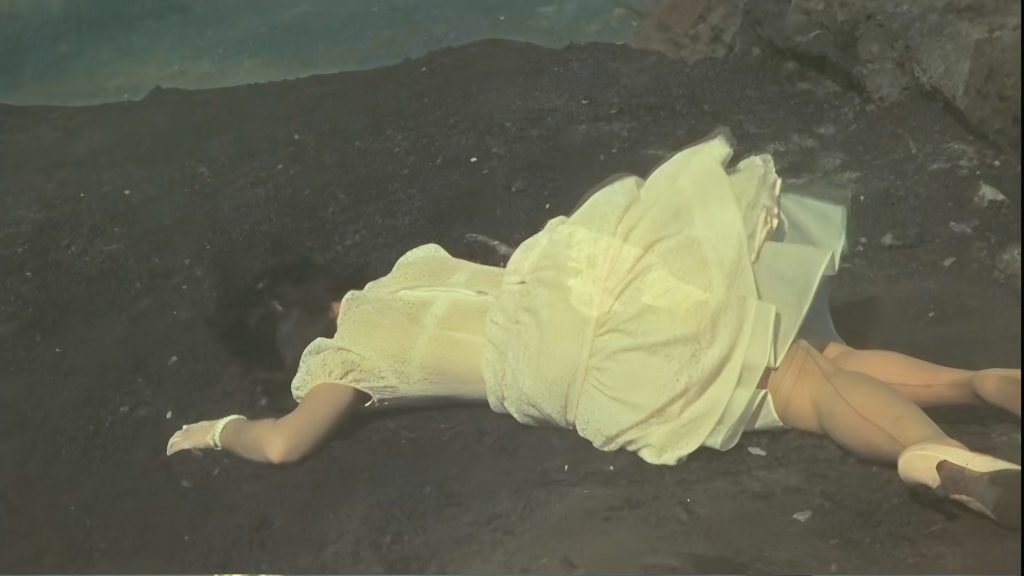
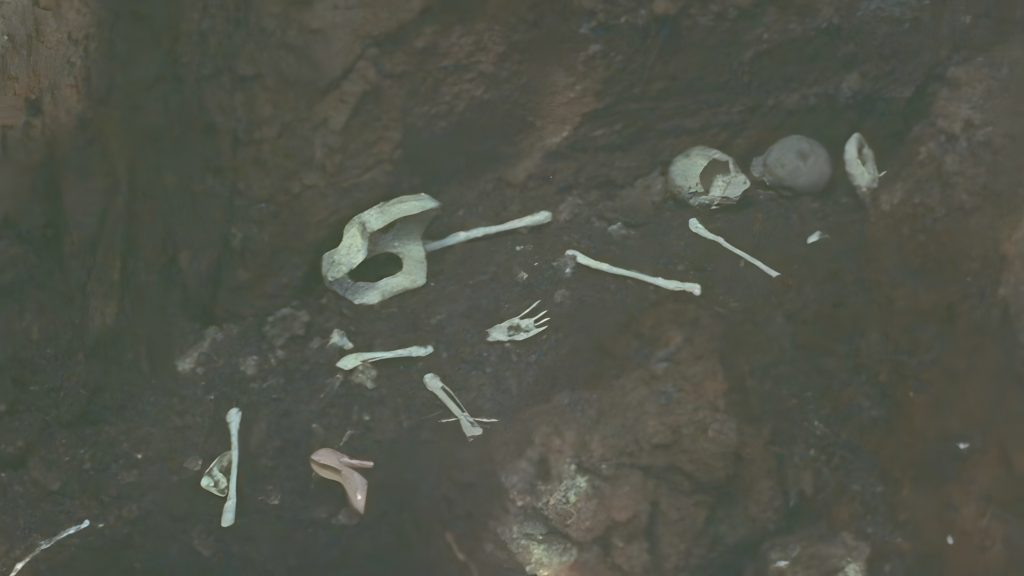
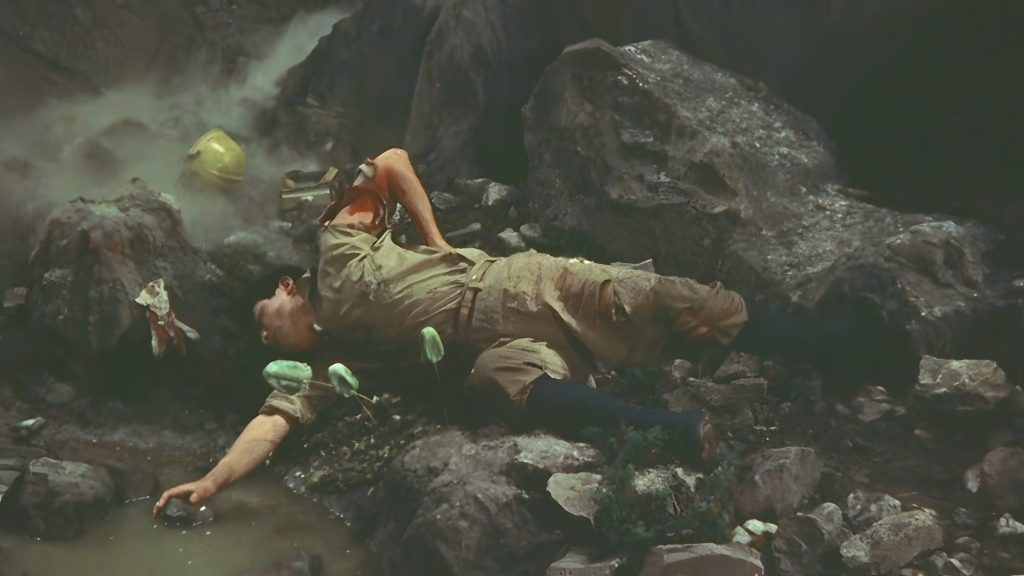
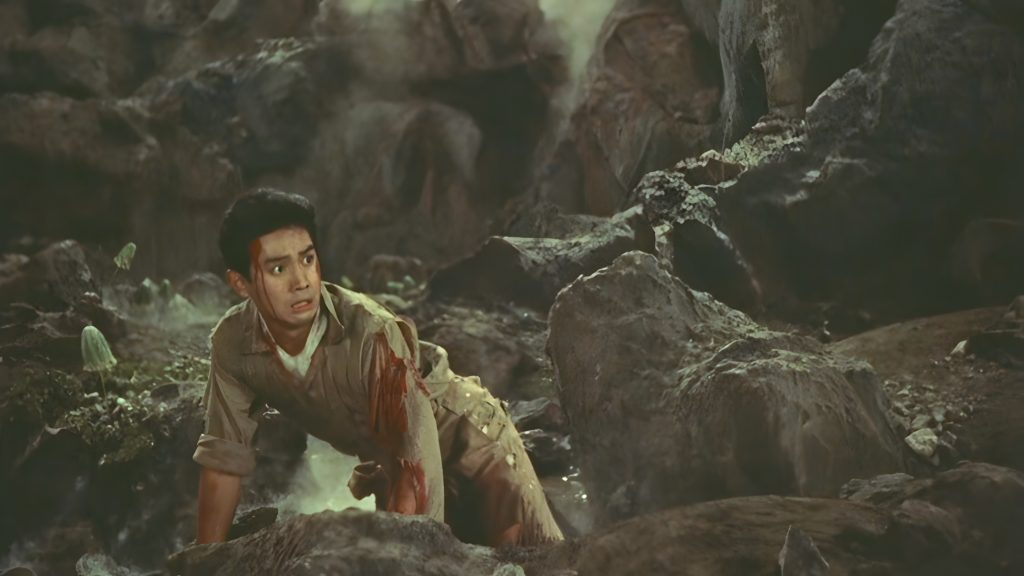
There is quite a bit of blood in Rodan. Miners, police officers, and soldiers are carried away on stretchers looking as though something terrible has actually happened to them. A woman’s shoe and skeletal remains on a volcanic mountainside make a particularly nasty little impression. The film understands that you can suggest a considerable amount of horror by showing what is left behind.
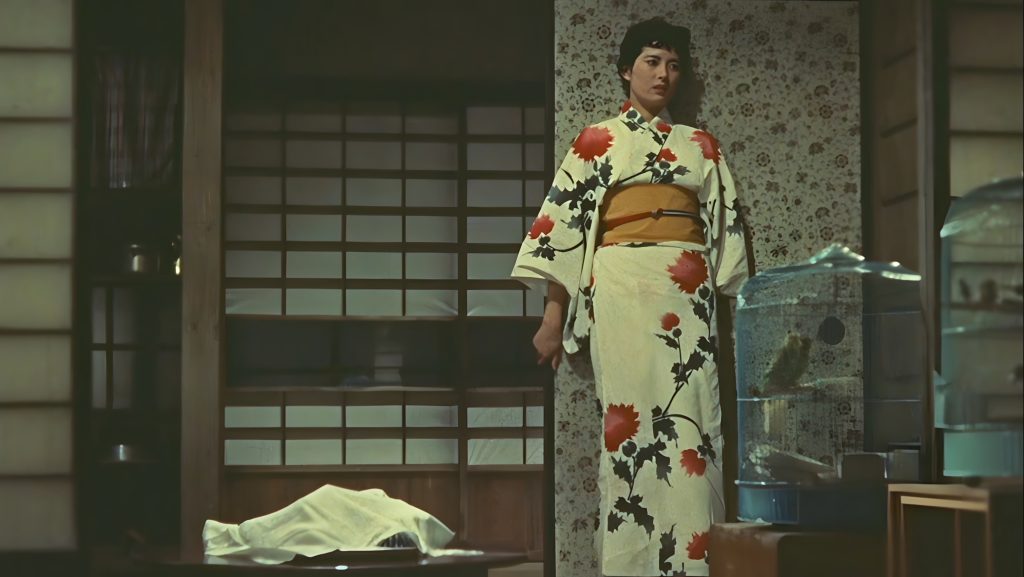
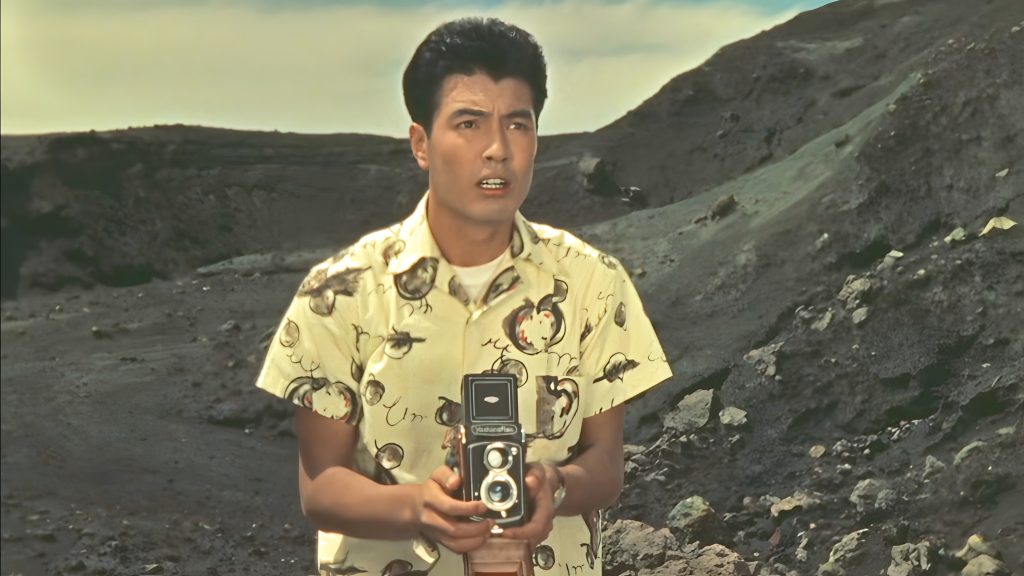
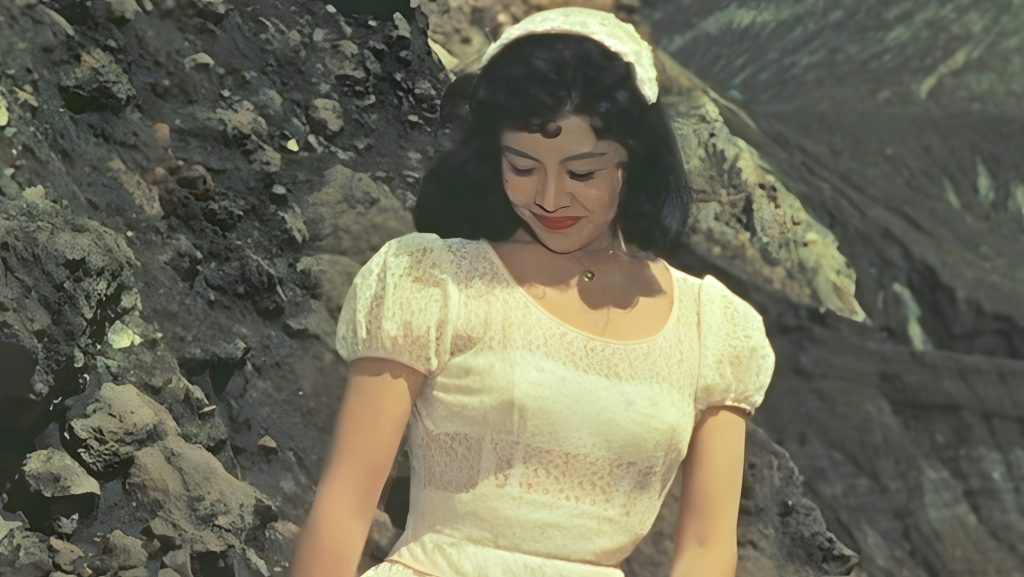
I also found myself fascinated by the mining town itself. The clothes, the homes, the way the mine operates, and the way everyone’s life revolves around the same industry give the opening a texture I certainly did not appreciate at nine. These people belong to a community. They know one another, depend on one another, and are apparently quite prepared to believe one of their neighbors has become a mass murderer. Small town life has its complications.
The first thirty minutes are among the film’s strongest. I was perfectly happy spending time with these people and their increasingly alarming bug problem. Waiting for the title monster never felt like waiting for the movie to begin.
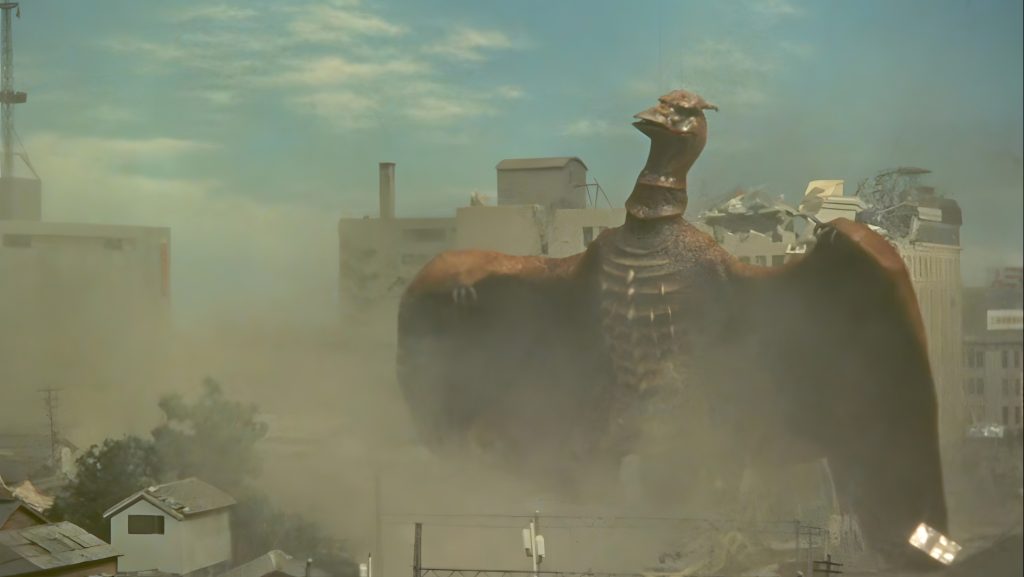
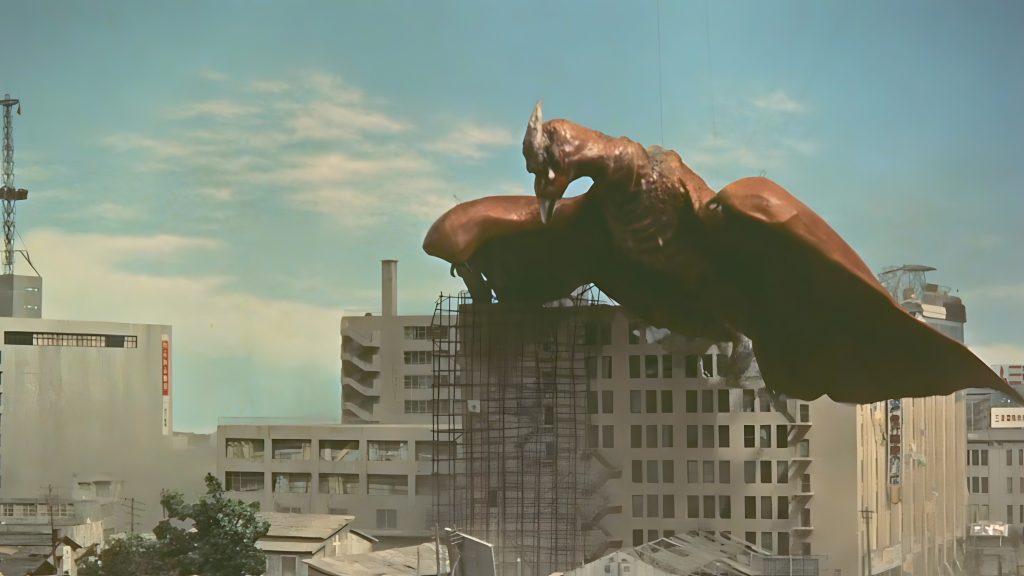
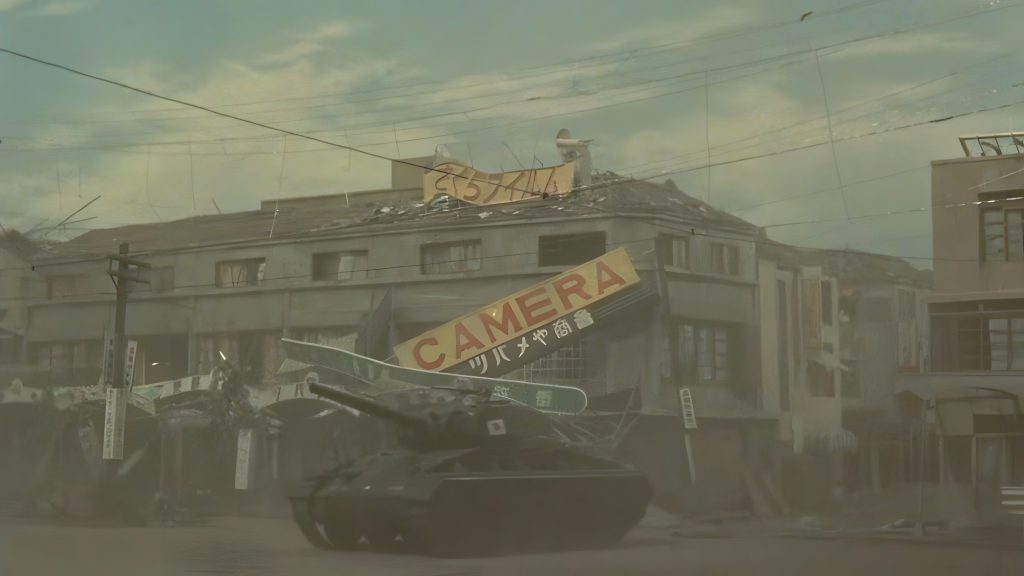
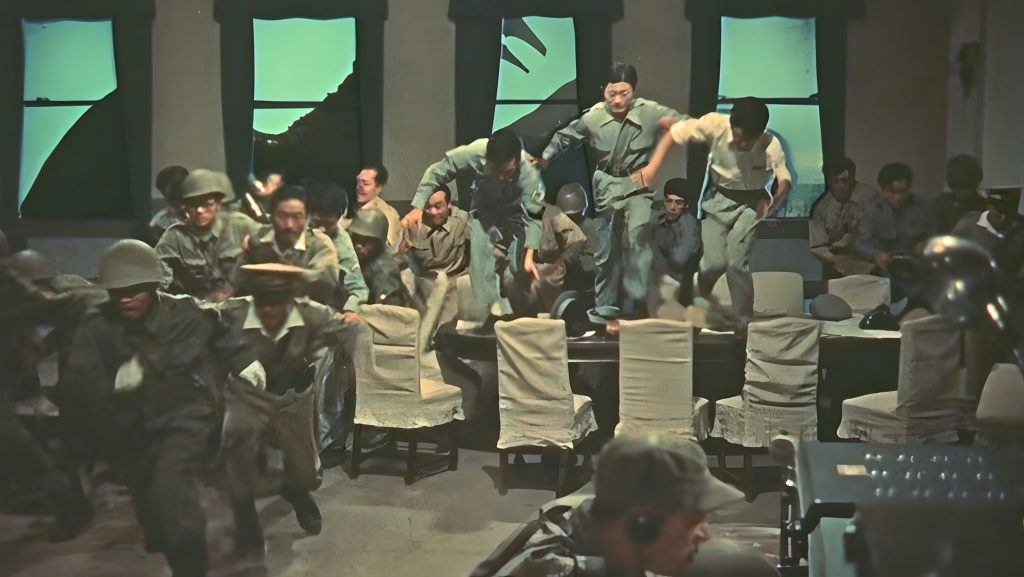
When Rodan does get down to business, there is a satisfying amount of city destruction. Perhaps not the most extensive demolition job in the genre, but enough collapsing infrastructure to remind us why we bought a ticket. There is a particular pleasure in watching a lovingly constructed miniature city have a terrible afternoon.
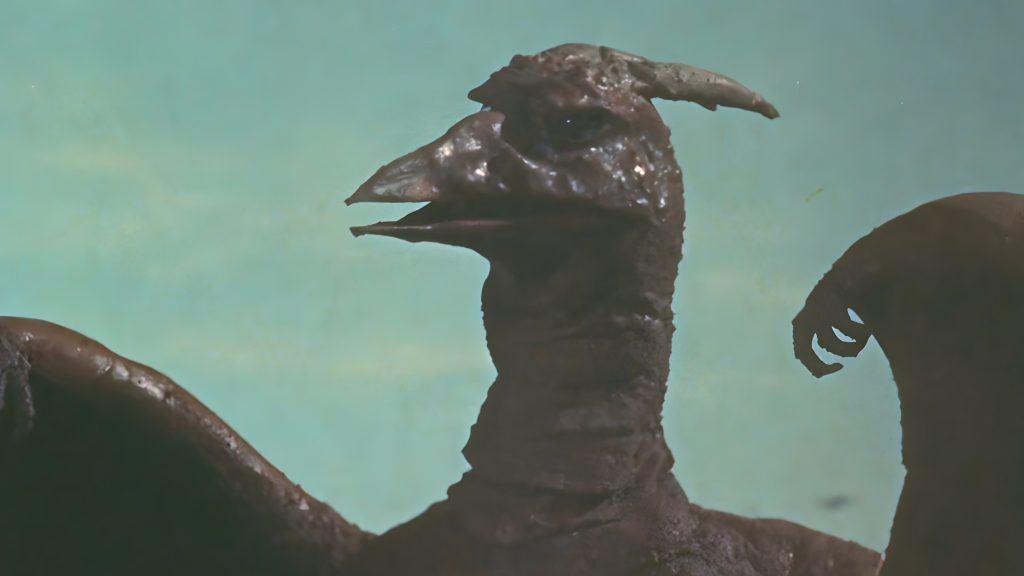
Oh, and baby Rodan is the cutest goddamn thing ever. I will entertain no arguments on this matter.
The Bad
The Bad: Nine-year-old me apparently had a considerably higher tolerance for visible strings.
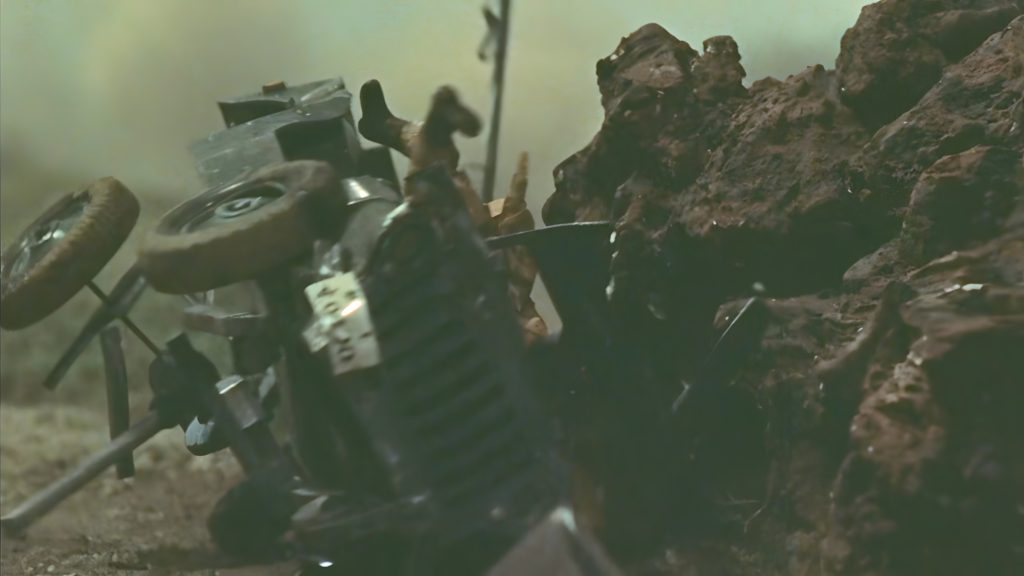
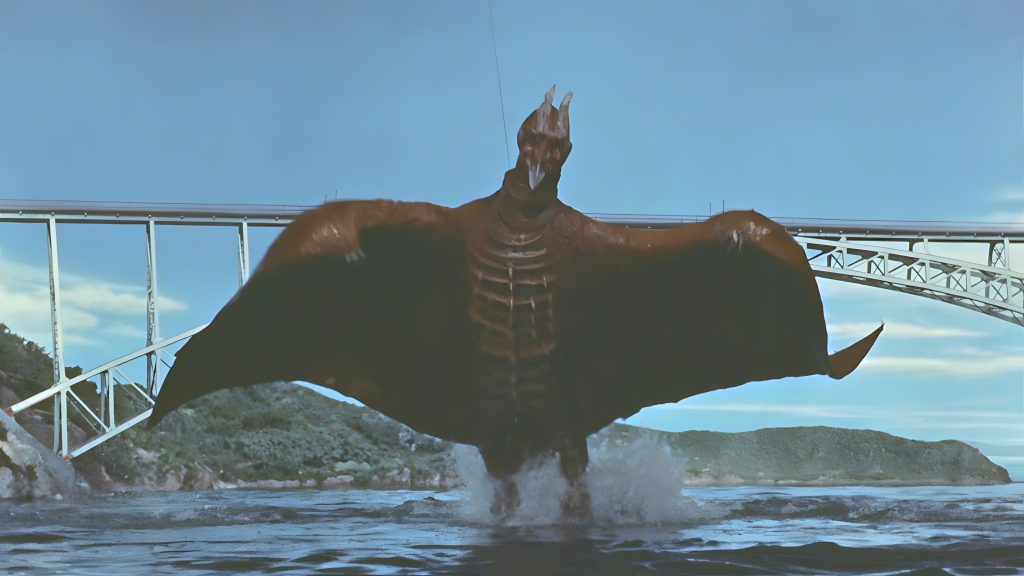
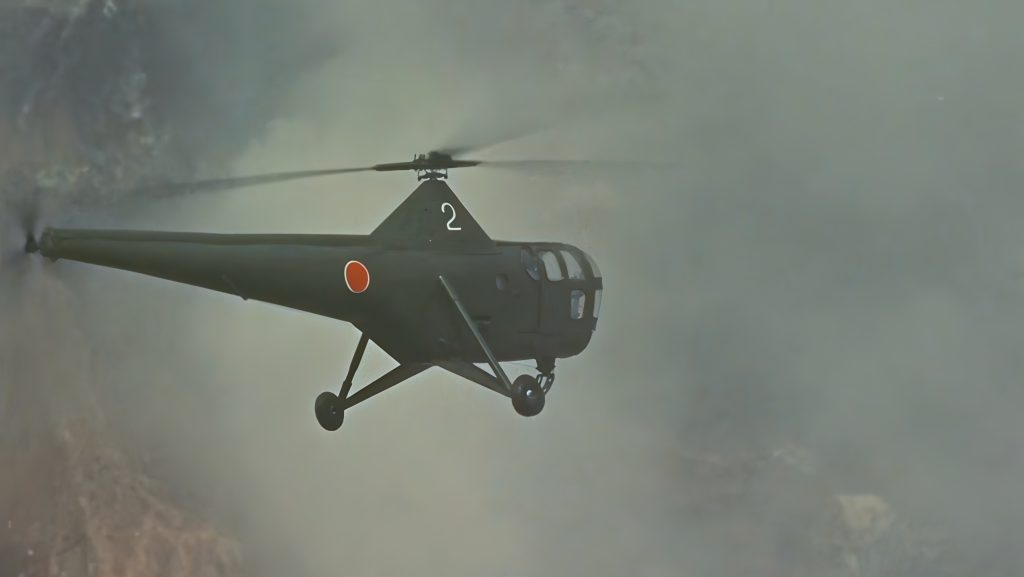
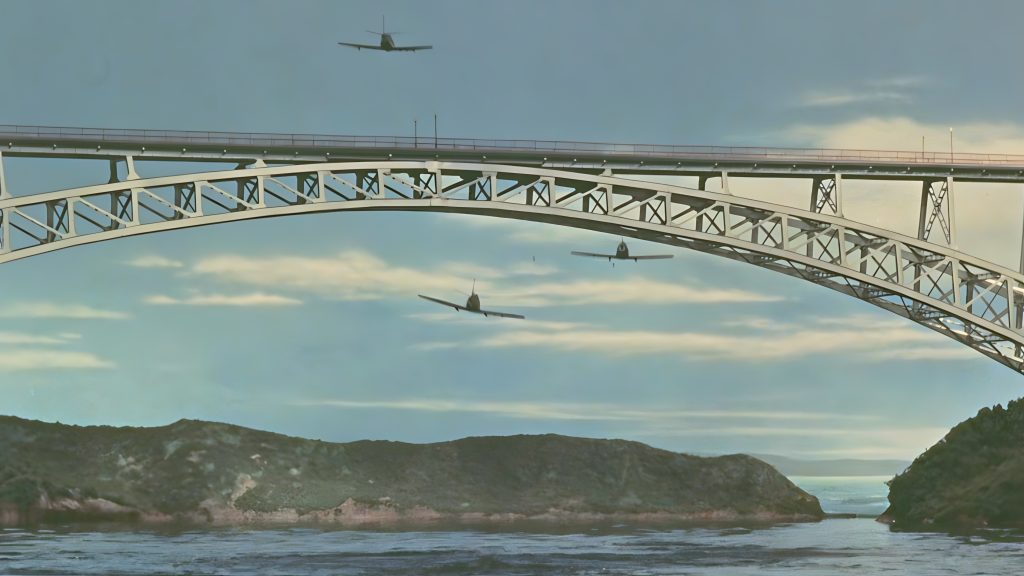
Some of the effects are, shall we say, enthusiastically assisted? Rodan takes flight on several occasions with help that is rather more apparent than one would prefer. There is also a shot of an insect monster being dragged across a field with two bodies attached that looks very much like an insect monster being dragged across a field with two bodies attached. Apparently, everyone looked at the footage and decided hirugohan was more important than a second take.
Perhaps the clearer Criterion presentation is giving away secrets that an old television kindly kept to itself. There are advantages to watching a movie on a screen where the monster, the wires, and half the surrounding countryside all share the same general lack of definition.
The larger disappointment is the ending. Without getting into the particulars, I remember the conclusion being genuinely sad. This time, it felt sudden and emotionally distant. I understood the tragedy the film was reaching for, but I found myself puzzling over the monsters’ actions when I should have been feeling something.
My previous viewings were of the American version, and I wonder whether the presentation of that version helped sell the moment. Or perhaps familiarity has blunted its impact. Or perhaps I have become a cruel, cynical person in my old age. All possibilities remain on the table.
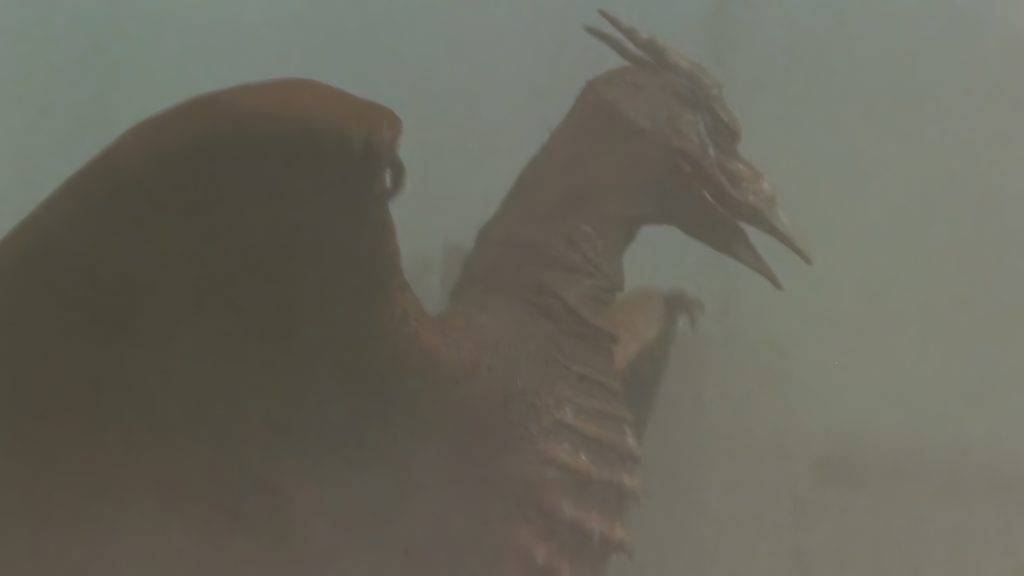
Note: After I wrote this review this bugged me so much that I checked the american ending. And it turns out I was not misremembering. The American cut (supervised by Frank King) really did sell the ending differently.
In the original Japanese version, the climax is played predominantly through Akira Ifukube’s somber score and the silent, stoic observation of the watchers. In the 1957 English dub, they lay on heavy, melodramatic narration from Kenji Sahara’s character (voiced by Keye Luke, no less) right over the final volcanic eruption. He explicitly explains the tragedy of the second Rodan choosing not to live without its mate, coupled with cries of emotional anguish from Kiyo.
Honestly the American version is the better one.
In the Japanese version the film seems to arrive at its conclusion before it has quite worked out how to bring us along emotionally. For a movie that spends so much time establishing its human community, it makes surprisingly little use of those people when it matters most.
The Ugly
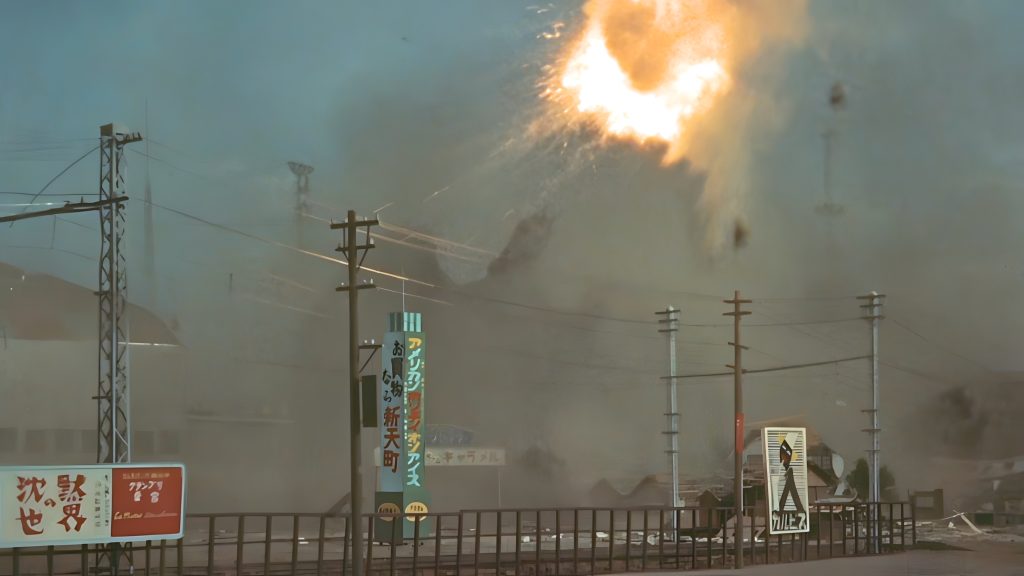
The Ugly: The military attacks the mountain. And attacks the mountain. And attacks the mountain.
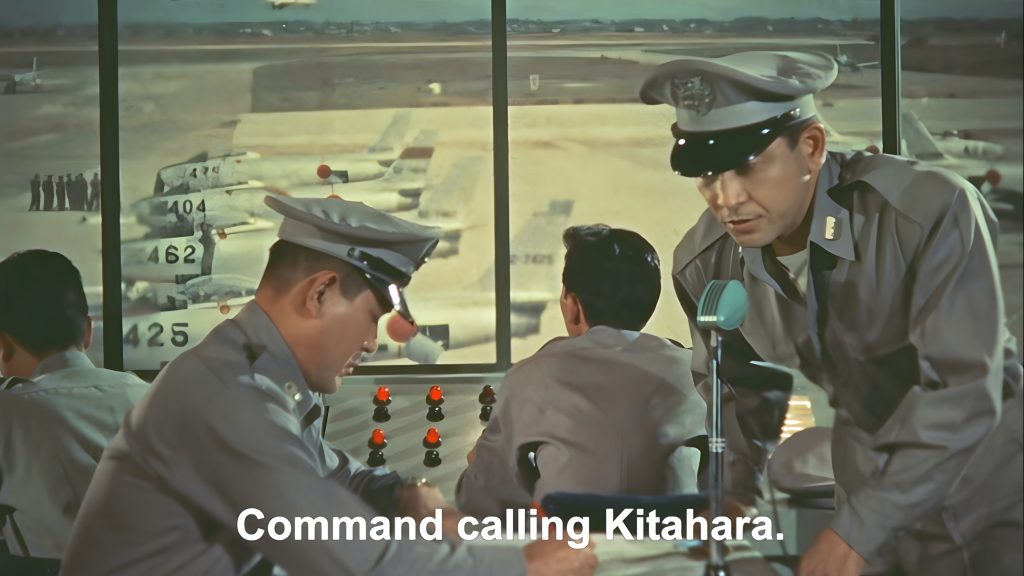
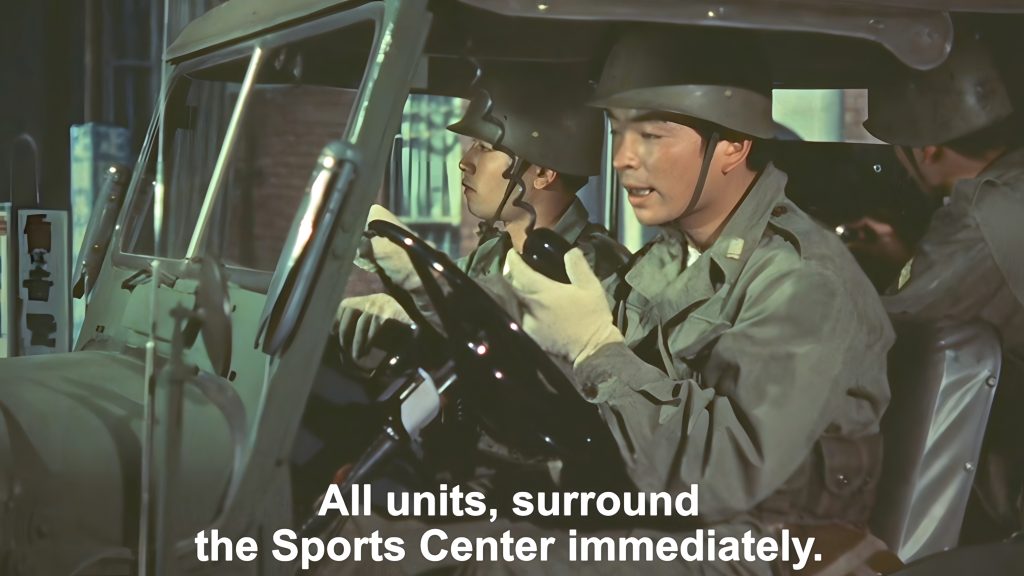
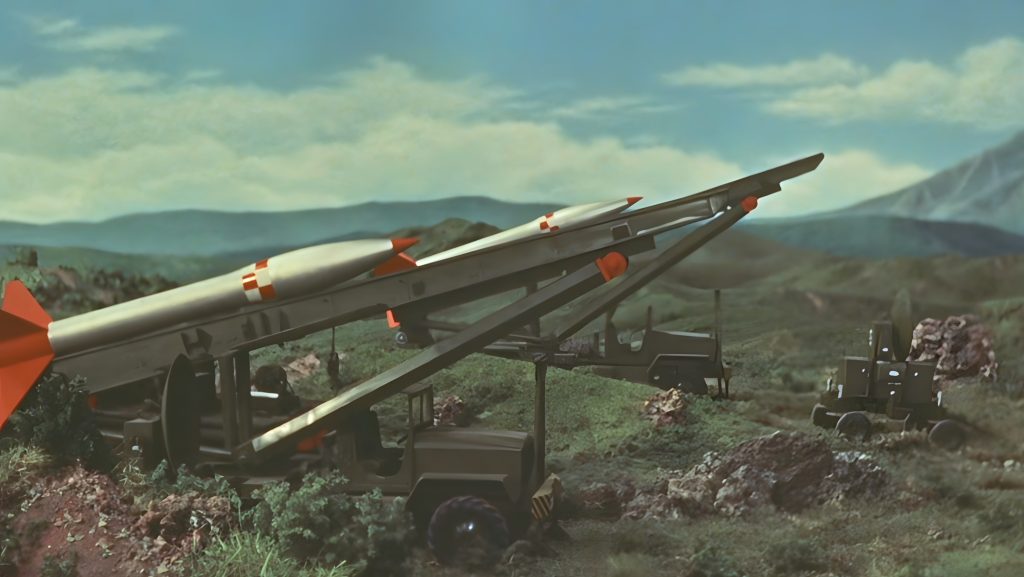
I had forgotten how much of the climax consists of tanks, artillery, rockets, and dirt being blown up. An extraordinary amount of dirt. If the objective was to defeat the mountain’s topsoil, this is one of the great military victories in cinema.
Unfortunately, watching repeated explosions becomes surprisingly dull when there is little conversation, little human interaction, and very little sense that each new barrage is giving us something the previous barrage did not. The central couple barely seems to exchange a word during the final stretch. People who helped make the opening compelling are reduced to spectators while the special effects department works through its remaining ammunition.
This is particularly frustrating because I liked the slower opening. I do not need a giant monster to appear every five minutes and knock over a department store. Give me an interesting community, a creepy tunnel, and something unpleasant moving in the water, and I am quite content. But endless shots of a hillside exploding are not a substitute for suspense.
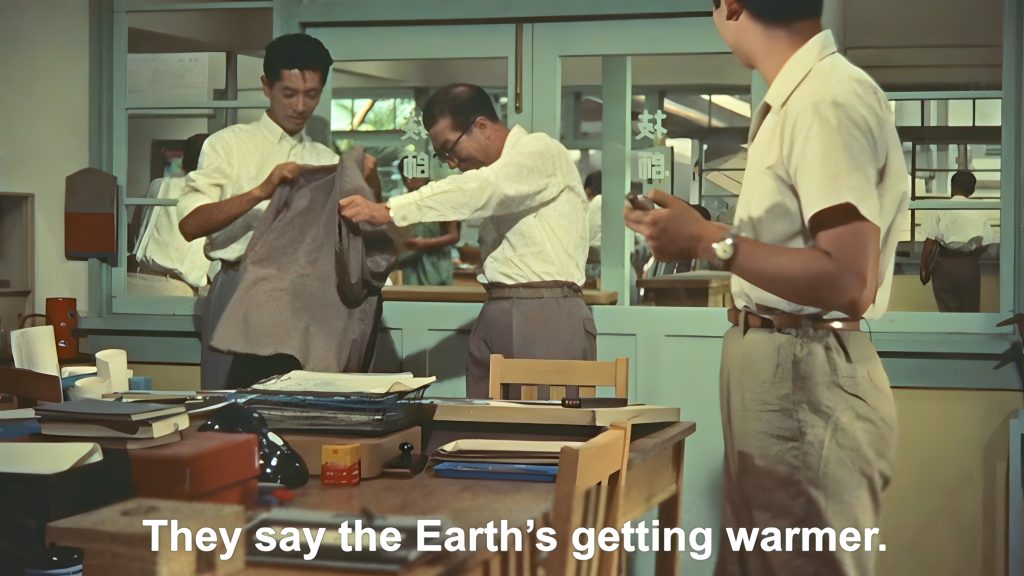
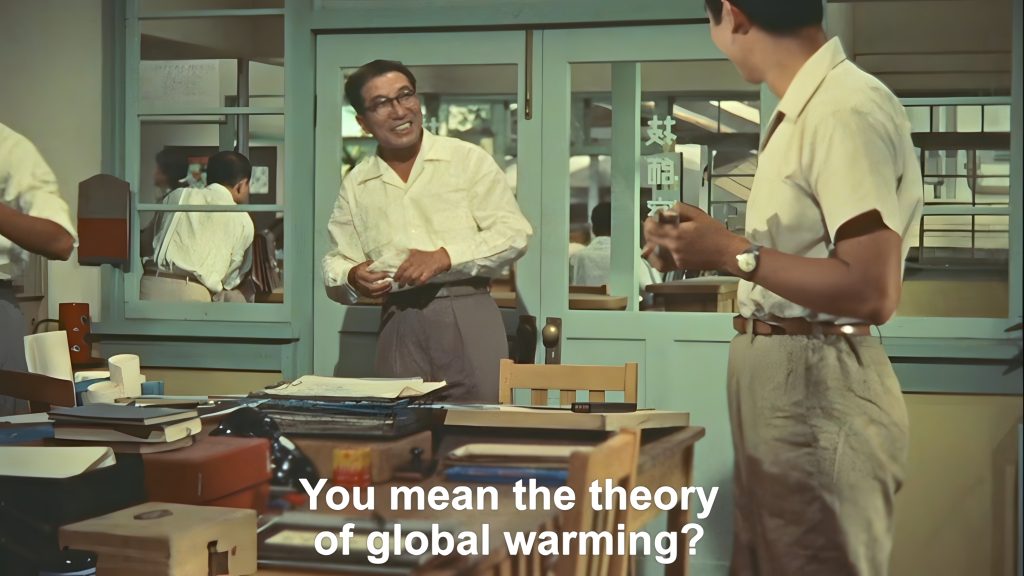
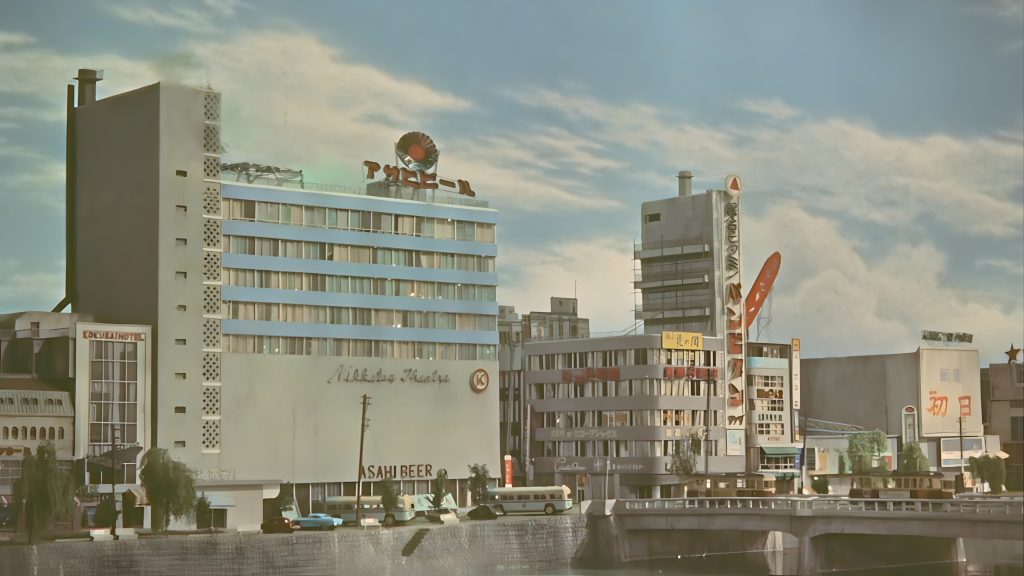
Elsewhere, the film offers a couple of unexpected period details. There is a bizarre blackface advertisement visible on a city street, which certainly earns a double take. And early on, the scientists discuss rising temperatures and melting polar ice caps and call it Global Warming. I was not expecting that conversation in a monster movie from 1956. Did Al Gore also watch Rodan as a teenager?
In Conclusion
In Conclusion: Rodan is not quite the flawless childhood favorite I had stored away in my head. Some of the effects show their strings. The military bombardment of the volcano badly needs an editor. The ending did not carry the emotional weight I remembered. Rodan also seems to forget its human characters in the last third. Not that the lead couple was knocking it out of the park on the charisma scale to begin with.
But the horror material remains remarkably effective. The mining town is interesting, the insect monsters are frightening, and the film delivers several grisly little images that linger longer than the collapsing buildings. Its first thirty minutes are strong enough that I would happily watch an entire movie built around that particular underground nightmare.
An eight out of ten? Yes, nostalgia is still helping with the lifting. I am hardly going to pretend that watching Rodan with my father in the late seventies on channel 11 has nothing to do with how I feel about it. But there is a good monster movie beneath those memories, and at its best, a very good horror movie.
This remains a Rodan household. No Strings attached.