It is no Deathsport
Wuthering Heights (2026): 4 out of 10: On the windswept Yorkshire moors, young Catherine Earnshaw (Charlotte Mellington) and an orphan boy named Heathcliff (Owen Cooper) grow up together in a household where money is disappearing, tempers are rising, and the concept of a happy childhood appears to have been abandoned several generations earlier.
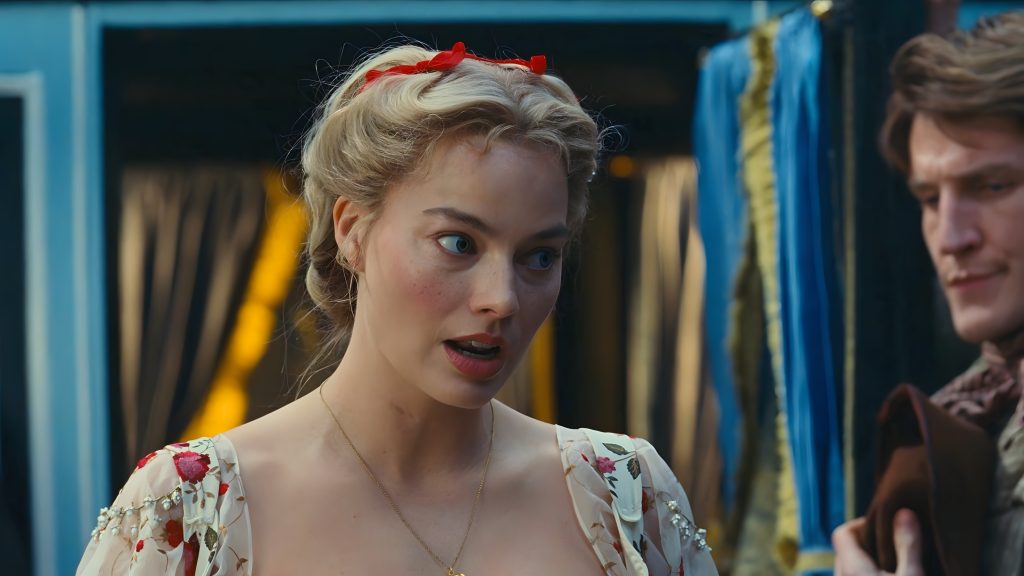
As the two grow older, their childhood attachment develops into something more complicated. Catherine (Margot Robbie) finds herself torn between her intense feelings for Heathcliff (Jacob Elordi) and the considerable financial advantages offered by wealthy neighbor Edgar Linton (Shazad Latif). Heathcliff, meanwhile, discovers that being passionately devoted to someone does not necessarily improve one’s prospects when that person prefers indoor plumbing and a substantial inheritance.
After a particularly unpleasant misunderstanding, Heathcliff disappears from the moors, returning years later transformed from an unkempt stable boy into a wealthy gentleman with excellent tailoring and a personality that could strip paint. His return reignites old passions and resentments, particularly when Edgar’s eccentric ward Isabella (Alison Oliver) develops an interest in the mysterious newcomer.
Before long, the inhabitants of these neighboring estates find themselves entangled in a complicated web of jealousy, obsession, revenge, and romantic decisions that would give the average marriage counselor a nervous breakdown.
The Good
The Good: I reviewed the 1939 version of Wuthering Heights some years ago, and I titled that review Wincest. For those unfamiliar with Emily Brontë’s novel, or at least one particularly interesting interpretation of it, there is a distinct possibility that Catherine and Heathcliff are actually half-brother and half-sister. Brontë never outright confirms this, but it can be assumed from the original text and is an intriguing possibility that adds another dimension to their obsessive relationship.
I have some sad news for Wincest fans. Emerald Fennell’s 2026 adaptation doesn’t go there. In fact, it doesn’t go to a lot of places. We will get to that in a moment.
First, let’s discuss what works because there are some genuinely impressive things about this movie.
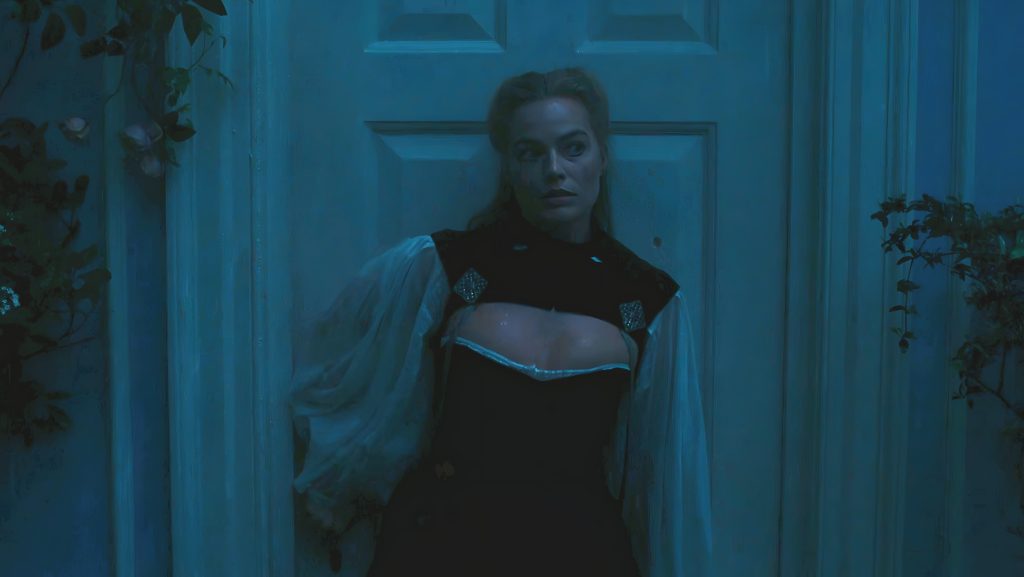
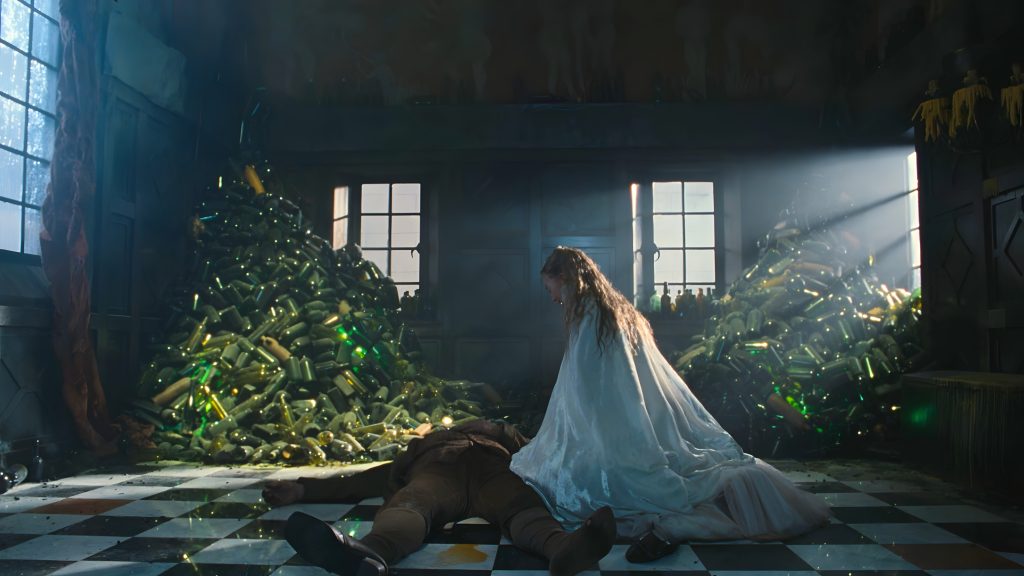
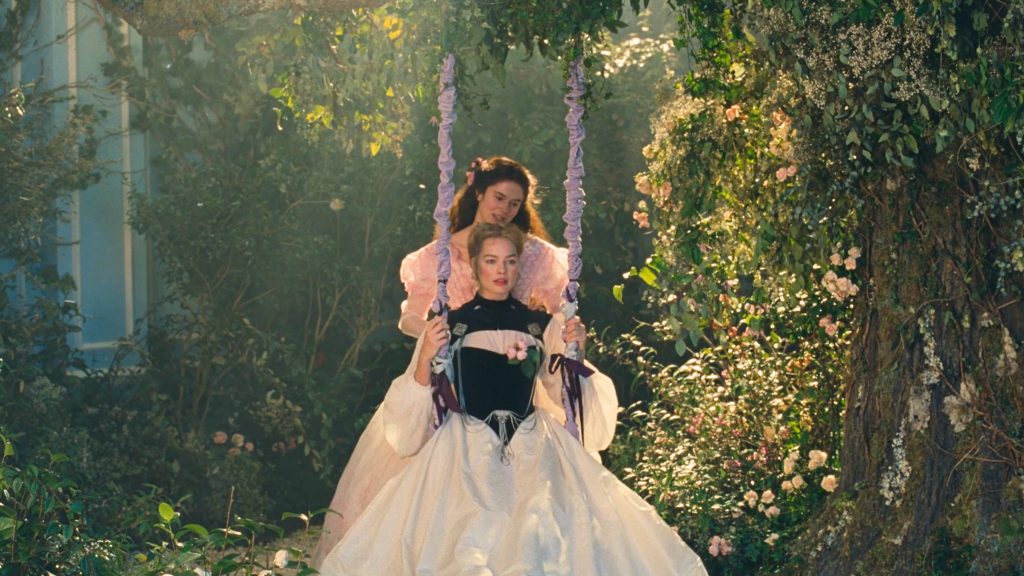
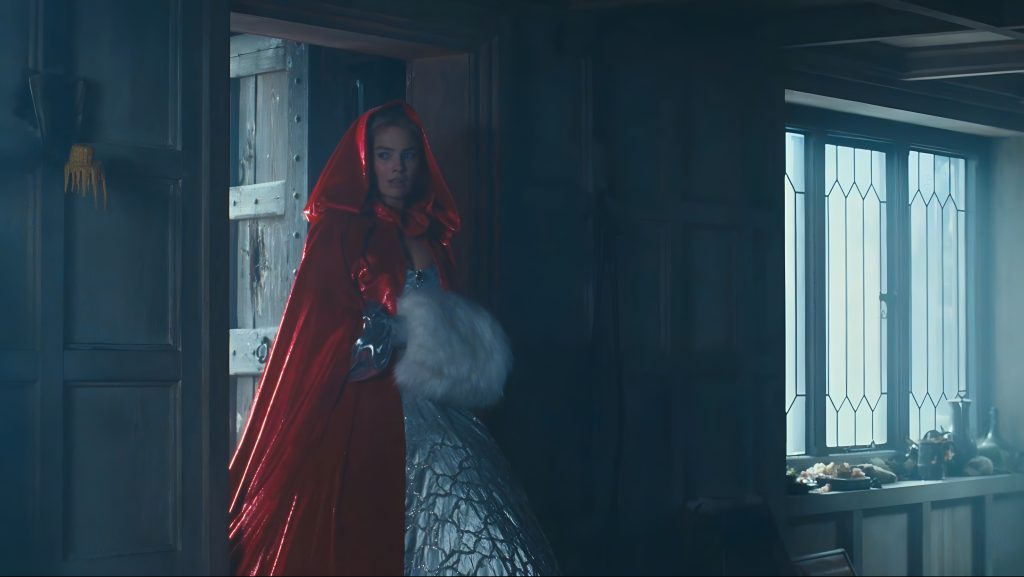
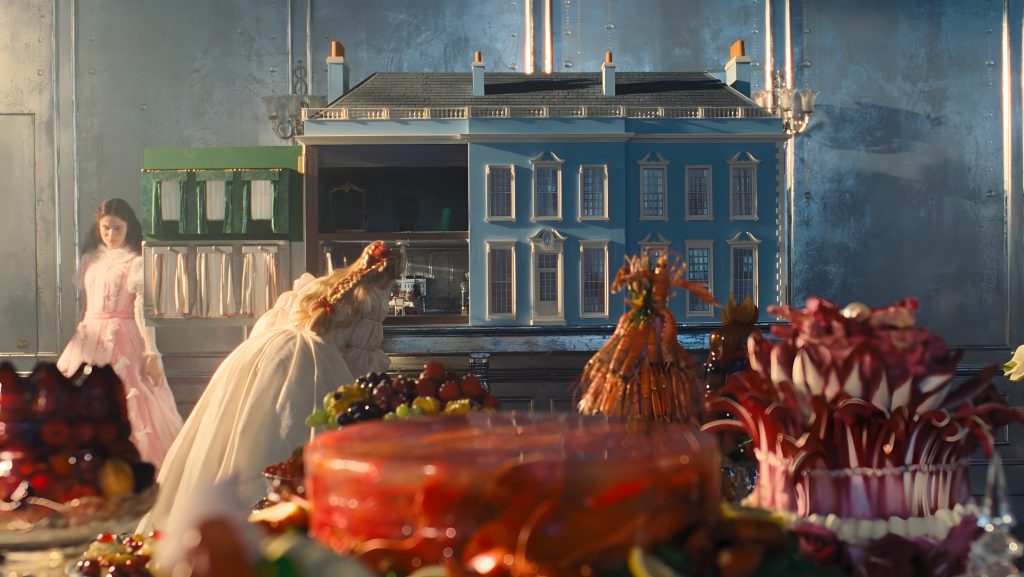
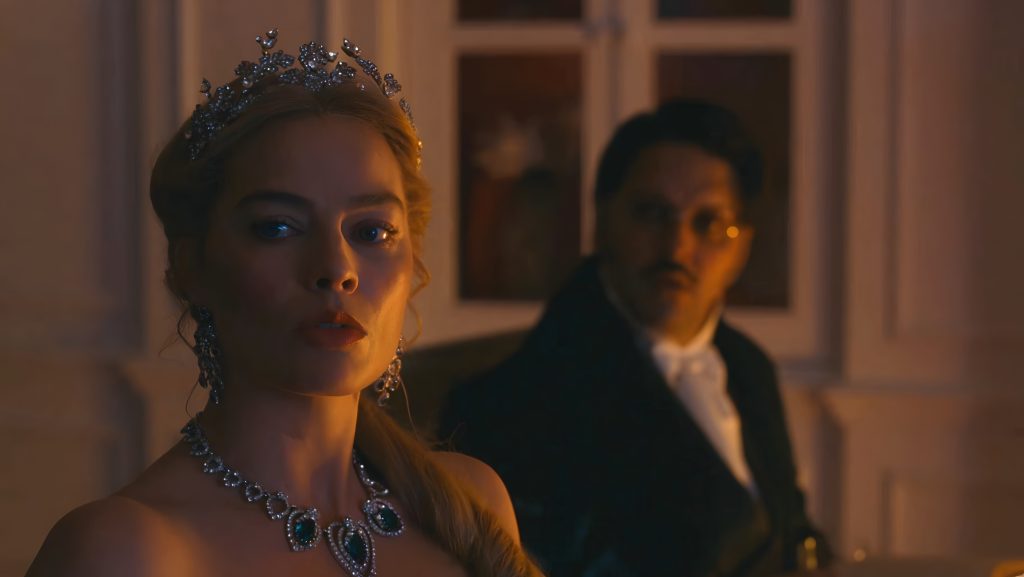
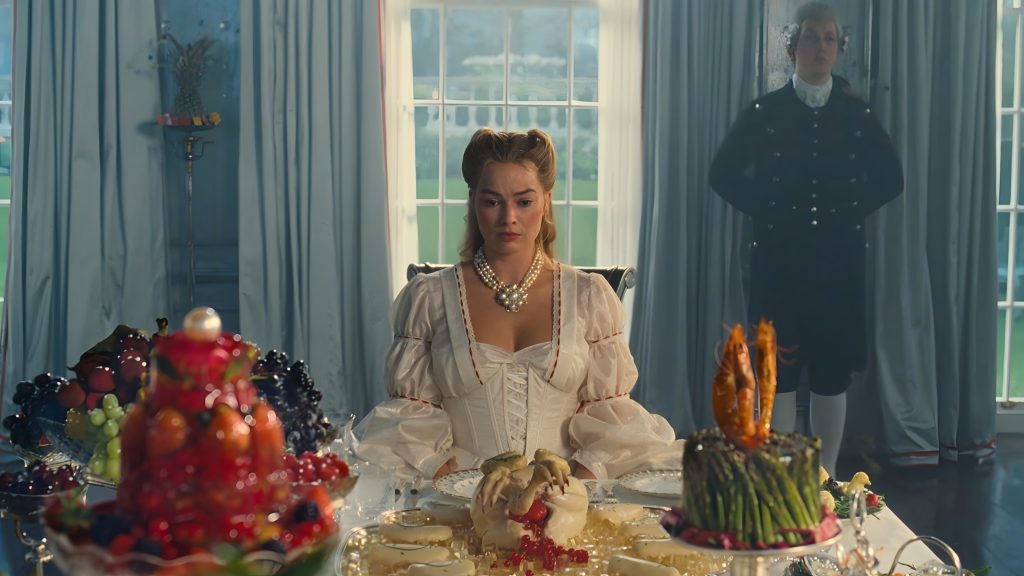
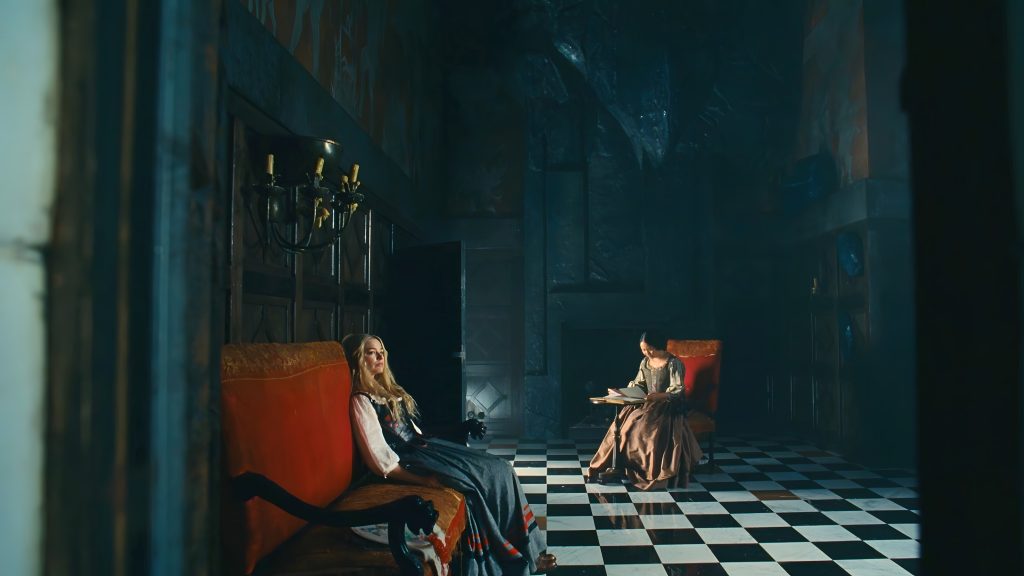
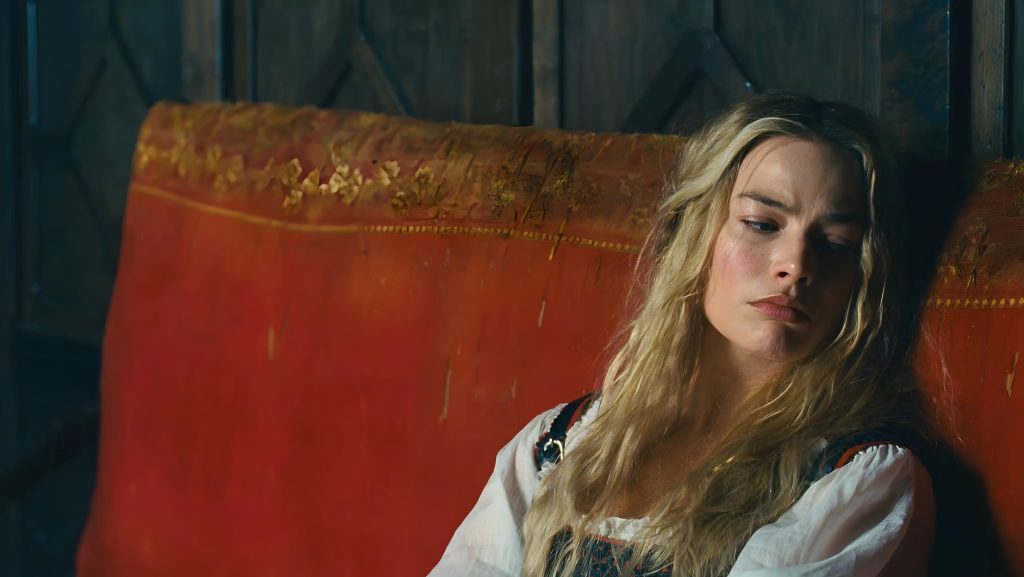
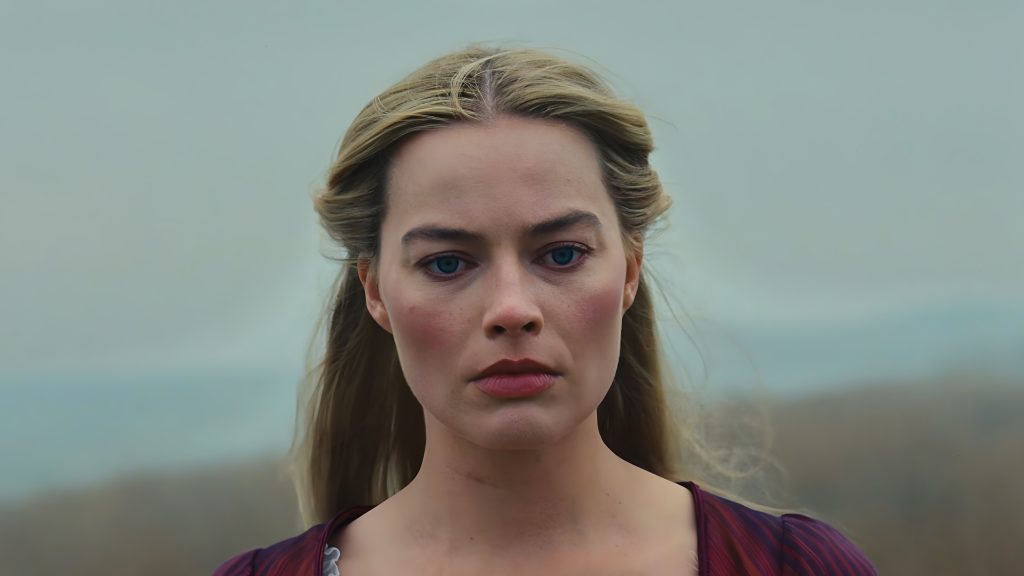
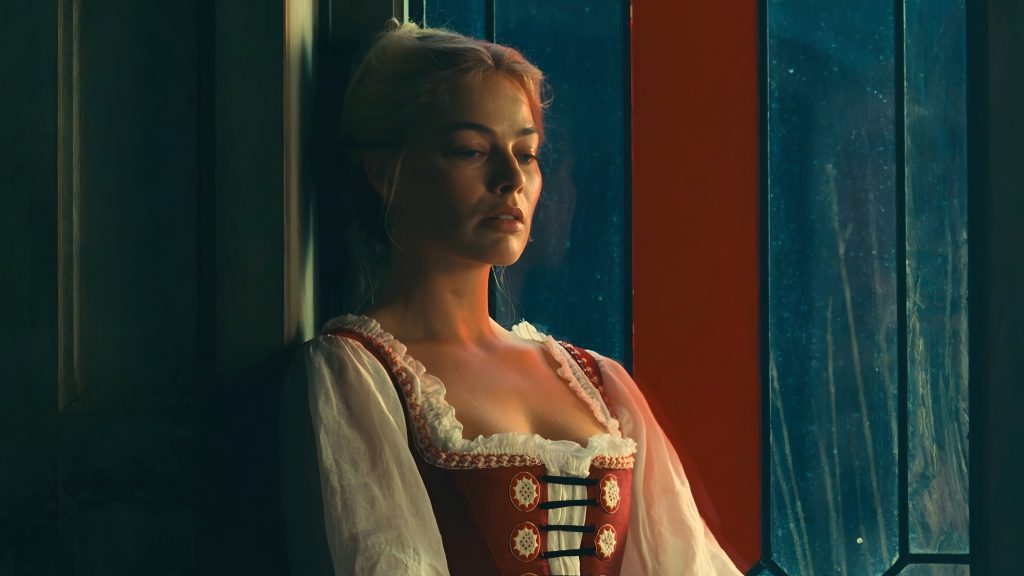
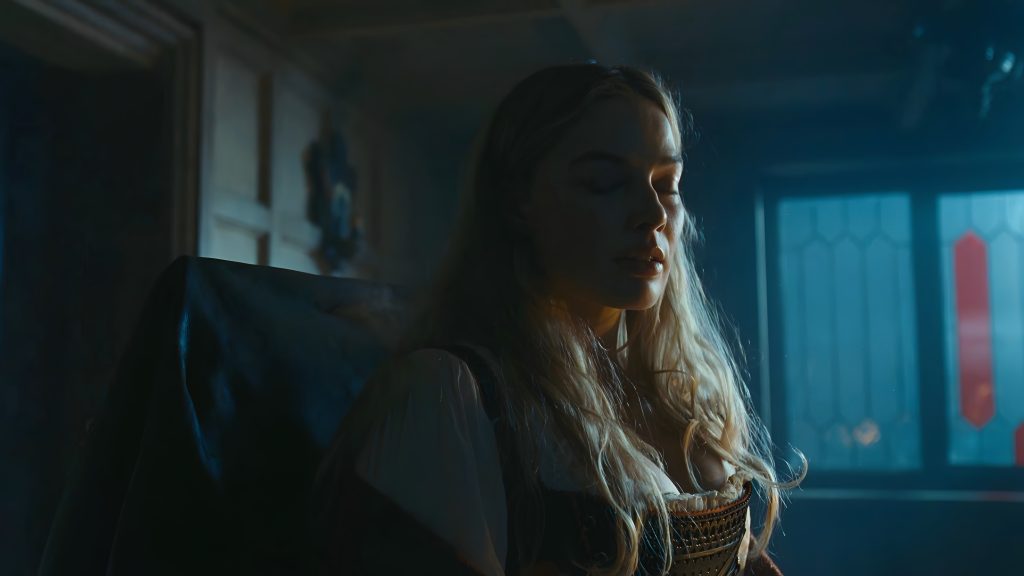
For starters, it is absolutely gorgeous. I am deliberately saying beautifully photographed rather than beautifully directed because I have some significant issues with the direction. But the cinematography, the sets, the costumes, and the overall visual presentation are spectacular.
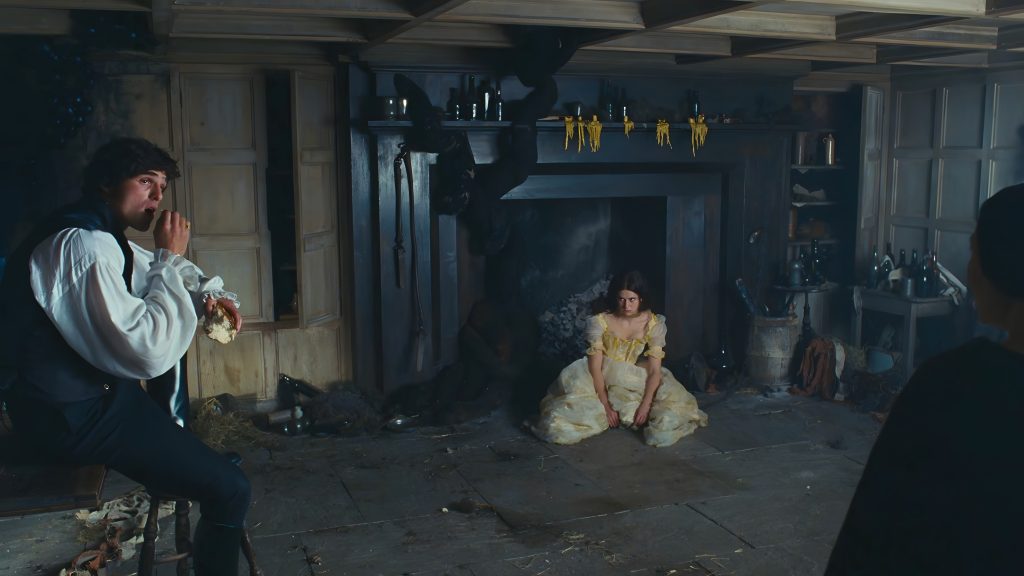
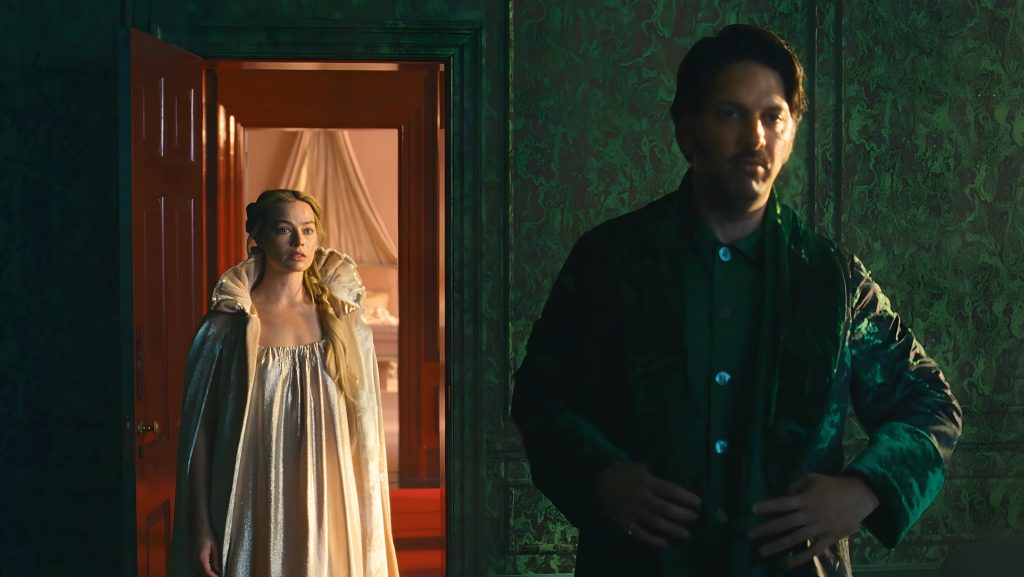
Fennell creates a world that seems to exist somewhere between A Clockwork Orange, The Shining, and a German Expressionist horror movie. The interiors are especially impressive, frequently looking less like nineteenth-century English country houses and more like something designed by Stanley Kubrick after a particularly troubling dream. Or perhaps H.R. Giger.
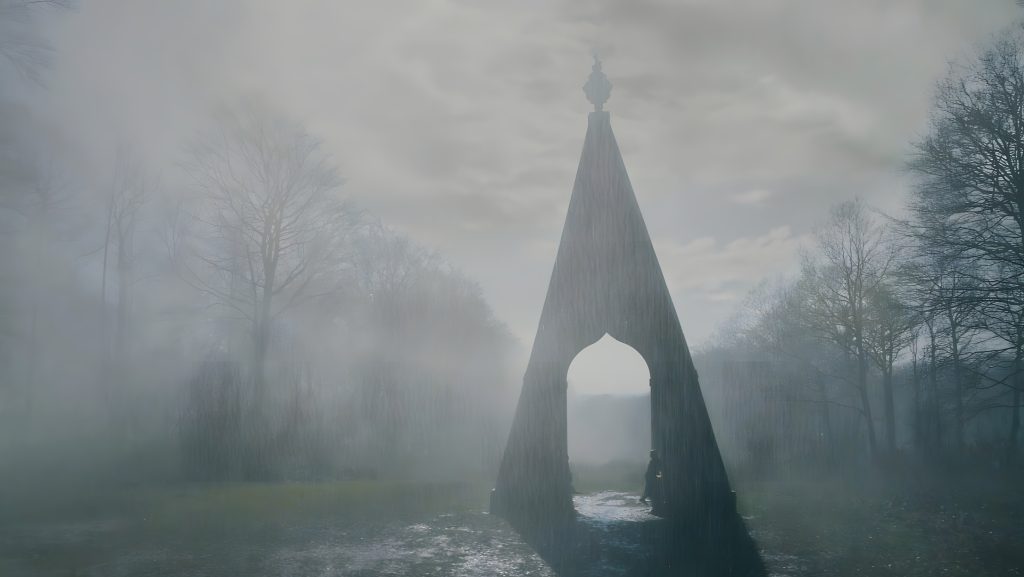
There is a wonderful artificiality to some of the sets. The colors, textures, and bizarre architectural flourishes give the film an otherworldly atmosphere that is entirely appropriate for a gothic romance about two thoroughly unpleasant people.
The costumes are similarly magnificent. Everyone looks fantastic, even when their finances suggest they should be wearing flour sacks. The wealthy inhabitants of Thrushcross Grange, in particular, appear to have spent more money on interior decorating than most European governments spend on infrastructure.
The soundtrack, featuring songs by Charli XCX, is also quite good. It is modern, occasionally strange, and certainly distinctive. The music doesn’t belong in a conventional period drama, which is precisely why it sometimes works. (Think Marie Antoinette.)
Unfortunately, as we will discover, the movie has a habit of taking something good and beating us over the head with it until we stop enjoying ourselves.
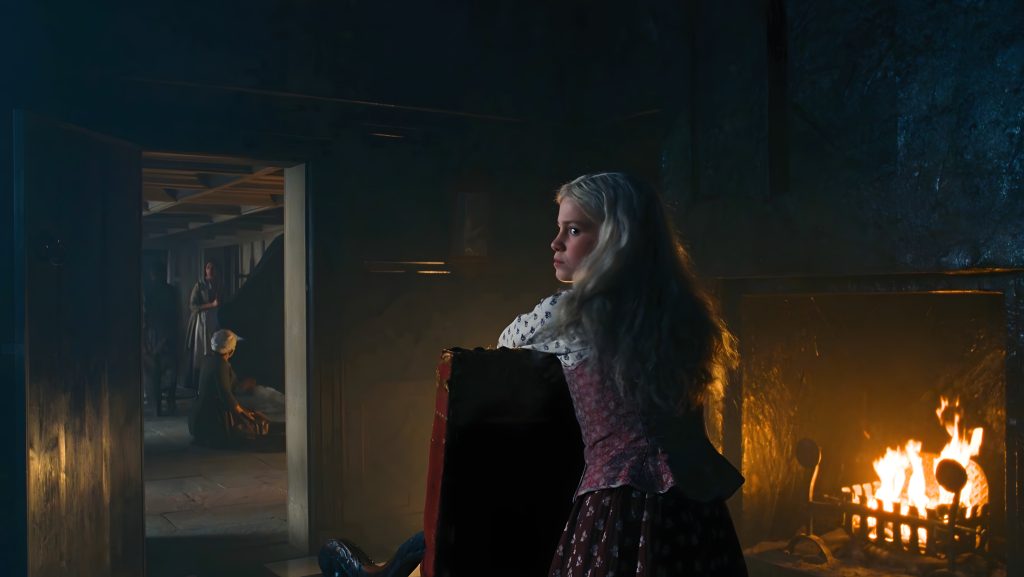
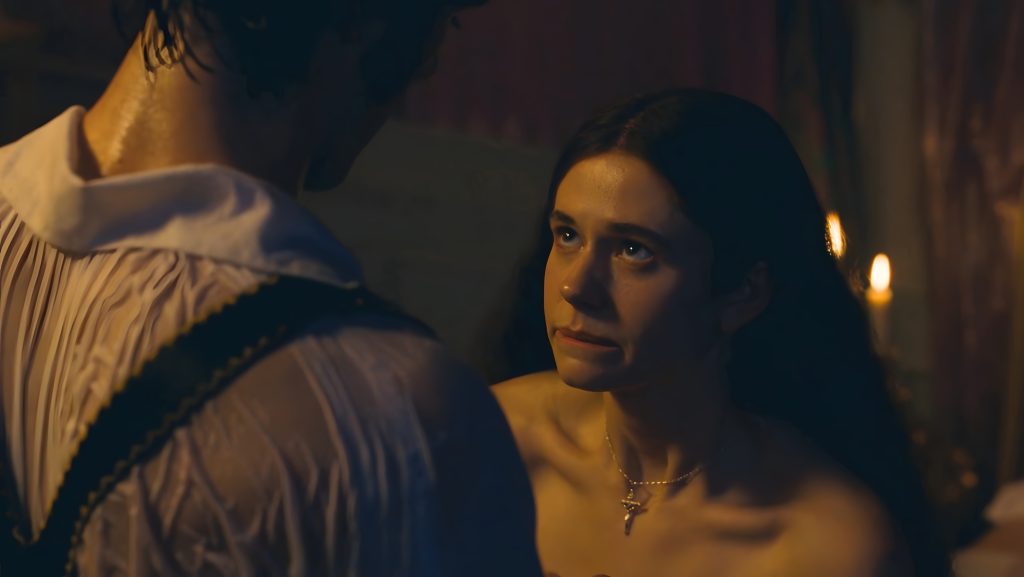
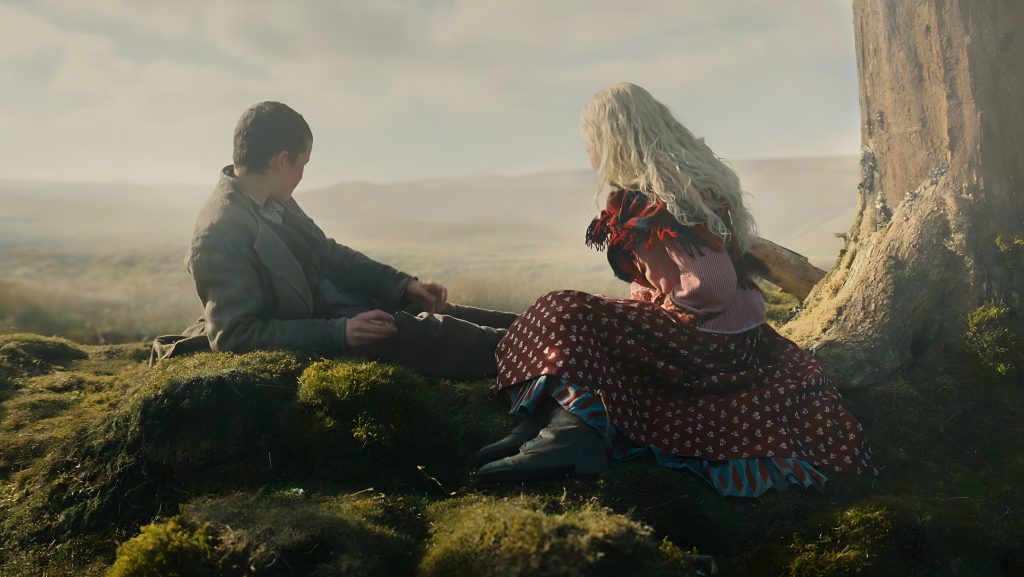
I also want to praise the two young actors playing Catherine and Heathcliff. Charlotte Mellington and Owen Cooper are excellent. Their scenes together are probably my second favorite part of the entire movie.
There is a genuine connection between them, and their relationship has a believable combination of childhood affection, adolescent curiosity, and the beginnings of something darker. They make a convincing case that these two people have grown up depending upon each other emotionally, even as the world around them becomes increasingly unpleasant.
I wish we had spent more time with them. Jacob Elordi is also excellent as the adult Heathcliff.
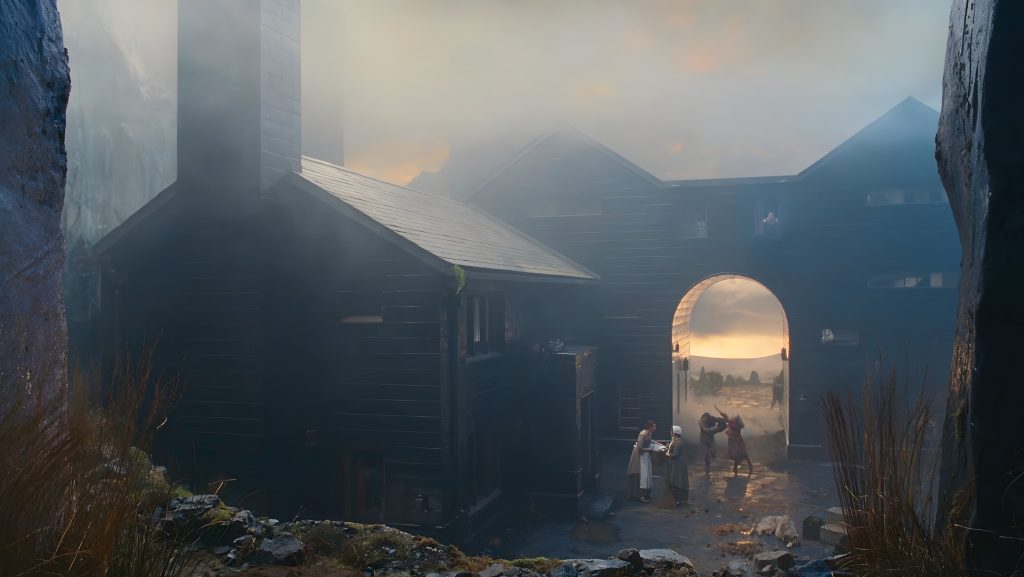
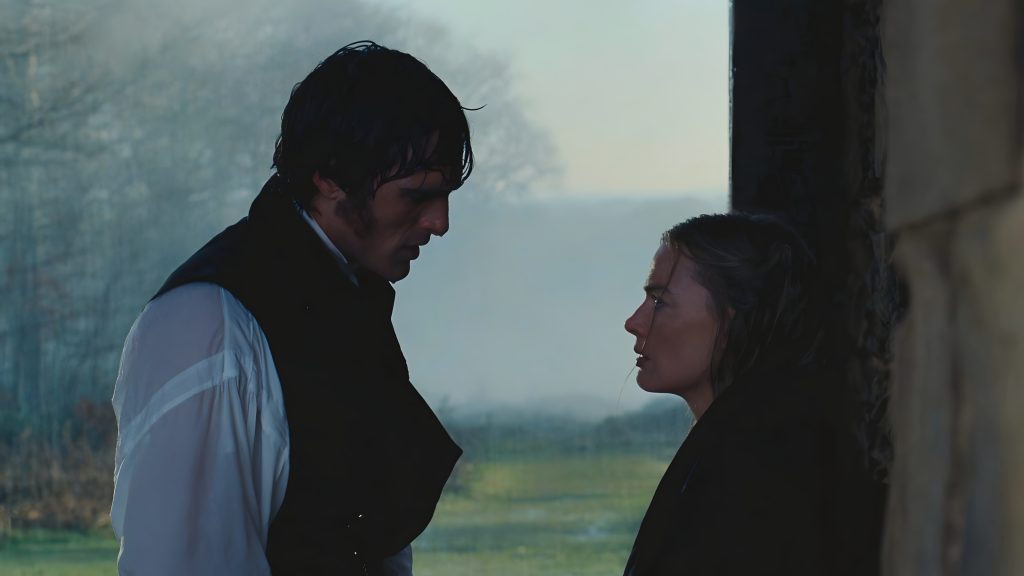
Heathcliff initially resembles a scruffy lumberjack who has never encountered a bath he couldn’t avoid. He spends much of his early adulthood looking like somebody who has been dragged backward through a hedge and then left out in the rain.
When Catherine decides to marry the wealthy Edgar, Heathcliff runs off in a huff to become a pirate, slave trader, international financier, or whatever employment opportunities were available to emotionally disturbed young men in early nineteenth-century England.
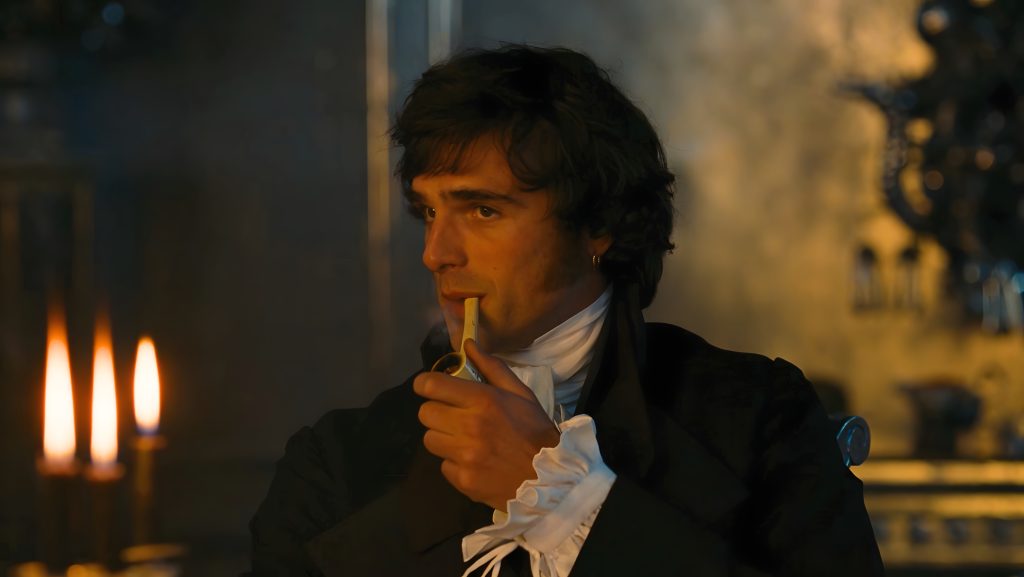
Nobody really explains where his money comes from. But when he returns, good Lord, what a transformation. Suddenly, Heathcliff looks as though he has stepped directly out of a Jane Austen adaptation. The clothes are immaculate; the hair is magnificent, and he has apparently discovered both soap and a competent tailor.
Elordi handles both versions of the character very well. He has the physical presence, the brooding intensity, and the underlying menace the role requires. He also understands something important about Heathcliff. Heathcliff is a horrible person. That is not a criticism of the performance. That is the character.
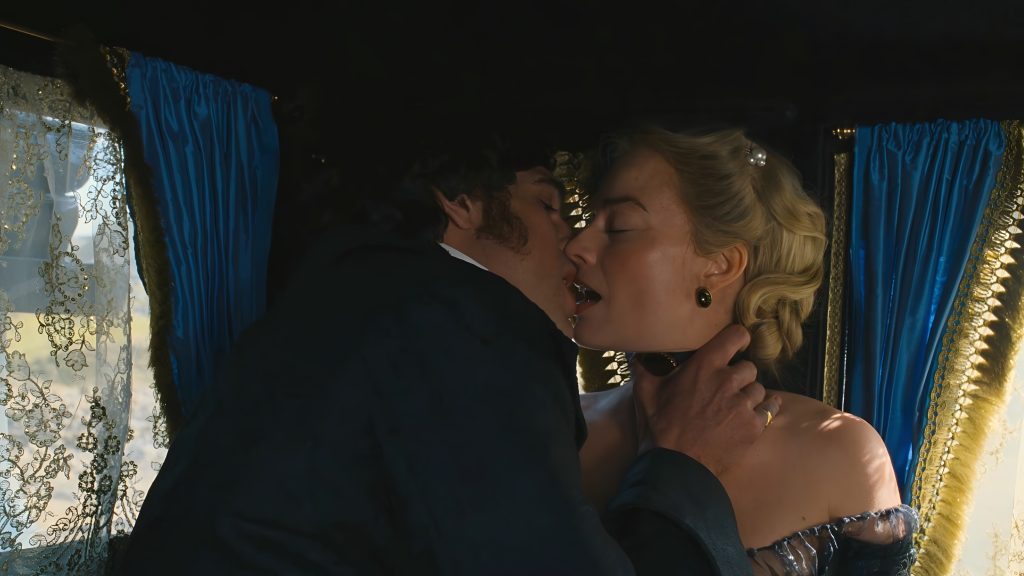
Catherine is a horrible person as well. This is not a story about two wonderful people who are tragically kept apart by circumstances beyond their control. It is a story about two selfish, cruel, emotionally immature people who manage to make themselves and practically everyone around them miserable.
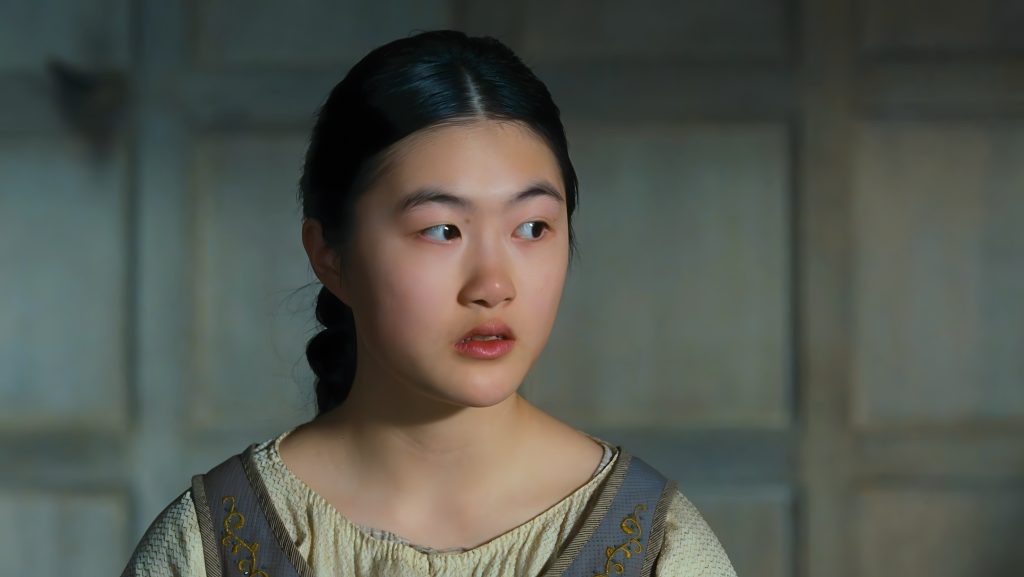
To her credit, Margot Robbie understands that element of Catherine’s personality. She has no problem portraying Catherine as manipulative, callous, and occasionally downright evil. Her treatment of Nelly (Hong Chau), the young woman who serves as her companion, provides a particularly good example of how casually cruel Catherine can be.
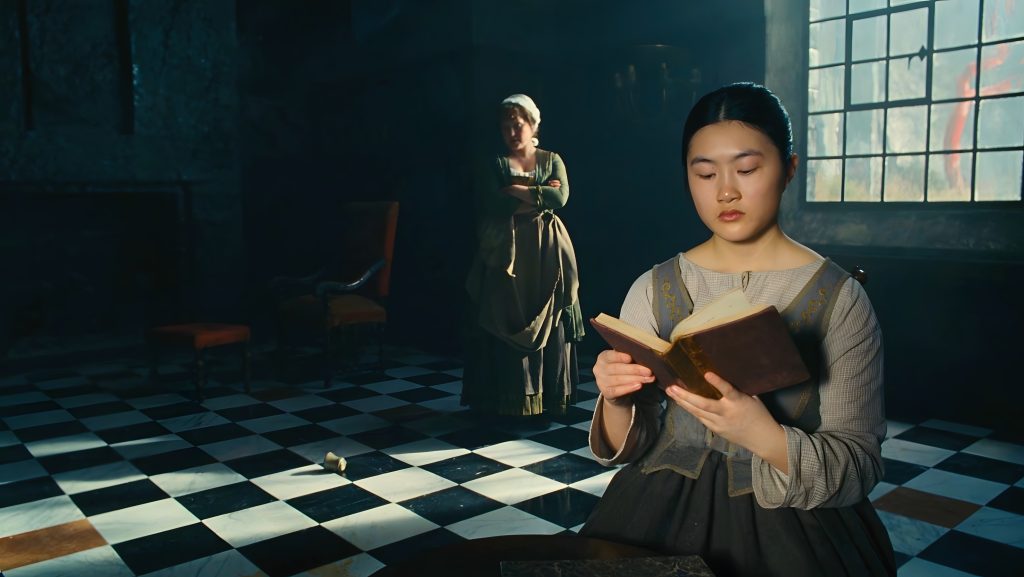
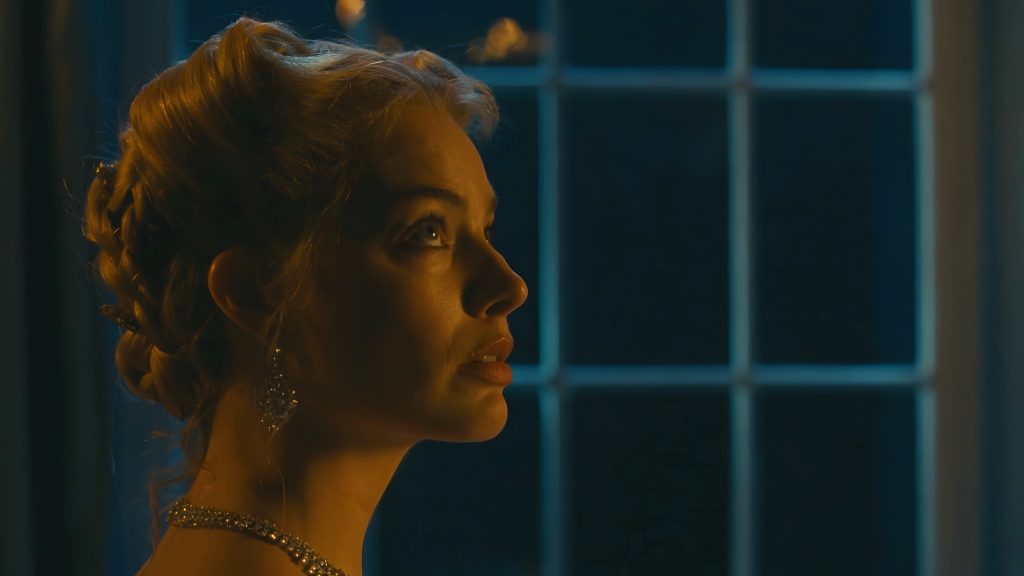
And finally, Alison Oliver as Isabella. We’ll be returning to her, because Oliver is responsible for the best part of this entire movie. Unfortunately, she also accidentally demonstrates just how badly the rest of it works.
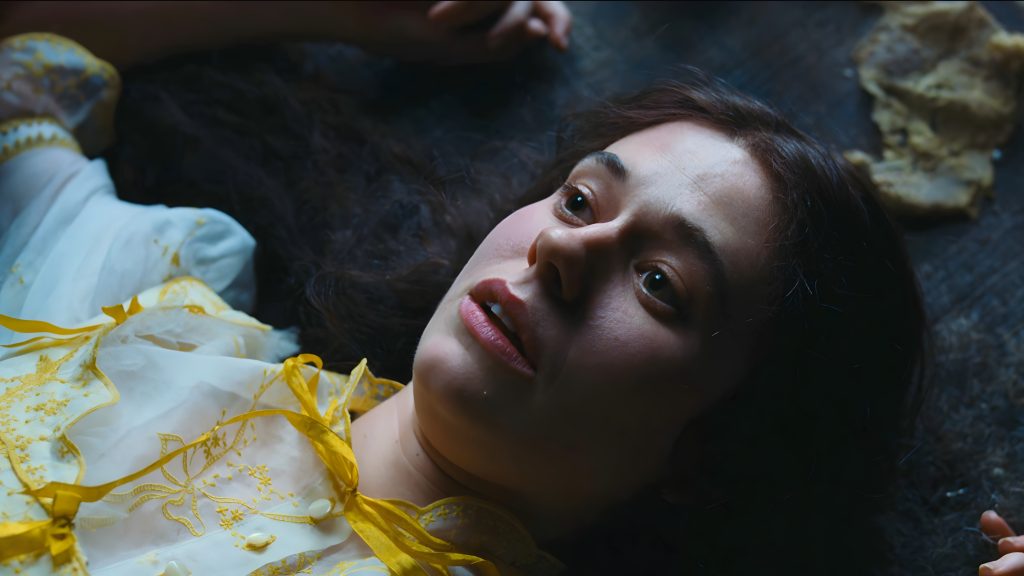
The Bad
The Bad: I’m going to begin with a rather sweeping statement. This isn’t really an adaptation of Wuthering Heights.
Yes, the characters are named Catherine and Heathcliff. Yes, there are some Yorkshire moors. Yes, everybody spends a tremendous amount of time being miserable. But Fennell has removed so many important characters, relationships, and motivations that the story no longer functions the way Brontë intended.
Now, I am not a purist when it comes to literary adaptations. You can change things. You can combine characters. You can modernize dialogue, alter settings, and trim subplots. You can have all but one character played by Muppets. Sometimes, those changes improve the material.
But there is a difference between changing the furniture in a house and removing the load-bearing walls. Fennell has removed the walls.
Let’s begin with Catherine’s brother, Hindley Earnshaw. He’s gone. Just gone.
This is an enormous problem because Hindley is one of the principal motivating forces behind Heathcliff’s behavior in the original novel.
Heathcliff is brought into the Earnshaw household as a foundling. Mr. Earnshaw favors him, but the other members of the family are considerably less enthusiastic about their new addition. Mrs. Earnshaw dislikes him, and Hindley resents him intensely.
One possible interpretation, and one that I find particularly compelling, is that Heathcliff is actually Mr. Earnshaw’s illegitimate son. That would explain the father’s peculiar attachment to the boy and add an uncomfortable dimension to the hostility he encounters from the rest of the family.
The possibility also means that Catherine and Heathcliff’s relationship might be incestuous. Suddenly, their obsessive childhood closeness is not merely a question of two young people from different social classes falling in love. There may be something considerably more disturbing going on.
Wincest, ladies and gentlemen. But even if you reject that interpretation entirely, Hindley’s role in the story is essential.
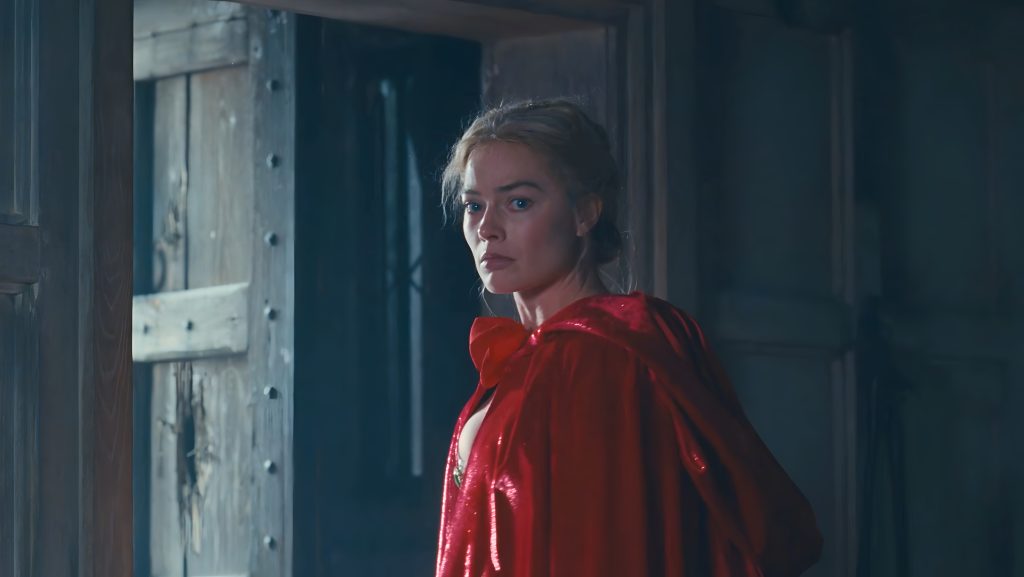
When Mr. Earnshaw dies, Hindley takes over Wuthering Heights and reduces Heathcliff from a member of the household to little more than a servant. He humiliates him, mistreats him, and makes his life miserable.
Heathcliff has a very good reason to hate Hindley. And when Heathcliff eventually returns with money and power, he has a very good reason to seek revenge. It’s not a particularly healthy reaction, mind you, but it is understandable.
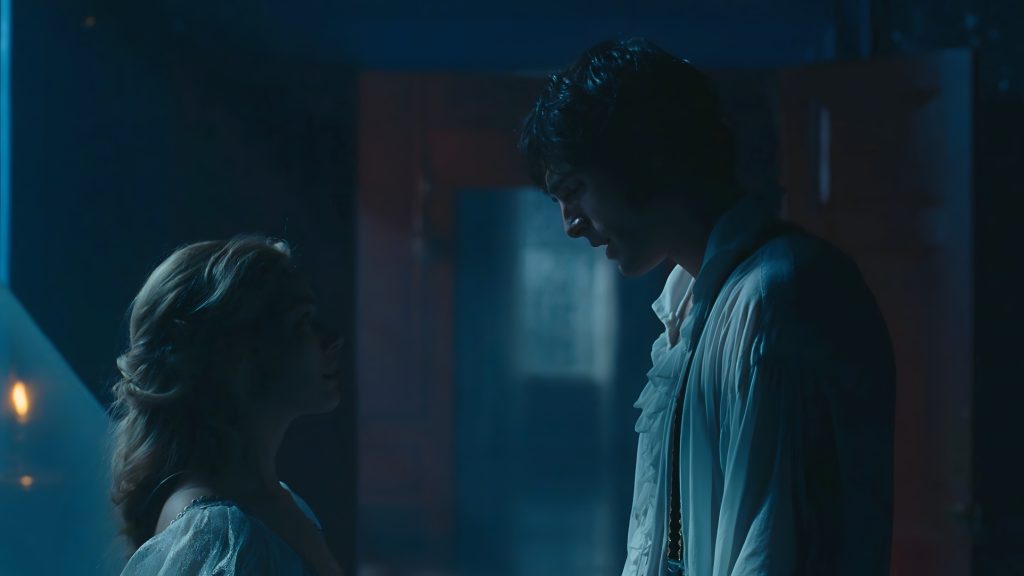
In Fennell’s version, Hindley doesn’t exist. The mother doesn’t exist either, and Mr. Earnshaw (Martin Clunes) has been transformed into an alcoholic gambling disaster who seems to spend his spare time terrorizing the household.
Now, I don’t dislike Clunes’s performance. He does a good job playing a thoroughly unpleasant man. But this creates a structural problem.
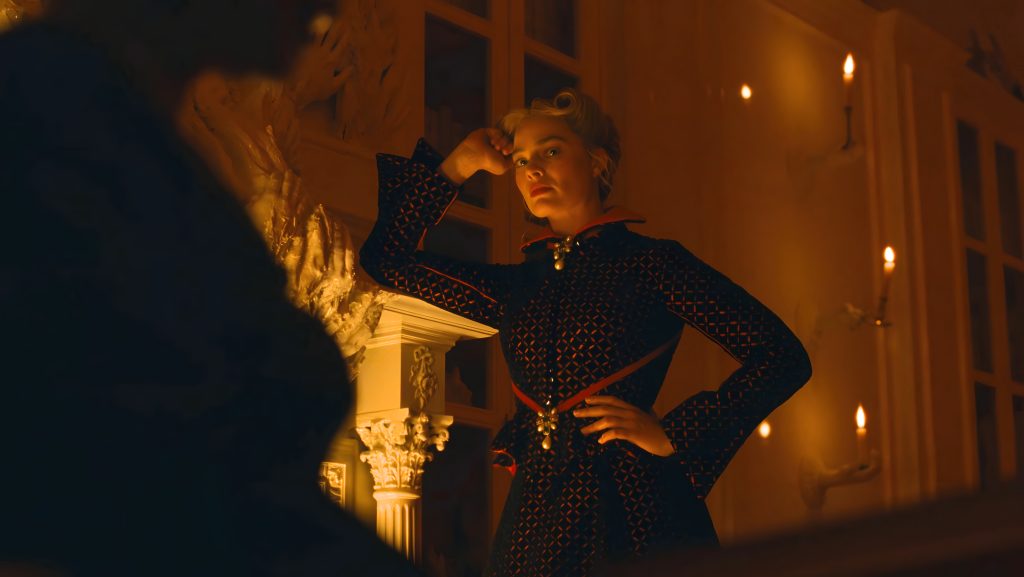
The father lives long enough to absorb much of Hindley’s original villainy, but he cannot perform Hindley’s later function in the story. By removing Hindley, Fennell has eliminated Heathcliff’s motivation for revenge.
The original story is a complicated tale of family resentment, class humiliation, possible illegitimacy, obsessive love, and revenge stretching across generations.
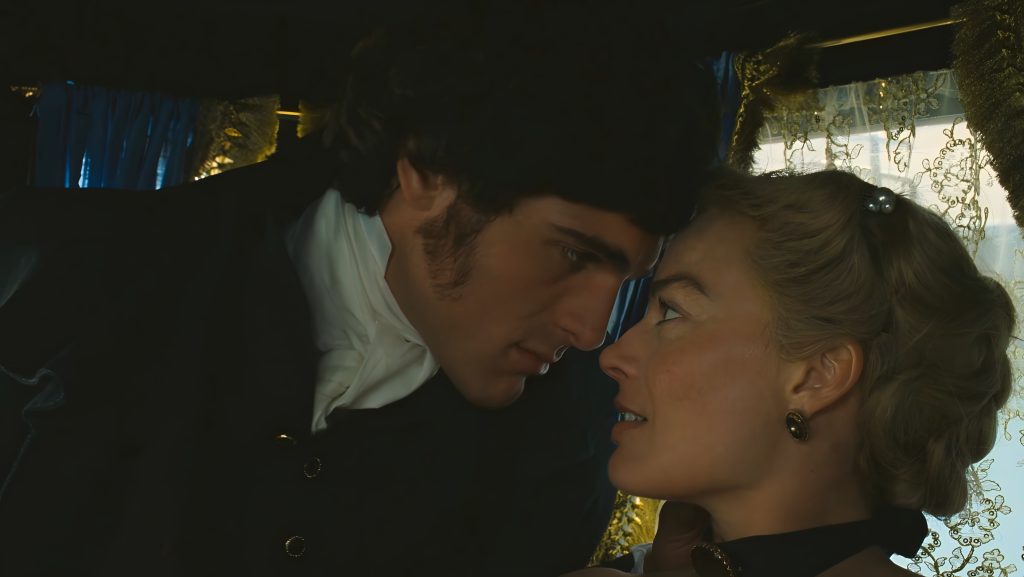
This version is largely about a man who overhears the woman he loves saying something unpleasant about him, gets upset, and runs off to become a pirate.
Yes, the overheard conversation is in Brontë’s novel too. The difference is that the original story has already established a lifetime of resentment, humiliation, and social conflict surrounding Heathcliff’s position in the household.
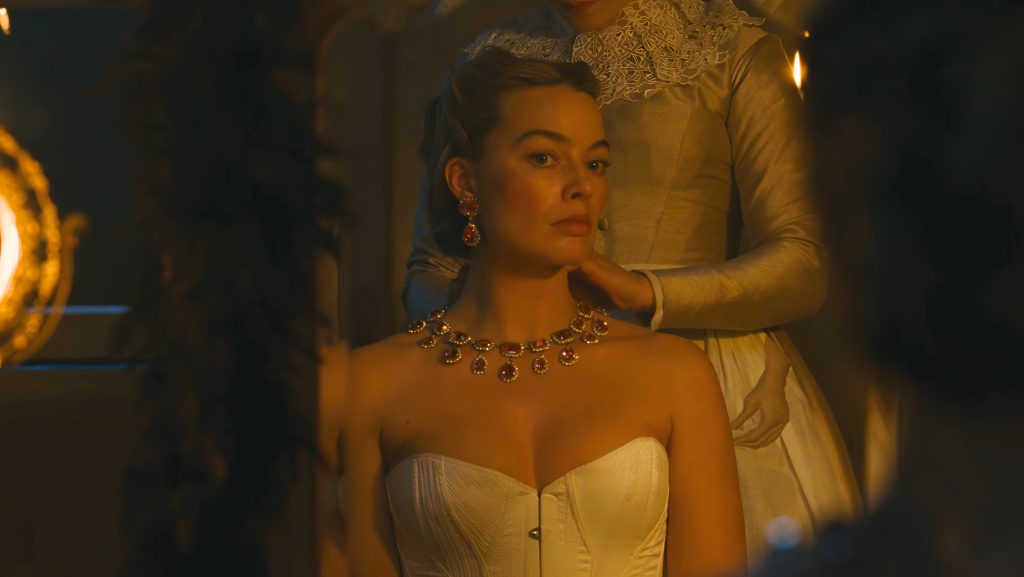
Here It becomes one of those Three’s Company misunderstandings where the entire plot could have been resolved if somebody had simply walked into the room and said, “Excuse me, what exactly did you mean by that?” Mind you a Three’s Company missing both Janet and the Ropers.
Instead, Heathcliff disappears for several years and returns with a fortune and an elaborate plan to make everybody miserable.I realize that talking things through would have made for a much shorter novel, but at least the original gives us considerably more compelling reasons for his behavior.
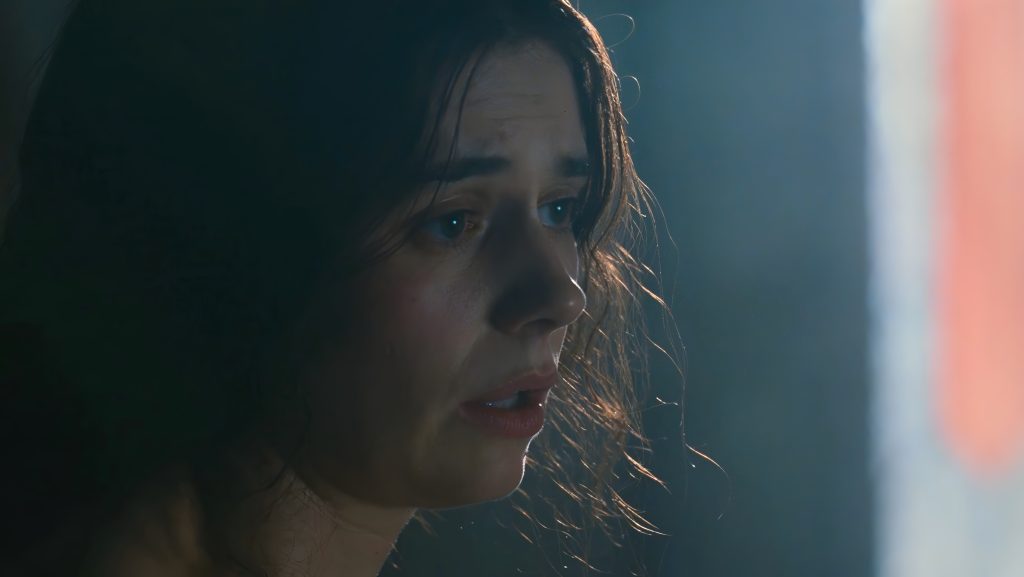
Then we have Isabella. In Brontë’s novel, Isabella is Edgar Linton’s sister. Heathcliff marries her partly because it provides him with another weapon against Edgar and Catherine. In this version, Isabella has been changed into Edgar’s ward.
Why? I honestly have no idea.
The relationship is still close enough to inconvenience Edgar, but removing the sibling connection weakens the familial revenge dynamic. It is another example of Fennell altering a relationship that already served a perfectly sensible dramatic purpose.
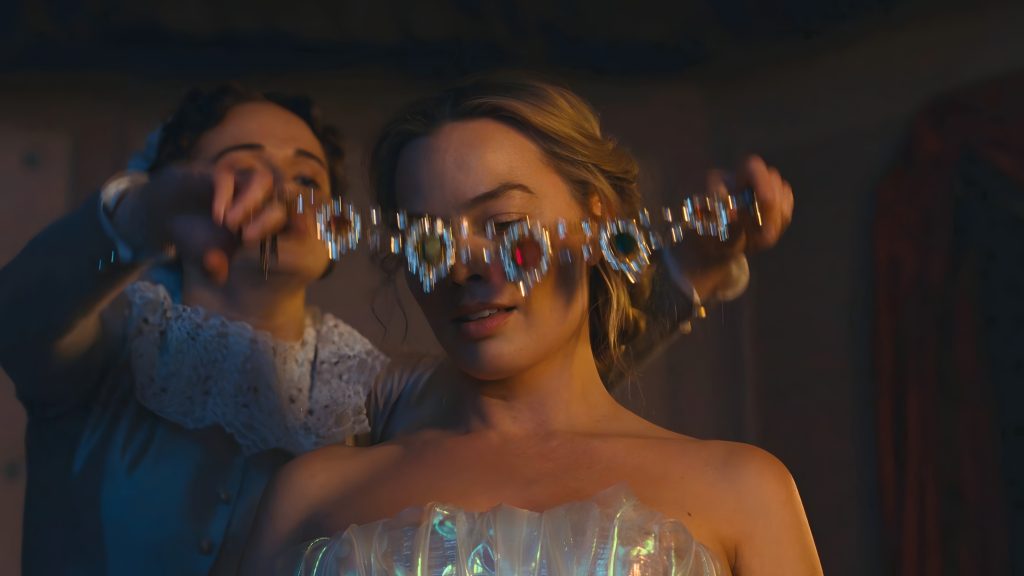
By the time we’re finished, we have a revenge story in which the principal objects of revenge have either disappeared, been replaced, or had their relationships changed.
It’s like remaking Gone with the Wind but removing the Civil War and slavery.
Sure, you can keep Scarlett O’Hara wandering around a large house in Georgia. You can keep Rhett Butler, Ashley Wilkes, and the romantic complications. You can even give everybody magnificent costumes. But when you remove the historical forces driving the story, you have eliminated most of the characters’ motivations.
Nobody is making a dress out of the curtains in that version.
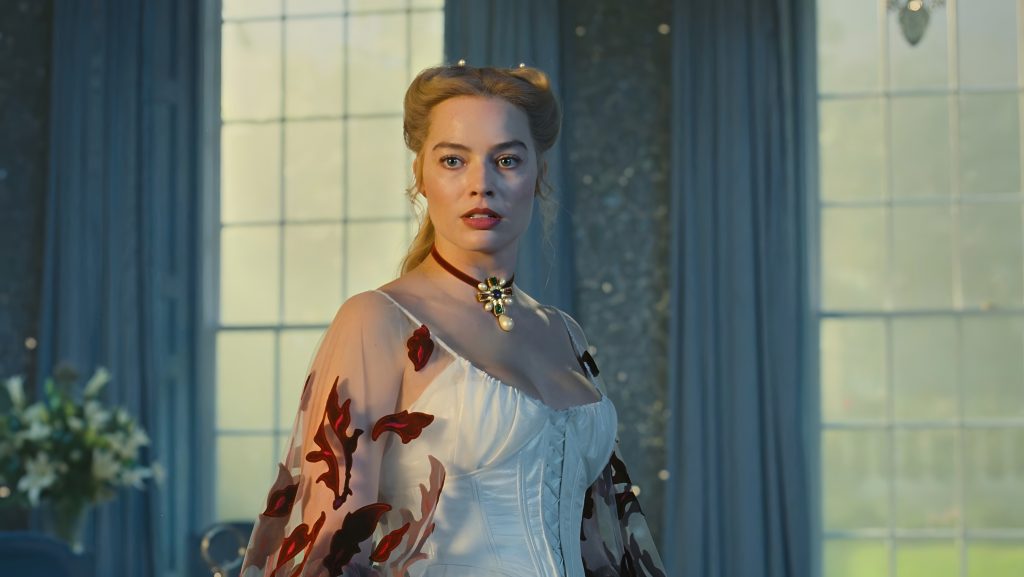
And before anybody accuses me of taking crazy pills, I have actually reviewed Scarlett, the sequel to Gone with the Wind. It is basically Gone with the Wind without the war and slavery. They throw in some Irish people, but it isn’t remotely the same thing.
Fennell has done something similar to Wuthering Heights. She has kept the names, the locations, and some of the famous scenes while removing much of the machinery that makes the story function. And the movie never really replaces what it takes away.
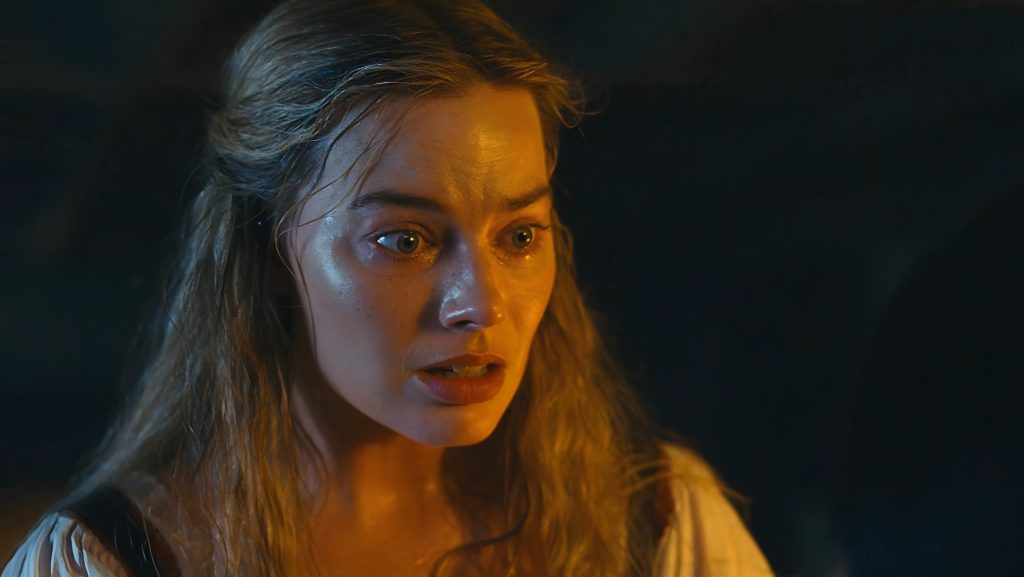
Then there is Margot Robbie. As I said earlier, I like Robbie. She is a good actress, and she has no difficulty embracing Catherine’s unpleasant personality.
But good Lord, is she miscast. Catherine is a teenager in the original novel. She marries Edgar at approximately eighteen years old. This matters.
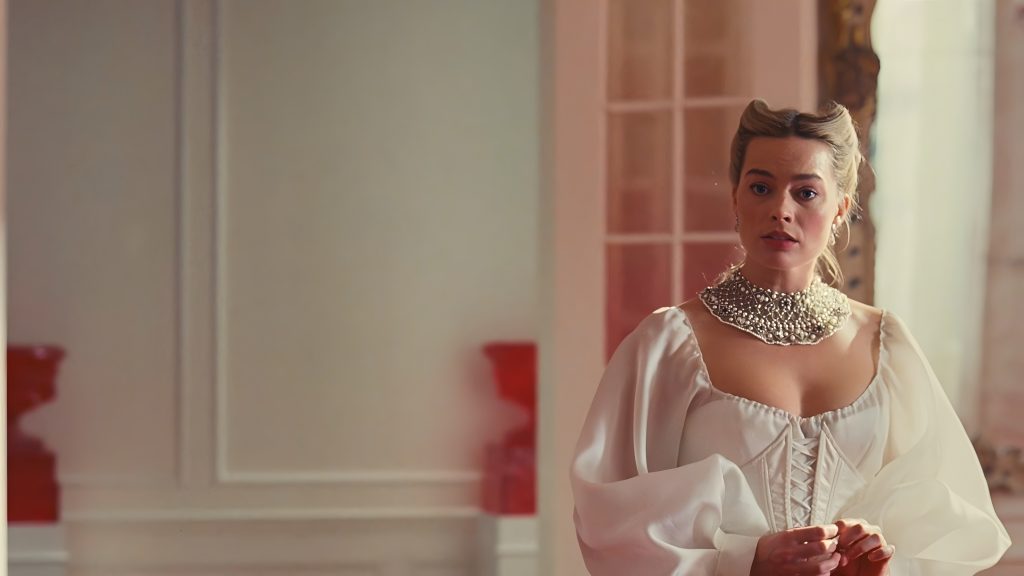
Her emotional immaturity, her selfishness, her obsession with Heathcliff, and her inability to comprehend the consequences of her behavior are all considerably more understandable when she is eighteen.
She’s young. She’s inexperienced. She hasn’t lived long enough to learn that being cruel to people you supposedly love can have permanent consequences. Margot Robbie, on the other hand, looks like a woman who has been dealing with mortgage payments and homeowners’ insurance for the past fifteen years.
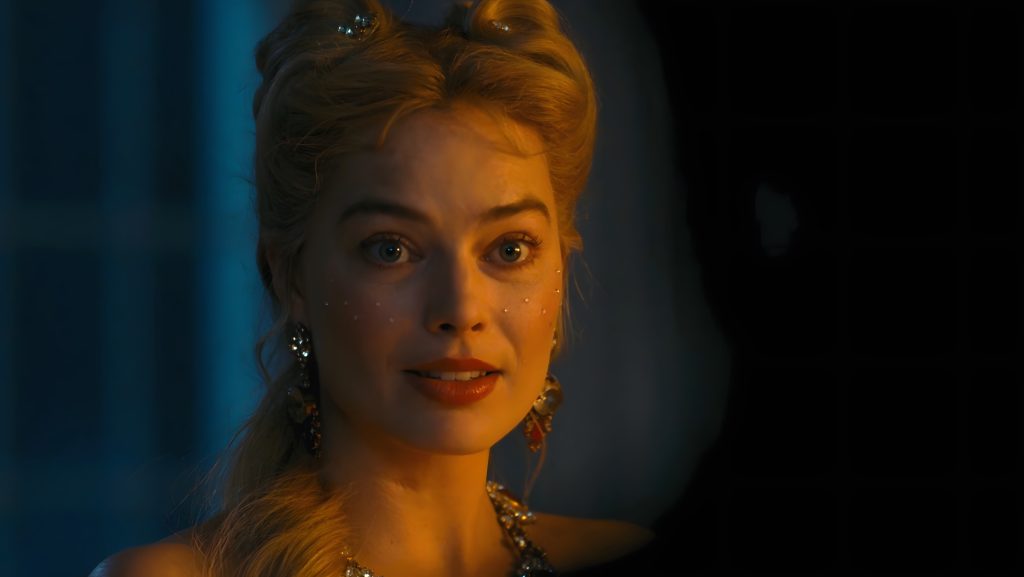
This is not a criticism of her appearance. Robbie is an attractive woman. But she is playing a character whose emotional development is supposed to be that of an adolescent.
And the contrast is jarring. The movie makes matters worse with its peculiar handling of time.
One moment, Catherine is a young girl. Then, apparently after a particularly long weekend, she has transformed into Margot Robbie. How much time has passed?
Five years? Fifteen? Twenty? Your guess is as good as mine.

Fennell has a real problem communicating the passage of time. The film jumps between events without providing much sense of how long the characters have been living with their circumstances.
We begin to wonder whether Catherine and Heathcliff have spent the better part of twenty years sharing what appears to be a three-room estate without ever getting around to having sex.
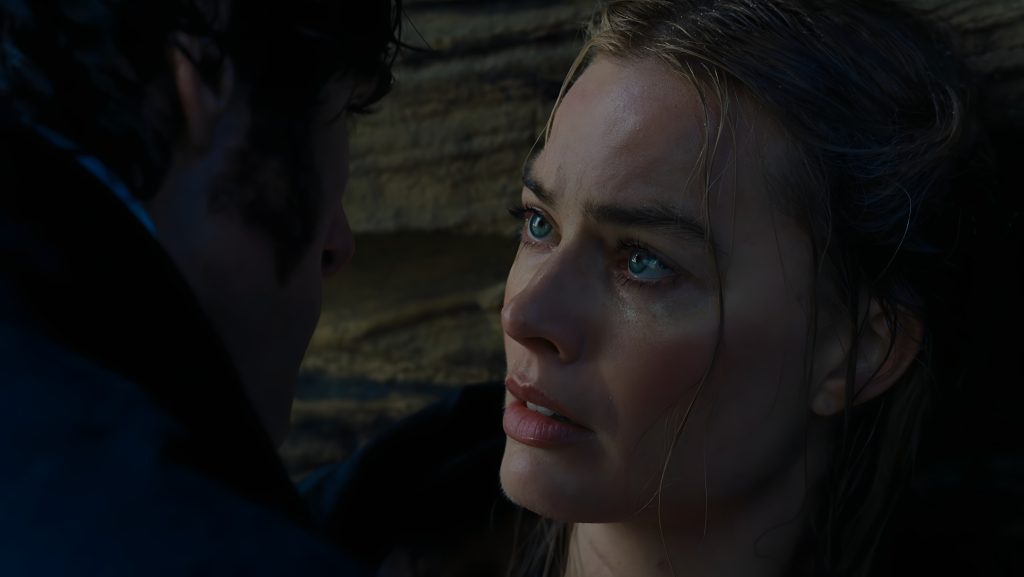
For a supposedly daring, sexually adventurous filmmaker, Fennell has somehow turned a story about forbidden young love into a story about two middle-aged people who never managed to get past first base.
I had problems with the actress playing Catherine in the 1939 film as well, but I enjoyed that version considerably more than this one.
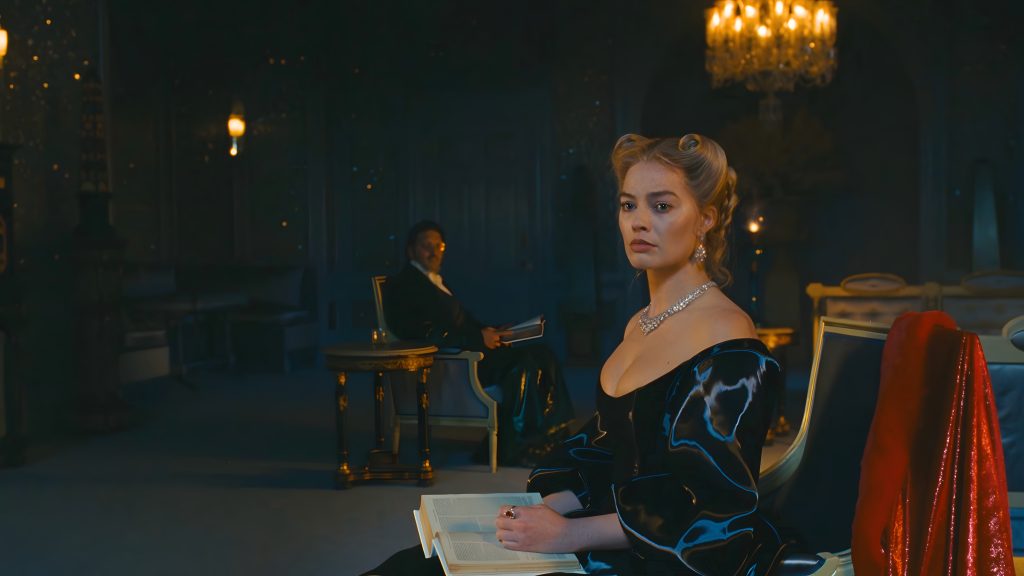
And while we’re discussing casting, poor Shazad Latif. I don’t blame the actor for Edgar Linton. I genuinely don’t know what he was supposed to do with this character.
Edgar is barely written. He is wealthy. He marries Catherine. He occasionally seems disappointed that his wife is behaving like a slutty lunatic. And that’s about it.
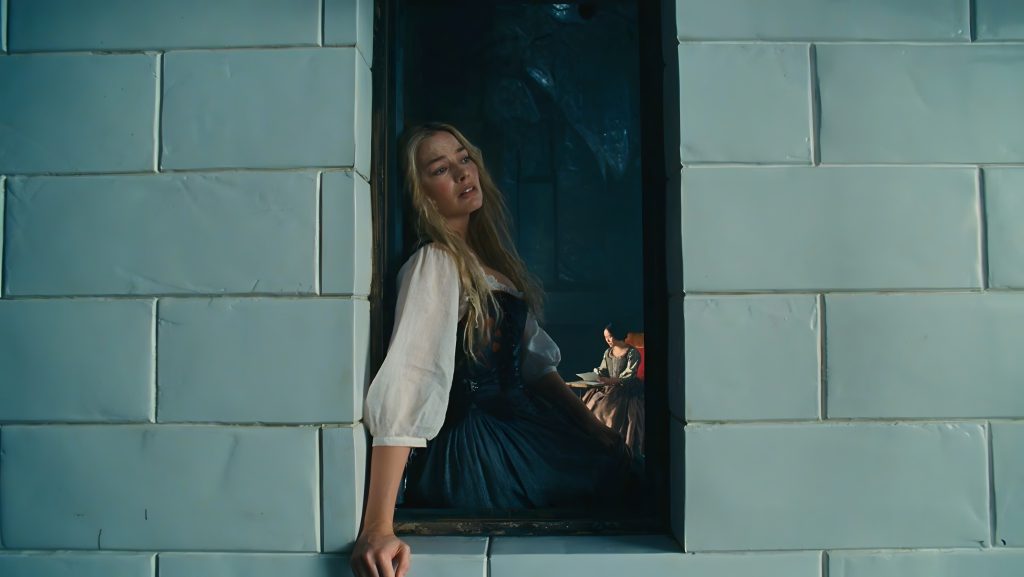
Does he have any interests? Any friends? What does he do all day? Does he have opinions about politics, agriculture, or the price of imported tea?
We know virtually nothing about him. In fact, we know surprisingly little about anybody.
This is a movie with approximately six major characters and a couple of servants. That’s not an exaggeration.
Apparently, the Yorkshire moors had a population of ten people, and half of them were busy polishing the furniture.
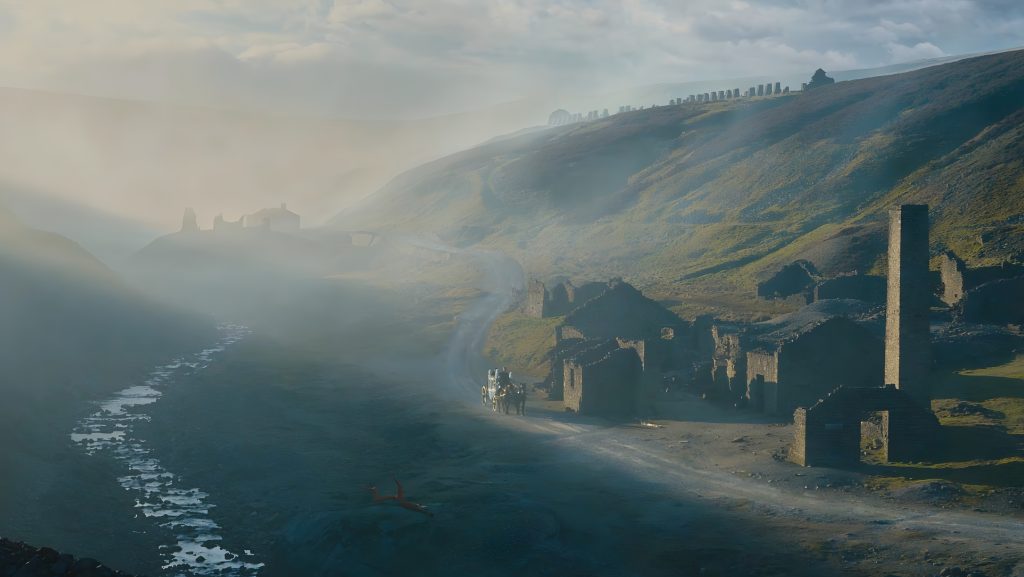
Nobody seems to visit from another town. Nobody holds a dinner party involving more than four people. Nobody appears to have a social life outside of the central romantic disaster. The result is a strangely empty world.
And considering that the movie runs for more than two hours, there is absolutely no excuse for how underdeveloped these characters are. I’ve watched sitcoms that managed to establish a guest star’s personality, marriage, employment history, and favorite breakfast cereal in twenty-two minutes.
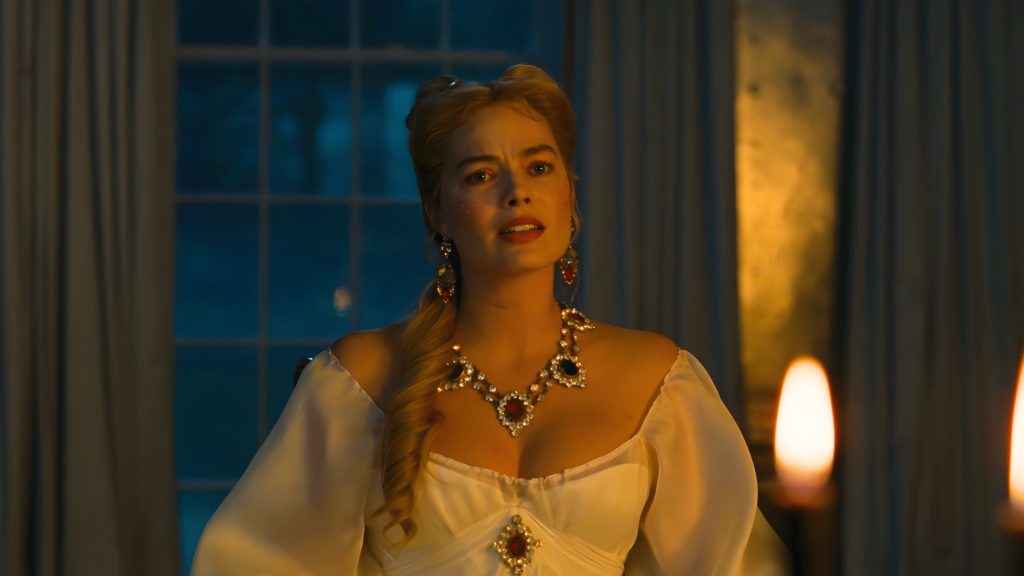
Fennell has 136 minutes and can’t be bothered to tell us where Edgar’s money comes from. I know more about Caroline Bingley’s inheritance (£20,000) in Pride & Prejudice. And she is the sister of the guy who marries the sister of the main character. Edgar is one of three (or four) adults who are not servants. And the only one who has money throughout most of the film.
Finally, there is the direction itself. The movie looks magnificent. But Fennell allows nothing to breathe. Every scene has to be important. Every emotion has to be enormous. Every visual needs to be striking. Every musical cue needs to announce exactly how we’re supposed to feel.

The soundtrack is a perfect example. I like much of the music, but there is simply too much of it. It constantly interrupts the drama to explain what emotion we’re supposed to be experiencing, even when the actors and screenplay haven’t earned that emotion.
Sometimes silence is useful. Sometimes you can allow two actors to have a conversation without a musical accompaniment telling us that this is the most devastating moment in the history of romantic tragedy.
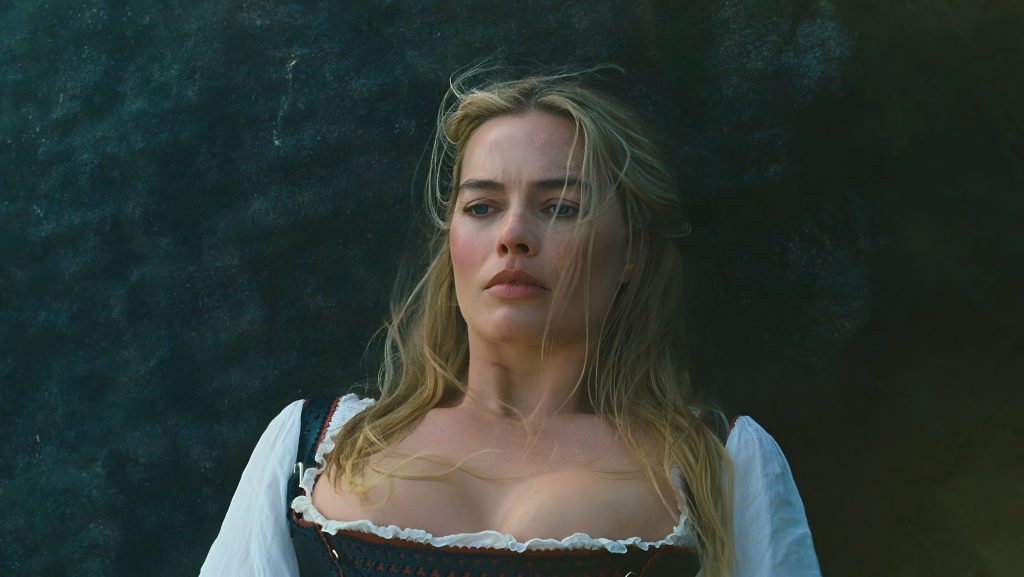
Fennell doesn’t seem to trust the audience to feel anything without assistance. And the more she insists that we should be overwhelmed by passion and tragedy, the less I actually felt.
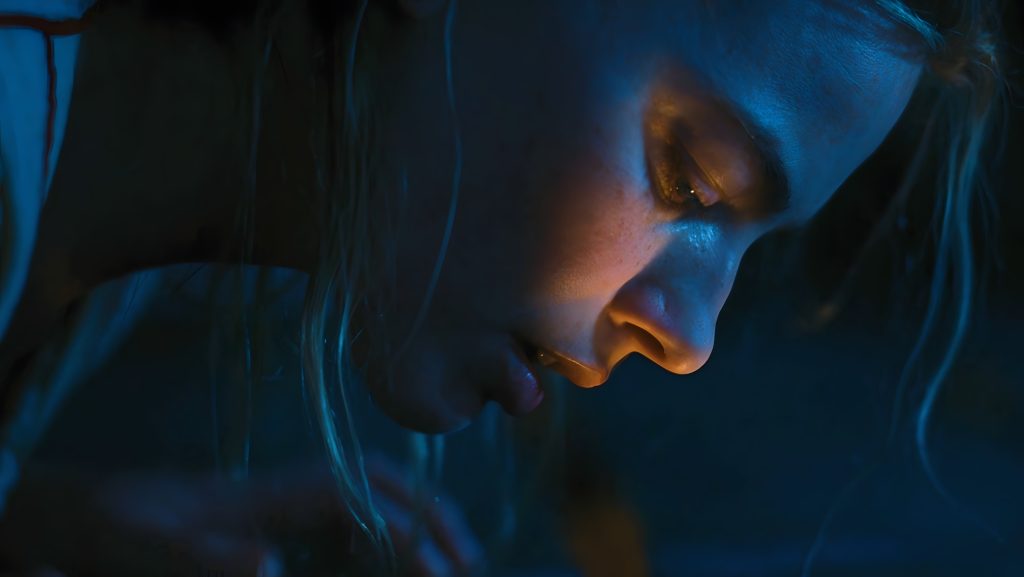
The Ugly
The Ugly: Now we come to the sex. And the sex is a problem. Not because there is too much of it, mind you. Anyone who has read enough Cinematic Diversions reviews knows that I am not opposed to attractive people removing their clothing and engaging in recreational activities.
Quite the contrary. The problem is that the sex in Wuthering Heights is surprisingly boring.
This movie has an R rating. Emerald Fennell has a reputation for being a daring, provocative filmmaker. The advertising certainly suggests that audiences are in for an erotic experience.
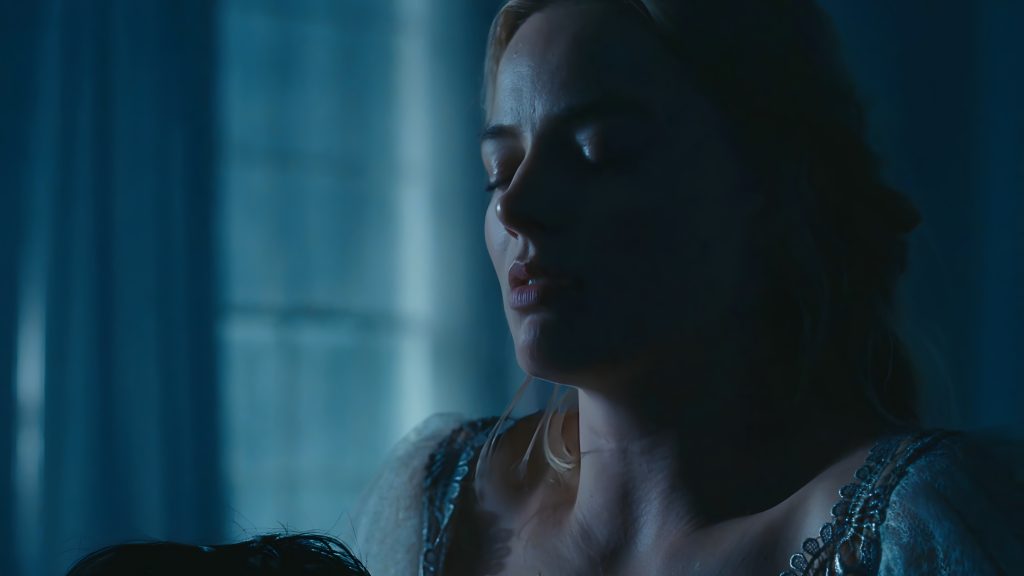
What we get is closer to a Lifetime movie. There’s essentially no nudity. Much of the sexual activity is suggested rather than shown, and the various encounters have a remarkable habit of cutting away just when things might become interesting.
I wasn’t expecting pornography, but I was expecting something a little closer to 9½ Weeks than a Hallmark Christmas movie.
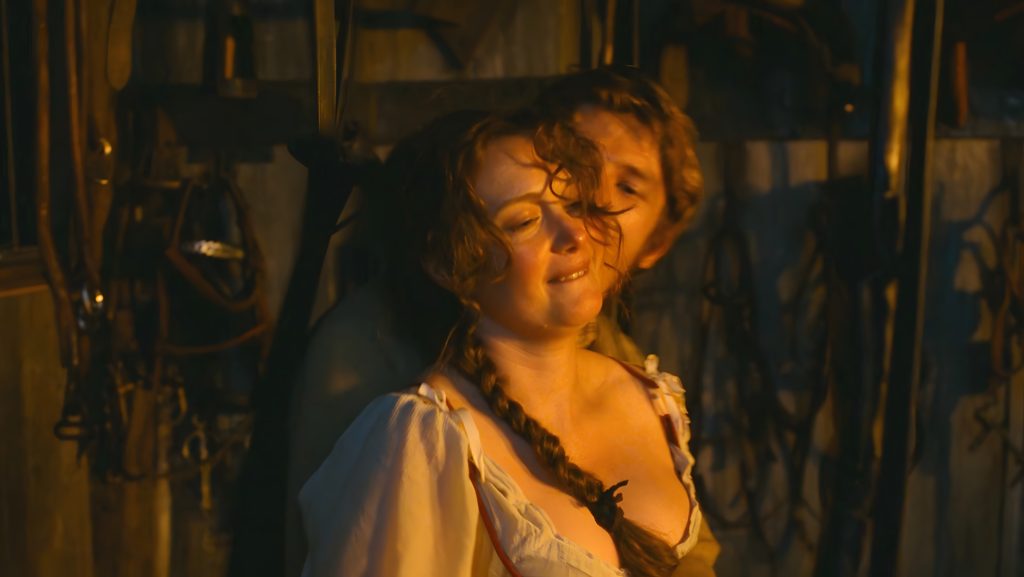
The frustrating thing is that Fennell clearly understands sexual tension. There is an early scene in which Catherine is hiding in a hayloft, watching a couple of servants engage in what I can only describe as pony play. I am not making this up.
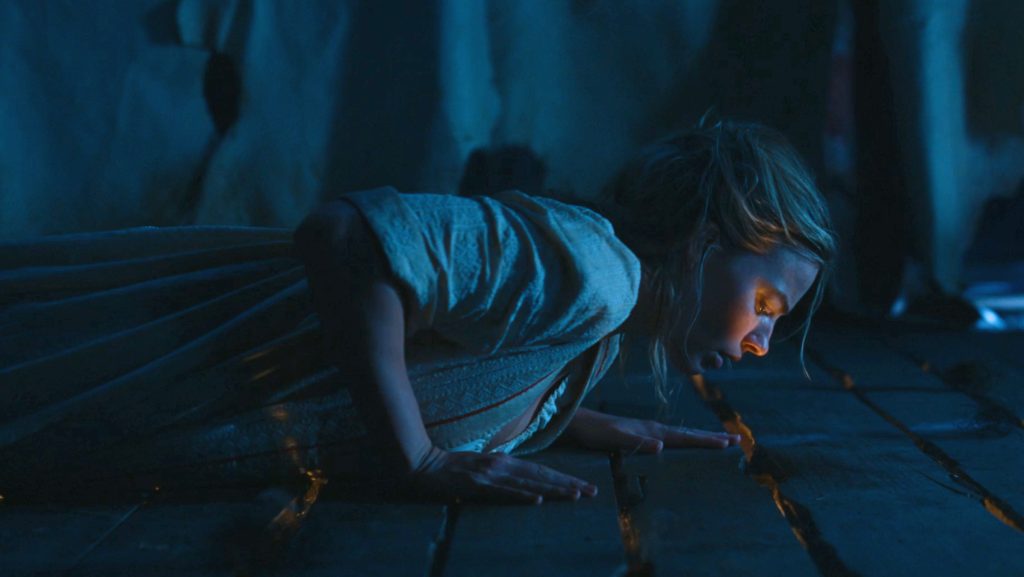
Heathcliff approaches Catherine from behind, shirtless, and covers her eyes and mouth with his hands. It is a genuinely erotic scene.
There is no nudity, although considering what the servants are doing, I suppose somebody could have supplied a topless horse. But there is real sexual tension here.
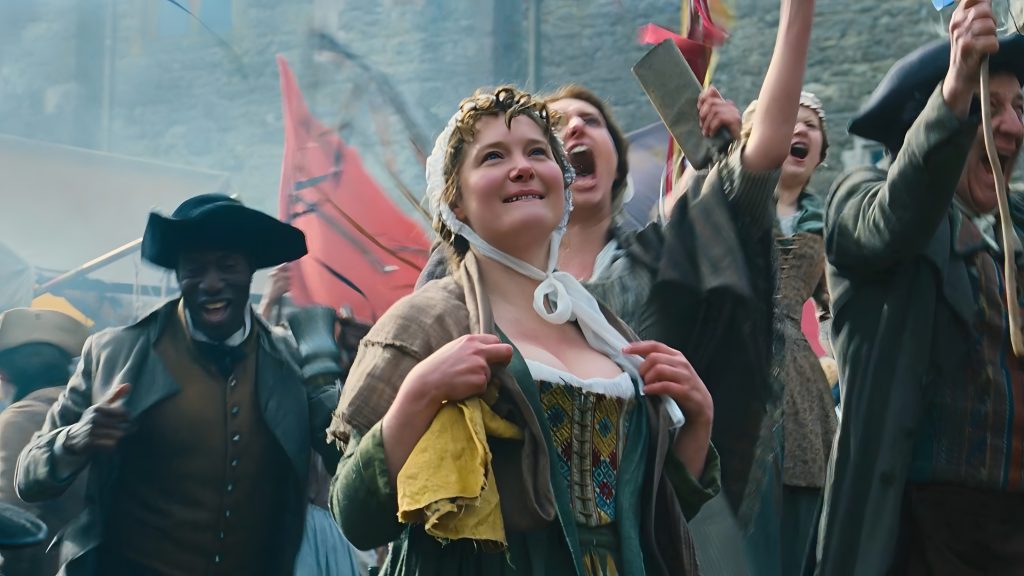
There is anticipation. There is danger. There is the possibility of something forbidden happening between two people who have spent their lives dancing around their feelings.
That is exactly what Catherine and Heathcliff’s relationship needs. Think Sam and Diane from Cheers, except Sam is a borderline psychopath and Diane is a spoiled aristocratic monster. So basically, Sam and Diane.
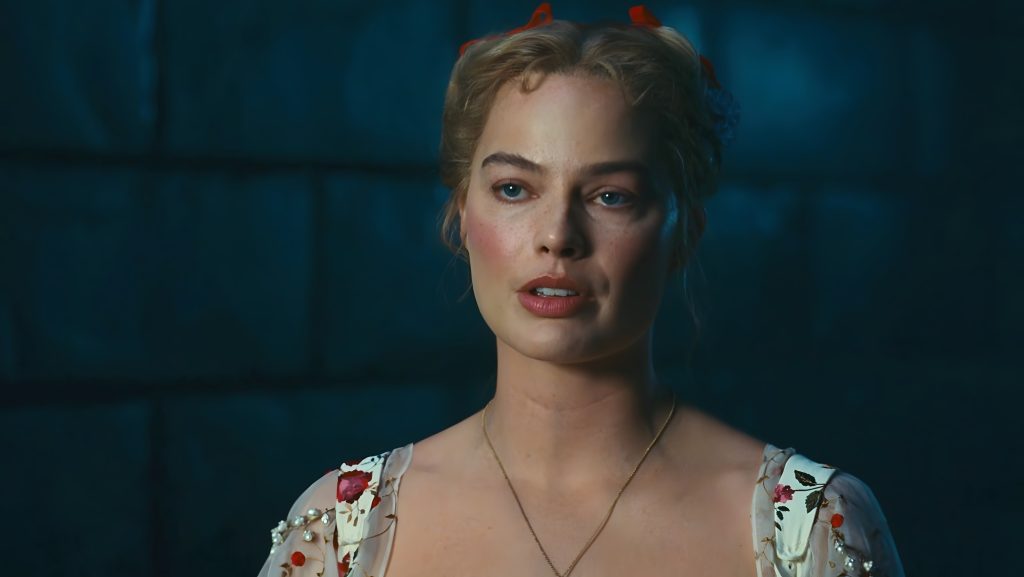
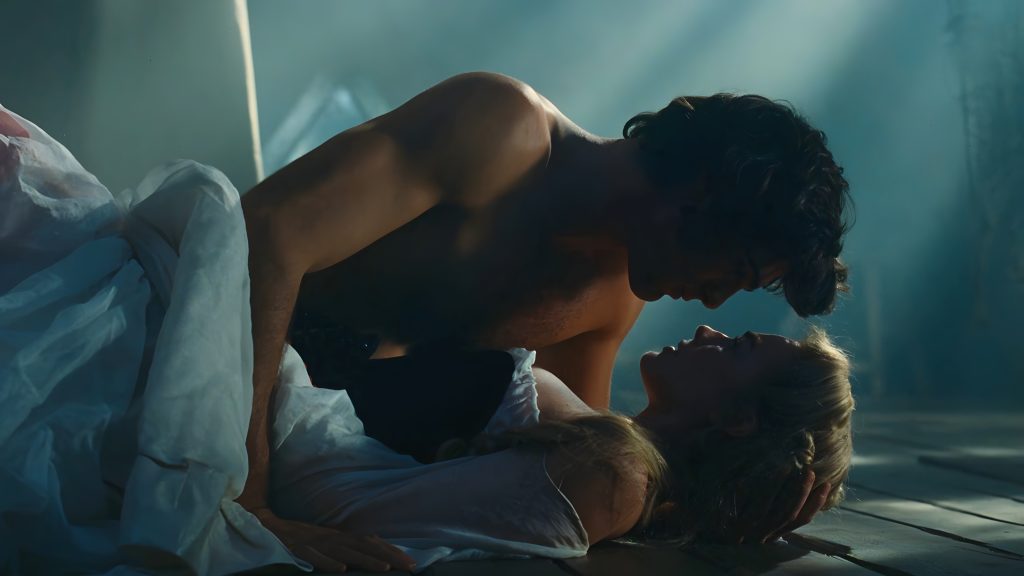
The tension comes from the possibility that they might finally act upon their attraction. Unfortunately, once they do start bumping uglies, the relationship becomes remarkably dull. We get what amounts to a sex montage.
They sneak off together. They have sex. They sneak off again. They have more sex. And somehow, the more sex they have, the less chemistry they seem to possess.
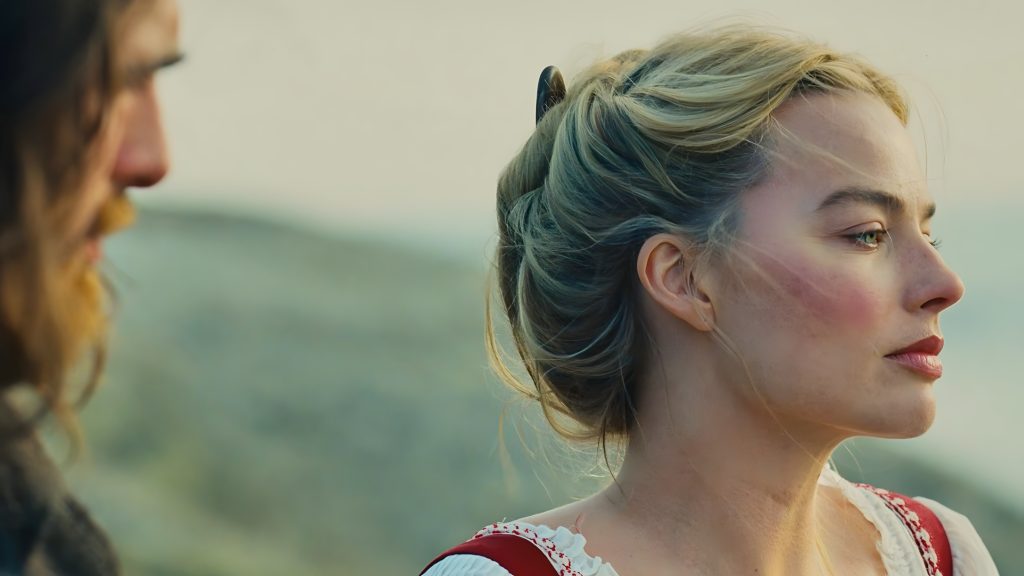
Robbie and Elordi have some moments together early in the film that work reasonably well. But once the relationship becomes physical, I find their supposed all-consuming passion almost impossible to believe.
These are two people who are supposed to be so obsessed with each other that they destroy their own lives and the lives of everyone around them. Instead, they increasingly resemble a couple having an affair because neither can think of anything better to do on a rainy afternoon.
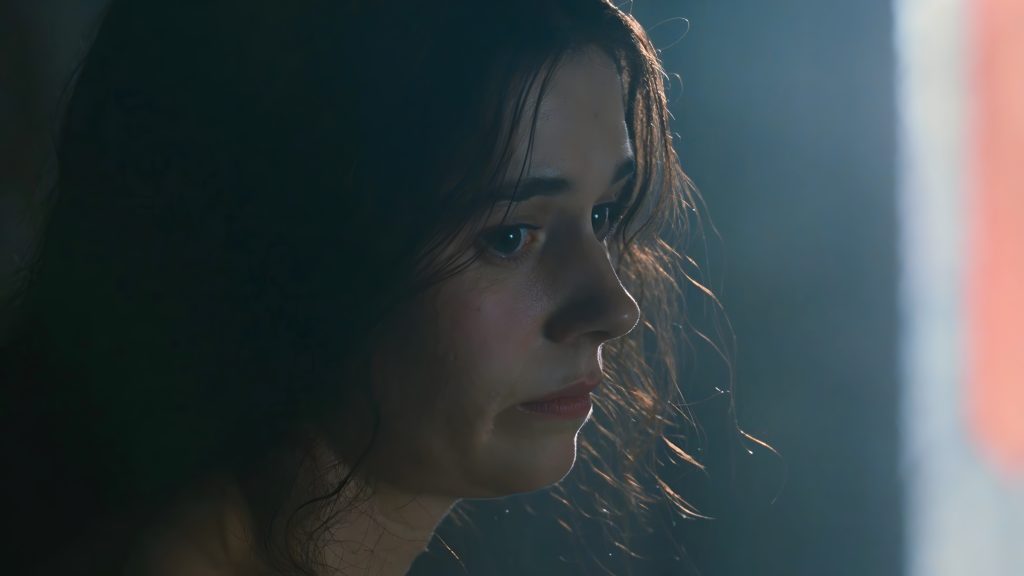
And then Isabella enters the picture. Oh, Isabella. Played by Alison Oliver, Isabella is easily the most interesting character in the film’s second half.
In the novel, Heathcliff marries Isabella to hurt Edgar and Catherine. He treats her appallingly, and their relationship becomes an exercise in cruelty and abuse.
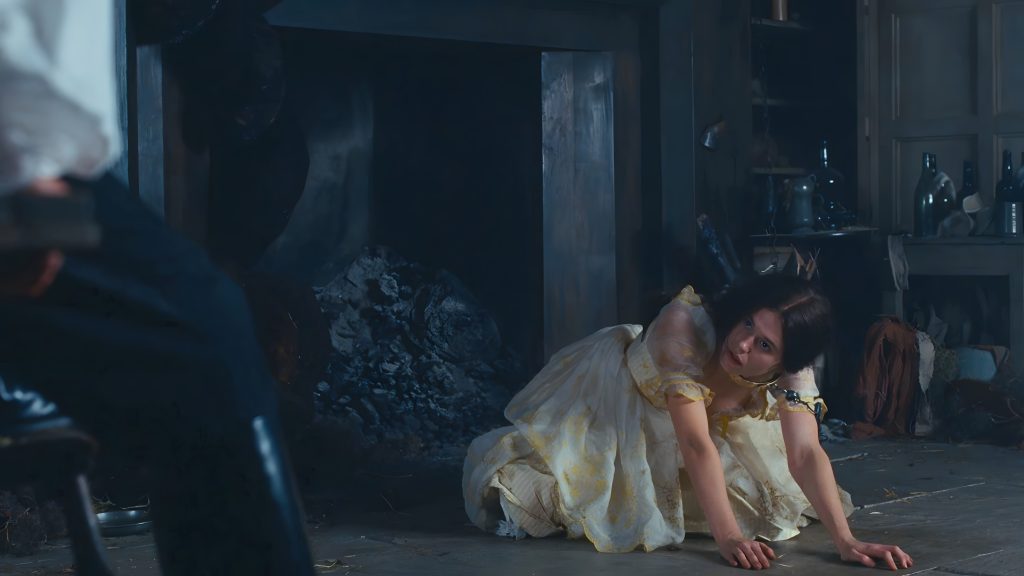
Fennell retains the cruelty but introduces an unexpected complication. Isabella is into it. Really into it. And suddenly, the movie comes alive.
Oliver and Elordi have terrific chemistry. Oliver has that Heather Matarazzo in Hostel 2 thing going on and she really brings out the animal in Elordi.
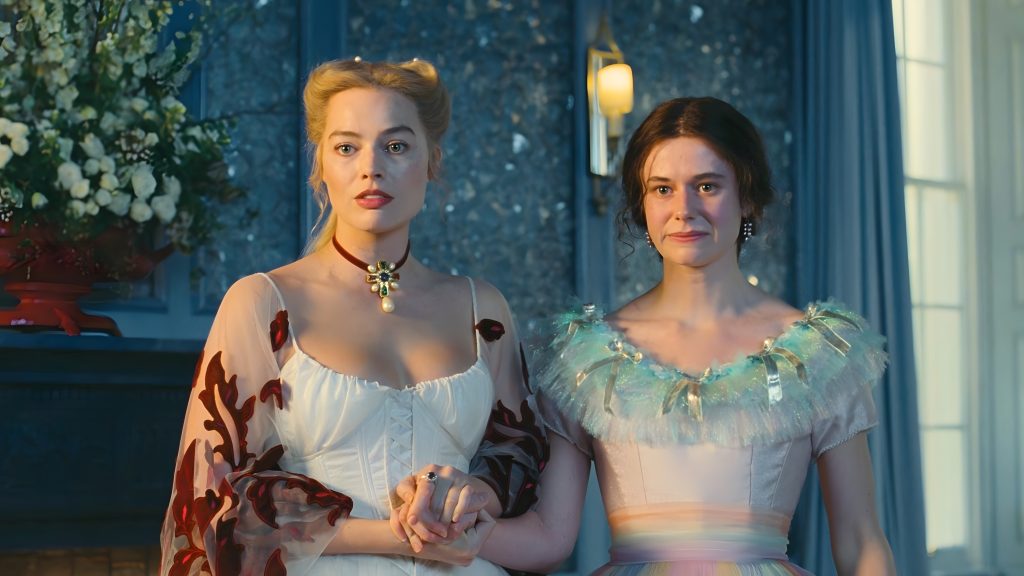
Their scenes together are genuinely provocative, funny in a deeply uncomfortable way, and considerably more interesting than anything happening between Catherine and Heathcliff.
Isabella is not simply an innocent woman being manipulated by a monstrous husband. In this adaptation, she has a pronounced appetite for degradation, and she seems remarkably enthusiastic about exploring it with Heathcliff.
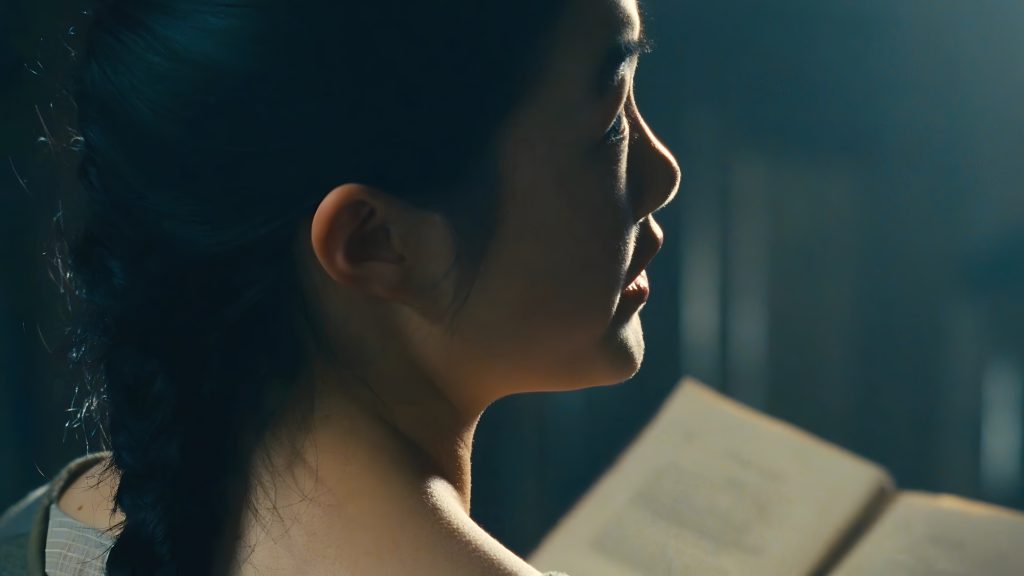
This doesn’t make their relationship healthy, and Heathcliff remains an abusive bastard. But it does make their relationship dramatically fascinating. They seem to understand each other. Heathcliff is a cruel, controlling, unpleasant man with some deeply disturbing tendencies. Isabella looks at this personality and apparently thinks she has finally found her soulmate. And frankly, she might be right.
The chemistry between them is so much stronger than the chemistry between Heathcliff and Catherine that I began rooting for the wrong couple.
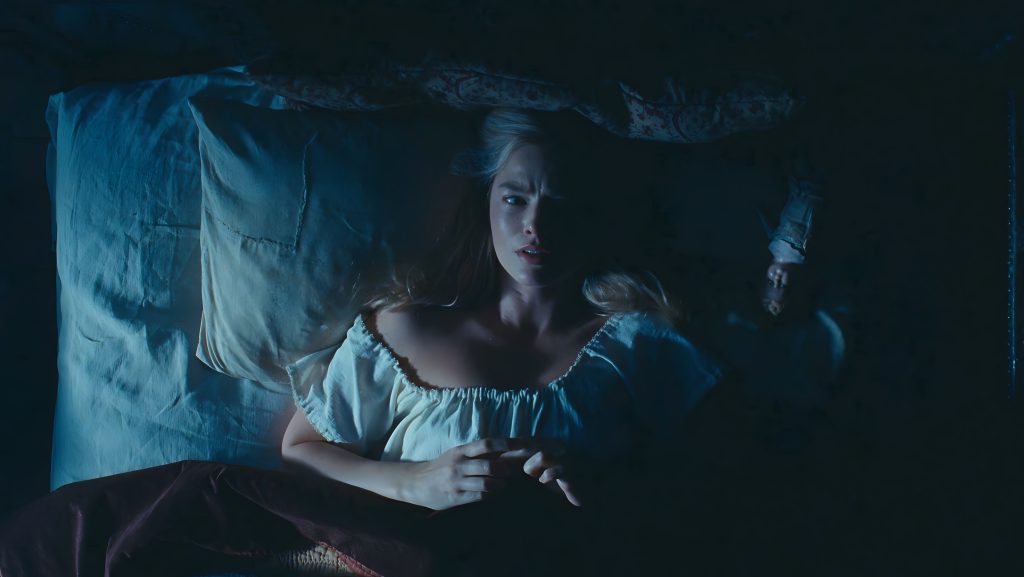
Or perhaps the right couple. Imagine if Fennell had actually committed to this idea. Heathcliff marries Isabella to get revenge on Edgar and Catherine, only to discover that he actually likes his wife. Not only likes her, but genuinely appreciates her peculiar personality.
They fall in love, discover a mutual enthusiasm for activities best left unexplained at dinner parties, and live happily ever after. Meanwhile, Catherine gets to spend the rest of her life making Edgar miserable, although considering the population of Yorkshire, she might eventually have to start importing people to torment.
That would have been a genuinely daring adaptation. Unfortunately, the movie insists on returning to Catherine and Heathcliff’s supposedly tragic romance. And I simply don’t buy it.
It’s a little like the ending of Beauty and the Beast, where Belle finally falls in love with the Beast and he transforms into a handsome prince. You can feel her disappointment. Her sexual fantasies were about the beast, not this ponce.
In Wuthering Heights, Heathcliff finds a woman who actually appreciates the beast, and the screenplay insists that he must abandon her emotionally to continue obsessing over Catherine.
Why? Because that’s what happens in Wuthering Heights. Except Fennell has changed practically everything else about Wuthering Heights, so why suddenly become faithful to the source material now?
And here is where the movie’s central problem becomes impossible to ignore. The Heathcliff and Isabella scenes are the best scenes in the movie, but they completely undermine the rest of the story. Fennell has made Isabella a more compelling romantic partner for Heathcliff than Catherine.
She has taken the abusive marriage that was supposed to demonstrate Heathcliff’s monstrous desire for revenge and transformed it into the only relationship in the movie with convincing sexual chemistry.
That might have been an interesting foundation for an entirely different film. But it is a disaster for this one.
When Catherine eventually Ali MacGraw’s out, we’re supposed to be devastated by the tragedy of these two lovers. Instead, I found myself wondering why Heathcliff didn’t simply go home to Isabella.
In Conclusion
In Conclusion: I originally intended to give Wuthering Heights a 6 out of 10. Then, after thinking about it for a couple of days, I dropped the score to a 5. Now, I’m giving it a 4.
The more I think about this movie, the more it bothers me. And I think I’ve finally figured out why.
Emerald Fennell has made a visually magnificent, occasionally provocative, beautifully photographed movie that fundamentally misunderstands, or at least completely reconstructs, the story it is supposedly adapting.
Wuthering Heights is not simply about two people who love each other but cannot be together. It is about obsession, class, humiliation, family resentment, cruelty, and revenge. It is about people whose emotional immaturity and destructive behavior poison the lives of everyone unfortunate enough to encounter them.
Heathcliff’s treatment by the Earnshaw family is fundamental to his character. Catherine’s youth and social ambitions are fundamental to hers. The relationships between the Earnshaws and the Lintons provide the foundation for the revenge plot.
And the possibility that Heathcliff might actually be Catherine’s half-brother adds yet another disturbing dimension to the whole affair. Fennell removes or radically alters nearly all of these elements.
She eliminates Hindley and the mother. She changes Isabella from Edgar’s sister into his ward. She ages Catherine into a fully mature woman while preserving the behavior of an emotionally confused teenager.

She strips away much of the social and familial framework that makes Heathcliff’s revenge understandable. And she allows Catherine and Heathcliff to have sex. Lots and lots of boring sex.
The original novel explores destructive obsessions across generations. Fennell reduces that sprawling psychological tragedy to a remarkably conventional romantic triangle, then accidentally creates a second romantic relationship that is far more compelling than the one we’re supposed to care about.

I genuinely liked parts of this movie. The production design is outstanding if a bit of a Nightmare Before Regency. The young actors are excellent. Jacob Elordi is a very good Heathcliff. Alison Oliver practically steals the entire picture.
But those are individual elements of a film that doesn’t work. I enjoyed the 1939 version considerably more. It had its own problems and took substantial liberties with the novel, but it understood the tragic relationship at the center of the story. More importantly, it understood why these people behaved the way they did. Fennell seems more interested in how they look while behaving that way.

Wuthering Heights is a beautiful, expensive, frequently ridiculous film that is both less faithful to the novel and a lot less erotic than its reputation would suggest. It is probably one of the better films I have given a 4 out of 10 to (It is no Deathsport) but it is a frustrating mess.